
Last Updated on September 10, 2026 by Daniel Globe
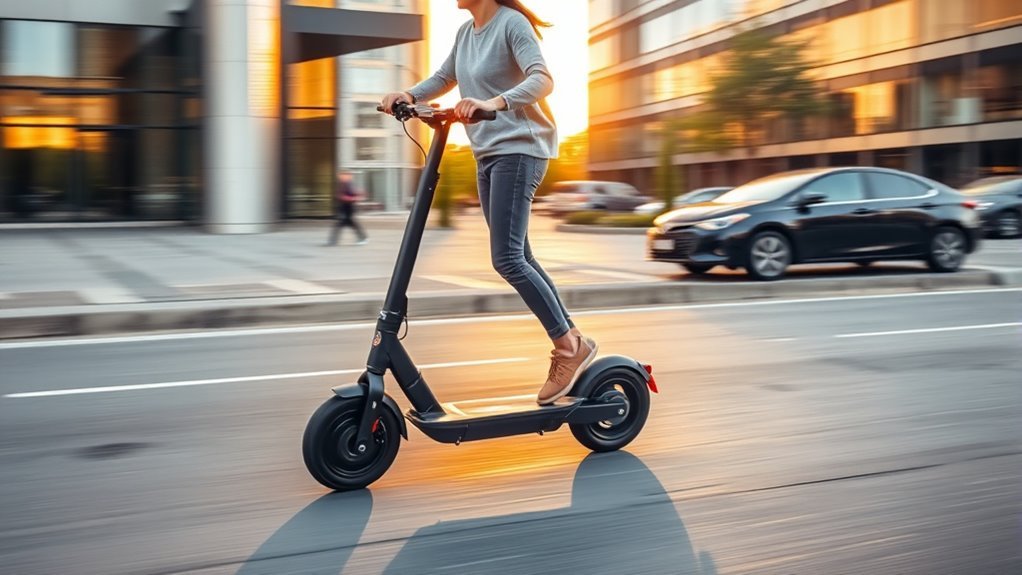
An average electric scooter usually goes about 15 to 25 mph, but you’ll often ride closer to 12 to 18 mph in real-world commuting. Your speed depends on the scooter type, your weight, hills, wind, battery charge, and tire pressure. Entry-level models stay slower, while performance scooters can exceed 30 mph. Local speed limits also matter, so choose a pace that fits your route, safety, and comfort. There’s more to compare as you go.
Disclosure: As an Amazon Associate I earn from qualifying purchases. Some links on this page are affiliate links, at no extra cost to you.
How Fast Does an Electric Scooter Go?
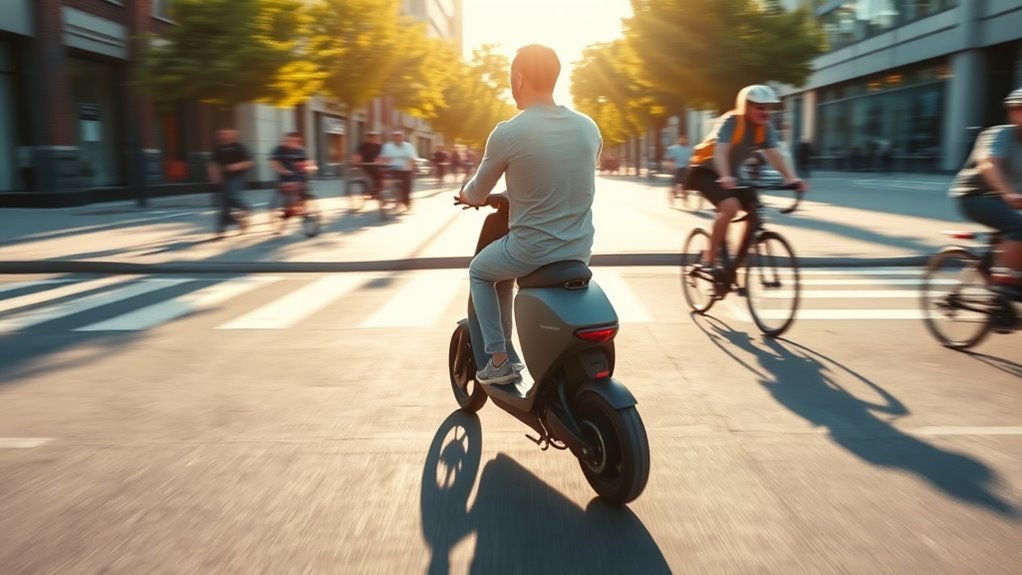
How fast does an electric scooter go? For you, the typical answer is 15 to 25 MPH, which is fast enough for urban commuting and daily freedom. In real use, you’ll often ride at 12 to 18 MPH, since speed regulations and traffic conditions shape what feels practical. Scooter acceleration also matters: a quick launch helps you merge, pass, and climb modest hills, but rider weight, terrain, and battery charge can trim top speed. If you want more punch, performance scooters can reach 25 to 40 MPH, while high-performance models may exceed 40 MPH. Recreational models usually stay in the 15 to 25 MPH range, balancing control and convenience. You don’t need extreme speed to move with confidence; you need a scooter that matches your route, your body, and the rules where you ride.
Electric Scooter Speeds by Model Type
When you compare electric scooter model types, entry-level scooters usually top out around 10–20 MPH, which works well for short urban trips and everyday commuting. If you want more speed, high-performance scooters can go past 30 MPH and often use dual motors and stronger braking systems to handle the extra power. Your best choice depends on how far you ride, how much speed you need, and how closely you need to stay within local limits.
Entry-Level Speed Range
Entry-level electric scooters typically top out between 10 and 20 MPH, which makes them a practical choice for urban commuting, campus travel, and other short trips. You’ll often see models like the NEON Lite ES10 and Zippy Pro ES52 cruising around 15 to 15.5 MPH, which feels steady without pushing you past your comfort zone. These scooters usually focus on entry level features such as light weight, portability, and easy controls, so you can move freely without dealing with extra complexity. Their lower speed also helps reduce accident risk, making them a smart fit if you’re new to riding. For beginner tips, start on smooth paths, practice braking early, and get comfortable with balance before you ride farther.
High-Performance Top Speeds
At the top end, speed becomes the headline, and high-performance electric scooters can deliver serious performance for riders who know how to handle it. You’ll see speed capabilities that reach 62 mph on machines like the Wolf King GT Pro, while the Mantis V2 and Wolf Warrior X sit near 40 mph for thrill-focused riding. Most performance scooters fall between 30 and 50 mph, pairing dual motors with strong braking so you stay in control. In performance comparisons, lighter models like the Fluid Mosquito trade some top speed, topping out around 28 mph, for easier carry and everyday freedom. Once you push past 35 mph, you need skill, protective gear, and respect for the road, because liberation feels best when you can ride fast and stay safe.
What Affects E-Scooter Top Speed
Your weight can change how quickly your scooter accelerates and how fast it tops out, so a lighter load usually means better performance. Flat pavement lets you ride faster than hills, rough ground, or strong wind, which all add resistance and slow you down. You’ll also notice a drop in top speed when the battery runs low, since less charge can cut performance by a noticeable margin.
Rider Weight Matters
Rider weight plays a major role in how fast an electric scooter can actually go, since heavier riders usually see slower acceleration and a lower top speed than lighter riders. You’ll notice that every 10% jump in rider weight can trim about 1-2 MPH, depending on motor power and design. That’s why rider performance matters most when you’re checking the scooter’s limits.
- Stay within the scooter’s rated weight limit for safer, freer riding.
- Check how weight distribution affects balance and speed feel.
- Choose a stronger motor if you want steadier pace with added load.
If your scooter has a stronger power-to-weight ratio, it’ll handle you better without a big speed drop. Heavier riders may also feel more drag from wind and incline, so realistic expectations help you ride with more confidence.
Terrain And Battery Level
Terrain and battery level can make a bigger difference to your e-scooter’s top speed than you might expect. On smooth, flat pavement, you’ll usually hit higher speeds; rough roads, hills, and strong wind force your motor to work harder, so you slow down. A full charge matters too: when your battery drops, top speed can fall by 25-40%, which cuts into your freedom on the move. Good battery maintenance helps you stay ready for longer, faster rides. Check tire pressure as well, because under-inflated tires drag you down. With smart terrain adaptation, you can choose routes that keep momentum and save energy. If you want the most from your scooter, ride on even surfaces and start with a full battery whenever possible.
How Weight, Hills, and Wind Slow E-Scooters
Weight, hills, and wind can all slow an e-scooter noticeably, especially when they stack up at the same time. Your weight impact matters because every extra pound asks the motor to work harder, which cuts acceleration and trims top speed. Steeper incline effects are even tougher; if a scooter wasn’t built for hills, a climb above 15 degrees can sap momentum fast. Strong wind resistance also steals speed, and riding into a stiff headwind can drop your pace by 25-40%. Low battery performance can compound all this, because a weaker charge often limits output under load.
- Heavier riders feel slower launches and softer hill climbs.
- Smooth, flat routes help you keep more speed.
- A full charge gives you better pull against load and wind.
You can plan smarter by matching terrain, battery, and rider load to the scooter’s limits, so you keep control without wasting energy.
Real-World E-Scooter Commuting Speeds
Once you factor in hills, wind, and rider load, everyday scooter speeds usually settle into a more modest real-world range than spec sheets suggest. When you commute, you’ll usually see 12-18 MPH, with many commuter models giving you 15-25 MPH in steady conditions. That’s why speed comparisons matter: your route, not the brochure, decides the ride. You can keep pace better by checking tire pressure, charging fully, and maintaining brakes and bearings.
| Condition | Typical Speed | Impact |
|---|---|---|
| Flat route | 16-20 MPH | Efficient cruising |
| Mixed terrain | 12-17 MPH | Slower climbs |
| Heavy rider load | 10-15 MPH | More strain |
| Strong headwind | 11-16 MPH | Reduced range |
| Well-maintained scooter | 1-3 MPH faster | Better performance |
For commuting challenges, that gap can feel liberating: you’re not chasing hype, you’re choosing a tool that moves you cleanly and independently.
E-Scooter Speed Limits by Area
Even if your scooter can go faster, local rules often set the real ceiling, and in many cities that means 15-20 MPH for everyday riding. You’ll find that urban regulations vary by block, city, and state, so your best move is to check the local code before you roll. In some places, bike lanes or special corridors let you ride faster, while other areas treat e-scooters more like bicycles and allow up to 28 MPH. Speed enforcement can include cameras, patrols, or fines, so ignoring the limit can cost you freedom and cash.
- Check posted limits before you enter a new district.
- Watch for zone-specific rules in bike lanes and mixed traffic.
- Confirm whether your city applies bicycle-style classifications.
Because the rules shift fast, you need to ride informed. That way, you keep your momentum, avoid penalties, and move through the city on your own terms, without handing control to a ticket.
Safety Gear for Fast E-Scooter Riding
| Speed range | Gear focus |
|---|---|
| Under 15 MPH | Wear a helmet |
| 15-25 MPH | Add pads, gloves, reflective clothing |
| 25-35 MPH | Use full-face, motorcycle-grade protection |
| Any faster riding | Practice emergency maneuvers at low speed |
At 15 to 25 MPH, knee and elbow pads, gloves, and reflective clothing help you stay visible and covered. Once you’re above 25 MPH, choose full-face helmets and gear built for high-impact crashes. Fast riding also means longer stopping distances, so every layer of protection counts. Before you push higher speeds, practice braking, swerving, and controlled stops at lower speeds. That way, you’re not just going fast—you’re riding prepared.
How To Choose the Right E-Scooter Speed
To choose the right e-scooter speed, start by matching the scooter to your commute and local rules. If you ride short urban routes, 15-25 MPH may fit your needs, but many cities cap e-scooters at 15-20 MPH. Check those limits first so you stay free and legal.
- Compare speed features with your daily distance and traffic flow.
- Choose battery systems that can hold speed without crushing range.
- Test acceleration performance on hills, corners, and open streets.
Think about terrain too: if your route climbs, pick a model built for hills, not just flat pavement. Faster riding can cut battery life by 25-40%, so balance thrill with range. Then test ride a few scooters. Feel the handling, comfort, and braking at different speeds, and trust what suits your skill level. The right choice gives you control, confidence, and room to move.
Frequently Asked Questions
Is 22 Mph Fast for an E-Scooter?
Yes, 22 mph is fast for an e-scooter. Compared with typical commuter models, you’re above average, so speed comparisons matter. You should watch safety concerns, wear gear, and check local rules before riding.
How Fast Is a Normal E-Scooter?
Normal e scooter speed usually sits around 15–20 mph, giving you balanced average performance for daily rides. You’ll get practical, liberating travel without pushing limits, though hills, weight, and battery charge can change your pace.
Is 28 Mph Fast for an E-Scooter?
Yes, 28 mph is fast for an e-scooter. In a speed comparison, you’re above most commuter models, so check safety regulations, wear proper gear, and make sure your route and skill match that pace.
Is 20 Mph Fast for an Electric Scooter?
Yes—20 mph is fast for an electric scooter: quick enough for efficient urban travel, yet calmer than reckless speeds. You’ll get a useful speed comparison, but safety considerations still matter, especially with local limits.
Conclusion
So, when you choose an electric scooter, you should think beyond the headline top speed and focus on how it fits your commute, local rules, and comfort level. You’ll get the best ride by matching speed to terrain, weight, and safety gear, not chasing a flashy number like it’s a medieval quest. In practice, a moderate scooter often feels faster because it’s more usable, safer, and easier to control every day.
