
Last Updated on July 25, 2026 by Daniel Globe
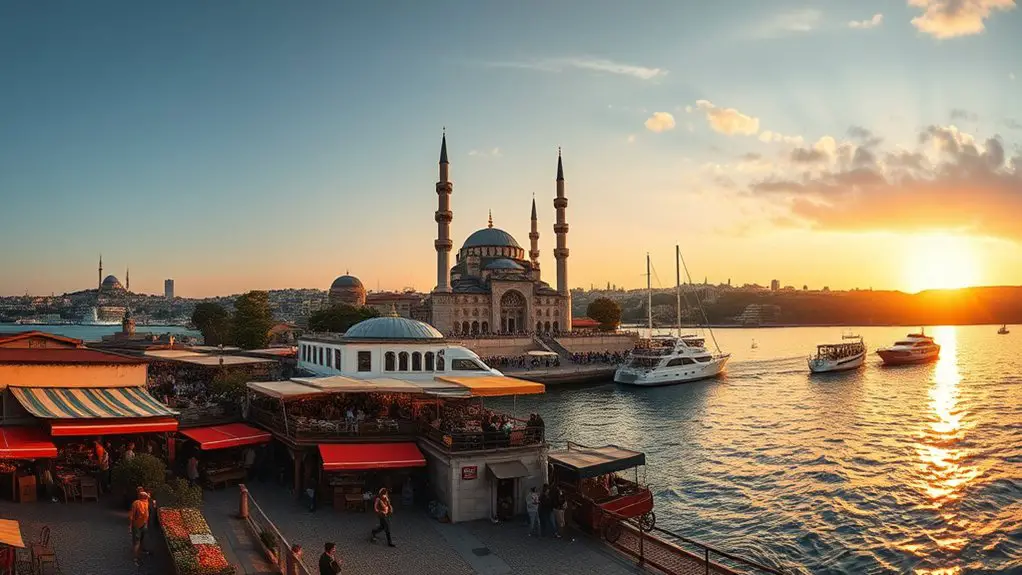
Ortaköy is one of Istanbul’s best-known Bosphorus neighborhoods, where a 19th-century mosque, religious heritage, waterfront cafés, food stalls, and modern city life meet in a compact area. Its past is more complex than a simple fishing-village story: generations of Muslim, Jewish, Armenian, Greek Orthodox, and other residents helped shape the streets, places of worship, trades, and traditions visitors encounter today.
Quick Answer
Ortaköy is a historic Bosphorus neighborhood in Istanbul’s Beşiktaş district, known for the 19th-century Büyük Mecidiye Mosque, a multicultural religious heritage, waterfront cafés, artisan stalls, and kumpir. It grew from an old waterside settlement into a busy meeting place where Ottoman architecture and modern city life share the same square.
Key Takeaways
- Ortaköy is a historic Bosphorus settlement whose identity was shaped by waterfront trades, religious communities, Ottoman development, and modern urban growth.
- The Büyük Mecidiye Mosque, commonly called Ortaköy Mosque, was commissioned by Sultan Abdülmecid I and built by Garabet Amira and Nigoğayos Balyan.
- The neighborhood’s mosque, synagogue, and churches reflect a long multicultural history that extends beyond its present-day tourist image.
- Kumpir is Ortaköy’s signature street food, while cafés, pastries, simit, waffles, and other foods add to the waterfront experience.
- Public transport and cultural-event schedules can change, so check official IETT, Metro Istanbul, Şehir Hatları, and municipal pages before visiting.
Disclosure: As an Amazon Associate I earn from qualifying purchases. Some links on this page are affiliate links, at no extra cost to you.
The Origins of Ortaköy: From Waterfront Settlement to Neighborhood
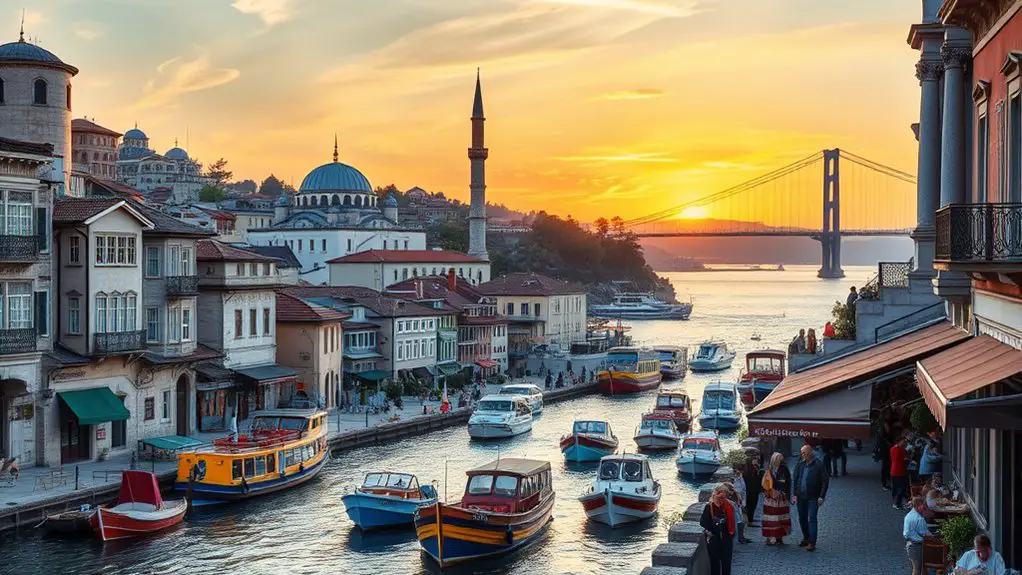
Ortaköy is often described as a former fishing village, but that label tells only part of its story. Fishing and other waterside trades were important along the Bosphorus, yet Ortaköy also developed as a residential, religious, commercial, and social center.
Its position on the European shore placed it between the historic centers of Beşiktaş and the northern Bosphorus communities. Boats, shoreline roads, markets, places of worship, imperial properties, and local businesses all influenced the neighborhood’s growth.
Over time, cafés, restaurants, schools, cultural venues, and shops joined the older homes and religious buildings. This gradual change created the mix of historic architecture and busy public life seen around Ortaköy Square today.
Ortaköy’s history is not the story of one building or one community. It is the story of a shared Bosphorus neighborhood shaped by worship, trade, travel, food, and everyday life.
A Short Ortaköy Timeline
- Early waterfront settlement: Communities developed along this well-positioned stretch of the European Bosphorus shore.
- Ottoman period: Muslim, Jewish, Armenian, Greek Orthodox, and other residents contributed to the neighborhood’s religious and commercial life.
- 19th century: Sultan Abdülmecid I commissioned the present Büyük Mecidiye Mosque, while palaces and other imperial buildings changed the surrounding waterfront.
- 20th century: Istanbul’s expansion, road traffic, new businesses, and Bosphorus infrastructure brought Ortaköy more fully into the modern city.
- Today: The neighborhood combines active places of worship, homes, universities, cultural venues, markets, cafés, restaurants, and heavy visitor traffic.
Rather than replacing the old neighborhood completely, modern Ortaköy grew around its surviving landmarks. That is why a short walk can take you from an Ottoman mosque to religious buildings, historic school and palace properties, artisan stalls, and contemporary cafés.
Architectural Marvels: The Ortaköy Mosque
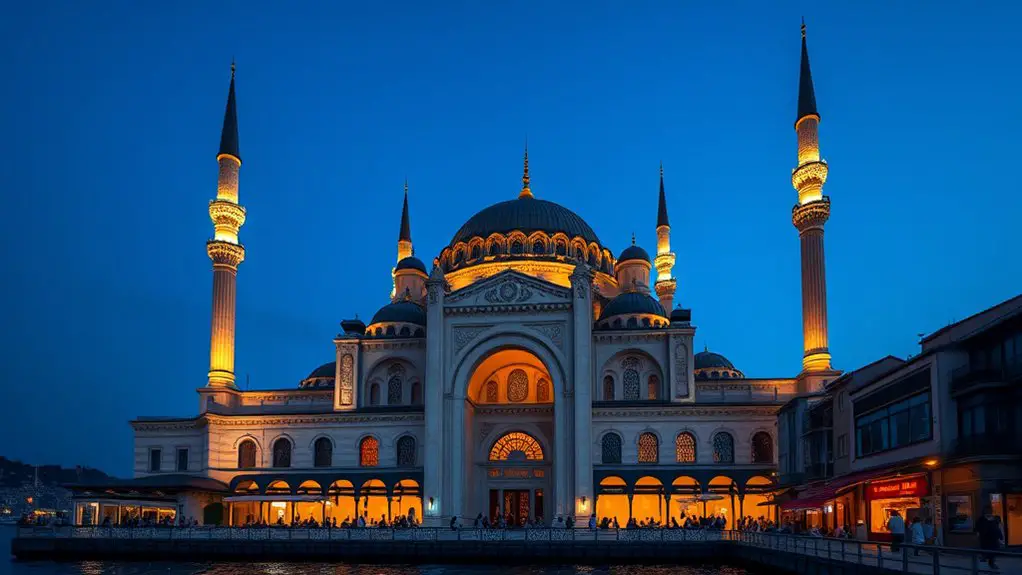
The neighborhood’s defining landmark is the Büyük Mecidiye Mosque, more commonly known as Ortaköy Mosque. It stands beside the water at Ortaköy Square, with the Bosphorus and the 15 July Martyrs Bridge forming its dramatic background.
The present mosque was commissioned by Sultan Abdülmecid I and completed in the 19th century. Official tourism information dates it to 1853. Its architects were Garabet Amira Balyan and his son Nigoğayos Balyan, members of the prominent Balyan family that worked on several major Ottoman projects.
The mosque is often described as neo-Baroque because of its curved forms, carved decoration, large windows, and European-influenced details. More precisely, it is a late Ottoman imperial mosque that combines Baroque and other 19th-century architectural influences.
- An ornately carved waterfront façade
- Two slender minarets
- A compact, light-filled prayer hall
- Large windows facing the Bosphorus
- Decorative marble and stone elements
- Calligraphy associated with Sultan Abdülmecid I
- An imperial section connected with the sultan’s use of the mosque
Its location is as important as its decoration. From the square, the building appears almost to sit on the water. That setting has made the mosque one of Istanbul’s most photographed religious landmarks.
Note: Ortaköy Mosque is an active place of worship, not only a tourist attraction. Visitor access can pause during prayers or religious observances. Wear modest clothing, remove your shoes before entering the prayer area, keep voices low, and follow posted photography rules.
Pro Tip: Visit on a weekday morning for a calmer square and clearer exterior photographs. Late afternoon can provide beautiful light, but the waterfront is usually much busier.
The Cultural Significance of Ortaköy
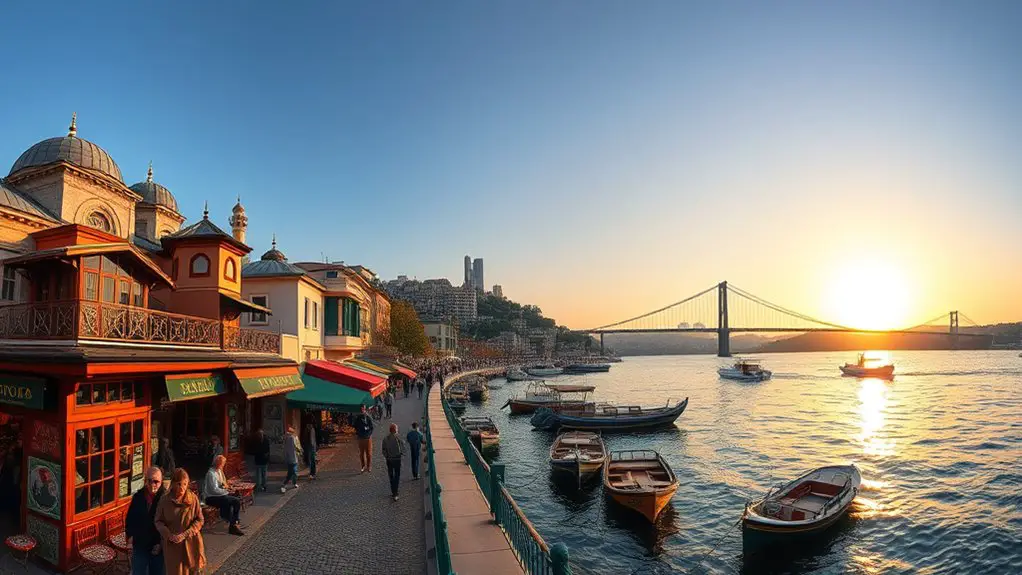
Ortaköy’s cultural importance extends beyond the mosque and waterfront view. The neighborhood has long been associated with several religious communities, each of which left buildings, traditions, schools, and community institutions in the area.
The Beşiktaş Municipality visitor guide highlights Ortaköy Mosque, Etz Ahayim Synagogue, and Surp Krikor Lusarovic Church as a nearby triangle representing three religions. Other churches and Armenian heritage sites in the wider area add further depth to this history.
These landmarks should not be treated merely as picturesque backgrounds. Some remain active religious or community spaces, and entry may require advance permission, identification, security screening, or appropriate dress. Always respect signs and local instructions.
Art and public culture are also part of modern Ortaköy. Galleries, exhibitions, performances, educational programs, and craft stalls appear throughout the year. The Ortaköy Culture Center hosts changing cultural activities, while artist and gift stalls are often associated with streets leading toward the shore.
There is not enough current official evidence to promise a fixed annual “Ortaköy Festival” every summer. Instead, check the latest municipal calendar for confirmed exhibitions, concerts, workshops, and special events during your travel dates.
The mosque may dominate Ortaköy’s skyline, but the neighborhood’s deeper cultural identity comes from the communities that lived, worshipped, worked, and learned beside one another.
The Transformation of Ortaköy Through the Ages
Ortaköy’s transformation took place in layers rather than through one sudden change. Its waterfront location first supported local movement, fishing, small-scale trade, and residential life. Religious buildings and community institutions later gave the area a broader cultural role.
Ottoman Waterfront Development
During the Ottoman period, the Bosphorus became lined with mosques, mansions, palaces, gardens, schools, baths, and waterside homes. Ortaköy’s present mosque is the most visible example, but it is not the only surviving connection to that era.
Nearby heritage includes Çırağan Palace, the Feriye buildings, and a 16th-century Turkish bath attributed to Mimar Sinan. The Beşiktaş Municipality’s Çırağan Palace history describes how the 19th-century palace complex stretched along the Bosphorus and included secondary palace buildings toward Ortaköy.
Modern Urban Growth
As Istanbul expanded, Ortaköy became easier to reach by road and public transport. New apartments, cafés, restaurants, universities, hotels, nightlife venues, and shops joined the historic fabric.
The result is a neighborhood of contrasts:
- The Büyük Mecidiye Mosque stands beside a modern suspension bridge.
- Active religious sites sit near cafés and entertainment venues.
- Historic education and palace buildings share the waterfront with modern businesses.
- Artisan stalls operate alongside established shops and restaurants.
- Local residents, students, worshippers, commuters, and tourists use the same compact streets.
This mixture makes Ortaköy visually appealing, but it also creates congestion. Sidewalks, roads, and the square can become crowded on sunny weekends, holidays, and summer evenings.
Culinary Experiences: A Taste of Ortaköy
Food is one of the main reasons visitors linger in Ortaköy. The neighborhood has waterfront restaurants, cafés, bakeries, dessert shops, tea gardens, and casual stalls, but its strongest street-food association is kumpir.
Iconic Kumpir Delights
Kumpir begins with a large baked potato. The vendor cuts it open and mixes the soft interior with butter, salt, and cheese until it becomes creamy. You then choose toppings from a display.
Common additions may include:
- Olives
- Pickles
- Corn
- Peas
- Carrots
- Russian-style salad
- Sausage or other processed meats
- Yogurt-based salads
- Ketchup, mayonnaise, and other sauces
The final result depends heavily on your choices. A heavily loaded potato can be a full meal rather than a light snack.
Note: Ask about ingredients if you have food allergies or dietary restrictions. Toppings may contain dairy, eggs, gluten, nuts, processed meat, or sauces prepared with allergens.
Street Food Wonders
Simit, the sesame-covered bread ring found throughout Istanbul, is an easy snack to pair with tea. Ortaköy is also well known for waffles topped with fruit, chocolate, nuts, sauces, and sweets.
Depending on the current vendors and restaurants, you may also find gözleme, köfte, pastries, roasted chestnuts, mussels, or fish sandwiches. These foods are part of Istanbul’s wider food culture rather than dishes unique to Ortaköy, and availability can change by season and time of day.
Choose busy, clean-looking vendors, check that hot food is served hot, and avoid uncovered toppings that appear to have been sitting out for a long time.
Modern-Day Ortaköy: A Hub for Locals and Tourists
Modern Ortaköy is not an open-air museum. It remains an active neighborhood where residents, students, workers, worshippers, and visitors move through the same streets.
Vibrant Street Life
The square and waterfront are busiest during good weather. Depending on the day, you may encounter:
- Handmade jewelry, art, accessories, and gift stalls
- Street musicians or small performances
- People photographing the mosque and bridge
- Families and groups eating beside the water
- Ferries and other Bosphorus traffic
- Busy café terraces and restaurant entrances
Weekend stalls are part of Ortaköy’s popular image, but they are not guaranteed to operate in the same number or location every day. The Istanbul Culture and Tourism Directorate describes the streets toward the shore as places where handmade gifts may be sold, including jewelry, knitted goods, and small accessories.
Culinary Delights and Waterfront Dining
Beyond street food, Ortaköy offers Turkish breakfasts, grilled meat, seafood, meze, coffee, tea, cakes, and pastries. Some establishments focus on the view and charge more than similar businesses away from the waterfront.
Check the menu and prices before ordering, especially at restaurants with a prominent Bosphorus view. Recent customer reviews can also help you identify current service quality, because restaurant ownership, menus, and standards can change.
A quieter option is to buy a simple snack or drink and spend time near the square rather than booking a full waterfront meal. Keep public areas clean and use bins provided around the waterfront.
Tips for Exploring Ortaköy: What to See and Do
Ortaköy is compact enough to explore in a few hours, although you can easily extend the visit with a long meal, a Bosphorus ferry journey, or a walk toward Çırağan and Beşiktaş.
Prioritize these experiences:
- View the Büyük Mecidiye Mosque from Ortaköy Square.
- Enter the mosque respectfully if it is open outside prayer time.
- Look for the area’s synagogue and church heritage without disturbing active religious sites.
- Explore the streets behind the waterfront for shops, cafés, and changing craft stalls.
- Try kumpir or another local snack.
- Watch ferries and other vessels pass through the Bosphorus.
- Walk southwest toward the Feriye buildings and Çırağan Palace area if time allows.
How to Get to Ortaköy
From Taksim: Take the F1 funicular to Kabataş, then transfer to an IETT bus traveling through Beşiktaş toward Ortaköy. Direct bus routes from the Taksim area may also operate, but route numbers and stops can change.
From Sultanahmet or the historic peninsula: Take the T1 tram toward Kabataş, then continue by bus. Another option is to reach Eminönü and use a ferry service that lists Ortaköy as a stop.
From the Asian side: Check current Şehir Hatları services from Üsküdar or Kadıköy. Some scheduled Bosphorus routes serve Ortaköy, but not every sailing stops there.
By ferry: Review the live Şehir Hatları Ortaköy timetable before leaving. Do not assume there is a regular direct ferry from Kabataş.
By bus: Use the official IETT route search. Routes serving stops around Ortaköy commonly connect with Kabataş, Beşiktaş, Taksim, and communities farther north along the Bosphorus.
By taxi or rideshare: This can be convenient outside peak traffic. During rush hour or busy weekends, the waterfront road may be slow enough that public transport or walking from Beşiktaş is more predictable.
A Simple Half-Day Route
- Start at Ortaköy Square: Photograph the mosque and bridge before the area becomes crowded.
- Visit the mosque: Enter only when visitor access is allowed and follow worship-site etiquette.
- Explore the side streets: Look for cafés, galleries, shops, craft stalls, and traces of the neighborhood’s religious heritage.
- Stop for food: Try a kumpir, waffle, simit, pastry, or Turkish tea.
- Walk beside the Bosphorus: Watch the water traffic and continue toward Feriye or Çırağan if you have comfortable shoes.
- Leave by ferry or bus: Check the live schedule rather than relying on an old travel guide.
Warning: Travel conditions can change. The U.S. Department of State’s June 9, 2026 advisory lists Türkiye at Level 2 and advises increased caution, especially in crowded tourist sites, markets, transportation hubs, parks, religious locations, and major events. Secure valuables, avoid demonstrations, stay aware of your surroundings, and check the latest official advice before traveling.
Pro Tip: A weekday visit before late morning offers the best chance of lighter crowds. Carry a transit card, check ferry and bus schedules before departure, and allow extra time because Bosphorus road traffic can be unpredictable.
Frequently Asked Questions
What is the best time to visit Ortaköy?
Spring and early autumn usually offer comfortable conditions for walking beside the Bosphorus. Weekday mornings are generally quieter than sunny weekends and summer evenings. Winter can be cold and windy near the water, while summer afternoons may be hot and crowded.
Are there any local festivals in Ortaköy?
Ortaköy hosts changing exhibitions, performances, workshops, municipal programs, and occasional special events. Artist and craft stalls are also associated with the area, especially during busy periods. However, a fixed annual “Ortaköy Festival” should not be assumed. Check the current Beşiktaş Municipality and Ortaköy Culture Center calendars before planning around an event.
How do you get to Ortaköy from central Istanbul?
From Taksim, take the F1 funicular to Kabataş and continue by an IETT bus. From Sultanahmet, take the T1 tram to Kabataş and transfer to a bus, or travel to Eminönü for a ferry that lists Ortaköy as a stop. Official ferry and bus schedules should be checked on the day of travel.
Is Ortaköy safe for tourists?
Many visitors explore Ortaköy without incident, but no busy urban district can be guaranteed safe. Watch for pickpocketing in crowds, secure your phone and wallet, avoid isolated areas late at night, and stay away from demonstrations. Review the latest government travel advisory because security conditions can change.
Are guided tours available in Ortaköy?
Yes. Some Istanbul walking, food, photography, architecture, and Bosphorus tours include Ortaköy. Routes and inclusions vary, so confirm that the mosque or neighborhood is specifically listed. Use a reputable licensed operator and verify meeting points, cancellation terms, accessibility, and entrance arrangements before paying.
Can non-Muslims visit Ortaköy Mosque?
Non-Muslim visitors are generally welcome when the mosque is open outside prayer times. Access may pause for worship, Friday prayers, religious holidays, maintenance, or security reasons. Dress modestly, remove your shoes, remain quiet, and follow all signs and staff instructions.
How long should you spend in Ortaköy?
Allow about two to four hours for the square, mosque, side streets, food, and waterfront. Add more time for a long meal, a guided tour, a ferry journey, or a walk toward the Feriye buildings, Çırağan Palace, or central Beşiktaş.
Conclusion
Ortaköy brings several sides of Istanbul together in one small waterfront neighborhood. The Büyük Mecidiye Mosque provides its famous silhouette, but the deeper story includes religious communities, Ottoman buildings, local commerce, modern cultural venues, street food, and daily life beside the Bosphorus.
A thoughtful visit goes beyond taking one photograph. Allow time to notice the mosque’s details, respect active religious sites, explore the side streets, try a carefully chosen kumpir, and watch the movement of the Bosphorus. Check current transport, event, worship, and safety information before setting out so that the experience matches present conditions rather than an outdated guide.
Sources
- GoTürkiye: Ortaköy — official overview of the neighborhood, mosque, architecture, palace, bath, markets, and waterfront.
- Beşiktaş Municipality: Newcomers Guide — Ortaköy’s multicultural religious heritage and local visitor context.
- Istanbul Provincial Directorate of Culture and Tourism: Ortaköy Giftware — handmade stalls and Ortaköy’s association with kumpir.
- GoTürkiye: Istanbul Street Food — preparation of kumpir and its connection with Ortaköy.
- IETT Route Search, Metro Istanbul, and Şehir Hatları — current bus, rail-transfer, and ferry planning.
- U.S. Department of State: Türkiye Travel Advisory — current safety and security guidance.
