
Last Updated on July 25, 2026 by Daniel Globe
Beşiktaş is more than a former fishing settlement or a busy ferry stop. Set on the European shore of the Bosphorus, the district developed through layers of Byzantine activity, Ottoman maritime life, imperial building projects, neighborhood commerce, and modern urban culture. Its palaces, mosques, museums, markets, parks, and sports traditions reveal how Istanbul expanded beyond its historic peninsula.
Quick Answer
Beşiktaş grew from a sheltered Bosphorus settlement into an important Ottoman maritime and imperial district. Sinan Paşa Mosque, Dolmabahçe Palace, Yıldız Palace, the Naval Museum, and Beşiktaş JK each mark a different stage in its development. Today, the district combines historic landmarks with ferries, markets, universities, parks, cafés, and sports culture.
Key Takeaways
- Beşiktaş’s history includes Byzantine, maritime, religious, imperial, residential, and commercial layers—not only a fishing-village past.
- Sinan Paşa Mosque, completed in 1555, is the historic mosque beside Beşiktaş Square commonly but imprecisely called “Beşiktaş Mosque.”
- Dolmabahçe bay once served as a natural harbor and Ottoman fleet anchorage before the shoreline became an imperial garden and palace complex.
- Dolmabahçe Palace and Yıldız Palace show how Beşiktaş became central to late Ottoman government and court life.
- Modern Beşiktaş is shaped by its ferry connections, neighborhood markets, universities, cultural venues, and Beşiktaş JK.
Disclosure: As an Amazon Associate I earn from qualifying purchases. Some links on this page are affiliate links, at no extra cost to you.
The Origins of Beşiktaş: A Layered Bosphorus Settlement
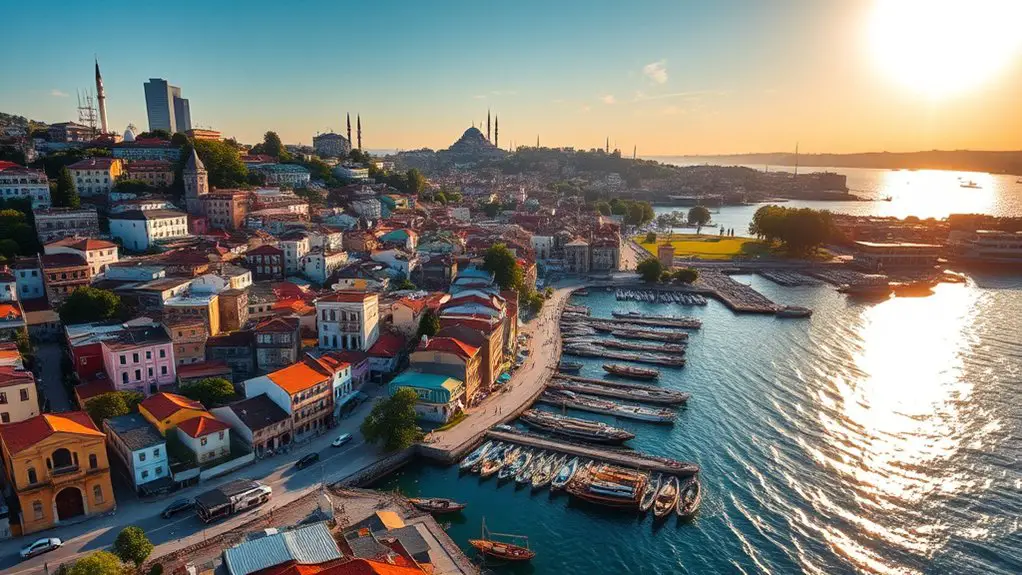
Beşiktaş is often described as an old fishing village, but that description tells only part of the story. Fishing and small waterfront businesses were important, yet the sheltered shoreline also offered places for ships to anchor, people to cross the Bosphorus, and rulers to build gardens, mansions, and palaces.
The area had associations with Byzantine Constantinople before it developed into a more established settlement under Ottoman rule. Historical accounts use the name Diplokionion, meaning “double pillar,” for part of the Byzantine shoreline. Much of the coast stood beyond Constantinople’s main land walls, so early settlements were smaller and more exposed than neighborhoods on the historic peninsula.
Note: The origin of the name “Beşiktaş” remains debated. Popular explanations connect it with a “cradle stone” or a group of mooring stones, but no single story is accepted with complete certainty.
Beşiktaş gained greater importance during the Ottoman period as the Bosphorus became safer for settlement and maritime traffic. Admirals, officials, religious patrons, and members of the imperial household established buildings along the shore. Over time, modest waterfront life existed beside mosques, gardens, mansions, military activity, and royal residences.
Beşiktaş did not change from one simple identity into another. Fishing, naval activity, worship, palace life, trade, transportation, and neighborhood culture developed beside one another.
Beşiktaş History at a Glance
| Period | Development |
|---|---|
| Byzantine era | The shoreline had religious, residential, mooring, and crossing associations outside Constantinople’s principal fortified center. |
| 16th century | Ottoman admirals became closely associated with the area. Sinan Paşa Mosque was completed in 1555. |
| 17th–19th centuries | The former bay at Dolmabahçe was filled and developed as an imperial garden. Waterfront palaces, pavilions, and mansions expanded. |
| 1856 | The Ottoman court began using the newly completed Dolmabahçe Palace. |
| Late 19th century | Yıldız Palace became a major center of court life and imperial administration. |
| 1903 | The organization that became Beşiktaş Jimnastik Kulübü was founded in the district. |
| Republic era | Palaces gained new public and governmental roles while roads, schools, apartments, businesses, and transport links reshaped the district. |
Key Historical Landmarks in Beşiktaş
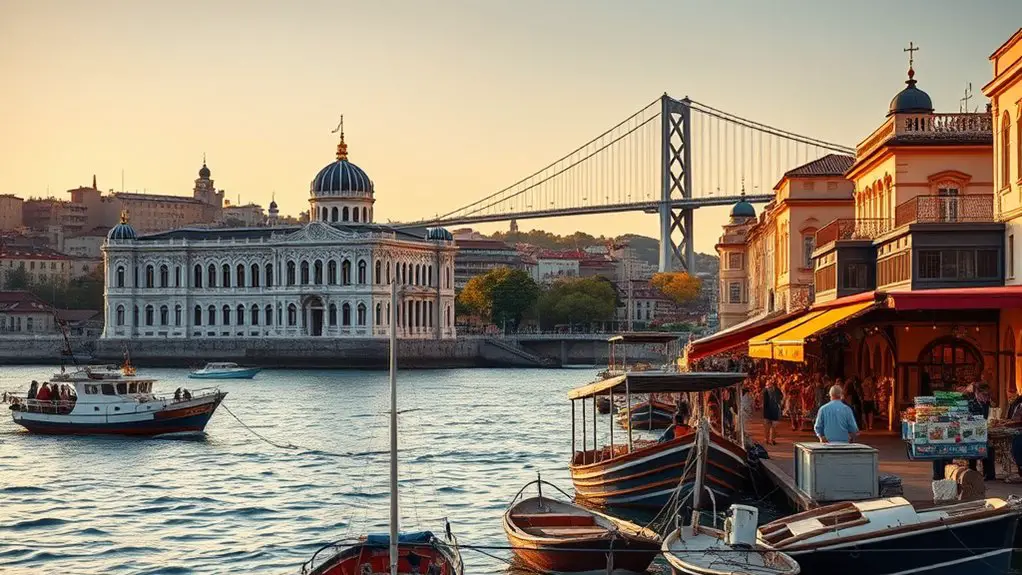
Beşiktaş contains landmarks from several stages of Istanbul’s history. Some stand beside the waterfront, while others are set in the hills, parks, and residential streets behind it. Together, they show the district’s links with Ottoman admirals, sultans, state administration, religious life, and the modern Republic.
Dolmabahçe Palace
Dolmabahçe Palace was constructed during the reign of Sultan Abdülmecid and occupied from 1856. It replaced older waterfront palace buildings and became one of the most important administrative and residential centers of the late Ottoman Empire.
The palace combines a traditional Ottoman arrangement of ceremonial, administrative, and private spaces with Baroque, Rococo, Neoclassical, and other European decorative influences. Its most notable areas include:
- The Grand Ceremonial Hall: The palace’s monumental ceremonial space, known for its scale, formal decoration, and large chandelier.
- The Crystal Staircase: An elaborate staircase using crystal, brass, and richly decorated architectural elements.
- The administrative apartments: Rooms where affairs of state and official meetings were conducted.
- The Harem: The private section used by the sultan and imperial family.
- The waterfront gardens: Formal grounds linking the palace directly with the Bosphorus.
After the founding of the Republic, Mustafa Kemal Atatürk used Dolmabahçe Palace during periods in Istanbul and died there on November 10, 1938. The palace later served as a presidential residence and opened to the public as a palace museum with its historic furnishings in 1984.
Pro Tip: Check the official National Palaces page before visiting. Closure days, ticket categories, opening times, and photography rules can change.
Sinan Paşa Mosque
The mosque beside Beşiktaş Square is properly known as Sinan Paşa Mosque, not simply “Beşiktaş Mosque.” It was commissioned for Ottoman admiral Sinan Paşa, designed by Mimar Sinan, and completed in 1555.
Its location near the waterfront reflects the close relationship between Beşiktaş and Ottoman maritime life. The mosque formed part of a larger complex and continues to serve both worshippers and the surrounding community.
| Feature | Historical significance |
|---|---|
| Completion in 1555 | Places the mosque within the major building period of Mimar Sinan. |
| Naval patron | Connects the religious complex with Beşiktaş’s maritime and admiralty heritage. |
| Waterfront location | Made it a visible landmark for residents, sailors, ferry passengers, and visitors. |
| Continuing community role | The building remains an active place of worship rather than only a historic monument. |
Visitors should dress respectfully, speak quietly, avoid entering during congregational prayer unless attending, and follow any instructions posted at the entrance.
Barbaros Memorial and Istanbul Naval Museum
Across the central waterfront, the tomb and monument of Ottoman admiral Barbaros Hayreddin Paşa reinforce Beşiktaş’s naval identity. Nearby, the Istanbul Naval Museum preserves imperial boats, ship models, weapons, maritime objects, uniforms, and other material connected with Ottoman and Turkish naval history.
The museum gives visitors a more concrete understanding of the maritime history that the original article described only in broad terms. It also explains why the Beşiktaş waterfront became a natural setting for monuments to Ottoman seafarers.
Yıldız Palace and Ihlamur Pavilion
Yıldız Palace occupies elevated land above the Bosphorus. The extensive complex became especially important during the reign of Sultan Abdülhamid II, when it served as a center of imperial residence and administration.
Ihlamur Pavilion, set inland from the waterfront, represents another side of Ottoman court life. Its ceremonial and residential buildings were used for short stays, receptions, and the accommodation of guests. Together, Yıldız and Ihlamur show that Beşiktaş’s imperial history extended well beyond Dolmabahçe Palace.
The Role of Beşiktaş in Ottoman History
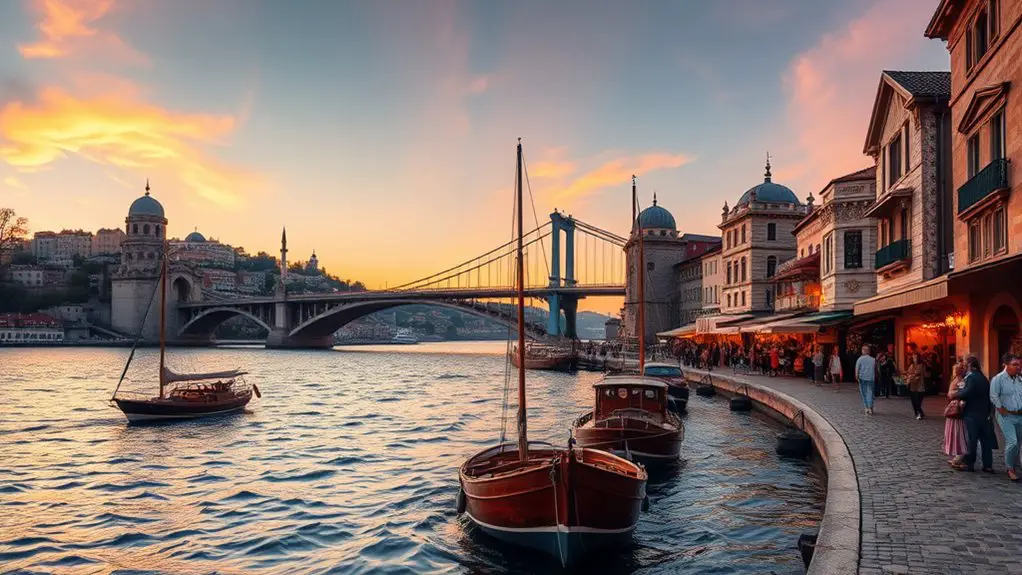
Beşiktaş held an important position on the Bosphorus, but it is more accurate to describe it as an influential maritime and imperial shoreline than as the permanent central headquarters of the Ottoman Navy.
Ottoman Maritime Connections
According to the Presidency of National Palaces, the bay later occupied by Dolmabahçe Palace had served as a natural harbor since antiquity. Ottoman ships anchored there, and naval ceremonies were held in the bay before it was gradually filled and transformed into an imperial garden from the 17th century onward.
Four features explain the district’s maritime significance:
- Fleet anchorage: The sheltered bay offered space for Ottoman vessels and official naval gatherings.
- Prominent admirals: Barbaros Hayreddin Paşa and Sinan Paşa left lasting religious and memorial landmarks in the area.
- Imperial waterfront development: Gardens and palaces replaced parts of the earlier harbor landscape as the court moved closer to the Bosphorus.
- Cross-Bosphorus movement: The shoreline developed as an important departure and arrival point, a role continued by modern ferry services.
This history survives not through one naval headquarters building but through the district’s palace grounds, mosque patronage, admiral’s tomb, monuments, museum collections, and continuing ferry culture.
A Diverse Ottoman District
As Beşiktaş expanded, it became home to court officials, sailors, tradespeople, religious communities, foreign residents, and families connected with Istanbul’s waterfront economy. Different communities established places of worship, schools, homes, workshops, gardens, and businesses across the wider district.
This history is still visible in neighborhoods such as Ortaköy, Arnavutköy, Kuruçeşme, Bebek, and the streets surrounding central Beşiktaş. Mosques, churches, synagogues, palaces, apartment buildings, and waterfront mansions reflect periods when communities lived in close proximity, even as political change repeatedly altered the district’s population.
Food also reflects Istanbul-wide exchange, but dishes should not be presented as belonging only to Beşiktaş. The district’s character comes from the concentration of breakfast shops, fish sellers, bakeries, street-food counters, traditional restaurants, and newer cafés rather than from one exclusive local cuisine.
Beşiktaş During the Republic Era
After the Republic of Türkiye was founded in 1923, Beşiktaş’s imperial buildings took on new roles. Some became museums, government spaces, schools, cultural institutions, or public properties. Others were altered, demolished, or absorbed into modern development.
Dolmabahçe Palace remained nationally important. Mustafa Kemal Atatürk worked and stayed there during visits to Istanbul, and the room where he died in 1938 became one of the palace’s most significant memorial spaces. The palace was used as a presidential residence during İsmet İnönü’s presidency until 1949 and later opened as a palace museum.
Road construction, apartment development, public transportation, educational institutions, and commercial growth gradually linked the waterfront with the neighborhoods above it. Akaretler’s historic row houses, the roads around Barbaros Boulevard, and the expansion toward Levent and Etiler reflect different phases of this urban growth.
Sports also became inseparable from the district’s identity. The organization that became Beşiktaş Jimnastik Kulübü was founded in 1903, before the Republic, but its later development made it one of modern Beşiktaş’s strongest community symbols. Club colors, match-day gatherings, murals, merchandise, and supporter culture remain highly visible around Çarşı and the stadium area.
Modern Beşiktaş grew around inherited Ottoman landmarks rather than replacing them completely, creating a district where palace walls, ferry traffic, apartment streets, universities, markets, and stadium crowds meet.
The Cultural Significance of Beşiktaş Today
Today, Beşiktaş functions as a transport center, residential district, education hub, shopping area, cultural destination, and meeting place. Its atmosphere changes from one neighborhood to another.
- Beşiktaş Square and Çarşı: Busy with ferry passengers, food shops, fish sellers, restaurants, cafés, markets, and Beşiktaş JK supporters.
- Akaretler: Known for historic row houses, galleries, design businesses, restaurants, and shops.
- Yıldız: Home to palace grounds, parkland, university buildings, and quieter residential streets.
- Ortaköy: Popular for its mosque, waterfront, kumpir stalls, cafés, markets, and Bosphorus views.
- Bebek and Arnavutköy: Known for waterfront walking, historic houses, restaurants, and neighborhood cafés.
Beşiktaş also hosts exhibitions, concerts, municipal programs, film events, public art projects, and activities connected with larger Istanbul festivals. These programs change from year to year, so travelers should consult the Beşiktaş Municipality arts and culture listings rather than relying on a fixed list of supposedly annual events.
Pro Tip: Match days can transform the streets around Çarşı and the stadium. Visit on a non-match morning for a calmer historical walk, or arrive early on match day if you want to experience the supporter atmosphere.
Tips for Exploring Beşiktaş
Beşiktaş is easy to reach, but its waterfront, hills, parks, and inland neighborhoods require different transport choices. Planning around your first destination will save time.
- Use ferries for the waterfront: Beşiktaş has direct and connecting ferry services to Asian-side and Bosphorus destinations. Check current routes on the Şehir Hatları timetable.
- Use buses for central connections: Numerous city buses serve the shoreline, Barbaros Boulevard, Ortaköy, Levent, Taksim, and surrounding districts.
- Know where the metro stops: The M7 metro serves Yıldız, uphill from the main waterfront. It is useful for upper Beşiktaş but is not directly beside Beşiktaş Square.
- Use Kabataş for the tram: The T1 tram reaches nearby Kabataş. From there, continue toward Beşiktaş by bus, taxi, or a waterfront walk.
- Wear comfortable shoes: Streets rise steeply behind the Bosphorus, especially toward Yıldız, Akaretler, and inland neighborhoods.
- Check official hours: Palace, pavilion, museum, and ferry schedules can change on Mondays, public holidays, religious holidays, or during special events.
A Half-Day Historical Walking Route
- Begin at Dolmabahçe Palace and allow enough time for the palace sections and gardens.
- Walk northeast along the waterfront toward the Barbaros Hayreddin Paşa monument and tomb.
- Visit the Istanbul Naval Museum to place the district’s maritime history in context.
- Cross toward Sinan Paşa Mosque and observe the active square around it.
- Continue into Beşiktaş Çarşı for lunch, the fish market, bakeries, and neighborhood streets.
- If time and energy allow, take a bus or walk uphill toward Yıldız Park and Yıldız Palace.
Food and Shopping
Beşiktaş is especially popular for Turkish breakfast, döner, köfte, fish, simit, pastries, tea, and casual restaurant meals. Kumpir is most strongly associated with Ortaköy, which lies within the wider Beşiktaş district. Mantı is widely available in Istanbul but is not unique to Beşiktaş.
For shopping, Beşiktaş Çarşı offers everyday retail, produce, fish, clothing, food products, and club merchandise. Akaretler and nearby side streets have more design-oriented stores and galleries. Ortaköy’s market areas are better suited to small gifts, jewelry, accessories, and decorative items, although stall schedules can vary.
Warning: Avoid assuming that normal weekday transport applies during major football matches, demonstrations, road closures, or public celebrations. Follow local instructions and allow extra time around Beşiktaş Square, the stadium, and main ferry piers.
Frequently Asked Questions
What local dishes should I try in Beşiktaş?
Try a Turkish breakfast, simit, börek, döner, köfte, grilled fish, and pastries in central Beşiktaş. Ortaköy is known for kumpir, a baked potato mixed with butter and cheese and finished with a choice of toppings. Mantı and balık ekmek are available, although neither is exclusive to the district.
Are there annual festivals in Beşiktaş?
Beşiktaş hosts municipal festivals, concerts, exhibitions, national-day celebrations, and events connected with larger Istanbul programs. However, names, venues, and schedules change. The Istanbul Jazz Festival and other citywide events have used Beşiktaş venues, but visitors should check current municipal and organizer calendars rather than expect a permanent “Beşiktaş Jazz Festival.”
Where can I find souvenirs in Beşiktaş?
Central Beşiktaş has shops selling Turkish food products, clothing, small gifts, and Beşiktaş JK merchandise. Ortaköy often has stalls and shops offering jewelry, accessories, prints, and decorative items. Akaretler is a better choice for galleries, design stores, and more contemporary shopping.
Is Beşiktaş safe for tourists at night?
Central Beşiktaş is usually busy into the evening, but no urban district can be guaranteed risk-free. Stay on active, well-lit streets, secure phones and wallets in crowds, use licensed transportation, avoid demonstrations, and remain alert around nightlife areas and major events. Review your government’s current Türkiye travel advice before departure.
How do I get to Beşiktaş from other Istanbul districts?
Ferries are often the easiest option from Kadıköy and other Bosphorus locations. Buses connect Beşiktaş with Taksim, Kabataş, Levent, Sarıyer, and nearby districts. The M7 metro reaches Yıldız in upper Beşiktaş, while the T1 tram stops at nearby Kabataş rather than Beşiktaş Square. Check live route information because service patterns can change.
Why is the district called Beşiktaş?
The exact origin of the name is uncertain. Popular theories connect it with a “cradle stone,” religious legends, or stones used near the waterfront. Because the evidence is not conclusive, these explanations are best treated as competing traditions rather than one confirmed origin.
Conclusion
Beşiktaş’s history cannot be reduced to a simple journey from fishing village to modern city district. Its sheltered Bosphorus shore supported maritime activity, religious foundations, imperial gardens, palaces, ferry connections, and neighborhood commerce. Sinan Paşa Mosque, Dolmabahçe Palace, Yıldız Palace, the Naval Museum, and Beşiktaş JK each represent a different stage in that development.
The district remains compelling because these layers are still close together. Within one visit, you can move from an imperial palace to an admiral’s memorial, an active mosque, a crowded market, a football neighborhood, a university area, and a working ferry pier. That mix of historic continuity and everyday urban life is what gives Beşiktaş its distinct place in Istanbul.
Sources
- Beşiktaş Municipality district guide — broad historical, architectural, and cultural context.
- Presidency of National Palaces: Dolmabahçe Palace and Yıldız Palace — palace construction, use, architecture, and Republican history.
- Archnet: Sinan Pasha Cami — the mosque’s identity, location, and architectural record.
- Turkish Museums: Istanbul Naval Museum — museum history and maritime collections.
- Beşiktaş JK official history — the club’s founding and development in the district.
- Metro Istanbul: M7 line, Şehir Hatları ferry timetables, and U.S. Department of State Türkiye Travel Advisory — current transportation and travel-safety guidance.
