

Last Updated on July 29, 2026 by Mason Reed
A camping first aid kit should help you manage minor injuries, protect wounds, support a camper until help arrives, and recognize when an emergency is beyond basic first aid. The right contents depend on your group size, trip length, medical needs, weather, and distance from emergency services. Pack the kit before every tent-camping trip, keep it easy to reach, and make sure at least one person knows how to use it.
Quick Answer
Pack wound-care supplies, nonlatex gloves, gauze, medical tape, blister care, tweezers, a thermometer, an emergency blanket, a first aid guide, and personal medications. Add prescribed epinephrine, child-specific medicines, or remote-trip gear as needed. Store everything in a waterproof, labeled bag and inspect it before every trip.
Key Takeaways
- Build the kit around the number of campers, trip length, known medical conditions, and how quickly professional help could arrive.
- Carry supplies for bleeding, cuts, burns, blisters, sprains, insect bites, tick removal, and heat-related illness.
- Bring prescribed medications in their original containers and follow the labeled storage and dosing instructions.
- Keep critical items visible and organized so you can reach gloves, dressings, and emergency medications within seconds.
- A first aid kit supports emergency care, but training, a trip plan, communication gear, and knowing when to evacuate matter just as much.
At a Glance
| Time Required | About 20–30 minutes to assemble and organize; 5–10 minutes for a pre-trip check |
| Difficulty | Easy, but first aid and CPR training are strongly recommended |
| Tools Needed | Waterproof organizer, labeled pouches, checklist, permanent marker, and the medical supplies listed below |
| Cost | Varies by group size, personal medications, and whether the trip is front-country or remote |
Warning: This guide is for general preparedness, not a substitute for medical advice or hands-on first aid training. Call 911 or activate local emergency services for breathing difficulty, anaphylaxis, life-threatening bleeding, altered mental status, severe burns, suspected spinal injury, or any rapidly worsening condition.
Disclosure: As an Amazon Associate I earn from qualifying purchases. Some links on this page are affiliate links, at no extra cost to you.
Essential Items for Your Camping First Aid Kit

Start with a reliable commercial kit or build your own from a checklist. The American Red Cross camping checklist includes core items such as adhesive bandages, gauze, antiseptic wipes, gloves, medical tape, burn supplies, a thermometer, tweezers, a splint, and an emergency blanket. Adjust quantities for the number of people and the number of days you will be away.
| Category | What to Pack | Why It Matters |
|---|---|---|
| Personal protection | At least two pairs of nonlatex gloves, hand sanitizer, and a CPR breathing barrier | Reduces exposure to blood and body fluids while giving care |
| Minor wound care | Assorted adhesive bandages, sterile gauze pads, nonadherent dressings, roller gauze, medical tape, antiseptic wipes, sterile saline, and antibiotic ointment if tolerated | Helps clean, cover, and protect cuts and scrapes |
| Bleeding and injury support | Large absorbent dressings, elastic wrap, triangular bandage, compact splint, instant cold pack, and a commercial tourniquet if someone is trained to use it | Supports pressure, bandaging, immobilization, and severe-bleeding response |
| Burn and blister care | Sterile nonadherent burn dressings, hydrocolloid blister bandages, moleskin, and a small amount of aloe or burn gel for minor burns after cooling | Protects damaged skin and reduces friction |
| Tools | Fine-tipped tweezers, trauma shears or scissors, safety pins, digital thermometer, small headlamp, and a permanent marker | Helps remove splinters or ticks, cut dressings, check temperature, and document treatment |
| Medicines | Personal prescriptions, prescribed epinephrine, pain reliever, oral antihistamine, hydrocortisone cream, oral rehydration salts, and other medicines approved for your group | Addresses known conditions and common symptoms when used according to the label |
| Information and shelter | First aid guide, emergency contact card, medical and allergy list, pencil, emergency blanket, and evacuation notes | Supports decisions when stress is high or another person must use the kit |
Note: Keep medicines in their original, labeled containers whenever possible. Check allergies, drug interactions, age limits, and dosing directions with a clinician or pharmacist before the trip. Never place loose, unidentified pills in the kit.
Common Injuries and How to Treat Them
Packing supplies is only the first step. Review basic care before leaving home, and make sure every adult knows where the kit and emergency communication device are stored.
A well-stocked kit is useful only when you can recognize what is minor, what needs evacuation, and what requires immediate emergency help.
Cuts, Scrapes, and Bleeding
- Put on nonlatex gloves and expose the injury.
- For active bleeding, apply firm, steady pressure with sterile gauze or a clean dressing.
- Once minor bleeding stops, rinse the wound with clean running water or sterile saline and remove visible dirt with clean tweezers.
- Dry the surrounding skin, apply a thin layer of antibiotic ointment if the person can use it safely, and cover the wound.
- Replace the dressing when it becomes wet, dirty, loose, or at least daily.
Use closure strips only on a small, clean, shallow cut whose edges come together easily. Do not close a deep, gaping, puncture, crush, bite, or heavily contaminated wound in the field. Cover it, control bleeding, and seek medical care. For life-threatening external bleeding, activate emergency services, maintain direct pressure, and use a commercial tourniquet only if trained. The Red Cross severe-bleeding guidance explains the priority of direct pressure and emergency response.
Minor Burns and Campfire Injuries
Move away from the heat source and remove jewelry or loose clothing near the burn unless it is stuck to the skin. Cool the area under clean, cool running water for 5–20 minutes, as recommended in Red Cross burn first aid. After cooling, loosely cover the burn with a sterile nonadherent dressing. Aloe vera gel or burn gel may soothe a small superficial burn after cooling if the skin is intact and the product does not cause irritation.
Warning: Do not put ice, butter, grease, or adhesive dressings directly on a burn. Seek prompt medical evaluation for deep burns, burns larger than the person’s palm, electrical or chemical burns, smoke inhalation, or burns involving the face, hands, feet, genitals, or a major joint.
Sprains, Strains, and Suspected Fractures
Stop the activity and support the injured area in the position found. Apply a cold pack wrapped in a thin cloth for up to 20 minutes at a time. Use an elastic wrap for gentle support only if circulation remains normal, and do not force a deformed limb straight. Evacuate or seek urgent care for severe pain, obvious deformity, numbness, loss of circulation, inability to bear weight, or a possible head, neck, back, hip, or thigh injury.
Insect Bites, Stings, and Ticks
For a mild local reaction, wash the area, use a wrapped cold pack, and consider an oral antihistamine or topical hydrocortisone if it is safe for that person. Watch for trouble breathing, swelling of the face or throat, widespread hives, vomiting, dizziness, or collapse. Those signs may indicate anaphylaxis.
If a person has prescribed epinephrine, help them use it according to the device instructions and call 911 immediately. Do not pack an epinephrine device for general use unless it has been prescribed and the group knows where it is and how to use it.
Remove an attached tick promptly with fine-tipped tweezers. Grasp it close to the skin and pull upward with steady, even pressure. Do not twist, burn, crush, or coat the tick. Clean the bite and hands afterward. The CDC tick-removal guidance also recommends watching for rash, fever, fatigue, headache, or muscle and joint pain after a bite.
Dehydration, Heat Exhaustion, and Heat Stroke
Headache, thirst, heavy sweating, weakness, nausea, and dizziness can signal heat exhaustion. Stop activity, move the person to shade or air conditioning, loosen excess clothing, and cool them with wet cloths, airflow, or cold packs. If they are fully alert and can swallow, offer frequent sips of potable water or a carbohydrate-electrolyte drink. The Red Cross first aid guidelines support oral rehydration for exertional dehydration when the person is not confused, in shock, or unable to swallow.
Warning: Confusion, loss of coordination, seizure, fainting, or altered behavior in a hot environment may indicate heat stroke. Call 911, move the person out of the heat, remove excess clothing, and begin rapid cooling. Do not force fluids into anyone who is confused, vomiting repeatedly, having a seizure, or unable to swallow safely.
Blisters, Splinters, and Eye Irritation
- Hot spots and blisters: Stop friction early. Clean and dry the skin, then apply moleskin or a hydrocolloid blister dressing. Avoid removing intact skin unless trained care requires it.
- Splinters: Clean the area and tweezers, pull the splinter out in the direction it entered, then clean and cover the site.
- Dust or debris in an eye: Do not rub. Flush with clean water or sterile saline. Seek care for ongoing pain, vision changes, chemical exposure, or an embedded object.
Specialized Supplies for Specific Needs
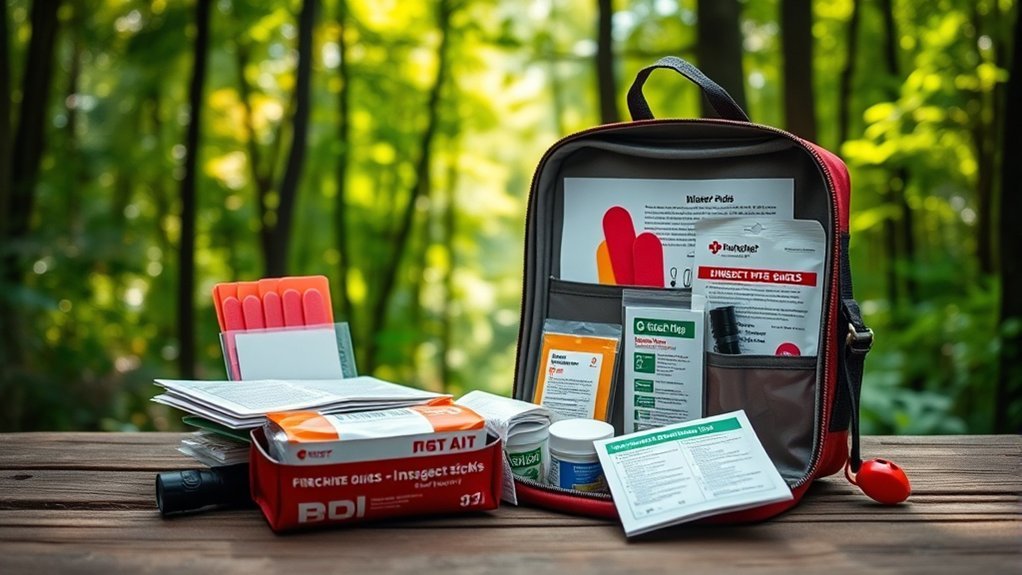
A one-size-fits-all kit is rarely enough. Review each camper’s health needs before the trip and assign responsibility for critical medication.
Allergies, Asthma, and Chronic Conditions
- Pack prescribed epinephrine auto-injectors or nasal spray for anyone at risk of anaphylaxis, and keep them on the person rather than buried in group gear.
- Bring rescue inhalers, glucose, glucagon, insulin, testing supplies, seizure medication, or other emergency medicine only as prescribed.
- Carry a written list of diagnoses, allergies, medications, doses, emergency contacts, and the location of rescue medicines.
- Bring enough daily medication for the full trip plus a reasonable delay, while following refill limits and storage directions.
Child-Specific First Aid Supplies
For children, add pediatric formulations that are appropriate for the child’s age and weight, along with the original dosing device and written instructions. Include child-size bandages, a digital thermometer, oral rehydration solution, and any prescribed rescue medication. A parent or caregiver should verify every medication and dose before departure.
Remote or High-Risk Trips
Backcountry trips may justify extra gauze, a second elastic wrap, a compact splint, an emergency blanket, water-treatment backup, a headlamp, blister supplies, a commercial tourniquet for a trained user, and a satellite communication device. Cold-weather campers may need chemical warmers and an insulated medication pouch, while hot-weather campers should protect temperature-sensitive medicine from direct sun and parked vehicles.
Pro Tip: Put each person’s emergency medications in a clearly labeled pouch and tell the group exactly where that pouch is. For a day hike away from camp, carry a smaller first aid module instead of leaving all supplies in the tent.
Packing and Organizing Your First Aid Kit
A good kit should be waterproof, visible, and easy to open with cold or wet hands. Use a bright outer bag and clear, labeled inner pouches so another camper can find supplies without dumping everything onto the ground.
Essential Supplies Checklist
Use this final packing sequence before closing the bag:
- Count gloves, gauze, dressings, bandages, and tape for the group size.
- Add wound-cleaning supplies, blister care, burn dressings, and an instant cold pack.
- Pack tweezers, scissors, thermometer, safety pins, marker, and headlamp.
- Add personal prescriptions and approved over-the-counter medicines in labeled containers.
- Include a first aid guide, emergency contact card, medical information, and evacuation plan.
- Add an emergency blanket and any trip-specific items.
- Check expiration dates, packaging seals, batteries, and moisture damage.
- Place the completed kit where it can be reached without unpacking the tent or vehicle.
Organizing for Quick Access
- Emergency pouch: Gloves, trauma dressing, gauze, tourniquet if carried, CPR barrier, and prescribed epinephrine.
- Wound pouch: Bandages, saline, antiseptic wipes, ointment, tape, and closure strips.
- Comfort pouch: Blister care, cold pack, hydrocortisone, approved pain relievers, and oral rehydration salts.
- Tools pouch: Tweezers, scissors, thermometer, safety pins, and marker.
- Information sleeve: First aid guide, medical list, emergency contacts, trip plan, and insurance details.
Do not lock the kit or bury it beneath sleeping bags. Keep it dry, but make sure adults can open it quickly. Store medicines out of children’s reach while ensuring responsible adults know how to access them.
Tailoring for Specific Trips
| Trip Condition | Useful Additions |
|---|---|
| Hot or sunny weather | Oral rehydration salts, extra water capacity, sunscreen, cooling cloth, and shade plan |
| Cold or wet weather | Emergency blanket, chemical warmers, extra dry gloves, waterproof medicine protection, and dry dressings |
| Bug-heavy area | EPA-registered insect repellent, fine-tipped tweezers, antihistamine, hydrocortisone, and a daily tick-check plan |
| Long hike or rough terrain | Extra blister care, elastic wrap, compact splint, trauma dressing, headlamp, and evacuation notes |
| Remote campsite | Satellite messenger or registered PLB, backup power, extra medication, water treatment, and wilderness first aid training |
| Children or older adults | Age-appropriate medicine, dosing device, medical summary, mobility support, and added temperature protection |
For insect protection, choose an EPA-registered repellent suitable for mosquitoes, ticks, the user’s age, and the expected protection time. DEET is one option, but EPA-registered products may also use picaridin, IR3535, oil of lemon eucalyptus/PMD, or other approved active ingredients. Always follow the product label.
Maintenance: Keeping Your Kit Ready for Use
Inspect the kit before every camping trip and immediately after it is used. Complete a full inventory at least every six months, or more often if you camp frequently, store the kit in a vehicle, or travel in extreme heat or cold.
- Replace expired medicines and any item with a broken seal, faded label, leak, rust, moisture damage, or loss of adhesion.
- Restock used bandages, gauze, gloves, medications, and batteries as soon as you return.
- Check that scissors, tweezers, zippers, lights, and communication devices still work.
- Update medical lists, emergency contacts, allergy information, and the group’s trip plan.
- Store the kit in a cool, dry location and follow each medicine’s labeled temperature range. Do not leave temperature-sensitive medicine in a hot vehicle or allow it to freeze.
- Keep an inventory card inside the lid and mark the next review date.
The U.S. Food and Drug Administration advises against using expired medicine because safety, strength, quality, and effectiveness are no longer guaranteed. Replace expired products before the trip and use an approved medicine take-back option for disposal when available.
Additional Safety Items to Consider
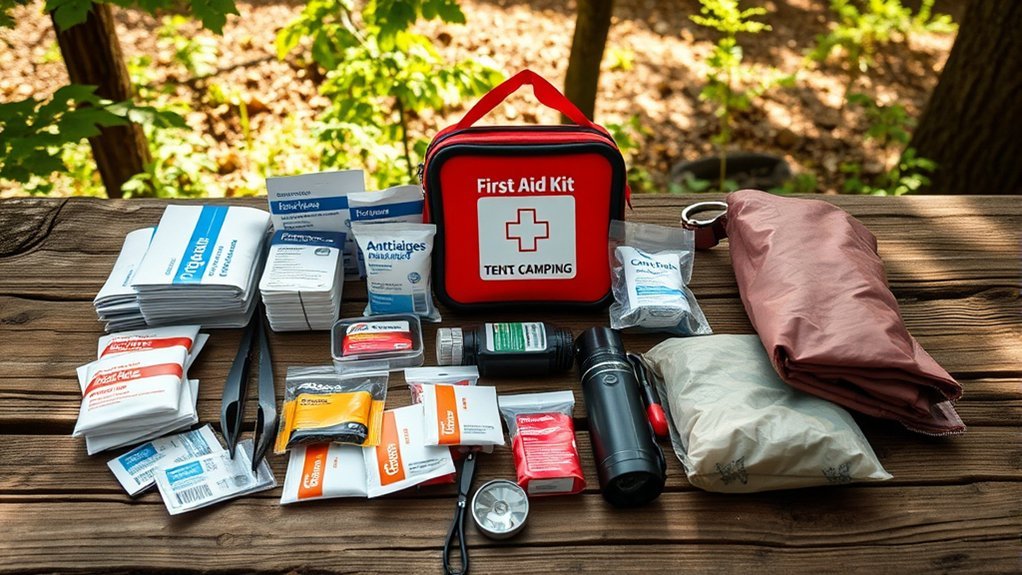
A first aid kit is one part of a larger emergency system. Communication, navigation, shelter, light, water, and fire safety equipment should be packed separately but kept close enough to grab during an evacuation.
Emergency Communication Devices
- Cell phone: Download offline maps, save local emergency numbers, and keep the phone protected from water.
- Power bank or solar charger: Test it before departure and carry the correct cables.
- Two-way radios: Useful for group communication within their practical range, but they do not replace a rescue device.
- Satellite phone or messenger: A satellite phone can provide voice calling, while a messenger may support two-way texts or SOS functions where cellular service is unavailable, depending on the device, sky view, and active subscription.
- Personal locator beacon: A 406 MHz PLB can send a distress alert through the international satellite system. U.S.-coded beacons must be registered with NOAA SARSAT and should be activated only for a grave and imminent emergency.
- Whistle and signal mirror: Lightweight backups for attracting nearby attention.
Note: Leave a trip plan with a trusted person who is not on the trip. Include the campsite, route, vehicle, group members, expected return time, and the point at which they should contact authorities.
Navigation and Mapping Tools
GPS is useful, but batteries fail and screens break. Carry a printed map and compass and know how to use them. The National Park Service Ten Essentials treats navigation, first aid, light, shelter, food, water, insulation, and fire as separate parts of outdoor preparedness.
| Tool | Purpose |
|---|---|
| Compass | Determine direction and orient a paper map |
| Printed trail map | Plan routes, identify terrain, water, roads, exits, and alternate routes |
| GPS device or offline map | Track position and route when the device has power and a clear signal |
| Written trip plan | Helps a trusted contact or rescuers understand where to look |
Fire Safety Equipment
Check current campground rules and fire restrictions before lighting any flame. For car camping, keep water, a bucket, and a shovel ready. A properly selected fire extinguisher may be useful near a vehicle, generator, or cooking setup, but it must match the hazard and be used according to its label. A rated fire blanket may help with a small cooking fire when used exactly as directed. A spark arrestor is relevant only when required and compatible with a stove, chimney, or approved fire system.
- Store matches, a lighter, and fire starter in a waterproof container.
- Use established fire rings where fires are allowed.
- Keep flames away from tents, dry grass, overhanging branches, and fuel containers.
- Never leave a campfire or stove unattended.
- Extinguish a campfire with the “drown, stir, drown, feel” method until every ember is cool. The Smokey Bear campfire guidance warns not to rely on dirt or sand alone.
Resources for First Aid Training and Information
Hands-on training improves your ability to assess an injury, control bleeding, perform CPR, use an AED, assist with prescribed epinephrine, and make evacuation decisions. For front-country camping, a basic first aid/CPR/AED class is a strong starting point. Healthcare professionals and designated responders may also need Basic Life Support (BLS) training. For backcountry travel, consider a wilderness or remote first aid course designed for delayed emergency response.
- American Red Cross First Aid, CPR, and AED classes
- American Red Cross Wilderness and Remote First Aid training
- American Red Cross First Aid App, which offers step-by-step emergency information and can be accessed in English or Spanish
The Red Cross also lists the text keyword “GETFIRST” to 90999 as a way to access its First Aid App. Install and open the app before leaving home so its information is available when cellular service is limited.
Note: An app or manual is a reference, not a replacement for emergency services or practical training. In a life-threatening emergency, activate rescue first and give care within your training.
Frequently Asked Questions
How often should I check and replenish my first aid kit?
Check it before every trip and after every use. Complete a full inventory at least every six months. Replace expired, opened, wet, heat-damaged, frozen, or missing items immediately.
Can I use expired medications in an emergency?
Do not plan to use expired medicine. The FDA states that safety and effectiveness are not guaranteed after the expiration date. Replace expired items before the trip and follow the product label or a pharmacist’s disposal advice.
What items can I substitute if I am low on space?
Choose compact, multi-use supplies without removing critical protection. Antiseptic wipes are lighter than a liquid bottle, trauma shears can replace separate scissors, and a triangular bandage can serve as a sling or wrap. Do not substitute improvised materials for prescribed medication, sterile eye wash, a CPR barrier, or a commercial tourniquet.
Are there specific first aid items for children?
Yes. Pack child-appropriate medicine, the original dosing device, written age- and weight-based instructions, a thermometer, oral rehydration solution, child-size bandages, and any prescribed rescue medication. A caregiver should verify the list and doses before the trip.
How can I securely store my first aid kit while camping?
Use a bright waterproof container with labeled inner pouches. Keep it dry, shaded, and easy for responsible adults to reach, but out of children’s access. Do not leave temperature-sensitive medicine in a hot vehicle or where it may freeze.
Should a camping first aid kit include a tourniquet?
A commercial tourniquet can be valuable for life-threatening limb bleeding, especially when emergency response is delayed. Carry one only if someone in the group has current bleeding-control training and knows how to use that specific device. Never rely on an improvised tourniquet as your primary plan.
How large should a camping first aid kit be?
It should be large enough to cover the group and trip without becoming too heavy to carry. A family at a drive-in campground can use a larger kit, while backpackers may divide supplies between a group kit and small personal modules. Increase quantities for longer trips and delayed rescue.
Where should I keep the kit at the campsite?
Keep it in a consistent, visible location protected from rain, heat, animals, and cooking hazards. Everyone should know the location. Carry a smaller kit whenever the group hikes, paddles, or travels away from the main campsite.
Conclusion
A dependable camping first aid kit combines the right supplies with clear organization, current medications, trip-specific planning, and practical training. Pack for the people and conditions you expect, then add a margin for delays. Keep the kit waterproof and accessible, inspect it before every trip, and carry it whenever you leave the campsite. Most importantly, know the limits of basic first aid and activate professional help early when an injury or illness is severe.
Sources
- American Red Cross — Camping First Aid Kit Checklist — core camping kit contents and preparation items
- American Red Cross — First Aid Guidelines — current evidence-based guidance for burns, dehydration, allergic reactions, and emergency care
- Centers for Disease Control and Prevention — What to Do After a Tick Bite — safe tick removal and symptom monitoring
- U.S. Environmental Protection Agency — Find the Repellent That Is Right for You — EPA-registered repellent selection
- U.S. Food and Drug Administration — Don’t Be Tempted to Use Expired Medicines — expiration-date safety and replacement guidance
- NOAA SARSAT — 406 MHz Emergency Distress Beacons — personal locator beacon purpose and use in remote areas
