Last Updated on September 10, 2026 by Daniel Globe
Fall hiking can mean cool mornings, warm climbs, sudden rain, gusty ridgelines, wet leaves, and near-winter conditions all in the same day. The best approach is to dress in adjustable layers, wear footwear with dependable traction, and carry enough protection for conditions to become colder or wetter than expected.
Quick Answer
For fall hiking, wear a moisture-wicking wool or synthetic base layer, an insulating fleece or lightweight jacket, and a windproof or waterproof shell. Add hiking pants, wool or synthetic socks, grippy footwear, a warm hat, and gloves when needed. Carry extra dry layers, rain protection, a headlamp, navigation, food, water, first aid, and emergency gear.
Key Takeaways
- Use a base layer, insulating mid-layer, and protective shell so you can adjust to changing temperatures and activity levels.
- Choose wool or quick-drying synthetic fabrics instead of cotton when cool, wet conditions are possible.
- Wear hiking footwear with reliable traction because wet leaves can hide slick rocks, roots, mud, and uneven ground.
- Carry rain gear, an extra dry layer, navigation, a headlamp, first aid, food, water, and emergency supplies even on a day hike.
- Check the same-day forecast, current trail conditions, and sunset timing before leaving the trailhead.
Disclosure: As an Amazon Associate I earn from qualifying purchases. Some links on this page are affiliate links, at no extra cost to you.
How to Layer Clothes for Fall Hiking
The foundation of a good fall hiking outfit is a layering system that lets you add or remove insulation as your effort level and the weather change. The National Park Service recommends dressing in layers and choosing wool or synthetic materials over cotton in cold or wet conditions.
Base Layer
Your base layer sits next to your skin and should move perspiration away from your body. Merino wool, polyester, nylon, and other quick-drying synthetics work well. Depending on the temperature, this may be a short-sleeve shirt, long-sleeve hiking top, or thermal base layer.
Avoid relying on a cotton shirt as your main cold-weather base layer. Cotton absorbs moisture and dries slowly, which can leave you chilled when you stop moving or when wind and temperatures increase heat loss.
Mid-Layer
The mid-layer provides insulation. A fleece, wool sweater, synthetic insulated jacket, or lightweight puffy can trap body heat without requiring a heavy winter coat. How much insulation you need depends on the temperature, wind, elevation, pace, and how easily you become cold.
Outer Layer
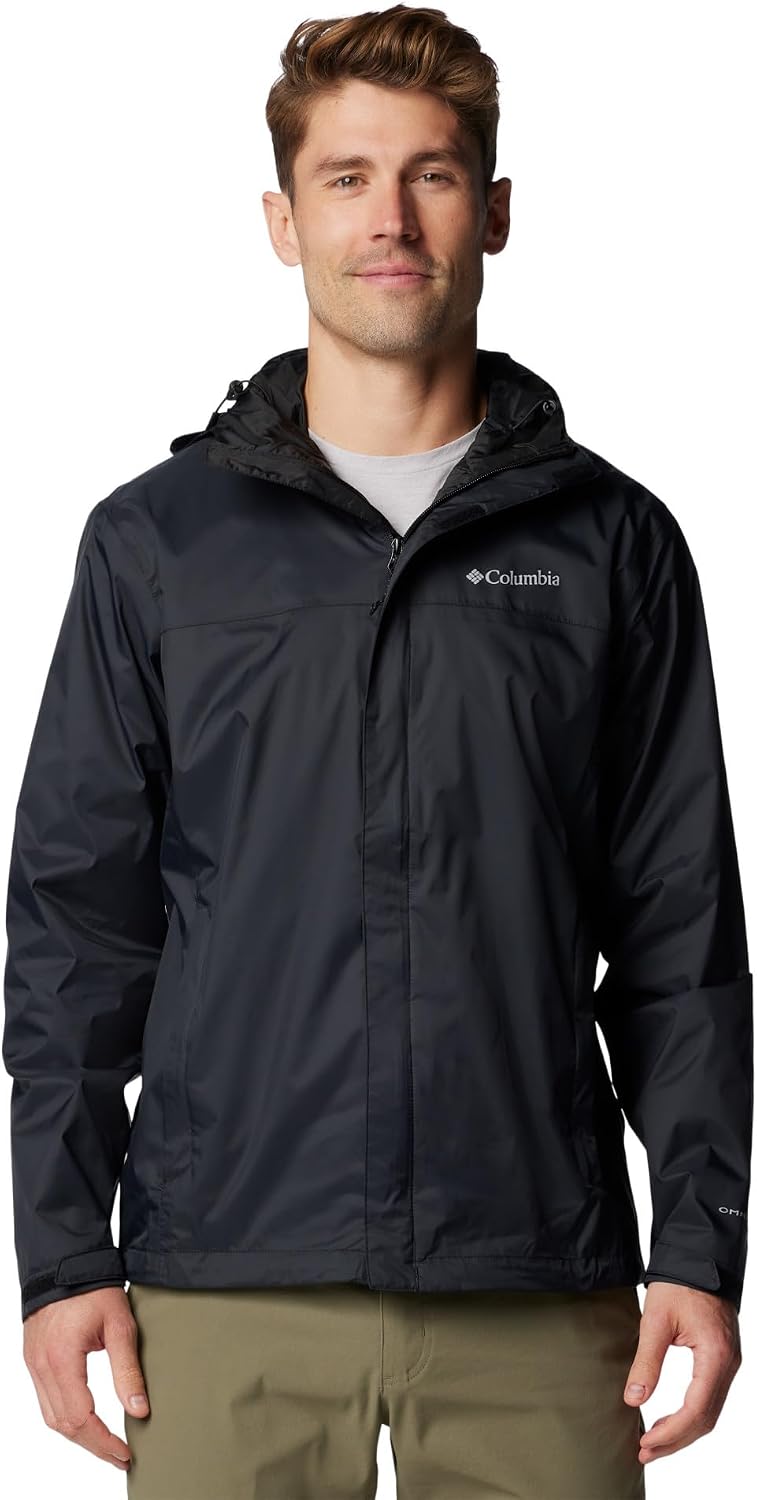
The outer layer protects you from wind and precipitation. For a dry forecast, a lightweight wind-resistant layer may be enough. When rain, sleet, or wet snow is possible, carry a waterproof shell with a hood. Pit zips or other ventilation features can make it easier to release heat while climbing.
Pro Tip: Do not wait until you are soaked with sweat to remove a layer. If you start feeling hot on a climb, vent your shell or remove insulation early. Put the layer back on before a long break or exposed descent.
Check the Weather, Trail Conditions, and Daylight
Fall weather can change quickly, particularly in mountainous areas where elevation affects temperature, wind, precipitation, and the possibility of early-season snow or ice. Check the forecast on the day of your hike rather than relying only on a forecast you saw several days earlier.
The National Park Service hiking-safety guidance also recommends checking current hazards or closures, sharing a trip plan with someone you trust, and preparing for rapidly changing weather.
- Check the expected temperature at the trailhead and at higher elevations.
- Look for rain, strong wind, freezing temperatures, snow, or thunderstorms.
- Review current trail closures, washouts, high-water crossings, and other hazards.
- Know when the sun sets and plan to finish with a safety margin before dark.
- Set a turnaround time so an unexpectedly slow hike does not leave you on the trail after sunset.
- Tell someone where you are hiking and when you expect to return.
Note: A mild forecast at the trailhead does not guarantee the same conditions on an exposed ridge or higher-elevation section of trail. Pack for the coldest and wettest realistic conditions you may encounter.
Footwear Options for Autumn Trails
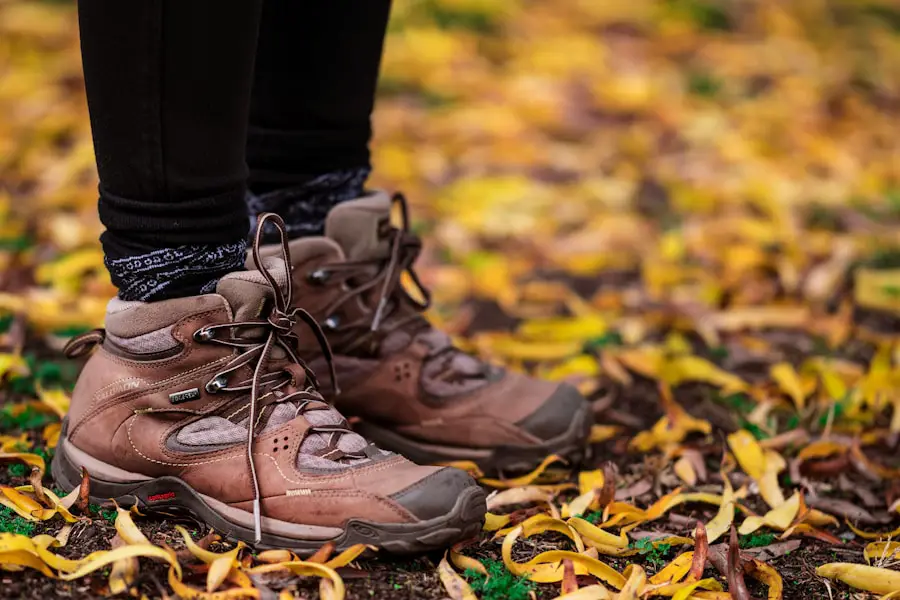
Selecting the right footwear is especially important in fall because trails may be damp, muddy, leaf-covered, or icy at higher elevations. Fallen leaves can hide roots, rocks, holes, and slick surfaces, so tread and secure fit matter more than whether a shoe is marketed specifically for autumn.
Traditional hiking boots are a good option when you want a protective upper, a stiffer platform, or additional ankle coverage. Look for a secure heel fit and a lugged outsole suited to the terrain you expect to hike.
Trail running shoes can work well for hikers who prefer lighter footwear and more flexibility. Choose a model with enough grip for wet dirt, rock, and leaf-covered trails, and make sure your feet do not slide inside the shoes on descents.
Waterproof footwear can be useful when trails are consistently wet, muddy, snowy, or covered with saturated vegetation. In milder conditions, breathable non-waterproof footwear may dry faster after getting wet. There is no single best choice for every fall hike.
Pair your footwear with wool or synthetic hiking socks that provide enough cushioning without making the shoes painfully tight. Carrying a spare pair is useful when rain, stream crossings, or wet vegetation are likely.
Warning: Wet leaves can conceal slippery rocks, roots, mud, and ice. Slow down on descents, use trekking poles when helpful, and turn around if the trail becomes more hazardous than your footwear and experience can safely handle.
Rain and Wind Protection Gear
Fall weather can be unpredictable, with rain showers and gusty wind sometimes arriving faster than expected. Reliable rain and wind protection can keep your insulating layers dry and reduce heat loss.
A waterproof, breathable rain jacket is one of the most useful pieces of fall hiking gear. Look for a hood, adjustable cuffs, protected zippers, and ventilation that lets you release excess heat. Waterproof-breathable membranes can help manage moisture, but no shell eliminates perspiration during hard exercise, so ventilation still matters.
Waterproof rain pants or lightweight overpants are also useful in prolonged rain, wet brush, or cold wind. They can remain packed until conditions deteriorate.
For dry but windy conditions, a lightweight wind shell may provide enough protection while packing smaller than full rain gear. Whatever you choose, make sure your outer layer fits over your base and insulating layers without restricting movement.
Choosing the Right Backpack for Fall Hiking
A well-designed backpack lets you carry water, food, extra clothing, rain protection, and emergency equipment without creating unnecessary discomfort. Capacity should match the trip rather than a fixed rule.
| Backpack Feature | What to Look For |
| Capacity | About 20–30 liters is a common starting range for day hikes. Overnight trips often require roughly 40–50 liters or more depending on shelter, insulation, food, water, and seasonal gear. |
| Weight | Choose the lightest pack that still carries your load comfortably and has the features your trip requires. |
| Material | Durable fabric with suitable water resistance. Use a pack liner, dry bags, or rain cover when prolonged rain is possible. |
| Fit | Adjustable shoulder straps, a supportive back panel, and a hip belt when the load is heavy enough to benefit from one. |
| Compartments | Enough organization to keep frequently used items accessible without adding unnecessary weight. |
| Hydration Compatibility | A hydration-reservoir sleeve, hose port, or accessible bottle pockets can make drinking easier while moving. |
For many day hikes, a 20- to 30-liter pack can hold water, snacks, rain gear, insulation, navigation equipment, and safety supplies. Colder weather or bulky photography gear may require more room. Overnight trips usually need substantially more capacity because you must also carry shelter, sleeping equipment, additional food, and other overnight gear.
Adjust the shoulder straps and hip belt so the load remains stable rather than bouncing with each step. Place dense or heavy items close to your back and near the center of the pack.
A pack rain cover provides useful exterior protection, but wind-driven rain can still reach seams and openings. Keep critical items such as a spare base layer, insulation, electronics, and emergency supplies inside waterproof bags or a pack liner.
Accessories for Comfort and Safety
Trekking poles can improve balance on uneven terrain and provide another point of contact on muddy, rocky, or leaf-covered descents. Adjustable poles are useful because you can change their length for different terrain and pack them away when they are unnecessary.
A headlamp is another essential fall item. Daylight becomes more limited as the season progresses, and an unexpectedly slow pace, wrong turn, injury, or long photography stop can leave you on the trail later than planned. Carry a dedicated headlamp rather than depending on a phone flashlight.
Carry the Ten Essentials
The National Park Service Ten Essentials guidance recommends carrying equipment that can help with sudden weather, minor injuries, and unexpected delays:
- Navigation: map, compass, GPS, or another appropriate navigation system.
- Sun protection: sunglasses, sunscreen, and a hat.
- Insulation: extra clothing appropriate to the conditions.
- Illumination: headlamp or flashlight, ideally with spare power.
- First aid: a kit appropriate to your trip and group.
- Fire: a legal and appropriate emergency fire-starting method where applicable.
- Repair kit and tools: items suited to your equipment and trip.
- Food: enough for the planned hike plus a reserve for delays.
- Hydration: water plus treatment capability when your plan relies on natural water sources.
- Emergency shelter: a lightweight bivy, emergency blanket, tarp, or another option appropriate to the environment.
Fall hikers should also consider gloves, a warm hat, spare socks, trekking poles, and traction equipment when ice or packed snow is expected.
Do Not Forget Food and Water
Cool weather can make thirst less obvious, but hiking still requires hydration. Carry enough water for the route and conditions, and bring a treatment method if you intend to refill from natural sources.
Pack food that is easy to eat without cooking and enough extra energy for an unexpected delay. A longer stop, navigation mistake, weather change, or injury can turn a short outing into a much longer day.
Considerations for Cold Weather Hiking
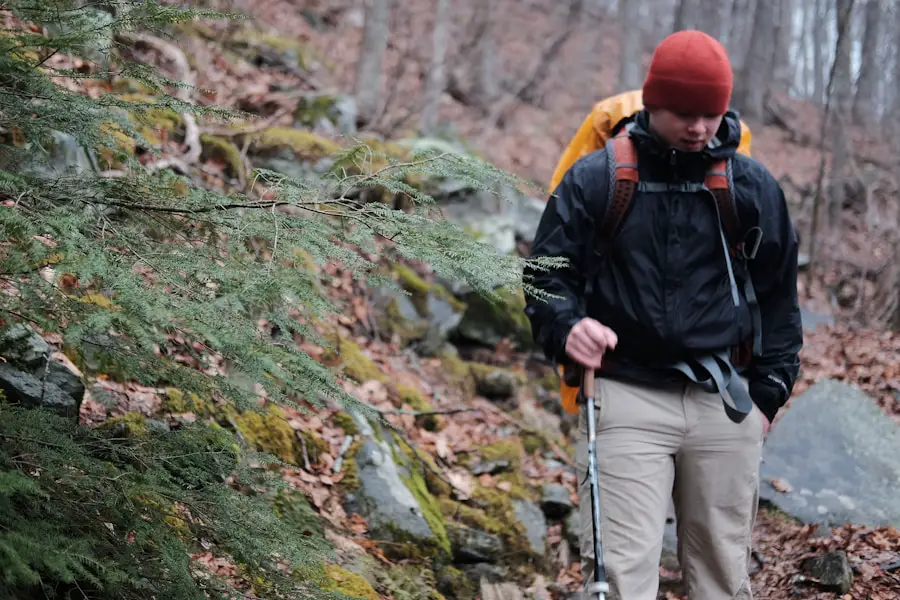
As temperatures drop later in fall, cold exposure becomes a more serious concern. Insulation matters, but staying dry and managing perspiration are just as important. Wear a moisture-wicking base layer, add insulation as needed, and put rain protection on before your inner clothing becomes soaked.
Thermal leggings or long underwear can add warmth beneath hiking pants in colder conditions. Gloves or mittens, a warm hat, and wool or synthetic socks help protect your extremities. Gaiters can keep wet vegetation, mud, light snow, and trail debris from entering the tops of your boots.
According to the CDC’s hypothermia guidance, hypothermia can occur even when temperatures are above 40°F if a person becomes chilled by rain, sweat, or cold water.
Warning: Uncontrolled shivering, exhaustion, confusion, fumbling hands, memory problems, slurred speech, or unusual drowsiness can signal hypothermia. Get the person into shelter, remove wet clothing, begin gentle warming, and seek emergency medical help. Hypothermia is a medical emergency.
Frostbite is primarily a concern when skin and extremities are exposed to sufficiently cold conditions. Numbness, pale or waxy-looking skin, and loss of sensation require prompt attention and medical evaluation.
If conditions are worsening faster than expected, your clothing is saturated, someone cannot stay warm, the trail is icing over, or your remaining daylight is becoming inadequate, turning around early is the safer decision.
Gear for Fall Foliage Photography
Fall hiking creates excellent opportunities for landscape and foliage photography, but camera gear adds weight and should not displace essential safety equipment.
A lightweight tripod can stabilize the camera for slower shutter speeds, especially near sunrise, sunset, in shaded forest, or under overcast skies. Before carrying one, consider whether the photographs you plan to take actually require it.
A circular polarizing filter can be particularly useful around wet foliage. Nikon’s polarizer guidance explains that polarizers can reduce reflections from leaves and increase apparent color saturation. Rotate the filter while viewing the scene because the strength of the effect depends on the angle of the light.
Keep in mind that a polarizer also reduces the amount of light reaching the camera. Nikon notes a loss of roughly 1.5 to 2 stops for its example, so you may need a slower shutter speed, wider aperture, or higher ISO.
A wide-aperture lens can create a shallow depth of field when you want to isolate a leaf, branch, or other detail against a softer background.
Carry a spare charged battery and memory card on longer photography hikes. Sony’s camera-battery guidance notes that battery performance temporarily declines in cold temperatures. Keeping a spare battery protected and relatively warm until needed can help preserve usable operating time.
Tips for Packing and Organizing Your Fall Hiking Gear
Lay out your equipment before loading the backpack. This makes it easier to spot missing essentials and remove duplicate or unnecessary items.
Use dry bags, waterproof stuff sacks, or a pack liner to separate clothing from food, liquids, and damp equipment. Keep at least one insulating layer and a pair of spare socks protected from rain.
Pack heavier equipment close to your back and near the center of your load. Lighter or compressible items can go farther from your back or toward the top.
Keep items you may need quickly in accessible pockets. These may include:
- water;
- snacks;
- rain jacket;
- gloves and hat;
- navigation tools;
- headlamp;
- first-aid supplies;
- phone or emergency communicator.
Trekking poles or an outer layer can be secured to appropriate attachment points when they are not being used. Make sure nothing dangles where it can catch on vegetation.
Pro Tip: Pack your rain shell, gloves, hat, and headlamp where you can reach them without emptying the entire backpack. The equipment you need fastest should not be buried at the bottom.
If you’re planning a fall hiking trip in New Mexico, local seasonal conditions can change what you need to carry. The site’s Best Time to Travel to Santa Fe: A Seasonal Guide can provide additional seasonal context when planning a Santa Fe hiking trip. Regardless of destination, check the local forecast and trail conditions immediately before your hike rather than relying only on general seasonal averages.
Frequently Asked Questions
What should I wear for hiking in the fall?
Wear adjustable layers: a moisture-wicking wool or synthetic base layer, an insulating fleece or lightweight jacket, and a windproof or waterproof shell. Add hiking pants, wool or synthetic socks, grippy footwear, and a hat and gloves when temperatures call for them.
What type of fabric is best for fall hiking clothing?
Merino wool and quick-drying synthetics such as polyester or nylon are good choices. They manage moisture better than cotton in cool, wet conditions. Cotton dries slowly and can leave you chilled after sweating or getting wet.
Should I wear shorts or pants for fall hiking?
Hiking pants are the more versatile choice for cool temperatures, wind, wet vegetation, brush, and changing weather. Shorts can still be comfortable on warm, dry fall hikes, but carry another layer if temperatures are expected to fall.
Do I need to wear a hat for fall hiking?
A hat is useful. A brimmed hat can provide sun protection on mild days, while a warm beanie or similar insulating hat is valuable when temperatures fall. You can carry both when the day’s conditions vary widely.
What type of socks should I wear for fall hiking?
Choose wool or synthetic hiking socks that wick moisture and fit comfortably inside your footwear. Cushioning should match your preference and shoe fit. Avoid socks so thick that they compress your toes or make your boots painfully tight.
Should I bring a backpack for fall hiking?
Yes. Even on a day hike, a backpack gives you room for water, food, extra layers, rain protection, navigation, a headlamp, first aid, and emergency supplies. Choose a capacity that fits the specific hike and weather rather than carrying a larger pack than you need.
Is cotton okay for fall hiking?
Cotton is generally a poor choice when cool or wet conditions are possible because it absorbs moisture and dries slowly. Wool and synthetic layers are more practical for managing sweat and staying warmer if clothing becomes damp.
Can you get hypothermia while hiking in fall?
Yes. Hypothermia is not limited to deep-winter temperatures. The CDC states that it can occur at temperatures above 40°F when a person becomes chilled by rain, sweat, or cold water. Persistent shivering, confusion, fumbling, slurred speech, and unusual exhaustion are warning signs that require immediate action and medical attention.
Sources
- National Park Service — Hiking, Great Smoky Mountains National Park — Ten Essentials, trip preparation, clothing, hydration, and hiking equipment.
- National Park Service — Hiking Safety, Great Smoky Mountains National Park — current conditions, fall leaf hazards, weather planning, headlamps, footwear, and hypothermia prevention.
- National Park Service — Be Winter Ready for Your Adventure — layering, wool and synthetic clothing, rain protection, cold-weather planning, and extra dry clothing.
- Centers for Disease Control and Prevention — Preventing Hypothermia — hypothermia risk, symptoms, and emergency response.
- Nikon — Polarizing Filters Add POW to Pictures — polarizer effects on reflections, foliage color, and exposure.
- Sony — The Battery Drains Quickly — reduced camera-battery performance in cold temperatures.