
Last Updated on September 10, 2026 by Daniel Globe
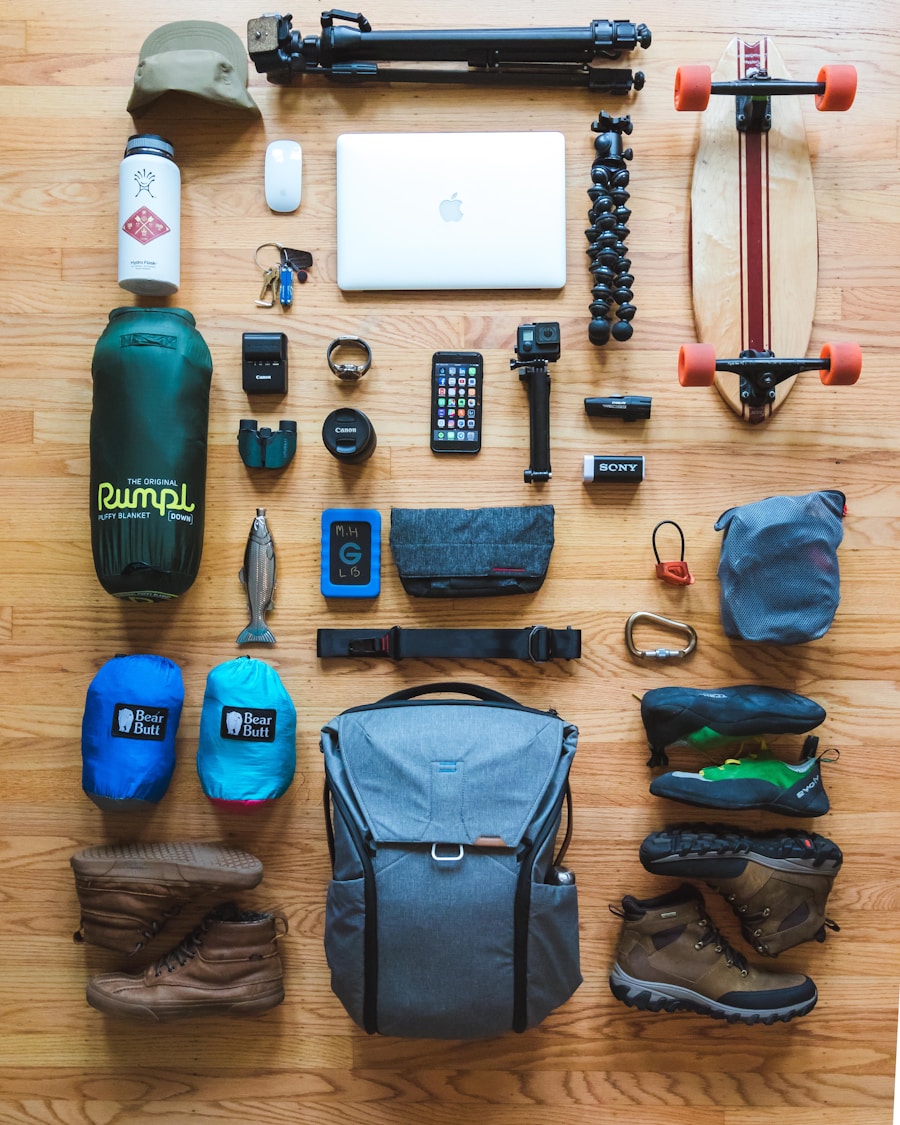
The right hiking gear should do more than make a trail comfortable. It should help you navigate, stay hydrated, handle changing weather, treat minor injuries, and cope with an unexpected delay. Your exact packing list will depend on the terrain, weather, distance, season, and whether you are taking a short day hike or spending several nights in the backcountry.
Quick Answer
Essential hiking gear includes suitable footwear, a properly fitted backpack, weather-appropriate layers, navigation tools, water and treatment supplies, food, sun protection, a headlamp, first aid, emergency shelter, and basic repair and fire-starting gear where permitted. Always adjust the list for the trail, weather, trip length, and local regulations.
Key Takeaways
- Choose footwear for the terrain, pack weight, weather, and your individual fit rather than automatically assuming a heavy boot is best.
- Carry the National Park Service Ten Essentials, even on day hikes where an injury or weather change could delay your return.
- Use a backpack that fits your torso and can comfortably hold your water, food, clothing, emergency equipment, and other essentials.
- Download electronic maps before leaving coverage, but carry an appropriate backup and know how to navigate without a cellular connection.
- Never assume clear-looking stream or lake water is safe to drink. Use an appropriate backcountry treatment method.
- Check weather, trail alerts, local rules, and your planned turnaround time before leaving, and tell someone where you are going and when you expect to return.
Disclosure: As an Amazon Associate I earn from qualifying purchases. Some links on this page are affiliate links, at no extra cost to you.
The 10 Essential Hiking Gear Categories
A useful starting point for almost any hiking packing list is the National Park Service’s Ten Essentials system. It is designed around problems hikers may encounter, rather than a single fixed shopping list.
- Navigation: Map, compass, GPS device, or offline navigation system appropriate for the route.
- Sun protection: Sunglasses, sunscreen, protective clothing, and a hat.
- Insulation: Extra layers suitable for the expected temperature, wind, and precipitation.
- Illumination: A headlamp or flashlight, ideally with spare batteries or another reliable power source.
- First aid: Supplies appropriate for the group, activity, terrain, and distance from medical assistance.
- Fire: Matches, lighter, or another emergency fire-starting method where possession and use are legal and appropriate.
- Repair kit and tools: Items such as a multitool, tape, cord, or repair materials chosen for your equipment.
- Nutrition: Enough food for the planned hike plus some reserve for an unexpected delay.
- Hydration: Water plus treatment supplies when you may need to use natural water sources.
- Emergency shelter: A tarp, bivy, emergency blanket, tent, or another shelter suitable for the conditions.
Think of the Ten Essentials as ten safety systems. What you carry within each category should change with the route, weather, season, group, and remoteness of the hike.
Footwear for Hiking
Footwear is one of the most important parts of your hiking setup. A good pair should fit your feet, provide enough traction for the surface, and match the distance, terrain, weather, and load you expect to carry.
For rugged trails with steep climbs, loose rock, roots, or heavier backpacking loads, supportive hiking or backpacking boots can provide a stiffer platform and more protection. Waterproof models can be useful in sustained wet conditions, though waterproof footwear often feels warmer and may dry more slowly once water gets inside.
For groomed trails, warm conditions, lighter loads, or faster hiking, lightweight hiking shoes and trail-running shoes can provide more flexibility and breathability. There is no single footwear type that is best for every hiker or trail.
Brands such as Merrell and Salomon offer both lightweight and more supportive hiking footwear, but brand reputation matters less than getting the correct fit for your feet.
Pro Tip: Try hiking footwear later in the day, when your feet are more likely to be slightly swollen. Wear the same thickness of hiking sock you plan to use on the trail. Your heel should remain secure, your toes should not hit the front on descents, and the shoe should feel snug without painful pressure.
Moisture-managing wool or synthetic hiking socks can help keep feet more comfortable than slow-drying cotton socks. Break in stiff backpacking boots before a major trip and deal with rubbing or hot spots early rather than waiting for a blister to develop.
Backpacks and Daypacks
A backpack should carry your gear without creating unnecessary pressure on your shoulders, lower back, or hips. Capacity matters, but fit and the equipment you actually need matter just as much.
Small packs of roughly 10 to 20 liters can work for short hikes with limited gear. For many full-day hikes, a pack in roughly the 20- to 35-liter range provides more room for the Ten Essentials, food, water, rain gear, and extra layers.
Useful daypack features include water-bottle pockets or hydration-reservoir compatibility, adjustable shoulder and sternum straps, accessible pockets, a breathable back panel, and a hip belt when the load is heavy enough to benefit from one.
Overnight pack capacity varies with trip length, weather, food requirements, and how compact your gear is. Efficient hikers may use a 30- to 50-liter backpack for short overnight trips, while trips of several days often require 50 to 80 liters or more.
Internal-frame packs dominate modern hiking and backpacking because they keep the load close to the body and can provide good stability. External-frame packs still have uses, particularly when ventilation or carrying unusually shaped loads matters. Whatever style you choose, the pack should match your torso length and sit securely without restricting normal movement.
Osprey and Gregory are well-known pack manufacturers, but correct sizing and fit are more important than choosing a particular brand.
Clothing and Layering
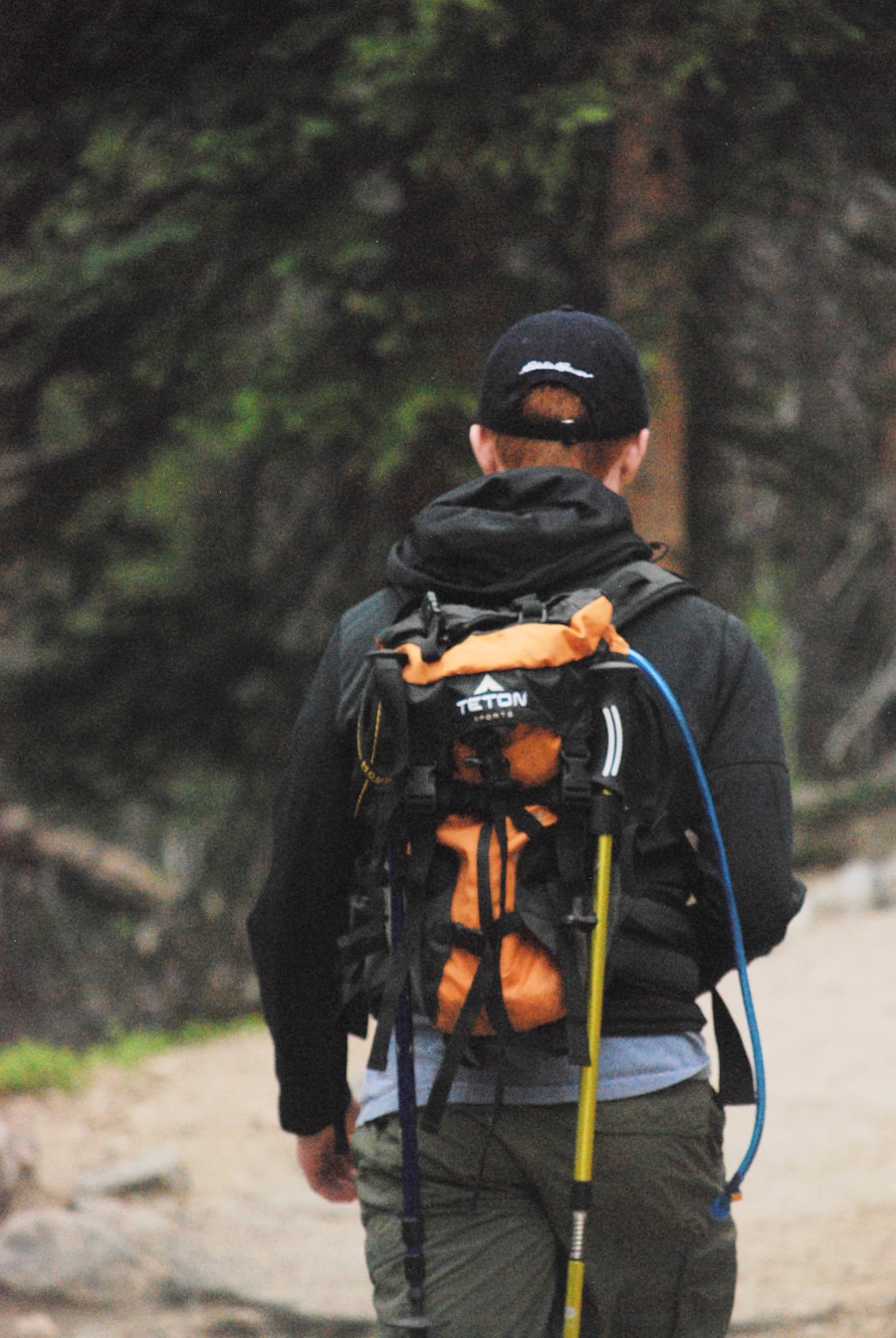
Layering lets you adjust your clothing as temperature, wind, precipitation, and activity level change. Instead of relying on one heavy garment, build a system that can be added to or removed throughout the hike.
Base Layer
A base layer helps move perspiration away from your skin. Merino wool and synthetic fabrics are common choices. Cotton dries slowly, so it is a poor choice when wet clothing could contribute to chilling in cool conditions.
Mid-Layer
The mid-layer provides insulation. Fleece, synthetic insulated jackets, and down garments can all work, depending on temperature and moisture exposure. Down offers excellent warmth for its weight but must be protected from prolonged moisture.
Outer Layer
The outer layer protects you from wind and precipitation. A waterproof, breathable rain shell can provide weather protection while allowing more moisture to escape than a non-breathable raincoat, although no shell eliminates perspiration during hard exertion.
Also pack sun protection appropriate for the environment, including sunscreen, sunglasses, a hat, and protective clothing. High elevations, exposed ridges, snow, and open desert terrain can increase sun exposure.
Before You Start the Hike
Gear cannot compensate for a poor trip plan. Before leaving, check the land manager’s website or another official source for trail closures, permits, fire restrictions, wildlife notices, road conditions, and other current alerts.
- Check the latest weather forecast and expected temperature range.
- Choose a trail that matches the abilities of everyone in the group.
- Know the approximate distance, elevation gain, difficult sections, and likely turnaround time.
- Leave a trip plan with a trusted person who is not on the hike.
- Include your route, trailhead, group members, vehicle information when appropriate, expected return time, and what that person should do if you do not check in.
- Have an alternate route or Plan B if weather, trail conditions, or another hazard makes the original hike unsafe.
The National Park Service Hike Smart guidance also recommends checking park alerts, planning for emergencies, and recognizing that mobile coverage may not be available.
Warning: Do not push toward an exposed summit or ridge simply because you packed rain gear. The National Weather Service advises that there is no completely safe place outdoors when a thunderstorm is in the area. If you hear thunder, leave exposed terrain and seek appropriate shelter as quickly and safely as conditions allow.
Navigation Tools
Electronic navigation is useful, but it should be part of a system rather than your only plan. Choose tools you understand and that are appropriate for the difficulty and remoteness of the route.
| Navigation Tool | Best Use | Main Limitation |
| Topographic map | Route planning, terrain awareness, and battery-free backup | Requires map-reading skill and must cover the correct area |
| Compass | Orienting a map and determining direction without battery power | Useful only when you know how to use it correctly |
| Offline smartphone map | Convenient location checks and route tracking | Battery failure, damage, or missing downloaded map data |
| Dedicated GPS or satellite-capable device | Remote trips where durable navigation or satellite communication may be valuable | Still depends on power and correct operation; communication features vary by device and subscription |
A topographic map shows terrain features such as elevation contours, ridges, valleys, and water features. Learn how to interpret the map and use your compass before relying on those tools in an emergency.
Note: A phone can often determine GPS/GNSS position without cellular service, but you may not have access to online map data or normal calls in remote areas. Download the required maps before leaving coverage, start with a charged battery, and consider airplane mode or other power-saving measures when appropriate.
For remote trips, a power bank can extend phone or GPS runtime. A satellite messenger or personal locator beacon may also be appropriate where normal cellular communication is unreliable, but learn exactly what your device can and cannot do before the trip.
Water and Hydration
Carry enough water for the conditions and have a plan for where additional water can be obtained when the trip is too long to carry the entire supply. Heat, humidity, altitude, pace, individual needs, and water-source availability all affect how much a person may need.
Hydration reservoirs make frequent sipping convenient, while bottles are easier to inspect, refill, and ration. Either system works when it suits the trip and you actually use it.
Do not wait until you are severely thirsty or feeling unwell before paying attention to hydration. The National Park Service includes both water and water-treatment supplies among the Ten Essentials.
Warning: Clear-looking stream, river, spring, or lake water can still contain organisms that cause illness. Do not assume a portable filter or a chemical tablet removes every type of contaminant.
According to the CDC’s backcountry water-treatment guidance, boiling is the most reliable way to kill germs. When boiling is not practical, filtering followed by disinfection can provide broader protection than many filters alone. Follow the exact instructions for your filter, purifier, chemical treatment, or UV device.
The CDC recommends bringing clear water to a rolling boil for one minute, or three minutes above 6,500 feet. Water known or suspected to contain harmful chemicals or toxins cannot necessarily be made safe by ordinary boiling, filtration, or disinfection; use a different water source in that situation.
First Aid Kit
Basic Supplies
Your first-aid kit should reflect the number of people in the group, length of the hike, weather, terrain, remoteness, personal medical needs, and the skills of the people carrying it.
The American Red Cross hiking first-aid checklist includes supplies such as adhesive bandages, antiseptic or cleansing supplies, gauze, medical tape, blister treatment, gloves, tweezers, and appropriate pain-relief medication.
Additional Essentials
Depending on the trip, useful additions can include an elastic wrap, emergency heat-reflective blanket, wound-irrigation supplies, triangular bandage, splinting materials, antihistamine, oral rehydration salts, and personal prescription medications.
Only carry or use medications that are appropriate for the intended person, and follow the product directions and relevant medical advice. A person with a prescribed emergency medication, such as an epinephrine auto-injector, should ensure it is accessible and within its usable date range.
Preparation Is Key
A first-aid kit is much more useful when someone in the group knows how to use it. Basic first aid, CPR, and wilderness first-aid training can improve decision-making when professional medical care is far away.
For a serious injury, severe allergic reaction, breathing problem, major bleeding, loss of consciousness, heat stroke, or other medical emergency, seek emergency assistance as soon as possible. Do not let carrying specialized equipment create a false sense that an injured person can safely continue a trip.
Emergency Light, Repair Gear, and Fire
A delay of only a few hours can turn a daytime hike into travel after sunset. Carry a headlamp or flashlight even when you expect to be back well before dark. A headlamp leaves both hands free for balance, first aid, or handling equipment.
A small repair kit can solve problems that would otherwise end a trip. Depending on your equipment, it might include a multitool or knife, strong repair tape, cord, safety pins, tent or sleeping-pad patches, and spare parts specific to your stove, footwear, or pack.
The Ten Essentials also include a fire-starting system. Matches, a lighter, or another emergency ignition source may be useful in some environments, but fire rules vary greatly.
Note: Check current local fire restrictions before relying on or attempting any open flame. A campfire may be prohibited or unsafe even when carrying fire-starting equipment is sensible for emergency preparedness.
Shelter and Sleeping Gear
For an overnight hiking trip, your shelter must match the weather and environment. Backpacking tents balance weather protection, interior space, durability, and pack weight. Check the tent before departure and know how to pitch it before arriving at camp in darkness, rain, or wind.
Even day hikers should consider some form of lightweight emergency shelter when being stranded outside could become dangerous. A bivy, tarp, emergency blanket, or similar item may provide protection from wind and precipitation during an unplanned delay.
For planned overnight trips, think of your sleeping bag and pad as one sleep system rather than separate comfort items. A sleeping bag’s temperature rating is only part of the equation; clothing, wind, humidity, shelter, the individual sleeper, and the insulation beneath the bag all affect warmth.
Sleeping pads provide both cushioning and insulation from the ground. Higher R-values indicate greater resistance to heat loss. Choose the pad and sleeping-bag rating for the coldest realistic conditions you expect rather than the daytime temperature.
Hammock camping can reduce the need for a conventional tent on suitable trips, but a hammock is not automatically a complete shelter. Depending on conditions, you may still need a rain tarp, insect protection, and insulation underneath you because compressed sleeping-bag insulation provides little protection from cold air beneath the hammock.
Food and Cooking Supplies
Food supplies should match the length and difficulty of the hike. For a day trip, compact foods that can be eaten without cooking reduce complexity. For overnight trips, dehydrated meals and other lightweight foods can reduce pack weight, but make sure your planned menu provides enough total food and does not depend on more water or fuel than you can carry or obtain safely.
A compact backpacking stove can provide controlled heat without building a campfire. Choose the correct fuel for the stove, learn how to operate it before the trip, and follow local fire restrictions and manufacturer instructions.
Lightweight aluminum or titanium cookware can save weight. A spoon, compact utensil, mug, lighter or ignition device, and a small cleaning setup may be all that is needed for a simple backpacking menu.
Keep food and scented items secured according to local wildlife regulations. Some areas require bear-resistant food containers or other specific storage methods. Never feed wild animals or leave scraps at camp.
Wildlife, Insects, and Leave No Trace
Research wildlife concerns for the exact area you are visiting. Safe behavior around bears, snakes, mountain lions, insects, and other animals varies by species and location, so follow the local land manager’s instructions instead of relying on one universal rule.
For tick-prone areas, check yourself and your gear during and after the hike. The CDC recommends measures such as EPA-registered repellents used according to their labels and clothing or gear treated with 0.5% permethrin where appropriate.
The Leave No Trace Seven Principles provide a practical framework for reducing your impact outdoors: plan ahead, use durable surfaces, dispose of waste properly, leave what you find, minimize campfire impacts, respect wildlife, and be considerate of others.
Pack out trash, leftover food, and litter. Use toilets where available. Where local rules allow catholes for solid human waste, Leave No Trace recommends placing them about 200 feet from water, camps, and trails and digging them 6 to 8 inches deep. Some fragile or heavily used environments instead require all human waste to be packed out, so always check site-specific regulations first.
How to Put Your Hiking Gear List Together
Start with the Ten Essentials, then add equipment required by your exact trip. A short maintained trail near town may call for a small daypack and modest equipment, while a remote mountain route can require more insulation, water capacity, navigation redundancy, emergency communication, and shelter.
- Study the route: Check distance, elevation, terrain, closures, permits, hazards, and water availability.
- Check conditions: Review the forecast and any current weather, fire, flooding, or wildlife alerts.
- Pack the Ten Essentials: Adjust each category to the trip instead of treating the list as identical for every hike.
- Test important gear: Wear the footwear, fit the backpack, operate the stove, verify the headlamp, and download electronic maps before departure.
- Check consumables: Confirm food, water, fuel, medications, sunscreen, batteries, and water-treatment supplies.
- Leave your trip plan: Tell a reliable person where you are going and when you expect to return.
- Know when to turn around: Weather, injury, fatigue, route-finding problems, water shortages, or a late schedule are all valid reasons to end the hike early.
Preparing adequately for an outdoor adventure means balancing safety, comfort, weight, and the conditions you actually expect to encounter. Footwear, a fitted backpack, clothing layers, navigation, hydration, first aid, shelter, food, lighting, repair supplies, and emergency planning all contribute to a safer and more enjoyable hike.
For hikers combining trail travel with an RV or travel trailer, the existing guide to 5 Best Travel Trailer Batteries to Power Your Spring Adventures in 2025 provides an older 2025 roundup of trailer-power options. For broader trip planning, see How to Choose the Best Travel Guidebook for Your Next Trip.
Love travel? Join Our Facebook Community For More Tips.
Frequently Asked Questions
What is hiking?
Hiking is recreational walking outdoors, commonly on established trails or backcountry routes. It can range from a short, easy nature walk to a strenuous full-day hike or a multiday backpacking trip.
What do you need for hiking?
Start with suitable footwear and clothing plus the Ten Essentials: navigation, sun protection, insulation, illumination, first aid, fire-starting equipment where appropriate, repair tools, food, hydration and water treatment, and emergency shelter. Adjust those items for the route, weather, season, trip length, and local regulations.
Why is it important to have the right gear for hiking?
Appropriate gear helps you manage ordinary trail demands and unexpected problems. Proper footwear can reduce rubbing and improve traction, layers help you respond to changing weather, and navigation, water, first aid, lighting, and shelter become especially important if you are delayed or injured.
What are some essential items to pack for a day hike?
A day-hike pack should normally include the Ten Essentials, including water, food, navigation, sun protection, extra layers, a headlamp, first aid, emergency shelter, and basic repair supplies. Bring any trip-specific items such as insect repellent, prescribed medications, traction devices, or additional water capacity.
What are some safety tips for hiking?
Choose a route that matches your abilities, check weather and trail alerts, leave a trip plan with someone you trust, carry the Ten Essentials, stay aware of changing conditions, follow local wildlife guidance, and turn around when weather, injury, fatigue, navigation problems, or timing make continuing unsafe.
Should I wear hiking boots or trail-running shoes?
It depends on your feet, terrain, weather, pace, and pack load. Trail-running or lightweight hiking shoes can work well for lighter loads and moderate trails, while stiffer hiking or backpacking boots may provide more protection and structure on rugged terrain or when carrying heavier loads. Proper fit is more important than choosing one category for every hike.
Can I rely on my phone for hiking navigation?
A phone can be an excellent navigation tool when you download the needed maps beforehand and keep the battery charged. However, cellular service may be unavailable, phones can break or run out of power, and online map data may not load without connectivity. Carry an appropriate backup for the difficulty and remoteness of your route.
Is stream water safe to drink while hiking?
Do not assume natural water is safe simply because it looks clear. The CDC recommends treating water of uncertain safety. Boiling is the most reliable method for killing germs, while other trips may use properly selected filters, purifiers, disinfectants, or combinations of treatments according to their instructions.
Sources
- National Park Service — Ten Essentials — core hiking preparedness categories including navigation, hydration, first aid, illumination, repair gear, and emergency shelter.
- National Park Service — Hike Smart — trail planning, trip plans, weather, emergency preparation, communication, and hiking safety.
- Centers for Disease Control and Prevention — Water Treatment When Hiking and Camping — boiling, filtration, disinfection, and treatment limitations.
- American Red Cross — Hiking & Backpacking First Aid Kit Checklist — first-aid kit contents and customization.
- National Weather Service — Lightning Safety — thunderstorm and outdoor lightning safety guidance.
- Leave No Trace — Seven Principles — responsible recreation, wildlife, waste disposal, campfire impact, and trail ethics.
