
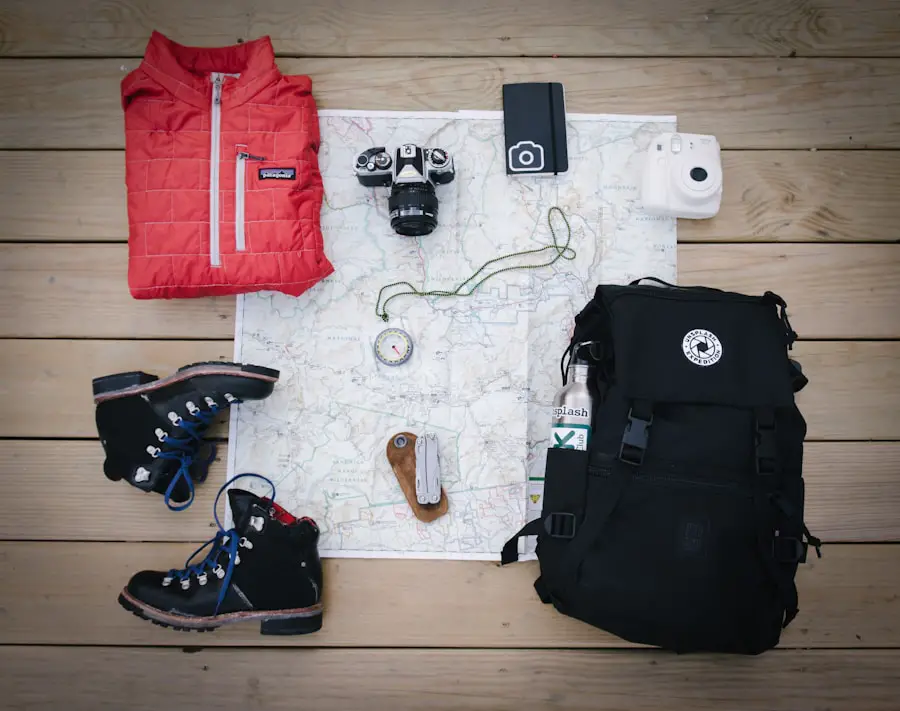
Last Updated on September 10, 2026 by Daniel Globe
Packing for a hike is less about carrying everything you own and more about carrying the right gear for the route, weather, trip length, and distance from help. A short day hike and a multi-day backpacking trip need different pack sizes, but both should cover navigation, weather protection, water, food, first aid, light, emergency gear, and a reliable way to carry it all.
Quick Answer
For most day hikes, use a comfortable pack around 20–35 liters and carry the Ten Essentials, including navigation, extra layers, a headlamp, first aid, food, water, and emergency shelter. Overnight trips also require sleeping gear, shelter, cooking equipment, additional food, water treatment, and a larger backpack sized for the trip.
Key Takeaways
- Choose backpack capacity based on trip length, conditions, and the bulk of your gear—not a single universal size.
- Carry the Ten Essentials even on day hikes so you can handle a wrong turn, injury, weather change, or delayed return.
- Wear moisture-managing layers and footwear suited to the terrain, weather, and load you will carry.
- Plan your water supply before leaving and treat natural water when its safety is uncertain.
- Add a tent, sleeping bag, sleeping pad, cooking equipment, food storage, and extra supplies for overnight trips.
- Check the forecast, trail alerts, permits, fire restrictions, wildlife rules, and your communication plan before leaving the trailhead.
At a Glance
| Time Required | About 15–30 minutes for a basic gear check and packing; longer for multi-day trips |
| Difficulty | Easy for a day hike; moderate planning for overnight or remote routes |
| Tools Needed | Backpack, route information, weather forecast, checklist, and trip-specific gear |
| Cost | $0 if you already own the required gear; otherwise varies widely by equipment and trip |
Disclosure: As an Amazon Associate I earn from qualifying purchases. Some links on this page are affiliate links, at no extra cost to you.
Choose the Right Hiking Backpack
Selecting the appropriate backpack is a critical first step for any outdoor adventure. The best capacity depends on the duration of the hike, expected weather, water requirements, and how bulky your clothing, shelter, and sleeping gear are.
For many day hikes, a pack around 20–35 liters provides enough room for water, food, layers, the Ten Essentials, and a few personal items. Efficient backpackers may use roughly 30–50 liters for a one- to three-night trip, while multi-day trips with more food or bulkier equipment commonly require 50–80 liters. Extended trips, winter conditions, or trips where you must carry extra water can require still more space. These are starting points rather than fixed rules. REI’s backpack sizing guide provides additional trip-length examples.
Fit matters as much as capacity. Backpack size is commonly based on torso length rather than height alone. The hip belt should sit securely around the upper hips, the shoulder harness should wrap the shoulders without large gaps, and properly adjusted load-lifter straps should draw the load toward your body. Osprey’s pack-fitting guidance explains how torso length, hip-belt position, shoulder straps, load lifters, and the sternum strap work together.
Pro Tip: Load the backpack with the gear and water you actually plan to carry, adjust every strap, and walk around for 10–15 minutes before the trip. A pack that feels comfortable when empty can fit very differently when loaded.
Clothing and Footwear Essentials
Outdoor clothing should help you manage moisture, changing temperatures, wind, rain, and sun exposure. A simple layering system works well because you can add or remove clothing as conditions change.
- Base layer: Wear a moisture-managing synthetic or merino-wool layer next to the skin when conditions call for it.
- Mid-layer: Fleece, synthetic insulation, or down can provide warmth depending on the temperature and moisture risk.
- Outer layer: Carry rain and wind protection appropriate for the forecast, even when the trailhead weather looks comfortable.
- Extras: Depending on the season, pack a warm hat, gloves, spare socks, sun hat, or other insulation.
Avoid relying on cotton as your main insulating layer in cold or wet conditions because it can remain wet for a long time. Pack enough clothing to cope with conditions that are reasonably possible on your route, not only the temperature at the trailhead.
Footwear is equally important. Hiking shoes, boots, and trail runners can all be appropriate choices. Match the footwear to the terrain, expected weather, pack weight, and your experience. Look for secure fit, suitable traction, toe protection where needed, and enough room for your toes without excessive heel movement.
Wear new footwear on shorter walks before committing to a long hike. This gives you time to identify pressure points, sock problems, or fit issues before you are miles from the trailhead.
Day-Hike Packing Checklist
A useful starting point is the National Park Service Ten Essentials. The exact gear can be adapted to the trail, but the ten safety systems should be considered even when you expect to return before dark.
- Navigation: Map, compass, GPS device, or offline navigation appropriate for the route. Know how to use your backup.
- Sun protection: Sunglasses, sunscreen, sun-protective clothing, and a hat as conditions require.
- Insulation: Extra layers and rain protection suitable for possible weather changes.
- Illumination: Headlamp or flashlight with adequate battery power.
- First aid: A trip-appropriate first aid kit plus personal medications.
- Fire: A lighter, matches, or another emergency fire-starting option where appropriate and legal.
- Repair kit and tools: A small multi-tool or knife plus gear-specific repair supplies such as tape or patches.
- Extra food: More food than the planned hike strictly requires, especially on remote routes.
- Hydration: Enough water for the route plus treatment equipment if you may depend on natural water.
- Emergency shelter: A lightweight bivy, emergency blanket, tarp, or other shelter appropriate for the environment.
Other useful day-hike items can include identification, required permits, a phone, portable battery, whistle, trekking poles, toilet supplies where appropriate, and any medication or accessibility equipment you depend on.
Pack for the problem you did not plan: a wrong turn, delayed return, sudden weather change, minor injury, or an unexpected night outside.
Navigation Tools and Safety Equipment
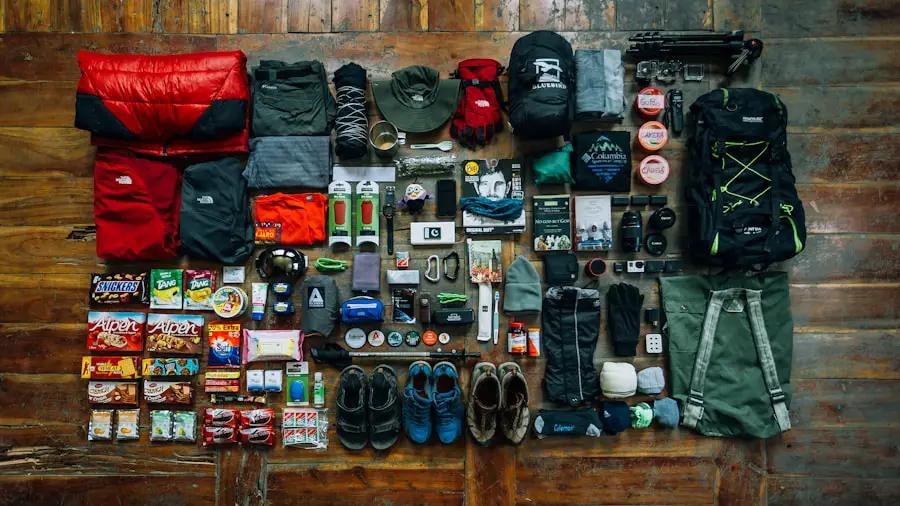
Navigating unfamiliar terrain requires more than simply having a navigation app installed. Check your intended route before leaving, download any maps needed for offline use, and carry an appropriate backup such as a paper topographic map and compass when the consequences of losing your route are significant.
A GPS unit or smartphone can be extremely useful, but batteries fail and many backcountry locations have little or no cellular service. The National Park Service Hike Smart guidance recommends not relying entirely on a cellphone and suggests considering a personal locator beacon or other appropriate emergency communication equipment in remote areas.
Before leaving, give a trusted person who is not on the trip your route, destination, trailhead, party members, expected return time, and instructions for what to do if you do not check in. Also check the latest weather forecast, trail alerts, closures, fire conditions, and other local hazards.
A whistle can help signal for assistance while using far less energy than repeated shouting. A headlamp keeps both hands free after dark and is generally more practical than relying on a phone flashlight. A compact multi-tool or knife can help with minor equipment repairs, while a first aid kit should be matched to the group, duration, and remoteness of the trip.
Warning: A tent, picnic shelter, or other open-sided structure is not safe lightning shelter. If you hear thunder and a substantial building or enclosed hard-topped vehicle is accessible, move to it promptly. Check the forecast before entering exposed terrain. See the National Weather Service lightning guidance.
Hydration and Nutrition
| Planning Factor | Practical Guidance | Why It Matters |
|---|---|---|
| Baseline water | About 1 liter for every 2 hours of hiking can be a useful starting estimate for ordinary conditions. | Needs increase with heat, sun, altitude, exertion, dry air, and long distances between water sources. |
| Hot or strenuous hiking | Carry additional water, drink regularly, pace yourself, and plan opportunities to cool down. | Heavy sweating can rapidly increase fluid and electrolyte losses. |
| Electrolytes | Food is adequate for many ordinary hikes; prolonged heavy sweating may justify an electrolyte-containing drink or food with sodium. | Both water and salts are lost in sweat. |
| Natural water | Treat water from streams, lakes, rivers, and other uncertain sources before drinking. | Clear-looking water can still contain disease-causing organisms. |
| Food | Pack easy-to-eat carbohydrates, fats, protein, and some salty foods suited to the hike. | Regular food supports energy and helps replace nutrients lost during prolonged activity. |
Staying hydrated is crucial during outdoor activity, but there is no universal “eight glasses per day” hiking rule. A current National Park Service guide for Great Smoky Mountains National Park suggests at least 1 liter of water for every two hours of hiking as a baseline. Hot, dry, exposed, high-altitude, or strenuous routes can require more.
Plan your water before the hike. Identify reliable water sources, check whether any are seasonal, and never assume that a blue line on a map guarantees usable water. For routes without reliable sources, you may need to carry the entire supply from the trailhead.
Note: If you are uncertain whether natural water is safe, treat it. The CDC recommends boiling as the best way to kill germs. When boiling is not practical, filtering followed by disinfection provides broader protection than many portable filters alone. Always follow the instructions for your treatment equipment.
Nutrition is equally important for maintaining energy. On day hikes, lightweight foods such as trail mix, sandwiches, dried fruit, nuts, jerky, or energy bars are easy to carry and eat. For longer trips, select meals that provide enough energy without creating unnecessary bulk and account for the fuel and water required for cooking.
Carry some food beyond the exact amount required by your planned itinerary on remote trips. In areas with bears or other food-conditioned wildlife, follow the land manager’s food-storage rules. Some destinations require bear-resistant containers or other specific storage methods. Never keep food or scented items in your sleeping area where prohibited.
Shelter and Sleeping Gear
An overnight or multi-day trip requires shelter and sleeping equipment that match the expected weather. Lightweight backpacking tents are designed to balance packability with weather protection. Consider the tent’s weight, usable space, ventilation, weather resistance, setup method, and whether it is appropriate for the season.
Sleeping bags should be selected for the temperatures you may encounter rather than only the forecast daytime high. Down insulation packs small and offers excellent warmth for its weight, while synthetic insulation can be easier to manage in persistently wet conditions. Protect either type from moisture.
A sleeping pad provides both cushioning and insulation from the ground. Inflatable pads are compact and comfortable but can puncture, while closed-cell foam pads are bulkier but simple and difficult to disable completely.
Emergency shelter is not only overnight equipment. A day hiker who becomes injured, lost, or stranded after dark may need protection from wind, rain, or cold. A compact emergency bivy, space blanket, or tarp can provide useful protection without requiring you to carry a full tent on every day hike.
Personal Care and First Aid
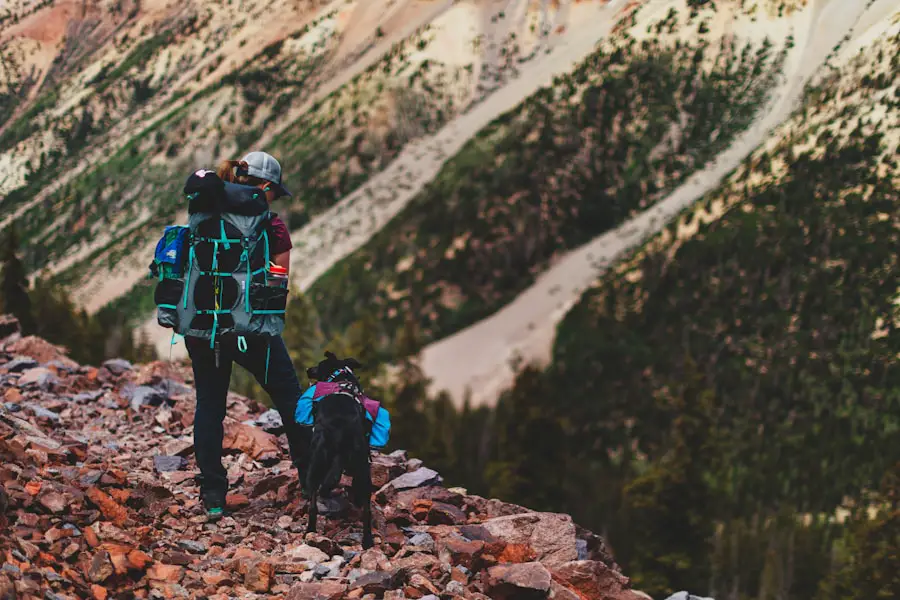
Personal care items may be small, but they can make a major difference in comfort and safety. Pack sunscreen, lip protection, sunglasses, and protective clothing appropriate for your expected sun exposure. Reapply sunscreen according to its label, especially during long, exposed hikes.
Insect protection should match the location and season. DEET is one effective option for mosquitoes and ticks, but it is not the only one. The U.S. Environmental Protection Agency also lists other EPA-registered skin-applied repellent ingredients, including picaridin, IR3535, and oil of lemon eucalyptus/PMD. Follow the product label.
A first aid kit should reflect your group’s needs and the distance from professional help. Common items include adhesive bandages, blister treatment, gauze, medical tape, antiseptic supplies, tweezers, gloves, and personal medications. Pain relievers may be included if they are safe for you to use; follow the label and any medical guidance specific to you.
Hygiene and Waste
Carry hand-cleaning supplies and enough toilet or waste-management equipment for the area. Rules for human waste vary by environment and land manager. Use toilets when provided and follow local instructions for catholes, wag bags, toilet paper, and pack-out requirements. Keep washing and toileting activities away from natural water sources according to local rules.
Miscellaneous Essentials
A fire-starting kit can be useful for emergency signaling, warmth, or cooking where fire use is permitted. Waterproof matches, a lighter, and a compact fire starter take little space. However, carrying fire-starting equipment does not mean you should build a campfire.
Warning: Check current fire restrictions before the trip. Campfires may be banned because of wildfire danger or local regulations. Use a backpacking stove only where and when it is permitted, and know whether the stove itself is affected by a fire restriction.
A compact backpacking stove and cookware are useful for overnight trips when you want hot meals or drinks. Carry enough fuel for the planned meals plus a reasonable margin, and protect your ignition source from moisture.
A portable charger or power bank can extend the battery life of a phone, GPS unit, satellite communicator, or other electronics. It is useful redundancy, but it should not replace non-electronic backups when navigation or emergency communication is critical.
A lightweight tarp can serve as an emergency shelter, rain cover, or protected sitting area. When used as a groundsheet beneath a tent, keep it from extending beyond the tent floor so that it does not funnel rainwater beneath the shelter.
Compact binoculars are optional but can make wildlife viewing and scenic observation more enjoyable while allowing you to keep a respectful distance. A camera is another optional item, but balance recreational extras against the weight you must carry.
A carry-on suitcase with a USB charger can be convenient when traveling to a hiking destination, but it is not trail equipment. Before leaving the trailhead, transfer the equipment you actually need into a properly fitted hiking backpack. Likewise, a high-quality sleeping bag is important for backpacking travel when an overnight stay is planned, but it is unnecessary weight for an ordinary day hike.
Overnight Backpacking Add-Ons
Backpacking combines the day-hike essentials with the equipment required to safely eat, sleep, and remain self-sufficient away from the trailhead. In addition to your day-hike kit, consider the following:
- Backpacking tent, tarp shelter, hammock system, or other appropriate overnight shelter
- Sleeping bag or quilt suitable for expected temperatures
- Sleeping pad
- Stove, fuel, ignition source, cookware, and eating utensils if cooking
- Enough meals and snacks for the trip plus an appropriate reserve
- Water containers and water-treatment equipment
- Required food-storage equipment, including a bear-resistant container where required
- Additional clothing and dry sleeping layers
- Spare socks
- Hygiene and waste-management supplies
- Gear repair supplies
- Permits, reservation information, identification, and any required documentation
- Additional battery capacity for essential electronics
Seasonal and Location-Specific Gear
A generic checklist is only the starting point. Research the destination because terrain, climate, wildlife, elevation, and regulations can change what you need.
- Hot or desert routes: Carry more water, sun protection, and an emergency reserve based on the route’s reliable water availability.
- Cold or winter routes: Add insulation, gloves, head protection, traction or snow equipment where appropriate, and enough gear to survive an unexpected delay.
- Rainy environments: Protect insulation and essential electronics inside waterproof bags or pack liners.
- Bear country: Learn the area’s food-storage requirements and carry bear deterrent only where recommended, permitted, and appropriate.
- High elevation: Expect colder temperatures, stronger exposure, and potentially slower travel than at lower elevations.
- Remote routes: Consider a satellite messenger or personal locator beacon when reliable cell service is unavailable.
Tips for Efficient Packing and Weight Distribution
Efficient packing improves comfort and makes essential gear easier to reach. Start by laying out everything you plan to carry. Remove duplicate gadgets or convenience items that do not justify their weight, but do not lighten the pack by eliminating safety-critical equipment.
- Pack soft, bulky gear low: A sleeping bag or other lightweight compressible item can fill the bottom of an overnight pack.
- Keep dense items close to your back: Food, cooking equipment, and other heavier items generally carry best near the body’s center rather than hanging far away from it.
- Balance the left and right sides: Avoid loading one side with all of your water or other dense equipment.
- Keep frequently used items accessible: Put snacks, navigation, rain gear, sunscreen, water, and first aid where you can reach them without unpacking everything.
- Secure external equipment: Do not allow trekking poles, bottles, or other objects to swing freely or catch on branches.
- Protect critical gear from water: Use dry bags, waterproof stuff sacks, or a pack liner for insulation, electronics, and other equipment that must remain dry.
Compression sacks can reduce the volume of clothing or sleeping gear during travel, but avoid leaving insulated sleeping bags tightly compressed during long-term storage at home.
After packing, put the backpack on and adjust the hip belt, shoulder straps, load lifters, and sternum strap. Walk around, climb stairs if available, and check whether anything shifts, digs into your back, or makes you lean excessively forward or backward.
Final Pre-Hike Check
Before leaving the trailhead, take a few minutes to verify that your plan and equipment still match current conditions.
- Check the latest weather forecast and severe-weather risk.
- Check trail closures, fire restrictions, wildlife notices, and other land-manager alerts.
- Confirm permits, reservations, parking rules, and trailhead access.
- Confirm your route, turnaround time, and expected return.
- Leave your trip plan with a trusted person who is not on the hike.
- Confirm that phones, headlamps, GPS devices, or satellite communicators are charged.
- Check your water supply and verify any planned refill sources.
- Make sure required medications and first aid supplies are present and usable.
- Test critical equipment before entering remote terrain.
Pro Tip: Set a turnaround time before you start hiking. Reaching a summit or viewpoint is optional; returning safely before darkness, dangerous weather, or exhaustion is more important.
Love travel? Join Our Facebook Community
Frequently Asked Questions
What should I pack for a day hike?
Start with the Ten Essentials: navigation, sun protection, insulation, illumination, first aid, fire, repair tools, extra food, water plus treatment where necessary, and emergency shelter. Also carry any personal medications, required permits, identification, a whistle, and trip-specific equipment.
What should I pack for an overnight hike?
Bring the day-hike essentials plus an overnight shelter, sleeping bag or quilt, sleeping pad, additional food, water-treatment equipment, extra clothing, hygiene supplies, food storage, and a stove, fuel, cookware, and utensils if you plan to cook.
How should I pack my backpack for a hike?
Keep dense items close to your back, balance weight between the left and right sides, place lightweight bulky equipment lower in an overnight pack, and keep water, snacks, navigation, rain gear, and other frequently used items easy to reach. Adjust the hip belt and harness after the pack is fully loaded.
What type of backpack should I use for hiking?
Many day hikers are comfortable with roughly 20–35 liters. Efficient one- to three-night backpackers may use around 30–50 liters, while trips lasting several days commonly require 50–80 liters. Winter equipment, large food loads, or carrying extra water can require more capacity. Proper torso and hip-belt fit matters as much as volume.
How much water should I bring hiking?
About 1 liter for every two hours of hiking can be a useful starting estimate in ordinary conditions, but requirements vary substantially. Carry more for hot, dry, exposed, high-altitude, or strenuous routes and plan around reliable refill points. Treat natural water when its safety is uncertain.
Do I need emergency shelter on a day hike?
Yes, some form of lightweight emergency shelter is wise when an injury, wrong turn, sudden weather change, or delayed return could leave you outside longer than planned. It can be a compact bivy, emergency blanket, tarp, or another option suited to the environment rather than a full backpacking tent.
What additional items should I consider packing for a hike?
Useful trip-specific extras include trekking poles, a portable charger, binoculars or a camera, insect repellent, spare socks, blister care, a satellite communicator, additional water, traction devices, and wildlife-safety equipment. Carry an item because the route or conditions justify it, not simply because it appears on a generic gear list.
Sources
- U.S. National Park Service — Ten Essentials — core hiking safety and emergency gear categories.
- U.S. National Park Service — Hike Smart — trip planning, communication, weather, navigation, food, water, and hiking safety.
- Centers for Disease Control and Prevention — Water Treatment While Hiking and Camping — treating uncertain natural water sources.
- U.S. Environmental Protection Agency — Insect Repellents — EPA-registered protection against mosquitoes and ticks.
- National Weather Service — Lightning Safety — thunderstorm planning and safe shelter guidance.
- REI Expert Advice — How to Choose a Backpack — backpack capacity and trip-length guidance.
