
Last Updated on July 27, 2026 by Daniel Globe
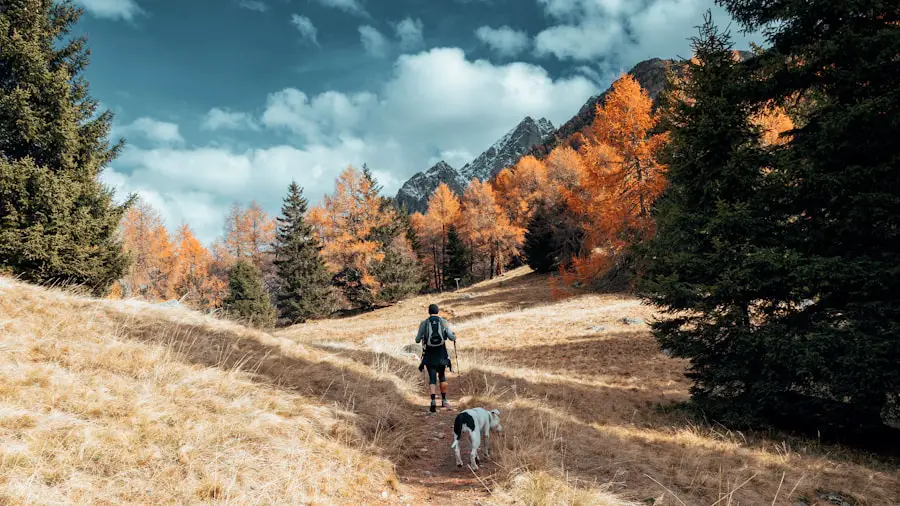
Autumn hiking can feel like two or three seasons in one day. A cool trailhead can turn warm on a climb, then cold again when wind, rain, shade, or sunset arrives. The safest approach is to dress in light, quick-drying layers and carry enough protection for the coldest and wettest conditions you reasonably expect.
Quick Answer
For autumn hiking, wear a moisture-managing wool or synthetic base layer, a light insulating midlayer, quick-drying hiking pants, and trail footwear suited to the terrain. Carry a wind- and rain-resistant shell, plus a warm hat and gloves. Add or remove layers before you become sweaty or chilled.
Key Takeaways
- Build your outfit around removable layers rather than one heavy garment.
- Choose wool or synthetic fabrics for next-to-skin layers; avoid relying on cotton in cool, wet conditions.
- Match boots or trail shoes to the terrain, expected moisture, and the fit that works for your feet.
- Carry rain protection, a hat, gloves, sun protection, a headlamp, and basic emergency gear even on a day hike.
- Check the forecast, trail conditions, and sunset time before leaving, then adjust your clothing for wind, elevation, and effort.
- Use bright clothing where visibility matters, especially near roads, during low light, or where local trail guidance recommends it.
Disclosure: As an Amazon Associate I earn from qualifying purchases. Some links on this page are affiliate links, at no extra cost to you.
How to Layer for Autumn Hiking
Layering is the core of a good fall hiking outfit because it lets you respond to changing temperature, wind, precipitation, and activity level. The National Park Service Ten Essentials recommends carrying extra clothing such as a jacket, hat, gloves, rain shell, and other layers for sudden weather changes.
Base layer: manage moisture
Your base layer sits next to your skin. Choose merino wool or a synthetic fabric such as polyester or polypropylene that handles moisture better than cotton. In cool, wet weather, cotton can stay damp and lose insulating value. The National Park Service specifically recommends wool or synthetic clothing over cotton in cold and wet conditions.
Midlayer: hold warmth
A fleece, wool layer, or lightweight insulated jacket can serve as your midlayer. The right thickness depends on the forecast, your pace, elevation, wind, and how warm or cold you normally run. A midlayer should be easy to remove before a hard climb and easy to put back on during breaks.
Outer layer: block wind and rain
Your outer shell protects the layers beneath it from wind and precipitation. A breathable rain shell is useful when rain is possible, while a lighter wind shell may be more comfortable in dry, breezy conditions. Waterproof-breathable fabrics, including Gore-Tex and similar membranes, can help keep outside moisture out while allowing some water vapor to escape, but no shell prevents sweat buildup during hard exertion.
Pro Tip: Adjust layers early. If you wait until you are sweating heavily or shivering, it takes longer to get comfortable again. Vent or remove a layer on climbs, then add insulation before long breaks or exposed ridges.
Check Weather, Elevation, and Daylight Before You Dress
There is no single autumn hiking outfit that works everywhere. Before you leave, check the local forecast and any park or trail alerts. Consider the temperature at the trailhead and at higher elevations, expected wind, rain or snow, and how exposed the route is. Conditions can be colder and windier on ridges than in sheltered valleys.
Also check the sunset time and give yourself a turnaround time. Autumn days get shorter, and terrain can become dark before the official sunset. The National Park Service advises carrying a headlamp for fall trips in places where daylight can change quickly.
Note: Treat clothing charts and temperature ranges as starting points, not rules. Wind, rain, humidity, elevation, pace, body size, and personal cold tolerance can change how much insulation you need.
Choosing the Right Footwear
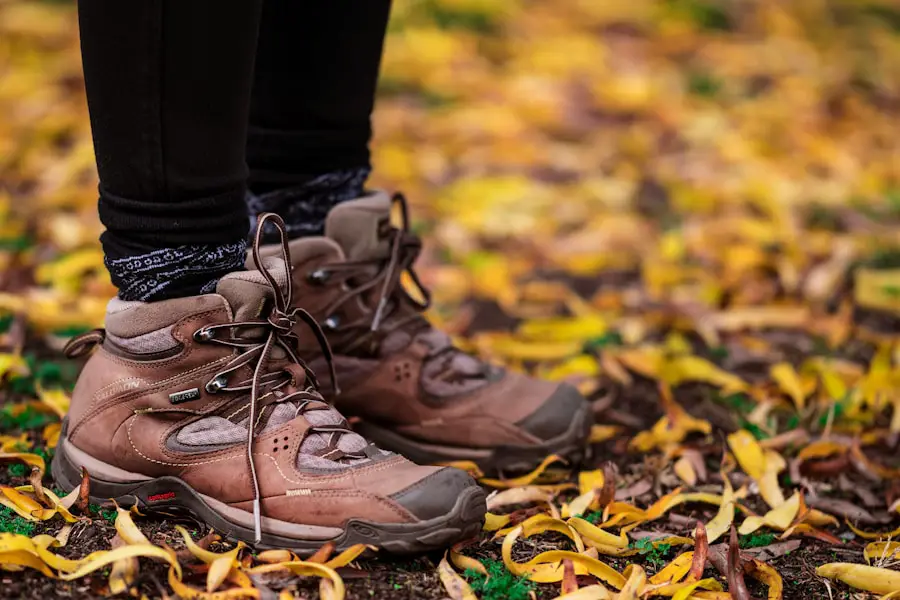
Footwear has a major effect on comfort and traction, but the best choice depends on the trail. Rugged, rocky, muddy, or off-trail terrain may justify sturdy hiking boots with protective uppers and aggressive tread. Well-maintained trails in mild, dry weather may be comfortable in lighter hiking shoes or trail runners.
Waterproof footwear can be useful in cold rain, mud, shallow puddles, or wet vegetation, but it is not automatically best for every fall hike. Waterproof membranes can feel warmer and may dry slowly if water gets inside. In dry conditions, breathable non-waterproof footwear may be more comfortable.
Fit matters more than the label on the shoe. Your heel should feel secure, your toes should have room to move without striking the front on descents, and the shoe should not create pressure points. Try hiking footwear with the socks you plan to wear and test it before a long trip.
Choose hiking socks that dry well
Wear wool or synthetic hiking socks rather than cotton socks in cool or wet weather. Carrying one spare dry pair can be useful if your feet get soaked. Avoid adding extra-thick socks if they make your shoes too tight, because reduced toe room can create pressure and friction.
Protecting Your Head and Hands
A hat and gloves are small, light items that can make a large comfort difference when wind or temperature drops. For chilly weather, pack a beanie or other warm hat plus gloves or mittens. If you need to use trekking poles, a phone, or camera controls, choose gloves that give you enough dexterity.
On sunny days, a brimmed hat can shade your face, ears, and neck. The CDC advises year-round sun protection, including protective clothing, a hat, sunglasses that block UVA and UVB rays, and broad-spectrum sunscreen. Polarized lenses can reduce glare, but polarization alone does not tell you how much UV protection a lens provides.
Packing the Right Accessories
Autumn Hiking Outfit at a Glance
| Next to skin | Wool or synthetic base layer and hiking socks |
| Warmth | Fleece, wool midlayer, or packable insulated layer |
| Weather protection | Rain shell; rain pants when sustained rain, wet brush, or cold wind is likely |
| Lower body | Quick-drying hiking pants or suitable shorts for mild conditions |
| Footwear | Hiking shoes or boots matched to terrain, moisture, and fit |
| Small accessories | Warm hat, gloves, neck gaiter or buff, sunglasses, sunscreen, and spare socks |
Useful fall-hiking accessories include sunglasses, sunscreen, a neck gaiter or buff, a warm hat, gloves, and spare socks. Trekking poles can add balance on uneven, muddy, or leaf-covered terrain, especially on descents, but they are optional rather than a requirement.
Do not let clothing replace basic hiking safety gear. The National Park Service recommends the Ten Essentials: navigation, sun protection, extra clothing, illumination, first aid, fire, repair tools, extra food, hydration, and emergency shelter. Your exact kit should reflect the route, trip length, remoteness, weather, and local rules.
The National Park Service recommends packing extra clothing for the most extreme conditions you could reasonably encounter, not just dressing for the temperature at the trailhead.
Considering Waterproof Gear
Fall weather can change quickly, so rain protection is worth planning for. A waterproof or highly water-resistant shell with a hood helps protect your insulating layers from rain and wind. Features such as pit zips, adjustable cuffs, and a hem drawcord can help you vent heat or seal out weather.
Rain pants are most useful in sustained rain, cold wind, wet brush, or very muddy conditions. They are weather barriers, not necessarily insulation. Lightweight models can stay packed until needed.
For cold and wet hikes, keeping at least one insulating layer dry is especially important. Store spare clothing in a waterproof pack liner or sealed dry bag rather than relying only on a backpack’s outer fabric or rain cover.
Warning: Cold, wet, and windy conditions can lead to hypothermia even outside deep winter. Persistent shivering, clumsiness, weakness, or confusion are warning signs. Get the person out of the cold and wet, replace wet clothing with dry layers, and seek emergency help for severe or worsening symptoms. See the National Park Service hypothermia guidance.
Selecting the Right Bottoms
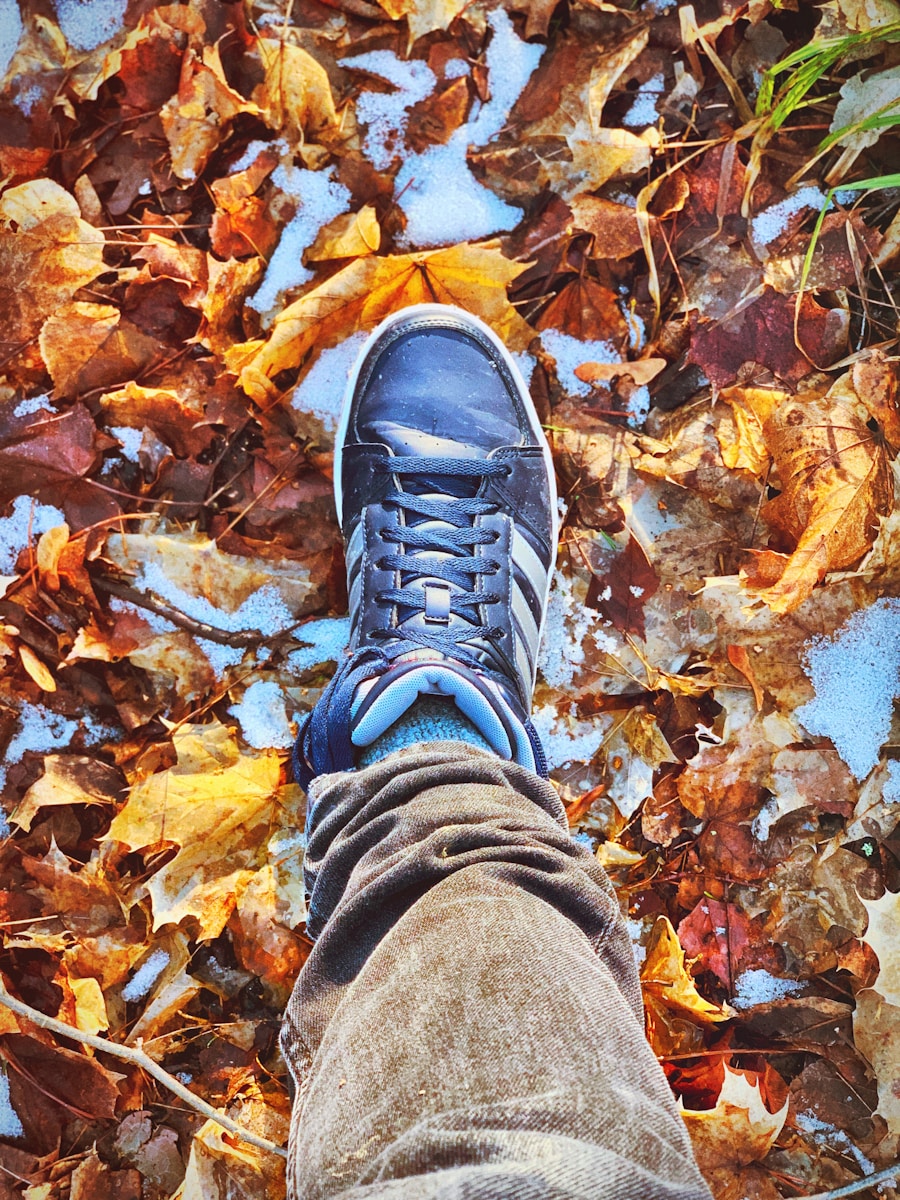
Choose hiking pants or shorts based on the weather, trail surface, and your expected effort. Quick-drying nylon or polyester hiking pants are versatile for cool mornings, brush, mud, and changing conditions. Stretch fabric can make climbing and stepping over obstacles more comfortable.
In milder weather, lightweight shorts can work if the trail and local conditions make exposed legs practical. Convertible pants offer another option when the day is expected to warm up. In colder weather, add a wool or synthetic base layer under your hiking pants instead of depending on heavy cotton pants or jeans.
Look for a fit that allows a full stride and does not bind at the knees or hips. Useful features can include secure pockets, an adjustable waistband, and ankle openings that fit over or around your footwear.
What Not to Wear on a Cool, Wet Fall Hike
Avoid building your outfit around cotton when cold rain, wind, or low temperatures are possible. Cotton absorbs moisture and can stay wet for a long time, which makes it a poor insulating choice in cold conditions. The National Park Service recommends wool or synthetic layers for cold, wet environments.
- Heavy cotton jeans or sweatshirts: They can become heavy and slow to dry when wet.
- Untested footwear: New or unfamiliar shoes can create pressure points on a long hike.
- One oversized warm layer with no backup: Several lighter layers are easier to regulate as your effort and the weather change.
- Rain gear with no ventilation strategy: Waterproof clothing can trap heat and sweat during hard climbs, so slow down, vent, or remove layers when conditions allow.
Bringing Along a Backpack
A backpack keeps spare layers, water, food, and safety gear together while leaving your hands free. A small daypack is usually enough for a short hike, while longer or more remote trips require more capacity. Choose a pack that fits your torso and lets you secure the load without painful pressure on your shoulders.
Organize the items you may need quickly—rain shell, gloves, headlamp, map, snacks, and water—where you can reach them without unpacking everything. A hydration reservoir or bottle pockets can make drinking easier while moving.
The Great Smoky Mountains National Park hiking guidance, updated April 27, 2026, lists navigation, sun protection, insulation, illumination, first aid, fire, repair tools, food, hydration, and emergency shelter among the essentials to carry.
Dressing for Safety and Visibility
Visibility matters most when you may encounter traffic, cyclists, hunters, search-and-rescue crews, or low-light conditions. Bright outer layers can make you easier to see. Reflective details are especially useful near roads or when hiking before sunrise or after sunset.
Check local trail notices and hunting-season rules where applicable. A bright hat, vest, or shell may be a sensible choice in areas where hunters and hikers share public land. Also carry a headlamp rather than depending on a phone flashlight; the National Park Service includes illumination among its Ten Essentials.
Leaf-covered trails can hide roots, rocks, mud, and small holes. Slow down on steep descents, use footwear with appropriate tread, and consider trekking poles if they improve your balance. Early-season ice or snow can require traction equipment and skills beyond a normal fall hiking kit.
Sun Protection Still Matters in Autumn
Cool temperatures do not eliminate ultraviolet exposure. The CDC notes that UV rays can reach you on cloudy and cool days. Wear sunglasses that block UVA and UVB rays, use a hat or protective clothing, and apply broad-spectrum sunscreen to exposed skin as appropriate for your conditions.
How to Adjust Your Outfit for Common Fall Conditions
| Mild and dry | Light base layer, quick-drying pants or shorts, trail shoes or boots, sun protection; carry a light warm layer and shell. |
| Cool and windy | Base layer, fleece or light insulation, hiking pants, wind-resistant shell, hat and light gloves. |
| Cold and rainy | Wool or synthetic base layer, insulating midlayer, waterproof shell, hiking pants plus rain pants when needed, warm hat, gloves, and dry spare layers. |
| Possible ice or snow | Use a colder-weather layering system and check whether traction devices or other winter equipment are needed for the specific trail. |
Other Travel Gear Mentioned in the Original Draft
For general travel clothing, the existing Traveler Pants guide may help with flexible pant options, although dedicated hiking pants should still be chosen for trail conditions. The original draft also referenced a Best Travel Humidor and a Best Travel Scooter; neither item is an autumn-hiking essential, so they should be treated as separate travel topics rather than part of your trail clothing checklist.
Frequently Asked Questions
What should I wear for hiking in autumn?
Start with a wool or synthetic moisture-managing base layer, add a fleece or light insulating layer, and carry a rain and wind shell. Wear quick-drying hiking pants plus trail shoes or boots suited to the terrain. Pack a warm hat, gloves, and spare dry layers when conditions could turn cold or wet.
What type of pants are best for autumn hiking?
Quick-drying nylon or polyester hiking pants are a versatile choice for cool, damp, or brushy trails. Stretch fabric improves mobility. In mild weather, shorts or convertible pants may work. For colder conditions, add a wool or synthetic base layer underneath rather than relying on heavy cotton pants.
What kind of footwear is suitable for autumn hiking?
Choose footwear for the trail rather than the season alone. Rugged, muddy, rocky, or cold-wet trails may favor sturdy hiking boots, while maintained dry trails may be comfortable in hiking shoes or trail runners. Prioritize secure fit, suitable tread, toe room, and socks that work with the shoe.
Do I need waterproof boots for fall hiking?
Not always. Waterproof footwear can be useful in cold rain, mud, puddles, and wet vegetation, but it may feel warmer and can dry slowly if water gets inside. In mild, dry conditions, breathable non-waterproof hiking shoes may be more comfortable.
What accessories should I bring for autumn hiking?
Useful clothing accessories include a warm hat, gloves, sunglasses, sunscreen, a neck gaiter or buff, and spare socks. Also carry hiking essentials such as water, food, navigation, a headlamp, first-aid supplies, and emergency gear appropriate to your route.
Should I avoid cotton when hiking in fall?
For cool, wet, or windy hikes, yes. Cotton absorbs moisture and loses much of its usefulness as insulation when wet. Wool and synthetic fabrics are better choices for base layers and socks when staying warm and dry matters.
Are there special safety considerations for autumn hiking?
Yes. Check the forecast, trail alerts, and sunset time; carry a headlamp; plan for colder or wetter conditions than at the trailhead; and watch for mud, wet leaves, early ice, and fast weather changes. Turn around if conditions exceed your clothing, traction, navigation skills, or experience.
Sources
- National Park Service — Ten Essentials — extra clothing, illumination, first aid, navigation, food, water, and emergency preparedness.
- National Park Service — Hypothermia — cold/wet risk, warning signs, and wool or synthetic clothing guidance; updated April 17, 2026.
- Great Smoky Mountains National Park — Hiking — current hiking preparation and Ten Essentials guidance; updated April 27, 2026.
- CDC — Sun Safety Facts — year-round UV protection, hats, sunglasses, clothing, and sunscreen; updated June 17, 2026.
- National Park Service — Backpacking in Alaska — reduced fall daylight and headlamp planning; updated October 26, 2021.

