
Last Updated on July 24, 2026 by Tyler Morgan
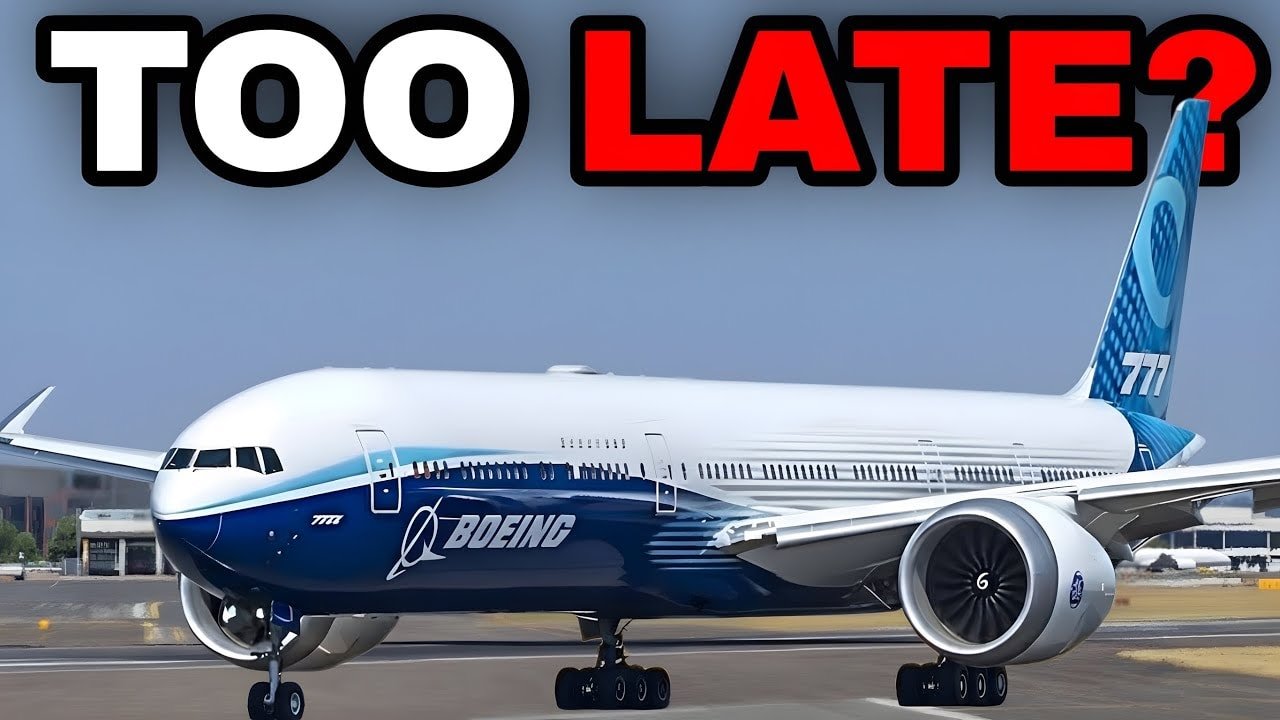
The Boeing 777-9 is making measurable certification progress, but it has not received an FAA type certificate and no authoritative FAA or Boeing announcement confirms the widely repeated claim that regulators approved a decisive flight-control software update. The latest verified program update points to continued testing, remaining approvals, and first delivery in 2027.
Quick Answer
The FAA has not fully approved the Boeing 777-9. As of July 2026, Boeing says about half of planned certification testing is complete, most Type Inspection Authorizations have been granted, and ETOPS-focused testing and other certification work remain. Boeing is targeting the first 777-9 delivery in 2027.
Key Takeaways
- The 777-9 is still in FAA certification testing and does not yet have a type certificate.
- Boeing now expects first delivery in 2027, not 2026.
- The latest verified milestones involve Type Inspection Authorization phases, flight testing, human-factors work, fatigue testing, and simulator qualification.
- The proposed 777-10 remains a feasibility study, not a formally launched or certified aircraft.
- Airbus pressure comes from two different products: the A350 in the widebody market and the A321XLR on thinner long-haul routes.
Disclosure: As an Amazon Associate I earn from qualifying purchases. Some links on this page are affiliate links, at no extra cost to you.
What the FAA Has Actually Approved for the Boeing 777-9
The most important correction is also the simplest: an FAA approval related to one test phase, simulator, component, or compliance finding is not the same as approval of the airplane.
The FAA began granting Boeing credit for official 777-9 certification flight testing in July 2024. Boeing later reported that it entered the Type Inspection Authorization, or TIA, 4a phase during the first quarter of 2026. In its July 16, 2026 certification update, Boeing said the test fleet had completed roughly 1,700 flights and more than 4,800 flight hours. It also said about 50% of planned certification testing was complete.
Boeing reported that most TIAs had been granted, while TIA 5 and ETOPS-focused authorizations remained. These approvals allow defined inspections and tests to proceed for certification credit. They do not mean the FAA has issued the final type certificate.
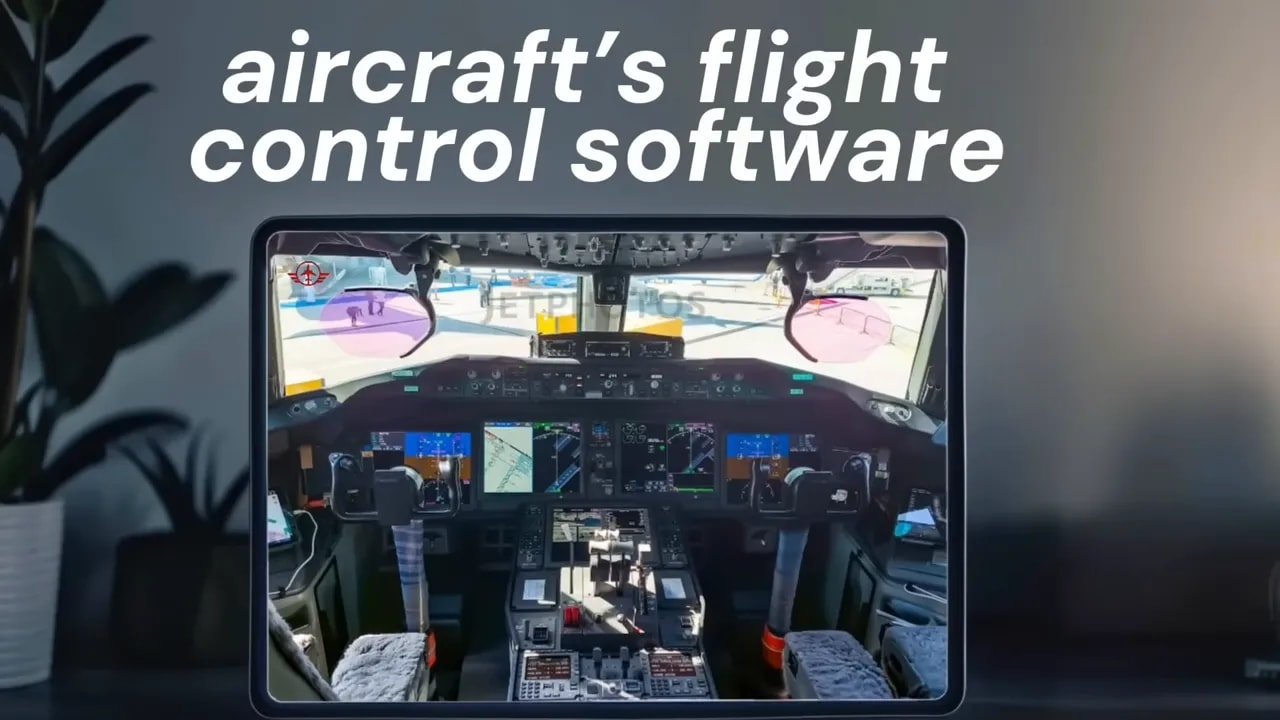
Note: The FAA and EASA granted initial qualification to Boeing 777-9 training devices in February 2026. That milestone applies to simulators used for pilot training. It is separate from certification of the aircraft itself.
Current Boeing 777-9 Certification Status
As of July 2026, the verified status is progress, not final approval. Boeing still needs to complete remaining flight tests, secure outstanding TIAs, conduct ETOPS demonstrations, close safety analyses and certification documents, and obtain the FAA type certificate.
Boeing reported on July 16, 2026 that approximately 50% of planned 777-9 certification testing was complete.
The FAA certification process separates design approval, production approval, and airworthiness approval. A type certificate confirms that the approved aircraft design complies with applicable standards. Individual airplanes must also conform to that design and receive the required airworthiness documentation before commercial operation.
This distinction matters because several events can sound like “approval” in a headline:
- TIA approval authorizes specific official inspections and tests.
- Simulator qualification approves a training device for defined training uses.
- Type certification approves the aircraft design.
- Airworthiness certification applies to an individual aircraft that conforms to the approved design.
- Airline entry into service happens after delivery, training, maintenance preparation, manuals, and operational approvals are ready.
Warning: Treat any claim that the “FAA approved the 777X” with caution unless it clearly identifies the exact approval. The 777-9 is not fully certified until the FAA issues its type certificate.
How the 777X Fell Years Behind Schedule
Boeing launched the 777X program in 2013. When the 777-9 completed its first flight in January 2020, Boeing expected the first delivery in 2021. That target moved several times. In October 2025, Boeing shifted its first-delivery expectation to 2027 and recorded a $4.9 billion pre-tax charge tied to the revised certification schedule.
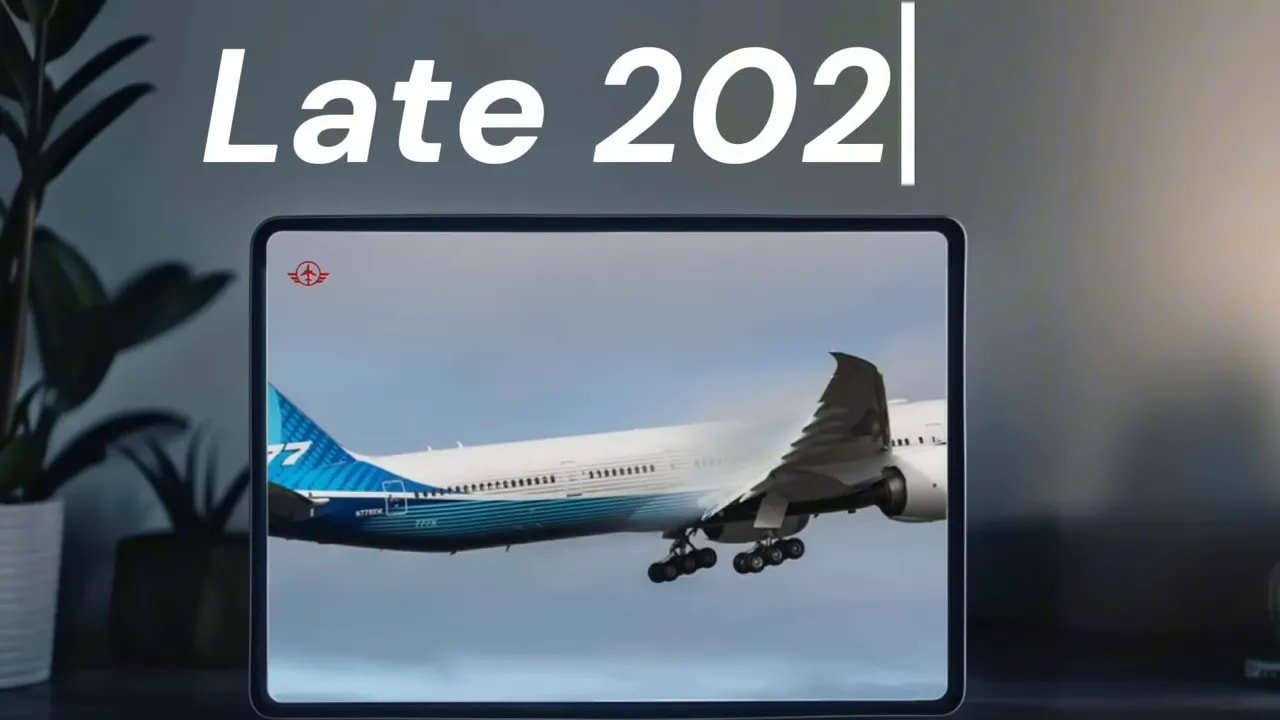
The delay does not have one single cause. Boeing’s regulatory filings identify a mix of certification timing, an engine durability issue identified in 2025, flight-test discoveries, design changes, production disruption, supply-chain constraints, labor instability, and the work required to modify aircraft built before the final certified configuration.
- Certification scrutiny increased: The FAA expanded independent review and human-factors expectations after the two 737 MAX accidents and subsequent certification reforms.
- Testing paused: Boeing reported that 777-9 flight testing stopped in August 2024 and resumed in January 2025.
- TIA phases took longer: Supporting analysis and regulator approval for later test phases did not move as quickly as Boeing had expected.
- Production complications grew: Aircraft built before certification may need changes before delivery, adding cost and scheduling pressure.
- Engine work remains relevant: Boeing has continued working with GE Aerospace and the FAA on a certification plan related to the durability issue identified in 2025.
The current schedule is therefore a company target, not a regulatory promise. Boeing’s own filing says the final timing will be determined by regulators.
What the Delays Mean for Airlines
Airlines that ordered the 777-9 have had to keep updating fleet plans. A delayed aircraft can affect lease extensions, retirement dates, maintenance spending, crew planning, airport preparation, and long-haul capacity decisions.
Some customers have kept older widebodies longer. Others have added or ordered different aircraft to cover growth. These choices do not automatically mean an airline has abandoned the 777X, but they reduce its ability to wait without a backup plan.
The 2027 delivery target gives customers a clearer planning window than they had during earlier uncertainty. However, airlines still cannot treat that date as guaranteed until the remaining certification work is complete.
- Crew preparation: Initial simulator qualification helps training development, but final programs depend on approved aircraft data and airline-specific authorization.
- Maintenance preparation: Airlines need final manuals, tooling, spare-parts plans, and trained technicians.
- Network planning: Carriers must decide which routes justify the 777-9’s large capacity and long range.
- Fleet transition: Delays can force additional spending on aircraft that were expected to retire earlier.
How Airbus Benefits, and Where the Comparison Has Limits
The Airbus A350 has been available while the 777-9 has remained in development, giving airlines a certified widebody option with a known operating record. That availability can strengthen Airbus during fleet competitions, especially when delivery certainty matters.
Still, the A350 and 777-9 are not exact substitutes. The 777-9 is designed for more passengers in a typical two-class layout, while the A350 family covers a broader range of airline configurations and missions. An airline’s decision depends on capacity, cargo needs, range, airport constraints, engine strategy, fleet commonality, delivery slots, and price.
It is therefore safer to say that the 777-9 delays created opportunities for Airbus, not that every A350 order was taken directly from Boeing.
What Is the Proposed Boeing 777-10?
The 777-10 is a possible stretched derivative of the 777X family. Emirates publicly backed a feasibility study in 2025 because it wants an aircraft with more capacity than the 777-9. Boeing agreed to study the idea, but the model has not been formally launched and has no published certification or delivery schedule.
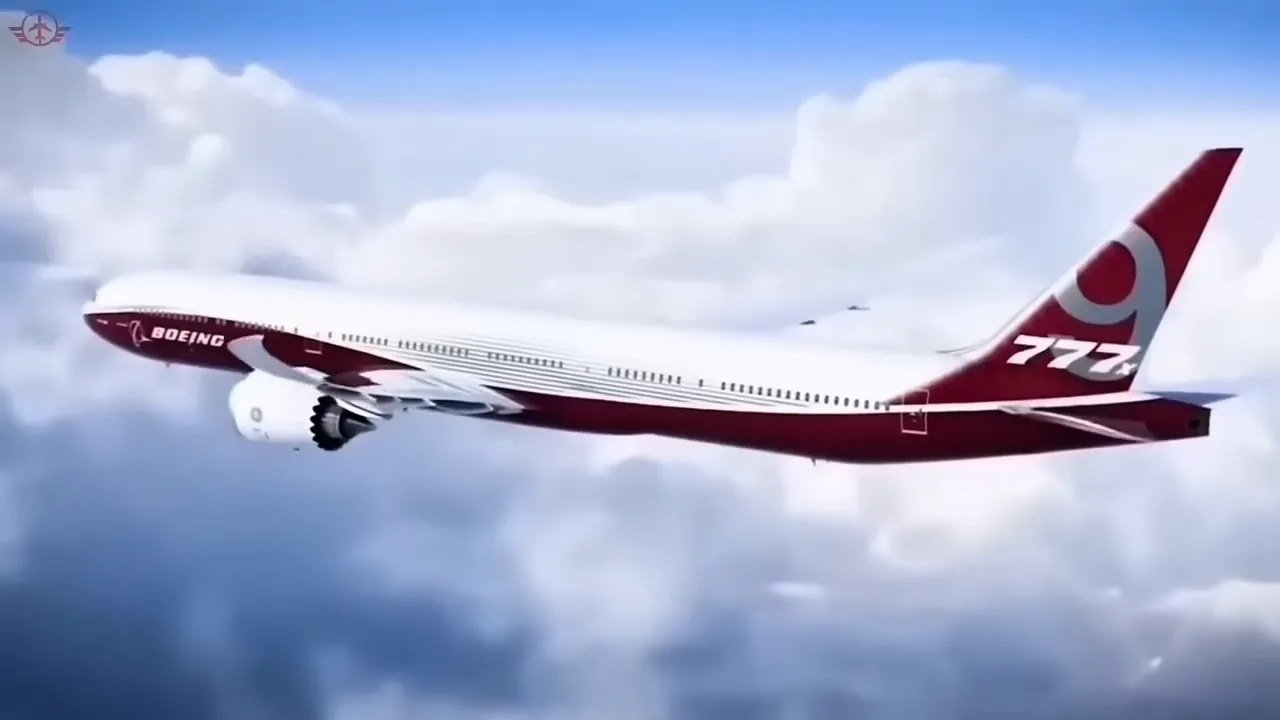
A feasibility study can examine demand, takeoff performance, airport compatibility, structural changes, engine requirements, development cost, and whether enough customers would buy the aircraft. It does not guarantee that Boeing will launch the model.
Boeing’s official 777X product family currently lists the 777-8, 777-9, and 777-8 Freighter. The proposed 777-10 should therefore be described as a studied concept, not as Boeing’s confirmed next passenger jet.
Why the 777-9 Still Has a Strong Market Case
The 777-9 remains a distinctive aircraft despite its delays. According to Boeing’s published specifications, it is designed for 375 to 450 passengers in a two-class layout and a range of up to 8,000 nautical miles. Its large cabin and cargo capacity suit busy international routes where airlines need more seats than smaller widebodies can efficiently provide.
Its main technical features include:
- GE9X engines developed specifically for the 777X
- A high-span composite wing
- Folding wingtips that reduce the on-ground wingspan from 71.8 meters to 64.8 meters
- Flight-deck and cabin technologies influenced by the 787
- A 76.7-meter fuselage, making the 777-9 one of the longest passenger aircraft built

The folding wingtip is especially important. It gives the aircraft a longer, more efficient wing in flight while helping it fit gates and taxiways designed around the existing 777 airport category.
Pro Tip: When comparing the 777-9 with another aircraft, compare an airline’s actual cabin layout and mission rather than relying only on manufacturer maximum range or seat figures. Payload, weather, reserves, airport elevation, and cabin configuration all affect real-world performance.
How the Airbus A321XLR Changes the Long-Haul Market
The Airbus A321XLR creates a different kind of competitive pressure. It is not a direct replacement for the 777-9. It is a long-range single-aisle aircraft designed for routes that may not support a large widebody every day.
Airbus lists a maximum range of up to 4,700 nautical miles, with typical two-class seating of about 206 to 220 passengers. That combination lets airlines connect primary and secondary cities with less capacity risk than a large twin-aisle aircraft.
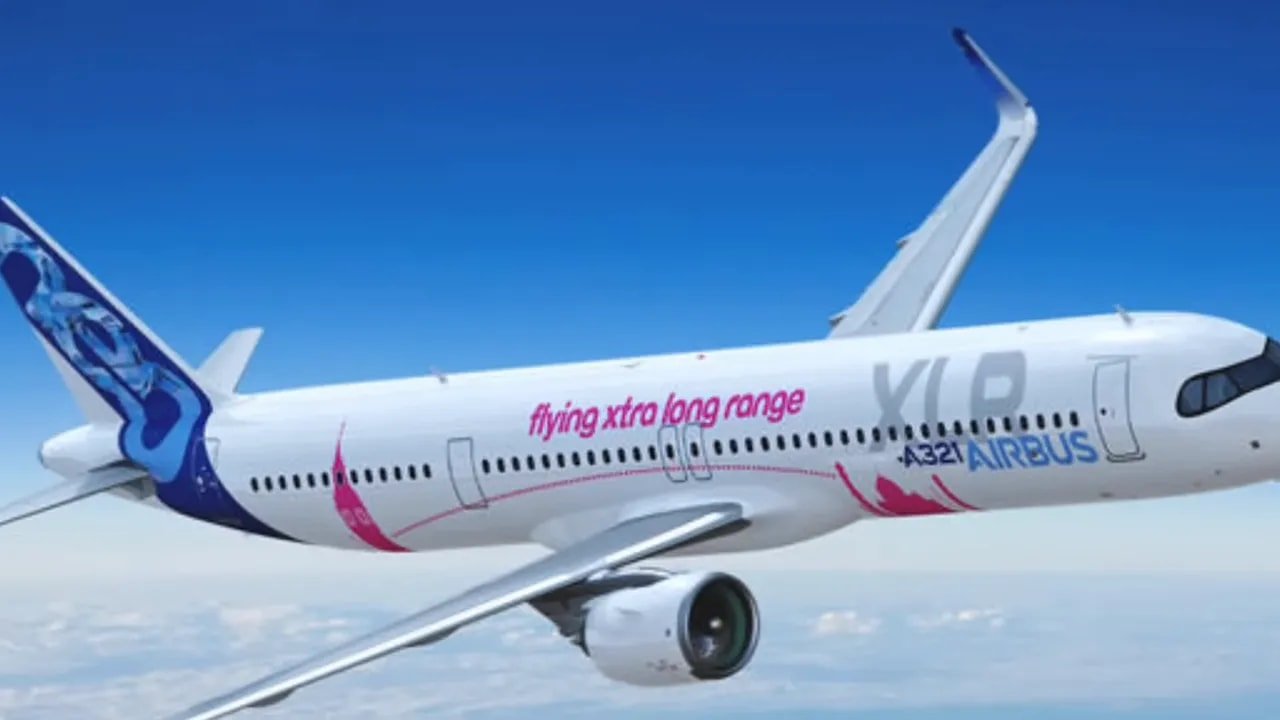
Boeing currently has no direct new-production equivalent with the same single-aisle range and market position. The 787 can fly much farther and carry more passengers, but it belongs to a different cost and capacity category.
This means Boeing faces two separate market questions:
- High-capacity long haul: Can the 777-9 complete certification and deliver reliable economics on dense routes?
- Thin long haul: How will Boeing respond to airlines using smaller aircraft for long-distance point-to-point routes?
What the Latest Progress Really Means for Boeing
The verified 777-9 milestones are meaningful. More TIAs, completed human-factors evaluations, simulator qualification, fatigue testing, and thousands of flight-test hours all move the program closer to certification.
But progress should not be described as final approval. Boeing still has two major jobs:
- Complete certification, obtain the type certificate, prepare conforming aircraft, and deliver the first 777-9 safely.
- Turn the aircraft’s large order base into dependable deliveries and prove its value after years of schedule changes.
The 777-9 still offers a combination of capacity, range, cargo volume, and airport-compatible folding wingtips that no other current twin-engine passenger jet matches in exactly the same way. Its commercial success, however, will depend on certification timing, production quality, dispatch reliability, and whether airlines still need as many very large twin-engine aircraft as they expected when the program began.
Frequently Asked Questions
Did the FAA fully approve the Boeing 777-9?
No. The 777-9 is still in certification testing and does not yet have an FAA type certificate. Boeing reported in July 2026 that about half of planned certification testing was complete.
What has the FAA approved for the 777-9 so far?
The FAA has authorized multiple Type Inspection Authorization phases that allow defined certification inspections and tests to proceed. It also granted initial qualification to 777-9 training devices. These are important milestones, but neither is the final aircraft type certificate.
Was a 777-9 flight-control software update approved?
No authoritative FAA or Boeing announcement located for this update confirms that claim. Publicly verified milestones concern certification test phases, human-factors evaluations, fatigue testing, ETOPS preparation, and simulator qualification.
When will the first Boeing 777-9 be delivered?
Boeing expects the first delivery in 2027. The exact timing remains subject to completion of testing and approval by the FAA and other regulators.
What certification work remains for the 777-9?
Boeing has identified remaining TIAs, ETOPS-focused authorizations and demonstrations, flight tests, safety analyses, certification deliverables, and final regulatory reviews. The FAA must be satisfied that all applicable requirements are met before issuing the type certificate.
Why has the Boeing 777X been delayed?
Boeing has cited certification timing, an engine durability issue, test discoveries, design changes, production and supply-chain disruption, labor instability, and the work needed to update previously built aircraft.
Is the Boeing 777-10 an official aircraft program?
Not yet. Boeing agreed to study a possible stretched 777-10 after Emirates supported the concept, but the aircraft has not been formally launched and has no official certification or delivery schedule.
Is the Airbus A321XLR a direct competitor to the 777-9?
No. The A321XLR is a smaller single-aisle aircraft for thinner long-haul routes. The 777-9 is a large twin-aisle aircraft for high-capacity long-distance markets. Both affect long-haul network planning, but they serve different demand levels.
Sources
- Boeing: Certification progress reported on the 777-9 — July 2026 testing status, flight hours, TIAs, and 2027 delivery target
- Boeing Form 10-Q for the quarter ended March 31, 2026 — TIA 4a, engine durability work, program risks, and delivery timing
- Boeing 777X technical specifications — seating, range, dimensions, engines, and folding-wing dimensions
- FAA: How aircraft certification works — TIA, flight testing, type certification, and production approval
- Airbus orders and deliveries — current A350 market and delivery context
- Airbus A321XLR specifications — range, capacity, and route-opening role

