
Last Updated on July 24, 2026 by Daniel Globe
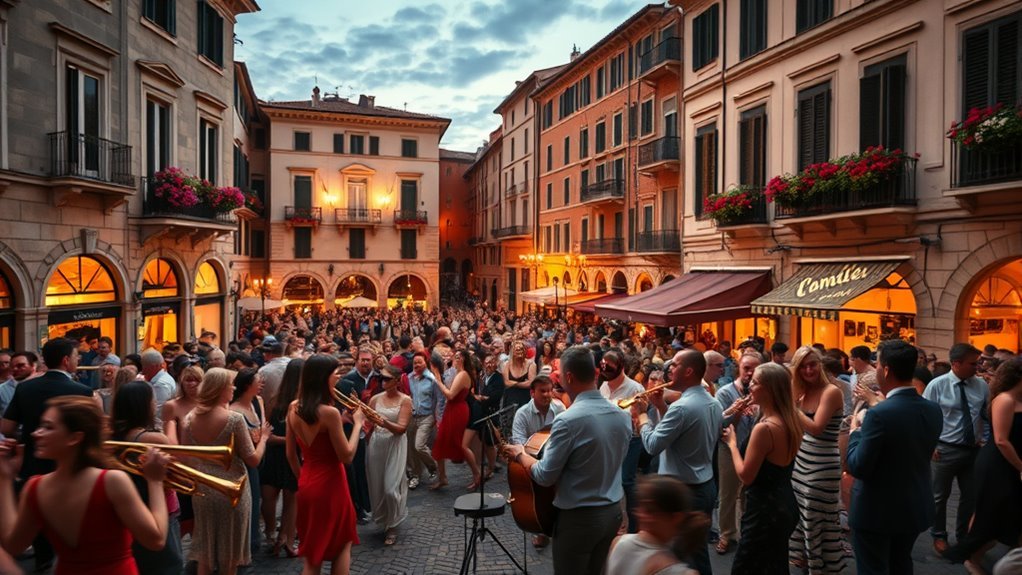
Italy’s live-event scene includes grand opera, chamber concerts, jazz festivals, traditional theater, food fairs, family shows, and football matches. Some performances take place in famous opera houses, while others unfold inside churches, palaces, Roman amphitheaters, public squares, and small clubs. The best experience depends on your interests, travel dates, budget, and comfort with large crowds.
Quick Answer
Italy’s best live events range from full operas at Teatro La Fenice and the Arena di Verona to Vivaldi concerts in Venice, summer jazz festivals, Sicilian puppet theater, food fairs, and Serie A football. Check official calendars, ticket rules, performance language, accessibility, and late-night transport before booking.
Key Takeaways
- Choose a full opera house for a complete staged production or a smaller recital for a shorter, more intimate introduction.
- Major summer choices include the Arena di Verona Opera Festival, Umbria Jazz, open-air concerts, and local town festivals.
- Ticket prices vary widely, so compare official prices by date, seat, and venue instead of relying on a general price range.
- For football matches, use official club channels, make sure the ticket is in the correct name, and carry valid identification.
- Annual dates, casts, weather policies, accessibility, and age rules can change, so confirm them before traveling.
Disclosure: As an Amazon Associate I earn from qualifying purchases. Some links on this page are affiliate links, at no extra cost to you.
Why Italy’s Live Events Stand Out
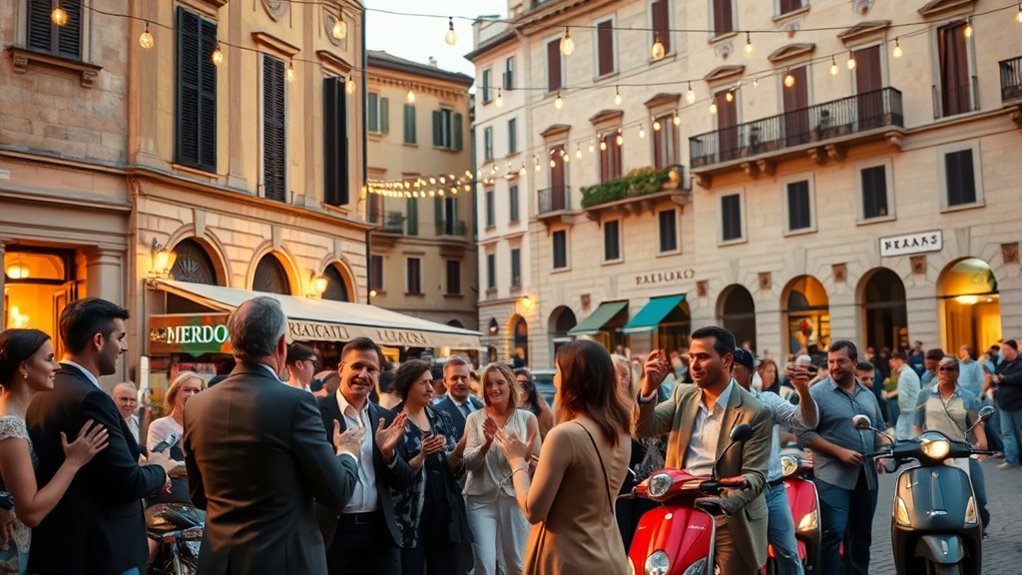
Italy’s live events stand out because the setting is often part of the performance. You may hear an orchestra in a decorated opera house, watch singers at close range inside a Venetian palace, or attend an open-air production in a Roman amphitheater.
The country also offers several levels of formality. A full opera can last two to four hours and may include an orchestra, chorus, sets, costumes, and intervals. An opera-aria recital is usually shorter and presents selected songs rather than a complete story. Chamber opera places a smaller cast and ensemble close to the audience, while classical concerts may have no staging at all.
This variety makes it easier to match an event to your schedule. First-time opera visitors may prefer a recital or a familiar work such as La Traviata. Experienced fans may want a major production at Teatro La Fenice, Teatro alla Scala, Teatro di San Carlo, or the Arena di Verona.
The Arena di Verona was built around 30 AD and has hosted its summer opera festival since 1913.
Venice’s Best Music and Performance Spots
Venice offers full operas, symphonic concerts, chamber performances, jazz, and seasonal public events. The experience can range from a formal evening at Teatro La Fenice to a small concert where performers are only a few feet from the audience.
Historic Concert Venues
Teatro La Fenice is the city’s main choice for a traditional opera-house experience. Its program includes staged opera, ballet, symphonic music, recitals, and special concerts. Some performances use surtitles, but language support varies, so check the event page before booking.
Musica a Palazzo presents chamber opera inside Palazzo Barbarigo Minotto. Each act takes place in a different room, allowing the audience to move through the palace as the story develops. The format is intimate, and the singers perform much closer to the audience than they would in a large theater.
I Musici Veneziani performs works such as Vivaldi’s The Four Seasons at the Scuola Grande di San Teodoro. The musicians use 18th-century-style costumes, making it a popular option for visitors seeking a shorter classical performance in a historic interior.
Other Venetian churches, schools, palaces, and cultural institutions also hold concerts. Confirm the exact address because similarly named productions may appear at different venues.
| Venue or format | Best for | Check before booking |
|---|---|---|
| Teatro La Fenice | Full opera, ballet, and orchestral concerts | Running time, surtitles, dress expectations, and seat view |
| Musica a Palazzo | Close-up chamber opera | Language, stairs, room changes, and arrival time |
| I Musici Veneziani | Vivaldi and Baroque music in period-style costume | Program version, seat category, and venue entrance |
| Small church concert | A shorter and less formal evening | Heating, cooling, accessibility, and whether seating is assigned |
Jazz Clubs and Street Performances
Venice also has small jazz venues, hotel bars, and seasonal concert programs. A club setting is useful when you want a relaxed evening without committing to a long opera. Some venues offer drinks or food, while others focus only on the performance.
Street musicians and performers may appear around busy squares, waterfront areas, and festival routes. These acts are spontaneous and may be affected by local permits, crowd controls, weather, and city regulations. Treat them as a possible bonus rather than the main event in your itinerary.
- Check the venue’s own calendar on the day of your visit.
- Reserve small clubs when seating is limited.
- Arrive early if places are unassigned.
- Keep noise low during acoustic performances in churches and historic rooms.
Opera Nights in Historic Italian Venues
Italy offers opera in purpose-built theaters, former churches, palaces, museums, and outdoor monuments. The most important distinction is whether you are booking a complete opera or a concert of selected arias.
At the Arena di Verona, you can see large-scale summer productions with full staging in a Roman amphitheater. In Venice, Musica a Palazzo presents complete operas in a compact chamber format. Florence’s former Church of Santa Monaca hosts recitals featuring well-known arias and duets. Palazzo Poli in Rome offers programs built around opera highlights, classical pieces, and Neapolitan songs.
Rome and Sorrento also host “Three Tenors” programs inspired by the famous tenor-concert format. These are concerts of opera arias and traditional songs, not performances by the original trio of Luciano Pavarotti, Plácido Domingo, and José Carreras.
| Venue | City | Typical experience |
|---|---|---|
| Arena di Verona | Verona | Large outdoor opera with major staging |
| Teatro La Fenice | Venice | Traditional opera-house production |
| Musica a Palazzo | Venice | Chamber opera moving through palace rooms |
| Former Church of Santa Monaca | Florence | Opera-aria and duet recital |
| Palazzo Poli | Rome | Opera highlights and classical concert |
| St. Paul’s Within the Walls | Rome | Opera arias, Neapolitan songs, and themed concerts |
Note: Ticket prices cannot be summarized with one reliable range. For example, official 2026 Arena di Verona seats ranged from lower-cost stone-step sectors to premium stalls, while smaller chamber performances used their own fixed or category-based prices. Always compare prices in euros on the organizer’s official website.
Historic Concerts and Major Music Festivals in Italy
Italy’s music calendar extends well beyond Venice and Verona. Milan’s Teatro alla Scala presents opera, ballet, recitals, and orchestral concerts. Naples’ Teatro di San Carlo offers another major opera-house experience, while Florence hosts productions and concerts through the Maggio Musicale Fiorentino.
Large festivals provide a different atmosphere. Umbria Jazz brings international artists to Perugia in summer, with concerts in arenas, theaters, galleries, and public spaces. Venice’s Biennale organizes separate festivals for music, theater, dance, film, and art. Programs, venues, and dates change each year.
You can also find:
- Vivaldi and Baroque concerts in Venetian historic buildings.
- Opera-aria recitals in former churches in Florence and Rome.
- Open-air opera and concerts at the Arena di Verona.
- Summer jazz, rock, classical, and contemporary-music festivals.
- Municipal concert series in courtyards, gardens, villas, and archaeological sites.
A famous venue does not always guarantee that every seat has a perfect view or the same comfort. Historic theaters may have boxes with side views, while amphitheater seats may be stone steps. Review the seating chart and accessibility information before paying.
Products Worth Considering

Customized plush long seat cushion: The 4-inch thick velvet couch cushion is the perfect choice for your indoor furniture cushion. The length and width can be customized to...
Family-Friendly Live Events in Italy
Families can choose from puppet theater, children’s concerts, science demonstrations, museum workshops, theme-park shows, outdoor festivals, and shortened opera programs.
In Sicily, the Opera dei Pupi uses handcrafted puppets to tell stories of knights, battles, saints, and legendary heroes. UNESCO recognizes it as part of humanity’s intangible cultural heritage. The Palermo and Catania traditions use different puppet sizes and operating techniques.
Science museums and cultural institutions also hold live demonstrations and workshops. Città della Scienza in Naples, Museo Galileo in Florence, and MUSE in Trento regularly offer family-focused activities, although schedules and languages vary. Gardaland near Lake Garda combines rides with staged entertainment and seasonal shows.
Before taking children to an event, check:
- The recommended minimum age
- The total running time and number of intervals
- Whether children need their own ticket
- Whether strollers can enter
- Availability of toilets and food
- Noise levels and hearing-protection needs
- Whether the performance is in Italian
Pro Tip: For a child’s first concert, choose an afternoon performance, a family program, or a show lasting about an hour. Bring approved hearing protection for loud amplified events.
Teen-Friendly Events in Italy
Teenagers may enjoy Italy’s live events more when the program combines music, visual culture, technology, or an informal outdoor setting. Jazz festivals, film screenings, contemporary dance, street-art events, electronic music, and museum nights can feel more accessible than a long formal opera.
Strong options include:
- Umbria Jazz: A mix of jazz, blues, soul, rock, workshops, and public performances in Perugia.
- Venice Biennale festivals: Contemporary art, dance, theater, music, and film programs held at different times of year.
- Outdoor summer concerts: Events in city parks, historic courtyards, arenas, and festival grounds.
- Youth and student programs: Some major theaters offer reduced tickets, last-minute schemes, workshops, or under-30 performances.
- Street-art and cultural tours: These are useful daytime additions before an evening show in Milan, Rome, Naples, Bologna, or Turin.
Outdoor sports such as rafting, mountain biking, paddleboarding, and kite surfing can complement a teen itinerary, but they are activities rather than live events. Plan them separately from ticketed performances.
Why Sports Feel Like Theater in Italy
Italian football matches can feel theatrical because the crowd contributes chants, flags, banners, and coordinated displays. Rivalries such as the Milan derby or Rome derby add another layer of history and emotion.
Stadium Atmosphere
San Siro in Milan and Stadio Olimpico in Rome are among Italy’s best-known football settings. The atmosphere begins before kickoff as supporters gather, display team colors, and sing club songs.
Arrive early enough for security checks and to find the correct gate. Large stadiums may have several rings, sectors, and controlled access routes. The fastest route on a map may not lead to your assigned entrance.
Passionate Fan Chants
Chants often refer to a club’s city, rivals, former players, and history. You do not need to know every song to enjoy the match, but it is sensible to observe the crowd before joining in. Avoid hostile gestures, discriminatory language, or displaying the visiting team’s colors in a home-supporter section.
Dramatic Matchday Moments
Derbies, decisive league matches, and European fixtures usually create the strongest atmosphere. They may also have tighter ticket controls, higher demand, restricted sectors, and changes to transport or policing.
Warning: Buy football tickets from the club or its listed ticket partner. Tickets are commonly issued to a named holder, and stadium staff may compare the ticket with a valid identity document. Away-sector access, residency rules, and supporter-card requirements can change for individual matches.
- Carry the same valid identification used for the booking.
- Confirm that your name is correct on the ticket.
- Use the sector assigned to your team.
- Read the prohibited-items list before leaving your hotel.
- Allow extra travel time for crowd controls and road closures.
- Check whether the match date or kickoff time is still confirmed.
Food Festivals With Live Music and Entertainment
Italian food events often combine tastings with markets, demonstrations, folklore, parades, workshops, and evening entertainment. However, not every food fair has live music every day. Check the dated program rather than assuming a concert will be included.
| Event | Main focus | Possible live elements |
|---|---|---|
| International Alba White Truffle Fair | Truffles, cooking, wine, markets, and folklore | Parades, demonstrations, family activities, and selected entertainment |
| Sagra della Porchetta in Ariccia | Porchetta and local community celebration | Music and public entertainment when included in the annual program |
| Expo Chianti Classico in Greve | Chianti Classico wine and Tuscan food | Concerts, tastings, talks, and town events |
| Feast of San Gennaro in Naples | Religious tradition and civic celebration | Processions, ceremonies, and entertainment depending on the program |
| Palio di Siena | Historic horse race and neighborhood traditions | Processions, drumming, communal dinners, and ceremonies |
The Palio di Siena is not primarily a food festival. Food and neighborhood dinners are part of the wider celebration, but the central event is the historic horse race in Piazza del Campo.
Lesser-Known Performance Venues in Italy
Smaller venues can provide a memorable evening without the scale or price of a major opera house. They may also have simpler programs that are easier for newcomers to follow.
Products Worth Considering

Personalized gift idea: A scratch-off surprise concert tickets, ideal for a gift to a friend or family member. You can make your own by writing down the artist and putting a scratch sticker on top. Give them this surprise reveal card and watch as they scratch off the red heart sticker to reveal your surprise artist.

1) Want to create the most realistic concert or event ticket ever? This concert ticket offers a fantastic gift idea that is sure to thrill your partner, parents, and friends.

1) Want to create the most realistic concert or event ticket ever? This concert ticket offers a fantastic gift idea that is sure to thrill your partner, parents, and friends.
Hidden Historic Settings
Palazzo Poli in Rome hosts opera-aria and classical programs near the Trevi Fountain. Florence’s former Church of Santa Monaca presents compact concerts of familiar opera selections. Venice’s Scuola Grande di San Teodoro provides an ornate setting for Baroque music, while St. Paul’s Within the Walls in Rome hosts several independent concert series.
These venues should not be treated as interchangeable. Some present a complete story, while others offer selected arias, instrumental works, and Neapolitan songs. Read the program rather than relying only on the word “opera” in the event title.
Intimate Cultural Atmosphere
A small room gives you a closer view of the performers and instruments, but it may also have limited air conditioning, narrow stairs, firm seating, or fewer toilets. Churches and historic palaces can be cool in winter and warm in summer.
Ask the organizer about step-free access if anyone in your group has limited mobility. Historic buildings may use temporary ramps, alternative entrances, lifts, or staff assistance, but arrangements vary.
Plan Your Italy Event Trip
Start with one or two anchor events, then build the rest of your route around them. A fixed-date opera, football match, or festival should be booked before flexible activities such as museums, food tours, or day trips.
Choose the Best Season
| Season | Events commonly available | Planning concern |
|---|---|---|
| Winter | Opera-house seasons, Christmas concerts, Carnival preparations, and indoor performances | Holiday closures and shorter daylight hours |
| Spring | Opera, classical festivals, Easter events, theater, and outdoor programs beginning | Changeable weather and busy holiday weekends |
| Summer | Arena opera, jazz, open-air concerts, town festivals, and late-night cultural programs | Heat, crowds, mosquitoes, weather delays, and late transport |
| Autumn | New theater seasons, film events, harvest festivals, wine events, and truffle fairs | Weekend accommodation demand in small festival towns |
Book Through Official Channels
Begin with the organizer, theater, festival, venue, or football club. An official site usually gives you the most reliable seating chart, accessibility procedure, age policy, and cancellation terms.
Third-party platforms can be useful when they are authorized sellers, but compare the final amount after service fees. Be cautious when a reseller promises benefits such as free cancellation that do not appear in the venue’s own terms.
Check Language, Dress, and Running Time
Operas in Italy are often performed in their original language. This may be Italian, German, French, Russian, or another language. Large theaters may provide Italian or English surtitles, while smaller recitals may not.
Most regular performances do not require formal evening wear. Smart casual clothing is usually suitable. Opening nights, gala events, and specially marked performances may have a stricter dress code. Comfortable shoes are important when the venue has stairs, stone floors, or a long walk from public transport.
Prepare for Outdoor Events
Outdoor performances may continue in light rain or pause during unsafe weather. Refunds are normally controlled by the organizer’s written policy and may depend on how much of the performance has already taken place.
- Check the forecast and venue rules.
- Bring only permitted rain protection.
- Avoid large umbrellas that block other guests.
- Carry water when allowed.
- Use sun protection for early-evening entry.
- Confirm your return transport before the show starts.
Note: Italy’s event calendars change throughout the year. Cast substitutions, match schedules, festival programs, security rules, and weather arrangements may be updated after you book.
Build a Practical Route
- Choose your highest-priority performance and confirm its exact date.
- Book accommodation with a realistic route back from the venue.
- Leave extra time before football matches and large festivals.
- Avoid scheduling an early train after a late outdoor performance.
- Add flexible family, museum, or food events around the fixed booking.
- Recheck the organizer’s website a few days before attending.
Sources
- Arena di Verona official ticket information — current seating sectors, prices, and festival ticket guidance.
- Teatro La Fenice — official Venice opera, concert, and visitor calendar.
- Musica a Palazzo — chamber-opera format and Palazzo Barbarigo Minotto venue information.
- I Musici Veneziani — official Vivaldi and Baroque concert programs in Venice.
- Umbria Jazz — official festival program, tickets, family information, and venue guidance.
- UNESCO: Opera dei Pupi — history and cultural significance of Sicilian puppet theater.
Frequently Asked Questions
What town in the US is most like Italy?
No American town fully matches Italy because Italy’s regions, architecture, languages, and traditions vary so widely. For an Italian-American atmosphere, neighborhoods such as Boston’s North End or New York’s Little Italy are more relevant comparisons than New Orleans, although they reflect immigrant history rather than daily life in Italy.
What is the special event in Italy?
Italy has no single special event. Major choices include Venice Carnival, the Palio di Siena, the Arena di Verona Opera Festival, Umbria Jazz, local patron-saint festivals, and hundreds of regional food fairs. The right event depends on your travel dates and interests.
What is the prettiest town in Italy?
Beauty is subjective. Positano is known for its steep coastal setting, while Ravello, Civita di Bagnoregio, Alberobello, Orvieto, and many Tuscan or Umbrian hill towns offer very different views. Choose according to the region and event you plan to attend rather than relying on one national winner.
How long does Ferragosto last?
Ferragosto is officially August 15. However, many Italians take vacations around the middle of August, so some businesses may close for several days or longer. Museums, attractions, and event venues set their own holiday hours.
Do I need formal clothes for an opera in Italy?
Formal clothing is not required for most regular performances. Smart casual clothes are usually suitable. Opening nights, galas, and specially marked events may require or strongly encourage formal dress, so read the venue’s instructions.
Are operas in Italy performed in English?
Usually not. Operas are commonly performed in their original language. Major theaters may provide Italian or English surtitles, but smaller churches and recital venues may offer no translation. Check the event details before buying.
How early should I book live events in Italy?
Book major operas, derbies, international concerts, Carnival events, and popular festival weekends as soon as your travel dates are fixed. Smaller recitals may remain available closer to the performance, but the best seats can still sell first.
Can children attend concerts and opera in Italy?
Many venues welcome children, but minimum ages, ticket rules, and running times vary. Choose a family program or shorter recital for younger children, and use approved hearing protection at loud amplified concerts.
Conclusion
Italy’s live events let you experience music, theater, food traditions, and sport inside settings that often carry centuries of history. You can attend a full opera in Venice, watch a summer production in Verona, hear jazz in Perugia, see Sicilian puppet theater, join a local festival, or experience the noise of an Italian football match.
The strongest trip combines atmosphere with careful planning. Choose the right event format, buy through official channels, check language and accessibility, carry identification where required, and confirm the latest schedule before you go. With those details handled, the performance can become one of the most memorable parts of your visit to Italy.
