
Last Updated on July 23, 2026 by Daniel Globe
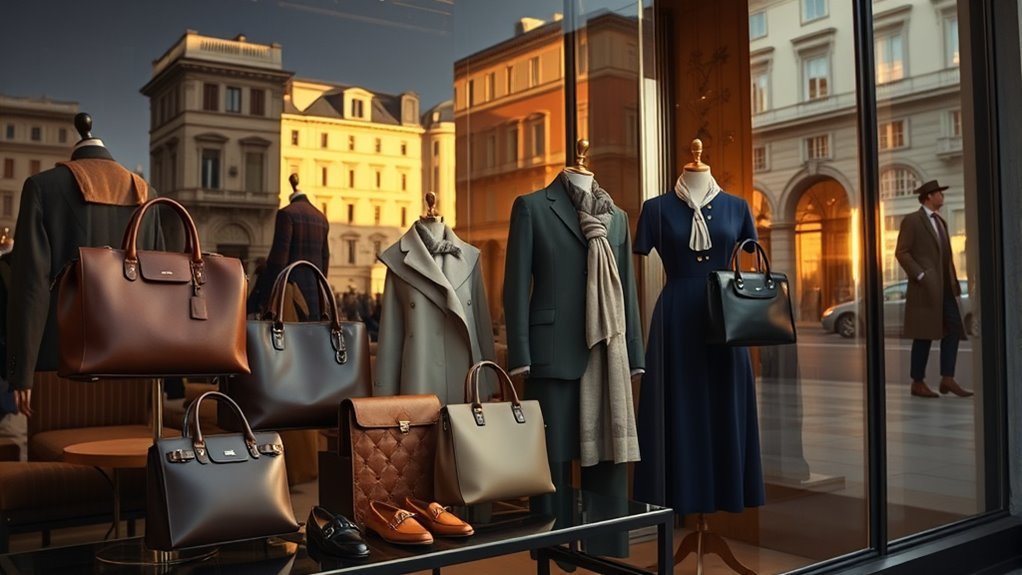
Italian fashion includes far more than runway glamour. Italy’s leading labels cover precise tailoring, colorful knitwear, technical outerwear, handcrafted shoes, leather bags, denim, and everyday sneakers. This guide compares 25 influential Italian fashion brands, explains what makes each one distinctive, and helps you find the names that best match your style and budget.
Quick Answer
Italy’s best-known fashion brands include Gucci, Prada, Versace, Armani, Fendi, Valentino, Bottega Veneta, Dolce & Gabbana, Max Mara, and Ferragamo. The right choice depends on whether you prefer bold glamour, quiet luxury, traditional tailoring, technical clothing, leather accessories, denim, or attainable casual footwear.
Key Takeaways
- Prada, Gucci, Versace, Valentino, Fendi, and Dolce & Gabbana are major statement-making luxury houses, but their design languages are very different.
- Armani, Bottega Veneta, Loro Piana, Zegna, and Brunello Cucinelli suit shoppers who prefer restrained design and subtle branding.
- Moncler, Stone Island, and C.P. Company are strong choices for performance-inspired or technical outerwear.
- Superga and Furla offer comparatively approachable entry points, while prices at any brand vary by product, collection, and market.
Disclosure: As an Amazon Associate I earn from qualifying purchases. Some links on this page are affiliate links, at no extra cost to you.
What Makes Italian Fashion Brands Stand Out
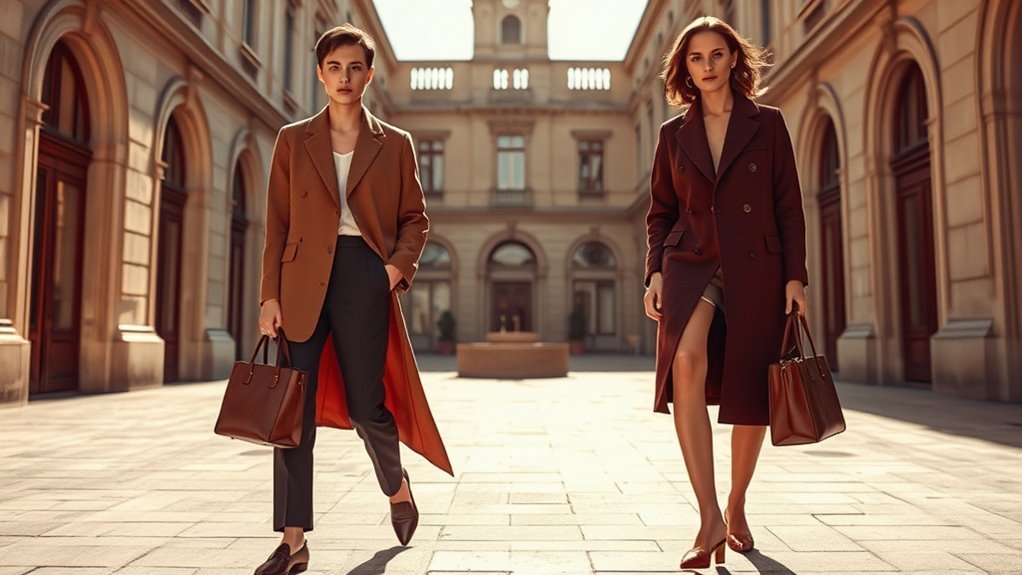
Italian fashion is known for combining specialized manufacturing with strong design identities. Some houses work closely with long-established textile mills, leather workshops, shoemakers, and family-run suppliers. Others are recognized for fabric research, industrial production, or experimental runway design.
Materials also play an important role. Fine wool, cashmere, silk, leather, denim, nylon, and technical textiles appear throughout the Italian fashion industry. However, an Italian brand name does not guarantee that every component or finished product was made entirely in Italy. Manufacturing origin can differ by product, so check the care label and official product page when this matters to you.
The most influential Italian labels also tend to develop recognizable visual codes. Missoni has multicolored knitwear, Bottega Veneta has intrecciato leather, Versace has the Medusa emblem, Fendi has the Baguette and Peekaboo bags, and Ferragamo is associated with innovative footwear. These signatures help the brands remain identifiable even as designers and trends change.
Note: “Italian,” “luxury,” “sustainable,” and “made in Italy” are not interchangeable terms. Review the individual product’s country-of-origin label, material details, repair options, and published sourcing information instead of relying on a brand-wide assumption.
How We Chose These 25 Brands
This is a curated guide rather than a strict sales, revenue, or popularity ranking. The selection balances historical importance, recognizable design, craftsmanship, influence on international fashion, category leadership, and continued relevance. It includes global luxury houses, specialist outerwear labels, newer creative names, and comparatively approachable footwear and accessory brands.
The list also represents different parts of the wardrobe. You will find tailoring from Armani and Zegna, knitwear from Missoni and Loro Piana, technical clothing from Stone Island and C.P. Company, leather goods from Fendi and Tod’s, outerwear from Moncler and Max Mara, and casual footwear from Superga.
25 Italian Fashion Brands at a Glance
| Brand | Best Known For | Style | Relative Position |
|---|---|---|---|
| Missoni | Colorful knitwear | Expressive and bohemian | Luxury |
| Versace | Medusa motifs and glamour | Bold and maximalist | High luxury |
| Prada | Leather goods, nylon, conceptual design | Intellectual and modern | High luxury |
| Giorgio Armani | Relaxed tailoring | Restrained and elegant | High luxury |
| Gucci | Leather icons and house motifs | Eclectic and statement-led | High luxury |
| Fendi | Baguette, Peekaboo, and Selleria leatherwork | Polished Roman luxury | High luxury |
| Bottega Veneta | Intrecciato leather | Quiet and sculptural | High luxury |
| Valentino | Couture, eveningwear, and Valentino Red | Romantic and dramatic | High luxury |
| Moncler | Luxury down jackets | Sporty and polished | Luxury |
| Stone Island | Fabric research and outerwear | Technical and urban | Premium luxury |
| C.P. Company | Garment dyeing and goggle jackets | Military-inspired utility | Premium luxury |
| Marni | Prints, color, and unusual proportions | Artistic and playful | Luxury |
| Loro Piana | Cashmere and fine wool | Understated and refined | Ultra-luxury |
| Diesel | Denim | Rebellious and youthful | Premium |
| Moschino | Fashion satire and pop imagery | Humorous and eccentric | Luxury |
| Ferragamo | Footwear and leather goods | Refined and functional | Luxury |
| Zegna | Menswear and fine wool | Tailored and discreet | Luxury |
| Brunello Cucinelli | Cashmere and relaxed tailoring | Soft and understated | Ultra-luxury |
| Sunnei | Experimental Milanese design | Playful and contemporary | Designer premium |
| Superga | 2750 canvas sneakers | Casual and versatile | Accessible |
| Furla | Leather handbags | Polished and practical | Premium |
| Miu Miu | Experimental womenswear and accessories | Youthful and provocative | High luxury |
| Dolce & Gabbana | Sicilian-inspired glamour | Ornate and sensual | High luxury |
| Max Mara | Women’s coats | Timeless and practical | Luxury |
| Tod’s | Gommino driving shoes and leather goods | Understated and casual | Luxury |
Price positions are comparative rather than fixed. A small accessory from a high-luxury house may cost less than outerwear from a premium label, and regional prices change.
Products Worth Considering

PREMIUM QUALITY MATERIAL: The ZLUXURQ Women’s leather gloves are made from superior quality fabrics, a special blend of authentic sheep skin and wool lining, guaranteed to withstand the test of time.

✨ Timeless Style: Elevate your creations our fabric a timeless choice that adds a classic touch to your sewing projects.

Missoni’s Colorful Knitwear Legacy
Ottavio and Rosita Missoni established Missoni in 1953. The house became famous for multicolored knitwear, especially zigzags, stripes, space-dyed effects, and patterns that appear to move across the fabric. Its clothing often has a relaxed, bohemian quality, but the complicated color relationships and knitting methods give the work technical depth.
Missoni is a good fit when you want one expressive garment to carry an otherwise simple outfit. A patterned cardigan can work with plain trousers, while a scarf can add color without committing to a head-to-toe print. Alberto Caliri currently oversees the brand’s creative direction, extending the knitwear language developed by the Missoni family.
- Choose a scarf or small accessory for a subtle introduction to the patterns.
- Pair a multicolored knit with solid neutral pieces to avoid visual competition.
- Check the fiber composition because weight, warmth, and care requirements vary.
Products Worth Considering

Dress for the weather in style with a polished look to outerwear or sweaters

Cashmere-like 100% Acrylic scarf, super soft durable material makes this product comfortable and lasting.

FEATURES: Humble Hilo’s woven scarves are lightweight and 17in wide and 70in long. They come in various colors, including neutrals, black, white, brown, and vibrant colors, green, red, pink. Each shade has unique threads some are sparkly to add dimension.
Versace’s Bold, Baroque Fashion Power
Gianni Versace founded the house in Milan in 1978 and created a visual language built on classical references, body-conscious silhouettes, vivid prints, metal hardware, and unapologetic glamour. Donatella Versace later shaped and expanded that identity for a new generation.
Prada Group completed its acquisition of Versace in December 2025. Pieter Mulier was appointed chief creative officer in February 2026, beginning another chapter for the house while its Medusa emblem and archive remain central reference points.
Products Worth Considering

【Vintage Baroque Print & Elegant Style】:Featuring a unique baroque print dress design with artistic vintage patterns, this women's maxi dress creates a sophisticated and eye-catching look. The retro-inspired print adds elegance to your wardrobe, making this boho maxi dress perfect for vacations, beach trips, and everyday occasions. long sleeve dresses for women, casual dresses for women

Material: The fabric is soft and skin-friendly, light weight and comfortable to wear. The highly elastic fabric is made with a pressed pleat process and is well made for all body types.

Material Fabric: Made of Polyester, Soft, comfortable, breathable, skin-friendly
Baroque Glamour
Versace’s baroque-inspired prints combine scrollwork, gold tones, architectural details, chains, and classical imagery. The effect is deliberately theatrical. Sharp tailoring, fitted dresses, silk shirts, and embellished eveningwear give the motifs structure rather than treating them as surface decoration alone.
This style works best for shoppers who enjoy visible luxury and strong contrast. You can wear a complete printed look, but a belt, shirt, scarf, or bag can introduce the same visual language more quietly.
Medusa Motif
The Medusa head is one of Versace’s clearest identifiers. It appears on hardware, jewelry, clothing, bags, shoes, fragrances, and home products. Gianni Versace selected the classical figure for her associations with attraction and power, helping the emblem become shorthand for the house’s confident image.
| Versace Code | What It Adds |
|---|---|
| Medusa hardware | Immediate brand recognition |
| Gold and black | High contrast and formality |
| Baroque print | Ornament and visual movement |
| Body-conscious cuts | A strong, glamorous silhouette |
Prada’s Past-and-Future Aesthetic
Prada began in Milan in 1913 as a leather-goods business. The house later became known for turning practical or seemingly ordinary materials into luxury objects. Its use of industrial nylon is the best-known example, but the same approach appears in restrained tailoring, unusual color combinations, uniform references, and deliberately awkward proportions.
Miuccia Prada and Raf Simons work as co-creative directors. Their collections often test opposing ideas: formal and casual, attractive and unsettling, historical and futuristic. Prada therefore suits shoppers who prefer clothing with an intellectual or conceptual edge rather than obvious ornament.
- Structured leather bags provide the most traditional entry into the brand.
- Re-Nylon bags and accessories reflect Prada’s utilitarian side.
- Ready-to-wear often uses clean silhouettes with an unexpected color, texture, or proportion.
Giorgio Armani’s Relaxed Luxury
Giorgio Armani founded his company in 1975 and changed modern tailoring by reducing padding, softening construction, and allowing jackets to follow the body more naturally. His muted palette of navy, gray, beige, black, and earth tones helped create an image of confident luxury without heavy decoration.
Armani died in September 2025, but the house continues the design principles he developed over five decades. His influence remains especially visible in unstructured suits, fluid eveningwear, restrained knitwear, and clothing designed to move comfortably between professional and social settings.
Choose Giorgio Armani when you want quiet formality, clean lines, and fabrics that provide drape rather than stiffness. The wider Armani group includes several lines at different price positions, so check the label carefully when comparing products.
Gucci’s Evolving Italian Style
Gucci began as a Florentine leather-goods house in 1921. Its archive includes bamboo handles, horsebit hardware, the green-red-green web stripe, Flora prints, loafers, and interlocking GG motifs. Because successive designers have reworked these elements in different ways, Gucci can move between restrained heritage products and highly visible runway fashion.
Demna became Gucci’s artistic director in July 2025. Alessandro Michele’s earlier tenure remains influential for its romantic styling, historical references, oversized logos, florals, and layered accessories, but it should now be understood as a previous creative period.
Signature Colors and Prints
Gucci’s best-known visual codes include the green-red-green web stripe, beige GG canvas, Flora motifs, equestrian hardware, and combinations of jewel tones. The house frequently revisits these details, but their scale and styling change from one creative era to another.
- GG canvas and web-striped products offer immediate recognition.
- Horsebit loafers and bamboo-handle bags emphasize the brand’s heritage.
- Printed silk accessories provide color without the cost or commitment of a full runway look.
Opulent Details and Texture
Embroidery, metallic finishes, velvet, silk, leather, appliqué, and mixed prints have played major roles in Gucci’s more maximalist collections. These elements create depth, but they are not the brand’s only expression. Plain leather loafers, structured bags, and restrained tailoring can be considerably quieter.
| Detail | Typical Effect |
|---|---|
| Embroidery | Adds texture and visual detail |
| GG canvas | Makes the brand immediately recognizable |
| Horsebit hardware | Connects the product to Gucci’s equestrian codes |
| Flora print | Creates a softer, decorative look |
Glamorous Italian Statement Style
For a statement look, Gucci offers logo-heavy accessories, embellished shoes, patterned tailoring, and highly styled runway pieces. For a more durable wardrobe, consider classic loafers, simple leather bags, belts, or archive-inspired outerwear. The breadth of the product range is one reason Gucci appeals to both collectors and first-time luxury shoppers.
Fendi’s Leather Craft and Iconic Bags
Founded in Rome in 1925, Fendi developed from a leather and fur workshop into a global fashion house. Selleria products preserve a hand-stitched leather tradition, while the Baguette and Peekaboo bags demonstrate the brand’s ability to create recognizable forms without relying only on monogram prints.
The Baguette became an important late-1990s fashion accessory, while the Peekaboo offers a more structured and understated option. Fendi also uses the double-F motif created during Karl Lagerfeld’s long association with the house.
Maria Grazia Chiuri presented her first Fendi collection for Fall/Winter 2026–27. Her appointment links the house’s Roman identity with a new phase of creative direction.
Bottega Veneta’s Quiet Luxury Appeal
Bottega Veneta was established in Vicenza in 1966 and became closely associated with intrecciato, a method of weaving narrow leather strips. The technique gives bags and small leather goods a recognizable surface without requiring a prominent logo.
Daniel Lee’s 2018–21 tenure introduced exaggerated proportions, vivid colors, and highly recognizable accessories to a new audience. That period is now part of the brand’s recent history rather than its current leadership. Louise Trotter became creative director in January 2025.
- Choose classic woven leather for the most enduring expression of the house.
- Look at sculptural footwear or accessories for a more directional style.
- Inspect woven edges and high-contact areas carefully when shopping secondhand.
Valentino’s Romantic High Glamour
Valentino Garavani founded the house in Rome in 1960. Flowing evening gowns, lace, embroidery, bows, strong color, and formal couture workmanship shaped its reputation. Valentino Red remains one of the brand’s most recognizable codes, although the house also works extensively with black, white, pink, and softer neutrals.
Romantic Couture Legacy
Valentino’s romantic identity comes from the relationship between precise construction and visual softness. Silk, chiffon, lace, feathers, beadwork, and carefully controlled volume create movement while preserving formal structure.
- Evening gowns represent the house’s couture tradition most clearly.
- Rockstud accessories offer a sharper and more recognizable alternative.
- Red garments connect directly to Valentino Garavani’s best-known color legacy.
Alessandro Michele’s Modern Glamour
Alessandro Michele became Valentino’s creative director in April 2024. His work brings dense styling, historical references, ornament, and an interest in personal expression to the house’s established couture language.
Pierpaolo Piccioli’s earlier tenure remains significant for its bold color, refined volumes, and broader representation on the runway. Michele’s appointment did not erase that chapter; it marked a transition to a more layered and eclectic interpretation of Valentino glamour.
Moncler’s Move Into Luxury Outerwear
Moncler began in 1952 with equipment and quilted garments associated with mountain conditions. Remo Ruffini acquired the company in 2003 and repositioned its down jackets as luxury products that could move between ski settings and urban wardrobes.
The brand is best known for glossy or matte quilted jackets, distinctive proportions, and high-visibility collaborations. Moncler Genius has also allowed designers and creative partners to reinterpret the puffer jacket through different materials and silhouettes.
- Check the fill, shell fabric, weather resistance, and care instructions rather than choosing by appearance alone.
- Try the jacket over the layers you expect to wear in winter.
- Use the brand’s authentication resources when buying from an unfamiliar reseller.
Stone Island’s Technical Streetwear Edge
Massimo Osti founded Stone Island in 1982. Fabric research has remained central to the brand, including garment dyeing, coated materials, reflective surfaces, heat-reactive treatments, and fabrics adapted from industrial or military applications.
The removable compass badge is its clearest visual identifier. Stone Island also developed a strong following within European football-casual culture before becoming more prominent in global streetwear and luxury retail.
Stone Island is a practical choice when material development matters as much as branding. However, unusual finishes can require special care, so read the label before washing or treating a garment.
C.P. Company’s Military-Inspired Innovation
Massimo Osti established Chester Perry in 1971, and the business later became C.P. Company. The label studies military uniforms, workwear, sports clothing, and protective garments, then adapts practical details for contemporary outerwear.
Military Design Roots
C.P. Company does not simply reproduce uniforms. It uses field jackets, pockets, hoods, lenses, fastenings, and functional fabrics as starting points. Garment dyeing is especially important because it creates color depth and can give different fibers within one garment slightly different tones.
- Utility pockets add usable storage rather than decoration alone.
- Garment-dyed fabric creates a distinctive, lived-in color.
- Protective hoods and lenses connect the clothing to travel and observation.
Mille Miglia Features
The Mille Miglia, often called the Goggle Jacket, is one of C.P. Company’s best-known designs. Versions include lenses built into the hood and, on some models, a wrist lens intended to make a watch easier to read. The design is associated with Osti’s work around the historic Mille Miglia road race and appeared in the brand’s late-1980s archive.
Features vary across modern releases, so check the exact product rather than assuming every Mille Miglia jacket has identical lenses, insulation, or weather protection.
Marni’s Playful, Creative Aesthetic
Consuelo Castiglioni founded Marni in 1994. The label became known for unexpected color combinations, abstract prints, unusual proportions, sculptural accessories, and styling that feels deliberately personal rather than conventionally polished.
Marni works well for shoppers who like artistic clothing but still want pieces that can be separated and worn in everyday outfits. A printed shirt, color-blocked knit, or distinctive bag can provide the brand’s character without requiring a complete runway look.
- Use one Marni print as the focal point of an outfit.
- Balance oversized garments with a cleaner shape elsewhere.
- Look beyond clothing: bags, jewelry, and footwear often carry the same playful design language.
Loro Piana’s Cashmere and Wool Mastery
Loro Piana is closely associated with fine cashmere, wool, vicuña, and understated clothing. Rather than relying on prominent logos, the brand emphasizes fiber quality, touch, drape, and restrained construction.
Cashmere and Wool Quality
Loro Piana sources cashmere from regions including Mongolia and Inner Mongolia. Fiber fineness, length, processing, yarn construction, and finishing all affect how a garment feels and wears; the word “cashmere” alone does not describe its quality.
- A lightweight knit can provide warmth without heavy bulk.
- A dense scarf may resist wind better but require more careful storage.
- Soft fibers can still pill, especially in areas exposed to friction.
Timeless Tailoring Craftsmanship
Loro Piana’s tailoring is generally soft, neutral, and easy to layer. Coats, knitwear, trousers, and overshirts are designed to draw attention to texture and fit rather than visible branding. This makes the label a leading quiet-luxury choice, although its prices place it in the highest end of the market.
Use a specialist cleaner when the care label recommends it, and store fine knitwear folded rather than hanging to reduce stretching.
Diesel’s Denim and Rebellious Spirit
Renzo Rosso founded Diesel in 1978. The brand built its identity around treated denim, unusual washes, provocative advertising, and silhouettes that often challenge the dominant jeans trend of the moment.
Under Glenn Martens, Diesel has used distressed finishes, exaggerated proportions, experimental surface treatments, and recycled-denim presentations. According to Diesel’s published material information, more than half of its denim products use organic, recycled, or regenerative cotton. That product-level statement should not be interpreted as proof that every Diesel garment has the same material profile.
- Wide and loose cuts create a strong streetwear silhouette.
- Coated or heavily treated denim may have special washing requirements.
- Classic straight-leg styles provide a less trend-dependent option.
Moschino’s Rule-Breaking Fashion Fun
Franco Moschino founded the house in 1983 and used clothing to joke about status, consumer culture, branding, and the fashion industry itself. Cartoon imagery, trompe-l’œil details, oversized symbols, slogans, and everyday commercial references became part of its identity.
Jeremy Scott’s 2013–23 tenure amplified this pop-cultural approach through fast-food imagery, packaging references, toys, and exaggerated runway presentations. In June 2026, Sunnei founders Loris Messina and Simone Rizzo were appointed Moschino’s co-creative directors, giving the house a new leadership team.
Moschino is best for shoppers who enjoy fashion with humor. A graphic bag, printed T-shirt, or novelty accessory can deliver the idea more easily than a complete runway outfit.
Ferragamo’s Heritage Footwear
Salvatore Ferragamo established his Florence company in 1927 after developing his shoemaking career in Italy and the United States. His work combined anatomical study, material experimentation, and decorative design, helping the company become known for shoes that aimed to balance appearance and support.
Heritage Shoe Craftsmanship
Ferragamo footwear uses carefully developed lasts, structured components, leatherwork, and distinctive hardware. The Vara bow pump, Gancini motif, loafers, and leather accessories are now among the company’s most recognizable products.
Fit varies by last and construction, so try footwear late in the day when possible and compare the brand’s width options. A well-made shoe can still be uncomfortable when its shape does not suit your foot.
Signature Ferragamo Innovations
The Ferragamo Foundation documents the designer’s experiments with structure and unconventional materials. His cork wedge was patented in 1937, the Rainbow sandal was created in 1938, and the transparent “Invisible Sandal” dates to 1947.
| Innovation | Why It Mattered |
|---|---|
| Cork wedge, patented 1937 | Used lightweight cork to support height when conventional materials were difficult to obtain |
| Rainbow sandal, 1938 | Combined a layered, colorful platform with a sculptural shape |
| Invisible Sandal, 1947 | Created the appearance of a nearly transparent upper |
Zegna’s Tailoring Excellence
Ermenegildo Zegna founded his wool mill in Trivero in 1910. The company’s control of textile production remains a major part of its identity, linking raw-material sourcing and fabric development with luxury menswear.
Zegna describes an integrated textile supply chain that supports its suiting, jackets, knitwear, and casual clothing. The design is usually restrained, with an emphasis on fabric, proportion, and comfort rather than conspicuous ornament.
- Traditional suits suit formal professional wardrobes.
- Soft jackets and overshirts provide a more relaxed alternative.
- Fine-wool knitwear works well for layering without excessive bulk.
Brunello Cucinelli’s Cashmere Craft
Brunello Cucinelli established his company in 1978 and became known for colored cashmere and refined casualwear. The business is closely connected with Solomeo, the Umbrian village where much of its cultural and production identity is based.
The clothing combines soft tailoring, neutral shades, knitwear, casual trousers, suede, and outerwear. The effect is relaxed but carefully coordinated, making Brunello Cucinelli a central name in modern quiet luxury.
| Category | Typical Character |
|---|---|
| Cashmere knitwear | Soft, lightweight, and understated |
| Tailoring | Relaxed construction with refined fabric |
| Outerwear | Neutral, versatile, and designed for layering |
Because the products are expensive, inspect fiber content, construction, fit, and likely wear frequency rather than buying for the label alone.
Sunnei’s Modern Italian Design
Loris Messina and Simone Rizzo founded Sunnei in Milan in 2014. The label became known for bold color, rounded forms, unconventional presentations, and an energetic combination of streetwear, accessories, footwear, and experimental design.
Sunnei’s playful proportions and interactive shows helped it represent a younger Milanese fashion scene. Messina and Rizzo left the label in 2025 and became Moschino’s co-creative directors in June 2026. Because Sunnei’s business and creative structure has changed, availability and future direction should be checked through current retailers or official announcements rather than assumed from earlier collections.
- Look for sculptural footwear and accessories if you like the design but want an easy-to-style piece.
- Use one strong color or unusual proportion at a time.
- Confirm return options when buying discontinued or archive products.
Superga’s Classic Italian Sneakers
Superga began in Turin in 1911, and its 2750 tennis shoe was introduced in 1925. The low-profile canvas upper, rubber sole, and simple shape made it a lasting casual design rather than a heavily technical athletic shoe.
Superga is one of the most accessible names in this guide. The 2750 works with denim, shorts, dresses, chinos, and relaxed tailoring. Colors and collaborations change, but plain white, navy, black, and natural canvas are less dependent on seasonal trends.
Canvas offers breathability but limited protection in wet weather. Check the brand’s cleaning guidance before using bleach or a washing machine, as treatment can affect rubber, adhesive, and color.
Furla’s Accessible Luxury Handbags
Furla was founded in Bologna in 1927. The company is known for leather handbags, small accessories, and designs that generally cost less than comparable products from the largest high-luxury houses.
Furla’s strengths include practical compartments, clean shapes, seasonal color, and branding that can be either restrained or visible. Exact prices vary by country, tax, collection, material, and sale period, so temporary product prices are not a reliable way to define the brand.
- Check whether the bag fits your phone, wallet, keys, and daily essentials.
- Inspect strap attachment points and corner wear when buying secondhand.
- Choose a neutral leather for versatility or a bright color for a more expressive accessory.
Miu Miu’s Youthful Experimental Style
Miuccia Prada established Miu Miu in 1993. Although it belongs to Prada Group, it has a separate identity built around experimental femininity, youth culture, subverted uniforms, decorative shoes, compact bags, and unexpected styling.
The brand may combine sequins, distressed leather, technical fabric, bows, shortened proportions, school-inspired clothing, or deliberately imperfect finishes. Miu Miu is not an affordable Prada line; it is positioned as a high-luxury label with its own collections and pricing.
Choose Miu Miu when you like fashion that feels playful but conceptually sharp. Shoes, sunglasses, and small bags can provide the clearest entry into the aesthetic without requiring the proportions of a complete runway outfit.
Dolce & Gabbana’s Sicilian Glamour
Domenico Dolce and Stefano Gabbana established Dolce & Gabbana in 1985. Sicilian references, black lace, corsetry, leopard print, religious imagery, floral decoration, formal menswear, and highly embellished evening clothing became central to the house’s identity.
The brand is one of the clearest choices for shoppers who prefer ornate, body-conscious, and visibly luxurious fashion. It also produces simpler tailoring, knitwear, leather goods, eyewear, fragrances, and casual clothing, but decoration remains an important part of its visual language.
- Black lace and fitted tailoring provide a classic expression of the brand.
- Majolica and floral prints create a brighter Mediterranean look.
- Embellished accessories offer impact without requiring a complete printed outfit.
Max Mara’s Timeless Coats
Achille Maramotti founded Max Mara in Reggio Emilia in 1951. The company helped bring high-quality, industrially produced designer clothing to a wider professional market, and coats remain its defining category.
The camel-colored 101801 coat, introduced in 1981, is one of Max Mara’s best-known designs. Its generous shape, double-breasted front, and adaptable styling demonstrate the brand’s focus on outerwear that can remain useful beyond a single season.
Max Mara’s official history emphasizes its long development of women’s clothing and outerwear. Choose the brand when you want polished coats, workwear, and knitwear with fewer logos than many comparable luxury houses.
Tod’s Leather Shoes and Gommino Legacy
Tod’s grew from a family shoemaking business in Italy’s Marche region. Its best-known product is the Gommino driving shoe, recognized by the small rubber pebbles that extend across the sole and heel.
The Gommino reflects an informal version of Italian luxury: soft leather, moccasin construction, and a shape intended for relaxed wear rather than formal dress. Tod’s also produces loafers, sneakers, bags, belts, and outerwear with generally restrained branding.
- Driving shoes prioritize flexibility and may wear faster when used for long walks on rough pavement.
- Suede versions need protection from moisture and careful brushing.
- Leather loafers and structured bags offer a more durable everyday option.
Which Italian Brand Fits Your Style?
The best Italian brand for you depends on the part of your wardrobe you want to improve and how visible you want the design to be.
| Your Priority | Brands to Explore |
|---|---|
| Quiet luxury | Loro Piana, Bottega Veneta, Brunello Cucinelli, Armani, Zegna |
| Bold glamour | Versace, Dolce & Gabbana, Gucci, Valentino |
| Color and print | Missoni, Marni, Moschino, Miu Miu |
| Technical outerwear | Stone Island, C.P. Company, Moncler |
| Tailoring | Armani, Zegna, Prada, Max Mara |
| Leather bags | Fendi, Bottega Veneta, Gucci, Furla, Tod’s |
| Footwear | Ferragamo, Tod’s, Superga, Gucci |
| Denim and street style | Diesel, Sunnei, Stone Island |
| More approachable entry point | Superga, Furla, selected Diesel categories, and secondhand accessories |
Pro Tip: Start with the product category a brand does especially well. A Ferragamo shoe, Missoni knit, Max Mara coat, Tod’s loafer, or Bottega Veneta leather item may represent the house more clearly than a trend-driven seasonal product.
For a more responsible purchase, consider how often you will wear the item, whether it can be repaired, and whether the material suits your climate and routine. Buying a durable secondhand piece can also reduce cost and extend the life of an existing product. Authenticate expensive resale purchases through a reputable specialist and keep the receipt, packaging, and repair records.
Frequently Asked Questions
What are the top 10 Italian fashion brands?
A representative top ten includes Gucci, Prada, Versace, Giorgio Armani, Fendi, Bottega Veneta, Valentino, Dolce & Gabbana, Ferragamo, and Max Mara. The list changes depending on whether you rank brands by sales, cultural influence, craftsmanship, or personal style.
Which Italian fashion brands are more affordable?
Superga is one of the most accessible brands in this guide, while Furla is generally more approachable than the largest high-luxury handbag houses. Selected Diesel products may also cost less than traditional luxury clothing. Prices still vary by category, collection, country, and sale period.
What are the best Italian brands for quiet luxury?
Loro Piana, Brunello Cucinelli, Bottega Veneta, Giorgio Armani, and Zegna are leading choices. They tend to emphasize fiber quality, leatherwork, tailoring, fit, and restrained branding instead of large logos or highly decorative prints.
Are products from Italian fashion brands always made in Italy?
No. An Italian company may manufacture different products or components in several countries. Country of origin can also differ between collections. Check the individual product label and official description when Italian manufacturing is important to your purchase.
How can you avoid looking like an obvious tourist in Italy?
There is no single Italian dress code, and local style varies by city, season, and occasion. Well-fitting clothes, comfortable but clean footwear, simple layers, and a practical bag usually work better than trying to imitate stereotypes. Dress for the weather and follow any clothing rules at churches or formal venues.
Who is Italy’s largest employer, and is it a fashion company?
Italy does not have one universally defined “largest employer” because comparisons may separate individual companies, corporate groups, and public institutions. Public administration, education, and healthcare collectively employ far more people than any Italian fashion house. The answer therefore is not a single luxury brand.
Conclusion
Italian fashion ranges from Missoni’s colorful knitwear and Versace’s theatrical glamour to Armani’s relaxed tailoring and Loro Piana’s understated fibers. Prada, Gucci, Fendi, Bottega Veneta, and Valentino remain major international houses, while Moncler, Stone Island, and C.P. Company lead different areas of technical outerwear.
You do not need to choose the most famous or expensive label. Start with the category, fit, material, care needs, and design language that suit your life. Superga sneakers, a Furla bag, a Max Mara coat, a Ferragamo shoe, or a well-selected secondhand piece can each provide a meaningful entry into Italian design.
Sources
- Kering: Gucci — current house information and creative direction.
- Prada Group History — Prada’s founding and development.
- Valentino Creative Direction — Alessandro Michele’s appointment and current role.
- Moncler Group History — Moncler’s development and major company milestones.
- Ferragamo Foundation — Salvatore Ferragamo’s history and footwear innovations.
- Stone Island: About the Brand — founding history and textile-research approach.
