
Last Updated on July 27, 2026 by Daniel Globe
Phuket combines busy resort beaches, historic streets, Buddhist landmarks, island trips, diving, food, nightlife, and quieter nature experiences in one destination. The best Phuket itinerary mixes a few headline attractions with time to slow down. Just remember that weather, marine-park closures, and sea conditions can change which beaches and islands are practical on any given day.
Quick Answer
The best things to do in Phuket include beach hopping around Kata, Karon, Patong, and Nai Harn; exploring Old Phuket Town; visiting Big Buddha and Wat Chalong; taking an island or Phang Nga Bay trip; snorkeling or diving; trying local food; and choosing a genuinely hands-off elephant sanctuary.
Key Takeaways
- Phuket’s west coast gives you very different beach experiences, from energetic Patong to more relaxed Kata, Karon, and Nai Harn.
- Big Buddha, Wat Chalong, and Old Phuket Town add history, religion, and local culture to a beach-focused trip.
- Island trips depend on weather and national-park rules. Maya Bay has conservation restrictions, while the Similan and Surin areas have seasonal closures.
- Kata’s water conditions change with the season. The May-to-October surf period can also bring stronger swell and rougher seas.
- Phuket Elephant Sanctuary became fully hands-off in 2026, so visitors now observe rather than feed, bathe, or touch the elephants.
Go Beach Hopping Around Phuket
Phuket, Thailand’s largest island, is best known for its beaches, but they do not all feel the same. Patong is the busiest choice, with restaurants, shopping, nightlife, vendors, and plenty of activity close to the sand. It suits travelers who want entertainment within walking distance.
Kata Beach has a more relaxed atmosphere and is popular with couples, families, surfers, and travelers who want restaurants nearby without Patong’s intensity. Karon Beach has a long shoreline and often feels more spread out, making it a good choice for long walks and quieter beach time.
Nai Harn, toward southern Phuket, is another good option when you want a calmer resort area. Freedom Beach feels more tucked away than the main west-coast beaches. It is commonly reached by boat when conditions permit or by steep land access, although local access arrangements can change.
The right beach also depends on the season. A calm-looking stretch of water in the dry season can behave very differently during the southwest monsoon.
Warning: Never treat Phuket’s sea conditions as predictable. Follow lifeguard instructions and beach flags, and do not enter rough water simply because other people are swimming. Boat trips can also be delayed or cancelled when the Andaman Sea becomes unsafe.
Best Time to Visit Phuket
For travelers mainly interested in beaches, island tours, and generally calmer seas, November through April is usually the easiest period to plan. It is also Phuket’s busiest tourism season, especially around Christmas, New Year, and the northern-hemisphere winter.
May through October falls within Phuket’s wetter southwest-monsoon period. Rain does not necessarily last all day, and this season can still be enjoyable, but sea conditions are less predictable. It is also Phuket’s main surfing period at beaches such as Kata and Karon.
Low-season travelers should build flexibility into island days. The Thai Meteorological Department publishes marine forecasts and wave-risk information, while Thailand’s national parks publish operating and closure status for protected islands.
Pro Tip: Do not lock every boat excursion into the first version of your itinerary. Leave at least one flexible day so a rough-sea cancellation does not wipe out your only chance to visit an island.
Explore the Big Buddha
The Big Buddha, also known as Phra Phuttha Ming Mongkhon Akenakiri, is one of Phuket’s most recognizable landmarks. The white-marble Buddha image rises about 45 meters on Nakkerd Hill and overlooks parts of southern Phuket, including the Chalong and Kata areas.
The hilltop is a religious site rather than just a viewpoint. Dress respectfully, keep your voice low around worship areas, and follow any instructions from temple staff. The route uphill is steep and winding, so allow extra travel time.
The attraction went through an extended closure after the deadly Nakkerd Hill landslide in August 2024. It officially reopened in March 2026 under new management arrangements. Because access conditions have changed in recent years, it is sensible to confirm the current status shortly before traveling to the hill.
Note: Big Buddha is an active religious site. Cover shoulders and knees where requested, avoid climbing on religious structures, and do not interrupt people who are praying or making merit.
Visit Old Phuket Town
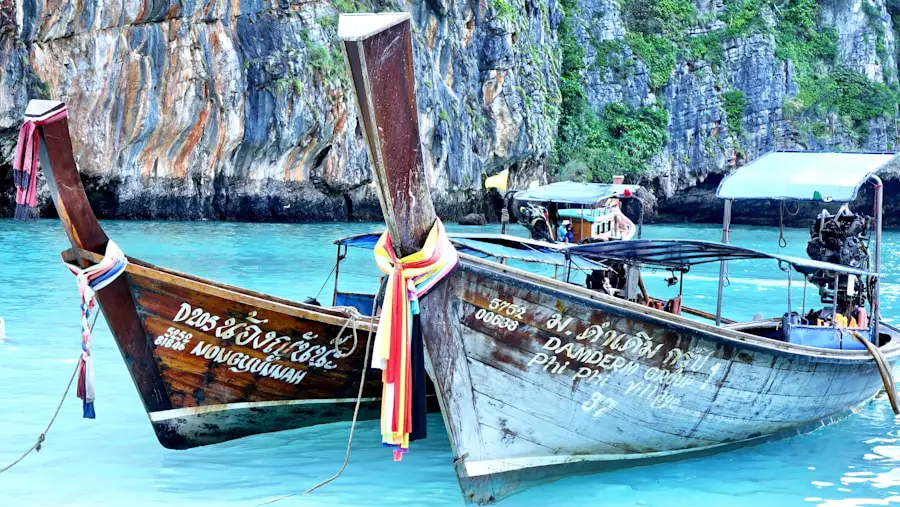
Old Phuket Town shows a very different side of the island. Its historic streets are lined with colorful shophouses, shrines, cafes, local restaurants, museums, murals, and buildings influenced by Phuket’s Chinese, European, and Peranakan heritage.
Thalang Road and nearby Dibuk Road, Phang Nga Road, Krabi Road, and Soi Romanee are easy to explore on foot. Look beyond the most photographed facades and you will find old family businesses, Chinese shrines, bakeries, galleries, and small restaurants mixed with newer cafes.
The Sunday Walking Street, often called Lard Yai or Lat Yai, turns Thalang Road into a pedestrian market with street food, crafts, souvenirs, and performances. The Tourism Authority of Thailand lists the market on Sundays, traditionally from late afternoon into the evening, although event schedules can change.
Phuket Thai Hua Museum is useful for travelers who want more background on the Chinese community and the island’s development during the tin-mining era. You can also simply walk the neighborhood and focus on architecture, food, and street life.
For current destination information, see the Tourism Authority of Thailand’s Phuket guide.
Pro Tip: Visit Old Town early for cooler walking and easier photos, or go on Sunday afternoon if the walking market is a priority. The two experiences feel very different.
Visit Wat Chalong
Wat Chalong, also known as Wat Chaitaram, is one of Phuket’s best-known Buddhist temples. It gives visitors a better sense of the island’s religious life and works naturally with a southern Phuket sightseeing day that also includes Old Town, Big Buddha, or the Kata and Karon area.
Dress modestly and remove footwear before entering areas where signs or local custom require it. Avoid pointing your feet toward Buddha images, climbing on religious structures, or treating prayer areas as photo sets.
People come to Wat Chalong to pay respect to revered monks, make merit, and visit the temple complex. Give worshippers space and keep conversations quiet inside buildings.
See Karon Viewpoint and Promthep Cape
Phuket’s elevated viewpoints are worth adding even if you already have several beach days planned. Karon Viewpoint looks across the curved bays of Kata Noi, Kata, and Karon and is easy to combine with southern west-coast beaches.
Promthep Cape, farther south, is one of Phuket’s classic sunset stops. Sunset is also when it becomes busiest. Arriving earlier gives you more time to find a safe viewpoint and explore without rushing.
For a less tightly scheduled day, pair a viewpoint with Nai Harn Beach or Rawai rather than trying to race between distant attractions across the island.
Go Snorkeling and Diving in the Andaman Sea
Phuket is a major base for Andaman Sea snorkeling and scuba diving. Local day trips reach reefs and dive sites around Racha Yai, Coral Island, Phi Phi, Shark Point, Anemone Reef, and the King Cruiser Wreck, while longer or seasonal trips can reach the Similan and Surin areas.
Dive depth, visibility, current, and temperature vary by exact site, weather, tide, plankton levels, and season. The table below is a planning guide rather than a promise of conditions.
| Location | Typical Dive Depths | Typical Visibility | Water Temperature | Season Note |
|---|---|---|---|---|
| Similan Islands | About 5-40 m depending on site | Often around 15-30 m, sometimes more | About 26-30°C | Seasonal national-park access; closed during part of the monsoon period |
| Surin Islands | Shallow reefs to dives around 30-35 m | Highly variable; roughly 10-35 m at major sites | About 26-30°C | Seasonal national-park access; verify before booking |
| Phi Phi Islands | Shallow reefs to deeper recreational dive sites | Roughly 10-30 m depending on season and site | About 28-30°C much of the year | Diving operates broadly year-round, but individual park areas may close |
Beginners can choose sheltered reef dives or introductory programs with a reputable operator. Certified divers have options such as the King Cruiser Wreck and deeper reef or pinnacle dives. Anemone Reef is known for dense marine growth, while Phi Phi combines limestone formations with reef diving.
No dive operator can guarantee marine-life sightings or perfect visibility. Certification level, current, depth limits, and recent weather should determine which site is appropriate.
PADI notes that the Andaman side of Thailand generally has its best diving conditions from roughly October through April, although some Phuket and Phi Phi diving continues outside that window. See PADI’s Thailand diving overview for additional seasonal context.
Warning: The Similan and Surin marine parks are not year-round attractions. Thailand closes protected areas seasonally for safety and ecological recovery. Check the Department of National Parks status before paying for a tour, especially from May through October.
Products Worth Considering

COMFORTABLE BREATHING EXPERIENCE: Breathe naturally and comfortably through your nose and mouth. Flowtech provides up to 600% percent easier work of breathing compared to other full face snorkeling masks on the market. Flowtech has two chambers and 4 intake valves to allow air to circulate in and out freely. Using one-way valves and a separate breathing chamber ensures fresh air is always circulating through the mask

🐋【Dry Top Anti-Splash Design Secures Kid's Safety】Snorkeling Set bag installs an one-way inhalation valve and has a mobile floating ball on the top of it. Once the tube is underwater, the tube entrance will be closed by the floating ball. A large purge valve makes cleaning this snorkel easy. NOTE: Please clean sands in the tube carefully before next time use.

Patent pending dry top deflector reduces water entry
Enjoy Patong’s Nightlife
Patong is Phuket’s main nightlife district. Bangla Road becomes a dense strip of bars, music venues, clubs, street performers, restaurants, and late-night crowds after dark.
Travelers who prefer a slower evening can stay closer to the beachfront or choose restaurants and quieter bars away from the busiest part of Bangla Road. Those looking for larger entertainment venues will find cabaret shows, live music, and Muay Thai events around the Patong area.
Simon Cabaret is known for large-scale stage performances and elaborate costumes. Muay Thai matches provide a very different evening experience for visitors interested in Thailand’s national combat sport.
As with any busy nightlife area, keep control of your belongings, confirm prices before ordering services or activities, and arrange a safe way back to your accommodation before the night gets late.
Take a Day Trip to the Phi Phi Islands
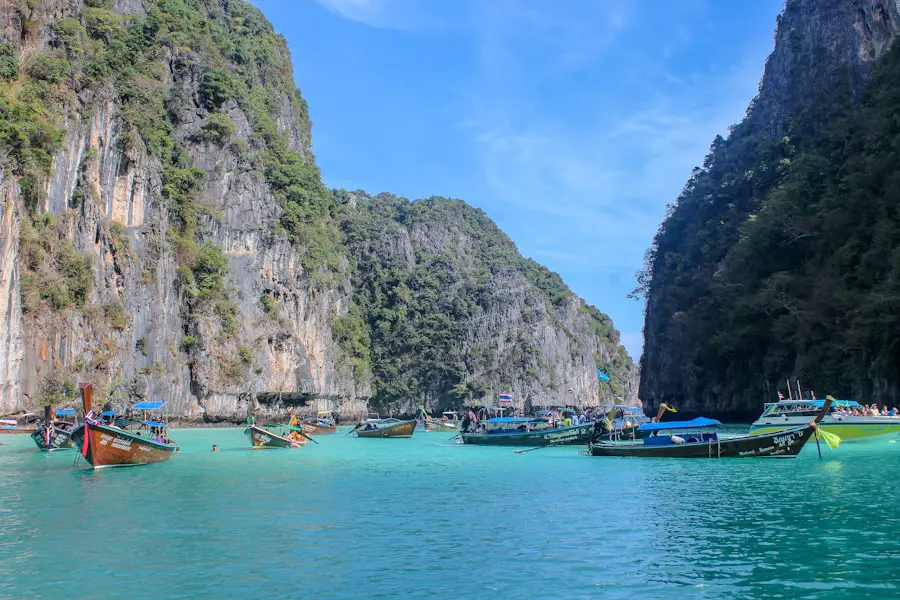
The Phi Phi Islands are among the most popular excursions from Phuket. Phi Phi Don has accommodation, restaurants, beaches, and the main settlement, while uninhabited Phi Phi Leh is known for dramatic limestone scenery, Pileh Lagoon, and Maya Bay.
Maya Bay became internationally famous through the film The Beach, but it is now managed under strict conservation rules. Visitors should not treat it as an ordinary swimming beach. Swimming is restricted, visitor management rules apply, and the bay is subject to recurring seasonal closures for ecological recovery and monsoon safety.
Snorkeling is still an important part of many Phi Phi excursions, but operators use permitted sites around the islands rather than promising swimming at Maya Bay itself. The exact stops depend on weather, park rules, tides, and the tour itinerary.
Travel time varies by departure pier, boat type, sea state, and itinerary. A fast boat can make the crossing substantially quicker than a conventional ferry, but a rough sea can make even a short trip uncomfortable.
Note: Maya Bay, Loh Samah Bay, and other national-park areas can close seasonally or temporarily. Check the current park status close to your travel date rather than assuming an older tour itinerary is still valid.
Try Water Sports at Kata Beach
Kata Beach supports several water activities, but the best option changes with the season. During calmer periods, visitors may find paddleboarding, kayaking, and swimming conditions that suit less-experienced participants. From roughly May through October, stronger swell turns Kata into one of Phuket’s better-known surfing beaches.
Surf schools and board rentals are available around the area when conditions are suitable. Beginners should take lessons in an appropriate part of the beach rather than assuming every breaking wave is safe.
Jet skiing and parasailing are also offered in parts of Phuket. Before using rented equipment, confirm the operator’s terms, understand the route or operating area, and inspect the equipment. Never participate when lifeguards, weather conditions, or local authorities indicate the sea is unsafe.
Kayaking can provide a quieter experience when the water is calm, but it should not be used as a way to bypass rough-sea warnings or restricted areas.
Visit the Phuket Elephant Sanctuary
Phuket Elephant Sanctuary provides retirement and rehabilitation space for elephants that previously worked in tourism, logging, or other captive settings. Its model is designed around allowing elephants more control over their daily behavior rather than using them for rides or performances.
The visitor experience changed significantly in 2026. From April 1, Phuket Elephant Sanctuary discontinued feeding interactions and moved to a fully hands-off, observation-only model. Visitors now watch elephants roaming, foraging, socializing, bathing, and resting without touching or hand-feeding them.
Guided visits explain the elephants’ histories, behavior, welfare needs, and the sanctuary’s work. Its Canopy Walkway also allows guests to observe animals while maintaining more distance.
This distinction matters when choosing an elephant attraction. Riding, forced bathing, tricks, and constant close-contact photo sessions may be marketed as memorable experiences, but they do not give elephants the same freedom to choose whether to interact.
See the Phuket Elephant Sanctuary’s official information for its current welfare and visitor policy.
Explore Phang Nga Bay
Phang Nga Bay provides a different type of day trip from Phi Phi. Instead of open-ocean beaches being the main attraction, the landscape is defined by limestone karsts rising from sheltered-looking bays, mangroves, caves, and small islands.
Many excursions combine sightseeing with sea kayaking through caves or lagoons when tides and conditions allow. Khao Phing Kan is widely known as James Bond Island because of its appearance in The Man with the Golden Gun.
Phang Nga Bay can be a useful alternative when you have already scheduled a Phi Phi trip or want more emphasis on scenery and kayaking than beach time. Conditions still matter, so operators may change routes when tides or weather make a planned cave or lagoon unsafe.
Try Phuket’s Local Food and Markets
Do not spend the entire trip eating only in beachfront resort areas. Phuket’s food reflects southern Thai, Chinese, Peranakan, Malay, and other influences built through centuries of trade and migration.
Foods to look for include Phuket-style Hokkien noodles, moo hong braised pork, oh tao oyster omelet, local curries, seafood, dim sum, roti, and small sweets sold around markets and Old Town.
Sunday Walking Street is an easy introduction, but morning markets and neighborhood restaurants can offer a more everyday view of local eating. Ask what a stall specializes in instead of trying to order every dish from the same vendor.
How to Get Around Phuket
Phuket is large enough that poor route planning can waste hours. Patong, Phuket Old Town, the airport, Kata, Rawai, and the far north of the island are not all close together.
Taxis, ride-hailing services, private drivers, hotel transfers, and local transport can all be useful depending on the route. A private driver can make sense for a sightseeing day with several stops because you avoid arranging a new ride after every attraction.
Scooter rental is common, but Phuket’s steep roads, rain, traffic, and unfamiliar driving conditions can make it a poor choice for inexperienced riders. Rent one only if you are properly licensed, insured, comfortable on a motorcycle, and prepared for changing weather.
Group nearby attractions together. Old Town and Wat Chalong work well on one sightseeing day; Kata, Karon, Nai Harn, and southern viewpoints work better together than mixed with an airport-area attraction.
How to Plan Three Days in Phuket
Day 1: Culture and Old Town
Start in Old Phuket Town before the hottest part of the day. Explore Thalang Road and nearby streets, visit a museum or shrine, then continue to Wat Chalong. If Big Buddha access is confirmed, add it later in the day and finish at a southern viewpoint.
Day 2: Beaches and Southern Phuket
Choose two or three nearby beaches rather than trying to collect every beach on the island. Kata, Karon, and Nai Harn can be combined with Karon Viewpoint or Promthep Cape. Adjust swimming and water sports to the day’s sea conditions.
Day 3: Choose One Major Excursion
Use the third day for Phi Phi, Phang Nga Bay, diving, or an elephant-sanctuary visit. Avoid stacking two full-day excursions together simply to increase the attraction count. Phuket is more enjoyable when there is room for weather delays, traffic, meals, and unplanned stops.
If you’re planning outdoor sightseeing in Phuket, compact binoculars can also be useful at viewpoints, on nature-focused walks, or when observing wildlife from a respectful distance. The existing guide to compact binoculars for hiking covers lightweight options that are easier to pack.
Frequently Asked Questions
What are the top things to do in Phuket?
Top Phuket experiences include exploring Old Phuket Town, visiting Wat Chalong and Big Buddha, beach hopping around Kata, Karon, Patong, and Nai Harn, taking a Phi Phi or Phang Nga Bay trip, snorkeling or diving, seeing southern viewpoints, trying local food, and visiting a responsible elephant sanctuary.
What are the best beaches in Phuket?
Patong is best for travelers who want restaurants and nightlife close by. Kata combines beach access with surfing and a relaxed resort area, while Karon has a long shoreline and more space. Nai Harn is popular in southern Phuket, and Freedom Beach offers a more tucked-away setting when access and sea conditions permit.
What are the must-see attractions in Phuket?
Strong first-time choices include Old Phuket Town, Wat Chalong, Big Buddha, Karon Viewpoint or Promthep Cape, and at least one west-coast beach. Travelers interested in animals can add Phuket Elephant Sanctuary, while an interactive 3D museum can provide an indoor option during poor weather.
What water activities are popular in Phuket?
Popular activities include snorkeling, scuba diving, surfing, paddleboarding, kayaking, parasailing, and boat trips. Conditions vary by season. The southwest monsoon can produce stronger surf, rough seas, and tour cancellations, so beach flags and marine forecasts should take priority over a pre-booked itinerary.
What is the best time to visit Phuket?
November through April is generally the easiest period for beach-focused travel because the west coast usually has drier weather and calmer conditions. May through October is wetter and can bring rougher seas, but it is also Phuket’s main surfing period and often has fewer visitors.
Is Maya Bay open all year?
No. Maya Bay is inside Hat Noppharat Thara-Mu Ko Phi Phi National Park and is subject to seasonal conservation closures and other visitor restrictions. Swimming is restricted, and park rules can change. Check the Department of National Parks’ current status before booking a tour.
Is Phuket Big Buddha open?
The Big Buddha reopened in March 2026 following the extended closure after the 2024 Nakkerd Hill landslide. Because access conditions changed several times during that period, travelers should still verify current opening information shortly before visiting.
Can visitors feed elephants at Phuket Elephant Sanctuary?
No. Phuket Elephant Sanctuary ended visitor feeding interactions on April 1, 2026 and moved to a fully hands-off model. Guests observe elephants behaving naturally instead of feeding, bathing, riding, or touching them.
How many days do you need in Phuket?
Three full days are enough for a first look at Old Town, temples, several beaches, viewpoints, and one major excursion. Four to five days gives you much more flexibility for an island trip, weather changes, diving, food, or a slower beach day.
Sources
- Tourism Authority of Thailand — 10 Things to Do in Phuket — supports Old Phuket Town, local heritage, markets, and major Phuket attractions.
- The Phuket News — Big Buddha Reopens — supports the March 2026 reopening and updated access context.
- Department of National Parks, Wildlife and Plant Conservation — Similan 2026 Seasonal Closure — confirms the 2026 seasonal closure beginning May 16.
- Government Public Relations Department — Thailand National Park Seasonal Closure Schedule 2026 — supports checking current national-park operating status before travel.
- Thai Meteorological Department — Marine Forecast — official source for Andaman Sea forecasts and marine conditions.
- Phuket Elephant Sanctuary — Official Visitor and Welfare Information — supports the sanctuary’s 2026 transition to a fully hands-off model.
