
Last Updated on July 25, 2026 by Daniel Globe
“Hotel California” is the Eagles’ best-known musical mystery: a polished rock song that turns a glamorous destination into a symbol of excess, temptation, and disillusionment. The album arrived in December 1976, while the title track became a major single in 1977. Written by Don Felder, Don Henley, and Glenn Frey, the song combines an open-ended narrative with one of rock’s most recognizable dual-guitar endings.
Quick Answer
“Hotel California” is the Eagles’ allegorical story about the seductive side of the American dream. Don Henley described it as a journey from innocence to experience, touching on excess, narcissism, and the music business. The hotel is fictional; it represents an inviting world that becomes difficult to escape.
Key Takeaways
- The Hotel California album was released in 1976; the title song became a U.S. No. 1 single in 1977.
- Don Henley said the song concerns America, excess, narcissism, and the darker side of the American dream.
- Don Felder created the musical foundation, while Henley and Glenn Frey developed the lyrics and vocal melody.
- The original recording is in B minor, moves at about 74 BPM, and lasts roughly six and a half minutes.
- The fictional hotel is not evidence of a hidden satanic message or a specific real-life property.
The Meaning and Symbolism in the Lyrics
The safest way to explain the meaning of “Hotel California” is to begin with the songwriters’ own comments. In a 2016 interview, Don Henley called it “a journey from innocence to experience” and said it was about America rather than California alone. He connected it with excess, narcissism, the music business, and the darker side of the American dream. He also allowed room for many interpretations. You can read his comments in the CBS News interview.
Within the song, the hotel first appears welcoming. Its lights, luxury, and hospitality promise comfort and pleasure. As the story develops, that attraction begins to feel restrictive. The setting therefore works well as a symbol of any seductive system—fame, wealth, addiction, status, or a powerful social scene—that is easy to enter but hard to leave.
The narrator is not simply trapped by an outside force. The song also suggests that people help build their own prisons through their choices and desires. That idea gives the story a wider reach. A listener does not need to be a celebrity to recognize the experience of chasing something attractive, discovering its cost, and struggling to step away.
Note: The lyrics are intentionally open-ended. Interpretations about fame, materialism, addiction, and lost innocence fit the text, but they should be presented as readings—not as a single secret code confirmed by the band.
The Inspiration Behind the Song
The song began with music rather than finished lyrics. Don Felder developed the guitar progression and made a demo, which carried the working title “Mexican Reggae.” Henley and Frey then shaped the vocal melody, story, and language around that musical foundation.
The wider concept drew on the band’s experience of Los Angeles in the 1970s. The city represented opportunity, glamour, and artistic freedom, but it also exposed musicians to commercial pressure, celebrity culture, and excess. That contrast between invitation and danger became central to the song.
The setting is fictional, but its details feel real because the writers used recognizable California imagery. The result is less like a report about one hotel and more like a dream sequence: familiar enough to enter, strange enough to become unsettling.
How “Hotel California” Was Written and Recorded
The Eagles recorded the Hotel California album with producer Bill Szymczyk at Criteria Studios in Miami and the Record Plant in Los Angeles. Rhino’s official anniversary history confirms that the sessions were split between those studios and that the album was the first Eagles studio album to feature Joe Walsh. See Rhino’s album history.
The title track went through several versions before the band settled on the final arrangement and vocal key. The finished studio recording was made in B minor, a key that supported Henley’s lead vocal while preserving the tension of Felder’s progression. The production layers acoustic and electric guitars, bass, drums, percussion, and tightly arranged backing vocals without making the track feel crowded.
Who Wrote Which Parts?
- Don Felder: developed the main chord sequence, demo, and much of the guitar framework.
- Don Henley: sang the lead vocal and helped create the lyrics and melody.
- Glenn Frey: co-wrote the lyrics and helped shape the song’s narrative and structure.
- Joe Walsh: worked with Felder on the electric-guitar exchanges and harmonized finale.
The Musical Composition
| Aspect | Verified Detail |
|---|---|
| Original studio length | About 6 minutes 30 seconds |
| Key | B minor |
| Tempo | Moderately slow, about 74 BPM |
| Time signature | 4/4 |
| Songwriters | Don Felder, Don Henley, and Glenn Frey |
| Lead vocal | Don Henley |
| Closing lead guitars | Don Felder and Joe Walsh |
Licensed sheet music lists the original published key as B minor and the tempo at about 74 beats per minute. Those details are available in the Musicnotes arrangement data.
The song’s repeating chord cycle creates forward motion while keeping the harmony unsettled. The verses remain controlled and spacious, giving Henley’s vocal room to tell the story. As the track develops, the guitars become more prominent until the vocal narrative gives way to the extended instrumental ending.
Why the Guitar Finale Stands Out
Felder and Walsh first trade lead phrases, creating the feeling of a musical conversation. Their separate lines then join in harmonized parts. The section works because it is not simply a display of speed: it restates the song’s harmony, builds tension in stages, and gives the recording a clear climax.
Pro Tip: To hear the arrangement clearly, listen first for the alternating guitar phrases, then replay the ending and focus on the moment the two leads begin moving together in harmony.
The Cultural Impact of “Hotel California”
The song reached No. 1 on the Billboard Hot 100 in May 1977 and held the top position for one week. Billboard’s chart retrospective records the No. 1 date as May 7, 1977: Billboard chart history.
Its success was not limited to radio. “Hotel California” won Record of the Year at the 20th Grammy Awards. The album did not win two Grammys by itself; the second award connected with the album went to “New Kid in Town” for its vocal arrangement. The Recording Academy summarizes those honors in its 40th-anniversary account.
As of January 2026, the Hotel California album had been re-certified 28× Platinum in the United States.
That updated certification places the album among the most commercially successful releases in U.S. recording history. The Eagles announced the milestone in an official January 2026 release.
The song also became a model for ambitious album-oriented rock. It showed that a long single with an extended instrumental ending could become a major mainstream hit without being reduced to a conventional three-minute format.
The Controversy, Myths, and Misinterpretations
Because the song avoids a plain explanation, listeners have attached many theories to it. Some interpretations—such as critiques of fame, addiction, materialism, or the music business—fit Henley’s public comments and the song’s imagery. Other claims go much further than the available evidence.
Is the Song About a Real Hotel?
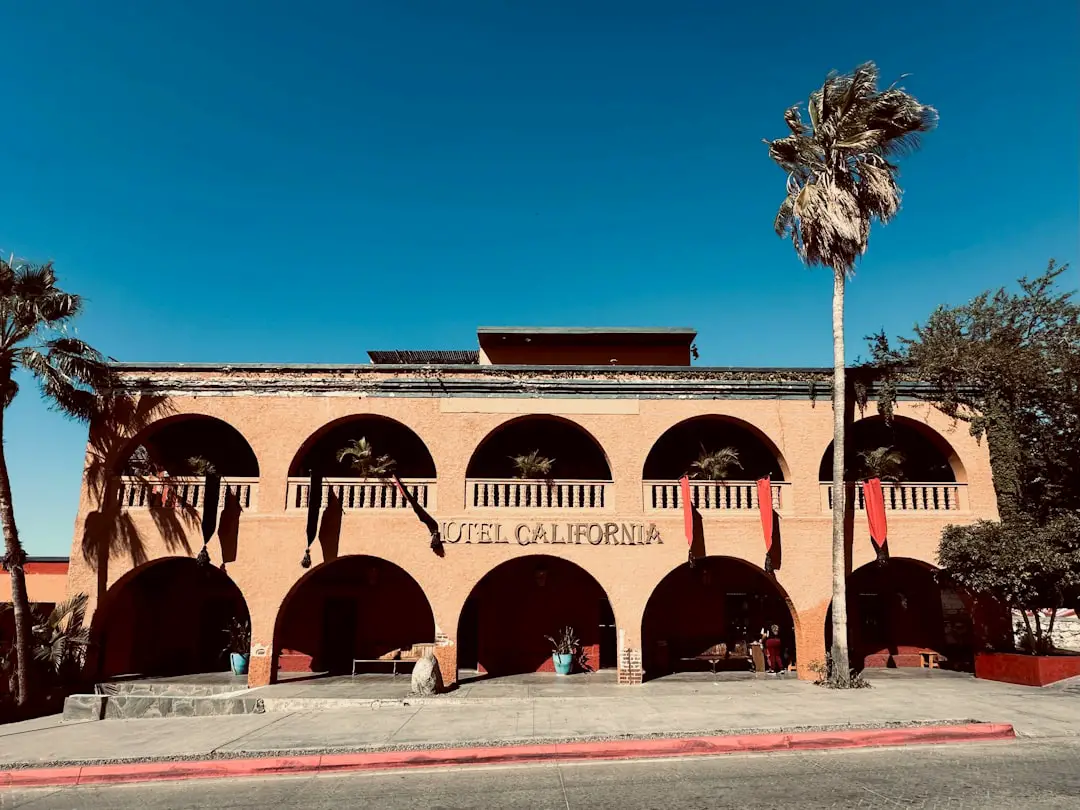
No specific hotel has been confirmed as the literal setting of the story. The hotel in the lyrics is fictional and symbolic. The album cover does feature the Beverly Hills Hotel, but a cover location is not the same thing as the narrative setting or the song’s official meaning.
Is There a Satanic or Witchcraft Message?
There is no credible evidence that the song was written as a satanic message or coded account of witchcraft. Those claims rely on speculation rather than statements from the writers. Henley’s own explanation points instead to America, excess, narcissism, the music business, and the loss of innocence.
Is It Only About the Music Industry?
The music business is one part of the meaning, but not the whole of it. The song works on several levels because the hotel can represent a broader culture of desire and consumption. That wider frame is one reason listeners continue to apply it to different experiences.
The Legacy of “Hotel California”
The song’s legacy rests on the way its writing and performance reinforce each other. The lyrics create a vivid but unresolved story. The minor-key harmony adds unease. Henley’s restrained vocal keeps the narrative believable, while Felder and Walsh provide a final release through the extended guitar passage.
Later artists have covered or reinterpreted the song, but the original remains difficult to separate from the Eagles’ particular combination of vocal precision and guitar arrangement. It is also a common reference point in discussions of narrative songwriting, studio production, and harmonized lead guitar.
The track’s stature has been supported by chart success, Grammy recognition, continued album certification, radio exposure, streaming, and live performance. More importantly, its central conflict still feels current: attractive systems can offer identity and pleasure while quietly limiting freedom.
Why the Song Remains Popular
“Hotel California” continues to reach new listeners because it works on several levels at once. It can be enjoyed as a guitar-driven rock recording, followed as a short surreal story, or studied as a commentary on ambition and excess. Listeners do not need to agree on one interpretation to feel the song’s tension.
Its structure also rewards repeat listening. The introduction is instantly recognizable, the verses reveal images in stages, the chorus is memorable, and the long guitar ending gives the track a second dramatic peak. That balance of accessibility and mystery helps explain why the song has lasted beyond the era that produced it.
For readers exploring the recording further, the most useful comparison is between the original studio track and officially released live versions. Changes in pacing, guitar tone, and performance reveal how carefully the core arrangement was built.
Ultimately, “Hotel California” is more than a tale about a strange lodging place. It is a carefully constructed allegory about attraction, choice, and the cost of excess, carried by a recording whose musical details remain as memorable as its unanswered questions.
Frequently Asked Questions
What is the meaning of “Hotel California” by the Eagles?
Don Henley described the song as a journey from innocence to experience and linked it to America, excess, narcissism, and the music business. The fictional hotel represents an attractive world that gradually becomes confining.
Is “Hotel California” a real place?
The song does not describe a confirmed real hotel. Its setting is fictional and symbolic. The Beverly Hills Hotel appears on the album cover, but it has not been identified as the literal location of the story.
Was “Hotel California” released in 1976 or 1977?
Both years appear because they refer to different releases. The album Hotel California arrived in December 1976, and the title track became a single and topped the U.S. chart in 1977.
Who wrote “Hotel California”?
The credited songwriters are Don Felder, Don Henley, and Glenn Frey. Felder developed the musical foundation, while Henley and Frey helped shape the lyrics, melody, and narrative.
What key and tempo is the original recording in?
The original published key is B minor. Licensed sheet music marks the tempo as moderately slow at about 74 beats per minute, in 4/4 time.
Who plays the guitar solos in “Hotel California”?
Don Felder and Joe Walsh perform the famous closing lead-guitar section. They trade individual phrases before joining in harmonized lines.
What does the “you can never leave” line mean?
It suggests psychological or social entrapment rather than a locked building. A person may step away physically while remaining tied to the habits, ambitions, or consequences created by an alluring lifestyle.
Is “Hotel California” a satanic song?
There is no credible evidence for that claim. The writers’ public explanations focus on excess, the American dream, narcissism, the music business, and a loss of innocence.
Sources
- CBS News interview with Don Henley — the songwriter’s explanation of the song’s themes.
- Rhino: Happy 40th, Hotel California — album release, recording studios, lineup, and sales history.
- Recording Academy: Hotel California 40th anniversary — Grammy wins, nominations, and Hall of Fame recognition.
- Billboard chart retrospective — the title track’s 1977 Hot 100 No. 1.
- Eagles official 2026 certification announcement — the album’s 28× Platinum U.S. certification.
- Musicnotes licensed sheet-music data — original key, tempo, songwriters, and publisher.
