

Last Updated on July 31, 2026 by Daniel Globe
Many hotels now welcome dogs, cats, and other companion animals, but “pet-friendly” does not mean every property follows the same rules. One hotel may accept two large dogs without a fee, while another may allow only one small dog in selected rooms. The safest approach is to compare the brand policy, read the individual property page, and confirm the details directly before you pay.
Quick Answer
Many U.S. hotel brands allow pets, but the rule is often set by the individual property. Kimpton and Motel 6 have broad brand-wide policies, while La Quinta, Best Western, Hilton, Choice, and Red Roof vary by location, fees, species, weight limits, and room type. Always confirm the exact hotel before booking.
Key Takeaways
- A brand may be pet-friendly without every location accepting pets.
- Confirm the allowed species, number of pets, weight or breed limits, fees, deposits, and unattended-pet rules.
- Reserve a pet-designated room and keep written proof of the policy and quoted charges.
- Pack identification, health records, medications, food, restraints, waste supplies, and familiar bedding.
- In the United States, trained service animals are not pets and are covered by different rules under the ADA.
The American Pet Products Association reported that 95 million U.S. households owned at least one pet in 2025, helping explain why pet-friendly lodging has become a major travel need.
Disclosure: As an Amazon Associate I earn from qualifying purchases. Some links on this page are affiliate links, at no extra cost to you.
Which Hotel Chains Allow Pets?
The examples below were checked against official brand pages on July 31, 2026. Policies can change, and local laws or property-specific restrictions may override a brand’s general rule. Always open the page for the exact hotel and call the front desk when a restriction could affect your stay.
| Hotel brand | General pet policy | What to verify |
|---|---|---|
| Kimpton Hotels | Kimpton says it welcomes pets of any size, weight, or breed at every hotel, with no pet fee or deposit. Its policy also covers animals beyond dogs and cats. | Ask whether specific restaurants, pools, spas, or other on-site spaces have animal restrictions. |
| Motel 6 | Motel 6 generally allows up to two well-behaved pets per room without a pet fee. Local laws and safety rules may create exceptions. Studio 6 has a separate fee policy at some locations. | Confirm whether you booked Motel 6, Studio 6, or Studio 6 Suites and review the exact location’s rules. |
| Red Roof | Red Roof Inn and Red Roof PLUS+ generally welcome up to two domestic dogs or cats weighing no more than 80 pounds each. The first pet stays free; the second is generally $15 per night, capped at $105. | HomeTowne Studios and The Red Collection may use different rules. Confirm the number of pets and current fee directly. |
| La Quinta by Wyndham | Most locations accept up to two domestic dogs or cats in designated rooms. A property may charge up to $25 per night, with a stated maximum of $75 per room per stay. | Some locations do not allow pets, and selected hotels use weight limits or added restrictions. |
| Best Western | Participating pet-friendly hotels generally allow up to two domestic dogs weighing up to 80 pounds each. A charge of up to $40 per day and a refundable damage deposit of up to $150 may apply. | Not every location participates. Cats and other animals require property approval. |
| Hilton | Hilton lists thousands of pet-friendly properties in the United States and Canada, but fees and restrictions vary by hotel and brand. | Check the individual property page for species, weight, number of pets, fee, and room-type limits. |
| Choice Hotels | Choice offers thousands of pet-friendly properties across brands such as Comfort, Quality Inn, Econo Lodge, and others, but each hotel sets important details. | Verify the exact property because pet type, weight, fees, and access to common areas differ. |
Pro Tip: After calling the hotel, ask the employee to add your pet to the reservation notes. Save a screenshot of the property’s pet policy and the total quoted fee in case the website changes before check-in.
What to Look for in a Pet-Friendly Hotel
Pet Policy: Know the Rules
Read the policy for the exact property, not only the chain’s main pet page. Confirm all of the following before booking:
- The species allowed, such as dogs, cats, birds, or other small animals
- The maximum number of pets per room
- Individual or combined weight limits
- Any breed restrictions or local legal restrictions
- Whether only selected rooms or floors accept pets
- Whether pets may be left alone and, if so, whether a crate is required
- Leash, carrier, noise, housekeeping, and pet-relief rules
- Areas where pets are prohibited, such as breakfast rooms, pools, fitness centers, or restaurants
“Pet-friendly” often means dog-friendly, not automatically cat-friendly or open to every type of animal. Cat owners should specifically ask about litter-box rules, room-cleaning procedures, and whether cats may be left in the room.
Calculate the Full Cost
Do not compare room rates until you know the complete pet charge. A hotel may use a nightly fee, a per-stay fee, a fee for each pet, a refundable deposit, or a separate damage charge. Ask whether taxes apply to the pet fee and whether the charge is capped on longer stays.
Warning: A “pet deposit” and a “pet fee” are not the same. A deposit may be refundable if there is no damage, while a cleaning or accommodation fee is often non-refundable. Get the terms in writing before booking a non-refundable room.
Location, Location, Location
A convenient hotel can make pet care much easier. Look for a safe walking route, a designated relief area, nearby parks, pet-friendly patios, a pet-supply store, and an emergency veterinary clinic. Check local leash rules and seasonal restrictions before assuming a beach or trail allows pets all day.
A Welcoming Atmosphere
Useful amenities may include washable pet beds, bowls, waste bags, relief areas, door hangers, local pet guides, or access to walking and sitting services. These extras are not guaranteed, even at an upscale hotel. Recent reviews from travelers with a similar type and size of pet can reveal whether the property’s real-world practice matches its written policy.
Booking Checklist
| Confirm | Question to ask |
|---|---|
| Eligibility | Do you accept my pet’s species, weight, breed, and number of animals? |
| Total price | What is the total pet fee, including taxes, deposits, and charges for a second pet? |
| Room access | Is a pet-designated room available for my dates, and is it the room type I selected? |
| Unattended pets | May my pet stay alone, and must the pet be crated or the front desk notified? |
| Housekeeping | How do I schedule cleaning when my pet is not in the room? |
| Amenities | Are bowls, beds, waste bags, relief areas, or pet services actually available? |
| Cancellation | Can I cancel without penalty if the hotel cannot honor the confirmed pet room? |
Service Animals, Emotional Support Animals, and Pets
In the United States, a trained service animal is not treated as a pet under the Americans with Disabilities Act. Hotels generally may not restrict a guest with a service animal to a pet-designated room or charge an ordinary pet cleaning fee. They may charge for actual damage on the same basis used for other guests.
Under the federal ADA, an animal that provides comfort only and is not trained to perform a disability-related task is not a service animal. State or local laws may provide additional rights, so travelers should check the rules that apply at their destination. The U.S. Department of Justice explains the distinction in its service animal FAQ.
Note: This section summarizes general U.S. rules and is not legal advice. Other countries and some state or local laws use different definitions and protections.
Tips for Traveling with Pets
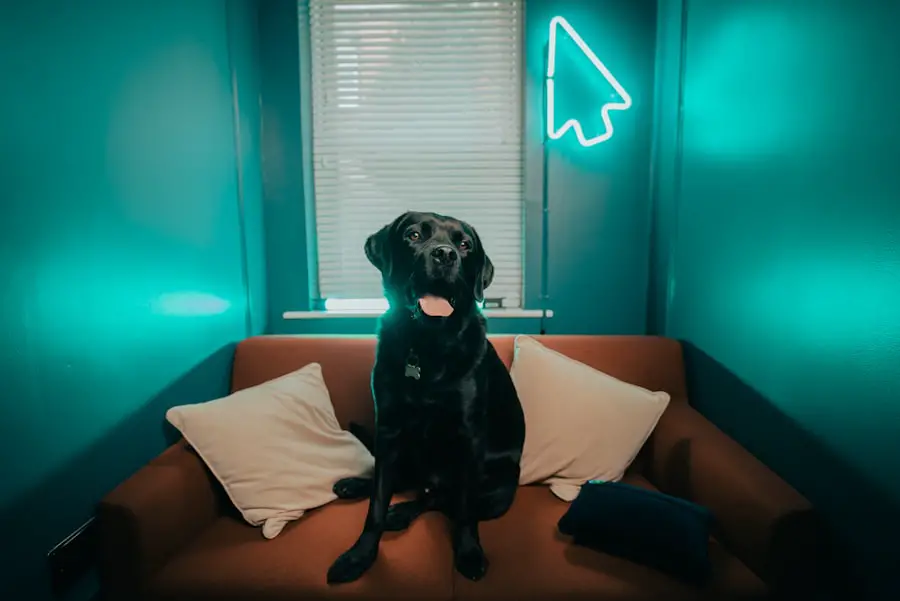
Prepare Your Pet Before the Trip
Ask your veterinarian whether your pet is healthy enough for the planned route, climate, and activities. Update identification tags and the contact details linked to any microchip. Let a nervous pet practice short car rides or quiet time in the travel carrier before the trip. A familiar blanket or toy can make the carrier and hotel room feel less strange.
Pack the Essentials
- Regular food, treats, and enough medication for the full trip plus a small delay
- Food and water bowls and a supply of safe drinking water
- Leash, harness, collar, carrier, or vehicle restraint suited to the pet
- Waste bags, litter box, litter, cleaning wipes, and a towel
- Vaccination records, health documents, prescription information, and veterinarian contact details
- A recent photo and clear description of the pet
- Familiar bedding, a quiet toy, and a basic pet first-aid kit
Traveling by Car
Secure pets in a suitable carrier or vehicle restraint instead of allowing them to move freely around the car. Plan regular water and bathroom breaks in safe locations. Never leave a pet in a parked vehicle when heat or cold could become dangerous, even during a brief stop.
Flying with a Pet
Airline rules vary by carrier, aircraft, route, pet size, breed, and weather. The U.S. Department of Transportation advises travelers to check fees, carrier requirements, age limits, cabin or cargo restrictions, and any health-record deadline directly with the airline. Reserve the pet’s place early because airlines may limit the number of animals on each flight.
Keep a cabin pet in the approved carrier and never place the carrier in an overhead bin. For cargo travel, follow the airline’s kennel and labeling requirements. Discuss health concerns, especially for short-nosed breeds or pets with heart, breathing, or anxiety problems, with a veterinarian before flying.
International and Interstate Travel
Pet-entry rules may require vaccinations, tests, parasite treatments, microchips, permits, or a government-endorsed health certificate. Requirements can take weeks or months to complete. Start with the USDA APHIS pet-travel portal and the destination government, then consult a USDA-accredited veterinarian for international travel from the United States. For travel between U.S. states or territories, check the receiving jurisdiction’s rules.
Pet Amenities at Pet-Friendly Hotels
Pet amenities range from practical basics to luxury services. The table below replaces vague or fictional hotel examples with the features that travelers should confirm at a real property.
| Amenity | Why it helps | What to confirm |
|---|---|---|
| Pet bed, bowls, or mat | Reduces the amount of bulky gear you must bring. | Size, availability, cleaning process, and whether advance request is required. |
| Relief or walking area | Makes early-morning and late-night bathroom trips easier. | Lighting, fencing, waste bags, leash rules, and distance from the room. |
| Pet menu or treats | Can be a convenient extra during the stay. | Ingredients, price, serving size, and suitability for the pet’s diet. |
| Walking, sitting, grooming, or spa service | May help when an activity does not allow pets. | Whether the provider is on-site or third-party, availability, insurance, credentials, and cancellation terms. |
| Door hanger or housekeeping alert | Warns staff that an animal may be inside. | The hotel’s required procedure for cleaning and maintenance access. |
Amenities should never replace the pet’s normal food, medication, restraint, or comfort items unless you have confirmed the exact product. Pets with allergies, digestive problems, or prescription diets should not receive unfamiliar treats or room-service meals without appropriate guidance.
Pet Policies and Fees
Hotel pet charges commonly fall into four groups:
- Nightly pet fee: Charged for each night and sometimes for each animal.
- Per-stay pet fee: Charged once, regardless of the number of nights, though a maximum stay may apply.
- Refundable deposit: Held against possible damage and returned under the hotel’s stated terms.
- Damage or excessive-cleaning charge: Assessed after a problem and separate from a standard pet fee.
Rules may also require pets to be leashed in common areas, crated when left alone, removed during housekeeping, or kept out of food-service and recreation areas. A hotel can ask a guest to leave if a pet is aggressive, repeatedly disruptive, not house-trained, or creates a health or safety problem.
Pro Tip: Compare the final stay price, not the advertised room rate. A slightly higher room with no pet fee may cost less than a discounted room with nightly charges for two animals.
Pet-Friendly Destinations

A good pet-friendly destination offers more than a hotel room. It should have safe walking areas, veterinary access, suitable weather, and attractions that fit your pet’s age, health, and behavior.
San Diego, California
San Diego has designated dog areas, including Dog Beach and Fiesta Island, but access rules differ at other beaches and can change by season and time of day. Review the City of San Diego dog-beach rules before visiting, and keep your dog leashed wherever off-leash use is not specifically allowed.
Asheville, North Carolina
Asheville’s official tourism site highlights dog-friendly lodging, outdoor dining, breweries, parks, and hiking options. Individual businesses and trails still set their own rules, so confirm access before arriving. Use Explore Asheville’s pet-friendly guide as a starting point.
How to Evaluate Any Destination
- Check leash, beach, park, trail, transit, and restaurant rules.
- Look for shade, safe walking surfaces, and weather suitable for your pet.
- Map a 24-hour veterinary hospital before you need one.
- Identify pet-friendly activities and a backup plan for places that do not allow animals.
- Review local disease risks and parasite prevention with your veterinarian.
Benefits of Traveling with Pets
Bringing a pet can provide companionship and remove the need to arrange boarding or a sitter. It may also encourage walks, outdoor time, and conversations with other travelers. These benefits depend on the animal. A pet that becomes frightened, motion-sick, aggressive, or overwhelmed may be happier and safer with a trusted caregiver at home.
Base the decision on the pet’s health, temperament, training, age, destination, and travel method rather than on the hotel’s willingness to accept animals. A pet-friendly booking is only a good choice when the full trip is pet-appropriate.
Making the Most of Your Pet-Friendly Hotel Stay
- Declare the pet at check-in. Confirm the fee and ask the front desk to explain relief areas, restricted spaces, and housekeeping procedures.
- Inspect the room. Photograph existing damage and move food, cords, trash, or fragile items out of reach.
- Help the pet settle. Offer water, set up familiar bedding, and take a calm walk before leaving the animal to rest.
- Prevent noise and damage. Use a crate when required, keep identification on the pet, and do not leave an anxious animal alone.
- Coordinate housekeeping. Remove or securely contain the pet at the agreed time so staff can enter safely.
- Clean up promptly. Use designated relief areas, carry waste bags, and keep the room tidy.
- Plan pet-free activities. Arrange a qualified sitter or choose another activity rather than leaving the pet longer than the hotel permits.
If the front desk gives a policy that conflicts with your written confirmation, stay calm and show the reservation notes, email, or screenshot. Ask for a manager and request a practical solution, such as honoring the quoted fee, moving you to an eligible room, or allowing a penalty-free cancellation when the hotel cannot provide the confirmed accommodation.
For more destination-planning ideas, you can also browse TakeTravelInfo, then verify each hotel’s current pet policy on the property’s official page before booking.
Frequently Asked Questions
What are pet-friendly hotels?
Pet-friendly hotels are properties that allow at least some companion animals in guest rooms under a stated policy. The policy may limit the species, number, size, room type, or areas the animal may use.
What types of pets are usually allowed?
Dogs are accepted most often. Some hotels also allow cats, while birds, rabbits, reptiles, and other animals usually require advance approval. Never assume that the word “pet” covers every species.
What pet amenities do hotels offer?
Depending on the property, amenities may include beds, bowls, mats, treats, waste bags, relief areas, local pet guides, or access to walking, sitting, and grooming services. Ask which items are available for your dates.
Are there extra fees for bringing a pet?
Often, yes. A hotel may charge per night, per stay, per room, or per pet. It may also require a refundable deposit or charge separately for damage or excessive cleaning. Some brands and properties waive ordinary pet fees.
How can I find pet-friendly hotels?
Use the pet-friendly filter on a hotel brand or booking site, then open the individual property page. Confirm the policy directly with the hotel because third-party filters may omit fees, weight limits, or room restrictions.
Can I leave my pet alone in the hotel room?
Only when the hotel allows it. Some properties prohibit unattended pets, while others require a crate, a door hanger, or notice to the front desk. A disruptive or anxious pet should not be left alone.
Do hotels charge pet fees for service animals?
In the United States, hotels generally may not charge an ordinary pet or cleaning fee for a service animal covered by the ADA. They may charge for actual damage on the same basis used for other guests.
How do I avoid surprises at check-in?
Call the exact property, add the pet to the reservation, request the total fee, and save a written copy or screenshot of the policy. Reconfirm a few days before arrival when the stay is non-refundable or your pet is near a stated limit.
Note: This article provides general travel information. Health needs vary by animal, and hotel, airline, government, and legal requirements can change. Confirm current rules with the property, carrier, destination authority, and your veterinarian.
Sources
- American Pet Products Association: Industry Trends and Statistics — current U.S. pet-ownership data.
- Centers for Disease Control and Prevention: Pet Travel Safety — travel health, restraint, identification, and first-aid guidance.
- U.S. Department of Transportation: Flying with a Pet — airline fees, carrier rules, age, breed, weather, and document restrictions.
- USDA APHIS: Travel With a Pet — interstate and international entry requirements and veterinary documentation.
- U.S. Department of Justice: Service Animals and the ADA — hotel access, fees, and the distinction between service animals and emotional support animals.
- American Veterinary Medical Association: Traveling With Your Dog or Cat — practical preparation and carrier-acclimation guidance.
