

Last Updated on July 25, 2026 by Daniel Globe
In recent years, the hospitality industry has witnessed a significant shift toward boutique hotels, which have emerged as a preferred alternative to standard hotel chains. Driven by modern travelers seeking authentic, culture-rich experiences, these unique properties trade cookie-cutter layouts for intimate settings, distinctive architecture, and deeply personalized service.
Quick Answer
A boutique hotel is a small, design-focused hotel—typically featuring between 10 and 100 rooms—that offers personalized service and a strong connection to local culture. Unlike standardized chain hotels, boutique properties feature unique architecture, curated dining, and tailored guest experiences in vibrant urban or scenic settings.
Key Takeaways
- Intimate Scale: Most boutique hotels operate fewer than 100 rooms, fostering a cozy atmosphere where guests receive individualized attention.
- Distinctive Character: Many boutique stays occupy restored historic buildings, warehouses, or custom architectural landmarks filled with local artwork.
- Cultural Immersion: Properties partner with local chefs, artists, and artisans to reflect the vibrant spirit of their surrounding neighborhood.
- Tailored Hospitality: Staff provide customized itineraries, specialized concierge services, and personal touches that larger commercial chains struggle to match.
Disclosure: As an Amazon Associate I earn from qualifying purchases. Some links on this page are affiliate links, at no extra cost to you.
What Defines a Boutique Hotel? History and Evolution
The boutique hotel movement began gaining real momentum in the late 20th century, specifically in 1984 when hospitality pioneers Steve Rubell and Ian Schrager opened Morgans Hotel in New York City and coined the term “boutique.” Designed to contrast sharply with mass-market chain hotels, boutique properties prioritized individual character, artistic design, and tailored service over uniform efficiency.
Today, boutique hotels frequently inhabit repurposed historic structures, such as converted textile warehouses, historic banks, or former residential mansions. This adaptive reuse adds inherent charm and historic character that modern mega-resorts simply cannot replicate. As traveler preferences continue to favor authenticity over standardization, boutique accommodations have evolved into essential cultural anchors within major cities and destination towns alike.
Note: While traditional boutique hotels are independently owned, major hotel groups now operate “lifestyle collection” brands (such as Marriott’s Autograph Collection or IHG’s Kimpton) that combine boutique design with corporate loyalty perks.
Boutique Hotels vs. Traditional Chain Hotels
Understanding the key differences between boutique properties and commercial hotel chains can help travelers choose the ideal lodging for their trip style and preferences.
| Feature | Boutique Hotel | Traditional Chain Hotel |
|---|---|---|
| Room Inventory | Typically 10 to 100 rooms | Often 200 to 1,000+ rooms |
| Design Aesthetic | Unique, thematic, locally inspired decor | Standardized corporate brand layout |
| Service Style | Highly tailored, intimate, personalized | Standardized, transactional, process-driven |
| Dining & Cuisine | Chef-driven, farm-to-table, local focus | Standard hotel restaurant / buffet templates |
| Atmosphere | Cozy, artistic, community-integrated | Predictable, uniform, business-oriented |
The Unique Design and Personalized Service of Boutique Hotels
One of the defining features of boutique hotels is an uncompromising commitment to artistic design. Each property showcases a distinct aesthetic that separates it from conventional accommodation. Many boutique hotels collaborate directly with local interior designers and artists to craft spaces that resonate with the surrounding community. For instance, the Ace Hotel chain pioneered an eclectic style that blends vintage furnishings with contemporary artwork, resulting in lobby spaces that feel both nostalgic and modern.
This careful design philosophy enhances the overall guest experience while deepening the hotel’s geographic sense of place. Complementing bespoke aesthetic design is personalized service. In a boutique setting, staff members undergo training to deliver customized hospitality that accounts for individual guest habits and preferences.
Personalized attention can range from remembering a guest’s favorite welcome drink to curating custom daily itineraries. At Hotel Emma in San Antonio, Texas—a meticulously restored 1894 brewhouse—guests receive tailored recommendations for exploring the city’s rich history, art scene, and culinary riverwalk. Such thoughtful detail fosters genuine connection and guest loyalty that mass-market brands find difficult to replicate.
Exploring the Charm of Boutique Hotels in Trendy Neighborhoods
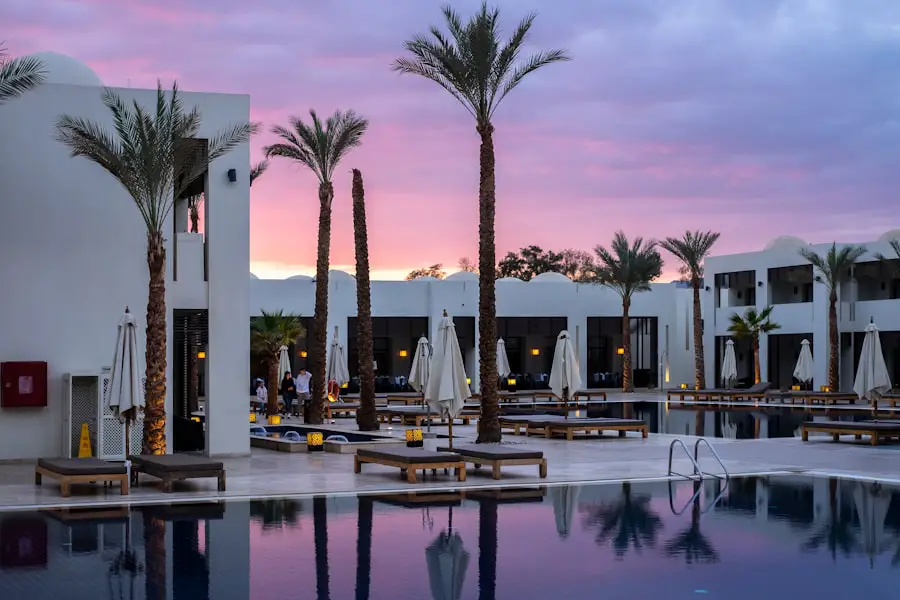
Boutique hotels are strategic anchors in vibrant, walkable urban centers. Rather than positioning near highway exits or sterile commercial corridors, these properties select locations in culturally rich neighborhoods that reflect the living heart of a city.
For example, The NoMad Hotel in New York City selected a historic Manhattan district celebrated for its eclectic mix of restaurants, galleries, and historic architecture. Guests step out of the lobby directly into the kinetic energy of the city, establishing an ideal launching point for authentic exploration.
Beyond convenience, boutique hotels actively function as community hubs. Properties host public art exhibitions, live musical performances, and pop-up artisan markets that welcome both travelers and neighborhood residents. The Kimpton Hotel Monaco in Portland displays a rotating collection of regional artwork throughout its hallways and common areas, showcasing local talent while creating an evolving visual experience for staying guests.
The Cultural Appeal of Boutique Hotels: Immersing Yourself in Local Flavor
The cultural draw of boutique hotels stems from their ability to immerse guests in authentic regional flavor. From architectural elements to curated menus, these hotels celebrate local heritage.
| Aspect | Metrics & Indicators |
|---|---|
| Guest Satisfaction | Consistently high review scores for personalized service and unique charm |
| Local Engagement | Percentage of guests joining in-house local tours, tastings, and workshops |
| Cultural Immersion | Frequency of seasonal cultural events, live music, and artist talks hosted on-site |
| Local Partnerships | Active collaborations with nearby bakeries, distilleries, artists, and independent shops |
In Austin, Texas, Hotel San Jose utilizes minimalist Tex-Med design to reflect the city’s relaxed music-focused culture. By featuring Texas artwork and locally sourced room amenities, the property gives guests an authentic taste of Austin’s creative spirit. Furthermore, many boutique properties arrange exclusive cultural access—such as private gallery walk-throughs, private culinary classes, or discounted entry to neighborhood performances.
Pro Tip: When booking a boutique hotel, inquire directly with the front desk about unadvertised guest perks. Many properties offer complimentary passes to local museums, private tasting sessions, or preferred reservations at top neighborhood restaurants.
The Intimate Atmosphere of Boutique Hotels: A Home Away from Home
Maintaining a lower room count empowers boutique hotels to foster a warm, residential environment. Guests receive attentive service without feeling lost in the sheer volume of a massive high-rise complex. This cozy dynamic encourages natural interaction between staff and visitors, turning common spaces into genuine gathering spots.
“By limiting room count and focusing on residential warmth, boutique hotels transform transactional stays into memorable social exchanges.”
Properties like The Hoxton in London lead this design concept by creating expansive, living-room-style lobbies equipped with plush seating, coffee bars, and work tables. Travelers and neighborhood locals mix seamlessly, establishing a vibrant social living room rather than a transient waiting lounge.
The Culinary Experience: Dining at Boutique Hotels
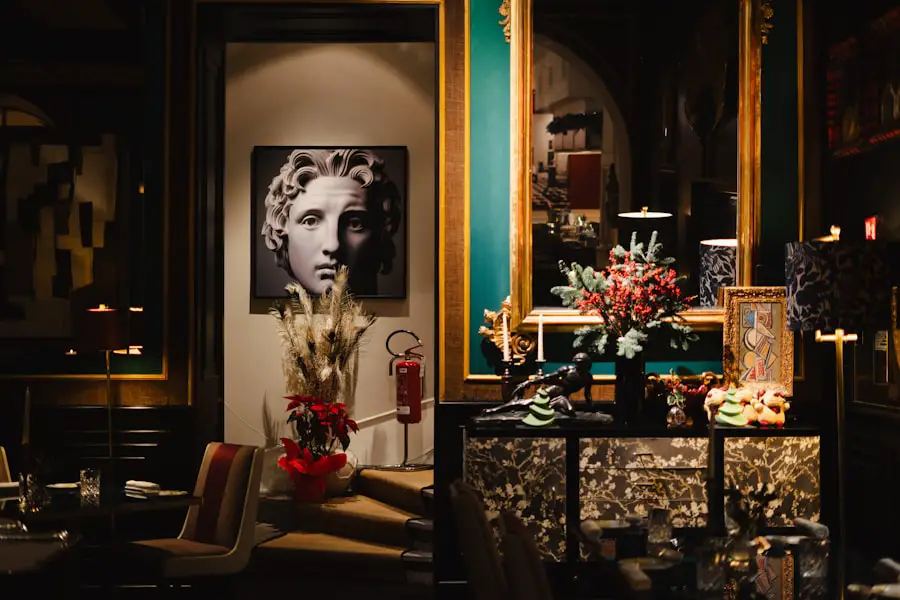
Dining at a boutique hotel is rarely an afterthought; it serves as a central pillar of the property’s identity. Instead of generic buffets or standard room service menus, boutique restaurants focus on farm-to-table sourcing and inventive regional menus.
At The Saguaro Hotel in Palm Springs, the hotel restaurant emphasizes fresh, regional ingredients inspired by Southwestern and Mexican culinary traditions, sourcing produce directly from Coachella Valley agricultural partners. Similarly, boutique hotels frequently team up with celebrated local chefs to host pop-up dining series, seasonal tasting menus, and craft cocktail masterclasses, offering guests memorable culinary experiences without leaving the property.
The Art and Design of Boutique Hotels: Aesthetic Pleasures for the Senses
Visual storytelling is woven directly into boutique hotel design. Many properties operate as living art galleries, displaying curated pieces that reflect regional heritage or contemporary artistic movements. For example, the 21c Museum Hotel chain integrates multi-venue contemporary art museums inside its hotel properties, allowing guests to experience museum-grade exhibitions 24 hours a day during their stay.
By blending architectural innovation with fine art, boutique hoteliers transform guest corridors, lobbies, and guest rooms into engaging visual environments that elevate hospitality into a sensory art form.
The Future of Boutique Hotels: Innovations and Trends in the Industry
As guest expectations evolve, boutique hoteliers are pioneering innovations in smart technology, environmental sustainability, and holistic wellness.
- Seamless Smart Technology: Implementation of contact-free mobile check-in, keyless digital room entry, and automated room climate/lighting controls controlled via smartphone apps.
- Eco-Friendly Sustainability: Widespread adoption of zero-single-use plastics, energy-efficient geothermal HVAC systems, organic linens, and locally sourced construction materials (exemplified by eco-luxury brands like 1 Hotel).
- Wellness Integration: In-room acoustic soundproofing, circadian rhythm lighting, air purification systems, and customized wellness programming tailored to individual traveler sleep schedules.
By prioritizing authentic design, personal service, community integration, and eco-conscious practices, boutique hotels continue to shape the future of modern travel.
Frequently Asked Questions
What is a boutique hotel?
A boutique hotel is a small, stylish accommodation—typically featuring between 10 and 100 rooms—that emphasizes custom design, personalized guest service, and an authentic connection to local neighborhood culture.
What sets a boutique hotel apart from other types of hotels?
Unlike standardized chain hotels with hundreds of uniform rooms, boutique hotels offer individualized room decor, tailored service, intimate public spaces, and chef-driven dining rooted in the surrounding destination.
What are the key characteristics of a boutique hotel?
Key characteristics include a small capacity (under 100 rooms), unique architectural or interior design, personalized hospitality, locally sourced food and drinks, and strong integration with the local artistic community.
What amenities can be found in a boutique hotel?
Common boutique amenities include artisanal cocktail bars, farm-to-table restaurants, customized concierge itineraries, curated local artwork, eco-friendly bath products, and unique social lounge areas.
Are boutique hotels only found in urban areas?
While boutique hotels frequently thrive in trendy urban districts, they can also be found in coastal beach towns, mountain resorts, and countryside retreats. The defining factor is tailored personality and scale, not geographic setting.
Sources
- American Hotel & Lodging Association (AHLA) — Hospitality industry statistics, lodging trends, and hotel classification definitions.
- Boutique Lifestyle Leaders Association (BLLA) — Global boutique hospitality standards, independent hotel research, and industry insights.
- Historic Hotels of America — Architectural preservation, adaptive reuse standards, and historic hotel documentation.
