
Last Updated on August 22, 2026 by Daniel Globe
You can ride an electric scooter in light rain if it has at least an IP54 rating, but you should avoid heavy rain and flooded roads. Wet pavement cuts traction, increases braking distance, and makes sudden braking or steering more likely to cause a crash. Keep your speed low, use high-visibility gear, and watch for water intrusion after the ride. If you want to stay safer, there are a few more important details to know.
Can You Ride an Electric Scooter in the Rain?
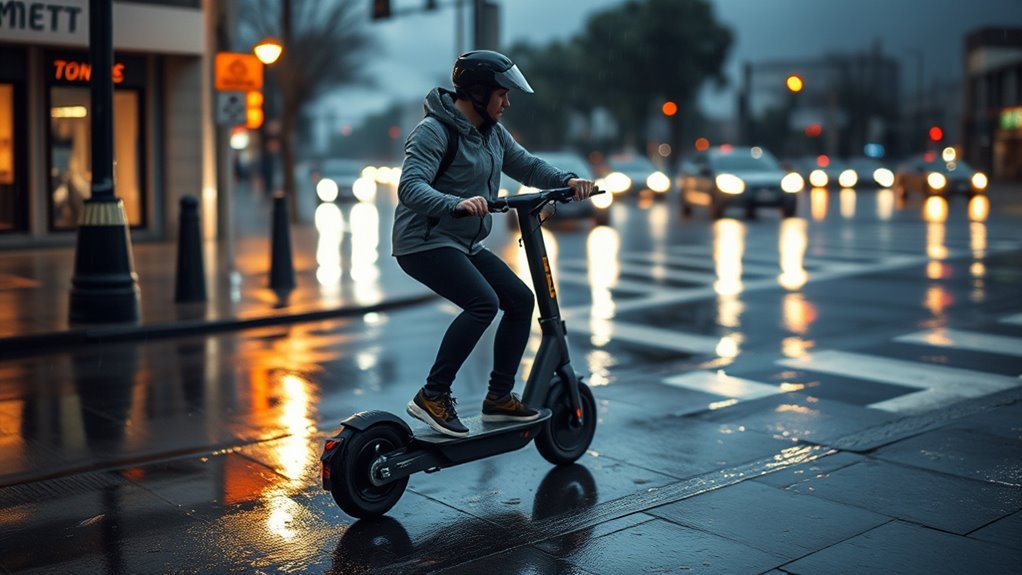
Yes, you can ride an electric scooter in light rain, but only with caution and only if the scooter has adequate water resistance, ideally an IP54 rating or higher. You still need to treat wet pavement as a control hazard: traction drops, braking distances grow, and visibility gets worse. Keep your speed low, avoid sudden inputs, and stay smooth on the throttle and brakes. Wear high-visibility rider gear so drivers can see you, and make sure your scooter maintenance is current, especially tires, brakes, and exposed connectors. Most scooters are water-resistant, not waterproof, so prolonged rain can push water into electronics and cause failures. If the rain gets moderate or heavy, stop riding and seek cover; the risk rises fast, and your freedom depends on preserving control. Afterward, dry the scooter fully, inspect it for water intrusion, and report any damage quickly to protect performance and warranty coverage.
What Rain Is Safe for an Electric Scooter?
You can ride in light rain if your scooter’s IP rating is at least IP54, but you should expect only limited splash and moisture resistance. For moderate rain, you need an IP65 or IP67 scooter, and you still shouldn’t enter deep water. Heavy rain raises skid and visibility risks fast, so you should stop riding and avoid thunderstorms or flooded areas.
Products Worth Considering

-31 Miles Long Range: Powered by a high-capacity 357Wh battery, this electric scooter for adults delivers unmatched performance and reliability, allowing you to travel up to 31 miles on a single charge—ideal for your daily commute, weekend adventures, or even a quick trip across campus or town.
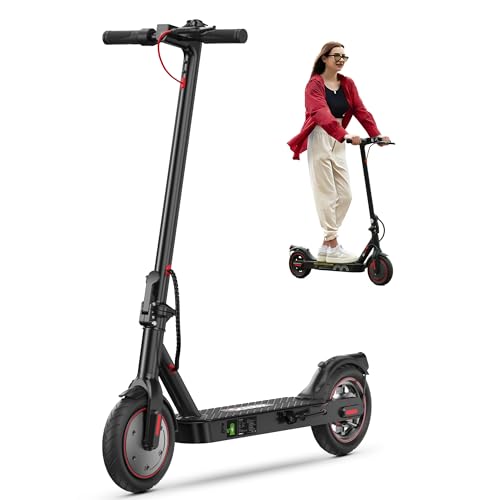
【Affordable and Efficient Electric Scooter Adults】Please add scooter and storage bag to your cart together. Introducing a budget-friendly and high-performance electric scooters ideal for both adults and teens. Our 350W electric scooter for adults reaches speeds of up to 18mph (3 Modes: 6/12/18mph), making your daily commute faster and more economical. Cruise Control ensures a smooth and enjoyable ride, while its sturdy build supports riders up to 220lbs.

🛴POWERFUL 350W MOTOR: This electric scooter adults comes with high performance 350W brushless motors, delivering rapid acceleration and a top speed of 19mph. Whether navigating city streets or commuting, this e scooter offers reliable power and smooth performance.
Light Rain Riding
Light rain is generally the upper limit for routine e-scooter use, and only if the scooter carries an IP54 rating or higher, since that level can tolerate light rain and occasional splashes without significant damage. For light rain safety, verify that visibility stays clear and the pavement isn’t heavily saturated or slick. You should lower speed, smooth your inputs, and extend following distance because wet surfaces lengthen braking distance. These riding techniques help you keep control without surrendering mobility. Check the manufacturer’s rain guidance before you roll; some scooters still aren’t approved for wet use. After you stop, dry the deck, stem, controls, and charging port so moisture doesn’t accumulate and trigger long-term wear. Light rain demands discipline, not cautionary paralysis.
Heavy Rain Risks
Heavy rain is not safe for electric scooter riding because traction drops sharply, braking distances increase, and visibility deteriorates for you and surrounding traffic. You lose scooter stability fast, and visibility issues multiply at intersections, curves, and lane changes. Manufacturers usually tell you to stay off wet streets in these conditions.
- Skid risk rises on painted lines, metal covers, and slick pavement.
- Braking demand climbs, so you need more stopping room.
- Water ingress can damage controllers, batteries, and displays.
- Flooded roads can hide holes, debris, and deeper water that can ruin components.
If you want freedom, choose safer weather. Heavy rain can void warranties and compromise your ride, so wait it out and keep control.
Why Wet Roads Make Electric Scooters Harder to Control?
Wet roads reduce a scooter’s traction, making skids more likely on slick paint, metal grates, and other low-friction surfaces. You lose margin for error because the tire has less grip to transmit steering and braking forces, so the scooter can wander or slide when you lean or turn. Wet pavement also increases braking distance, so you must begin decelerating sooner than on dry ground or you’ll overshoot stops. Visibility issues compound the threat: rain and spray make obstacles harder to see, and other road users may not notice you as quickly. Puddles add another hazard by hiding potholes, cracks, and debris beneath standing water. In deeper water, your wheels can hydroplane, briefly riding on a film of water instead of the road surface. That sudden loss of contact can strip away control in an instant, leaving you exposed to impact and instability.
How to Ride an Electric Scooter Safely in Rain?
Before you ride, verify that your scooter is rated for the conditions: an IP54 rating is the minimum for light rain, while IP65 or IP67 offers better protection in moderate rain. Then use safety gear and riding techniques that reduce exposure and loss of control.
- Check weather first; skip heavy rain, thunderstorms, and flooded routes.
- Ride slower than usual and widen your braking distance.
- Wear waterproof safety gear, and use fenders or mudguards to limit splash intrusion.
- After the trip, dry the scooter thoroughly and inspect electronics for moisture damage or corrosion.
Wet pavement cuts traction, so every input must be deliberate. Keep your posture stable, avoid abrupt turns, and brake early so the wheels don’t lock or slide. If visibility drops or water pools deepen, stop riding and wait it out. You stay free by treating rain like a known hazard, not a challenge to win.
Products Worth Considering
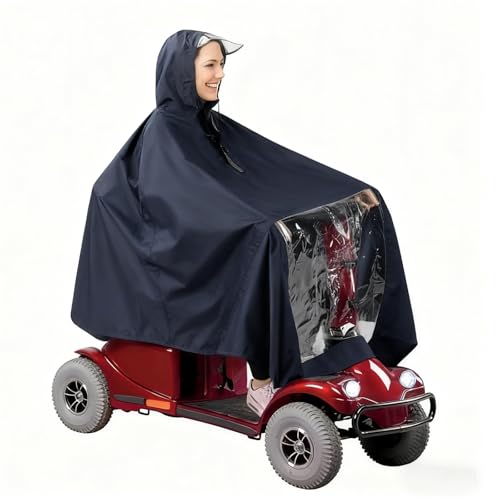
Mobility Scooter Raincoat: Crafted from high-quality polyester waterproof fabric, this mobility scooter cover is not only lightweight but also highly water-resistant, offering you reliable protection in various weather conditions—whether it’s rain or snow. Stay dry and comfortable no matter the forecast.
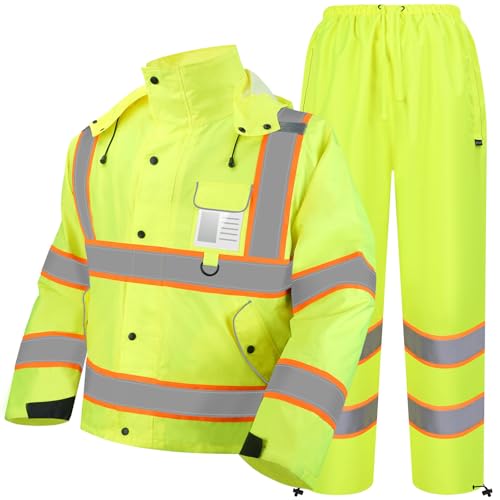
360° High Visibility: Sewn-on 2" wide reflective tape wraps around this hi vis rain jacket and pants for ANSI Class 3 visibility, maintaining brightness after repeated wear; High-contrast orange trim boosts visibility on construction sites and highways in fog and darkness

High Visibility Three Piece Suit – Bright yellow/green jacket, bib-style pants and detachable hood with 3M silver reflective tape for maximum visibility at night, in the rain, snow, fog, and other low-light or roadside environments.
How to Protect an Electric Scooter From Rain?
To keep your electric scooter from rain damage, you need to block water at every likely entry point. Fit waterproof covers over the dashboard and battery compartment, and choose waterproof materials that resist prolonged moisture exposure. Seal seams, cable exits, and panel gaps with silicone so rain can’t wick into the frame or electronics. Add a waterproofing spray to the motor housing, and use dual-seal bearings to reduce intrusion at rotating parts. Install fenders or mudguards to cut wheel spray before it reaches critical components. These measures don’t just reduce risk; they preserve your range, power delivery, and control in wet conditions. Inspect seals, gaskets, and covers before each ride, and replace anything cracked, loose, or compressed. Treat maintenance tips as freedom tools: the tighter your protection, the less rain can dictate your mobility.
Products Worth Considering

Sensor-Safe, General Purpose Black Rtv Indoor/Outdoor Sealant

Professional Formula - This Clear Silicone Adhesive Sealant is a Sensor-Safe, General Purpose Clear RTV Sealant that can be used inside or outside for all your jobs

Clear Silicone Sealant & Adhesive: Is A General Purpose Sealant Adhesive, Rtv (Room Temperature Vulcanized)Silicone Designed For Use In Household Or Mechanical Assembly Applications.
What to Do After Your Scooter Gets Wet?
If your scooter gets wet, power it down immediately and disconnect the charger to reduce the risk of electrical faults. Then take control of the recovery process with disciplined scooter maintenance.
- Wipe every surface with a soft cloth, including seams, deck edges, and controls.
- Air-dry it in a shaded, ventilated area; heat can trap moisture or warp parts.
- Inspect for water damage: rust, corrosion, or erratic behavior around motors, connectors, bearings, and the battery bay.
- Don’t charge it until every component is completely dry and stable.
Check seals and gaskets for wear, because failed barriers let water invade critical electronics. Replace damaged parts before your next ride. This isn’t just upkeep; it’s how you preserve independence, reduce failure risk, and keep your scooter ready to move when you are.
Frequently Asked Questions
How Much Rain Can an Electric Scooter Handle?
Your scooter can handle light rain if its water resistance ratings are IPX4 to IPX6; IP54, IP65, and IP67 cope better. You shouldn’t trust heavy rain. Follow maintenance tips: dry it, inspect seals, protect components.
What Will Happen if I Ride My Electric Scooter in the Rain?
You’ll skate on a wet knife-edge: traction drops, braking lengthens, and water can short electronics or corrode batteries. Use safety precautions and adjusted riding techniques, or you’ll risk skids, crashes, warranty loss, and premature failure.
What to Do if Your Electric Scooter Gets Wet?
Turn it off, disconnect the charger, and remove power sources. Use safety precautions: dry it with a cloth, then air-dry it shaded. Inspect for corrosion, and don’t charge it until it’s fully dry; check seals regularly.
Are All E-Scooters Waterproof?
No, you’re not getting a fully waterproof scooter. Like a steel gate rated IP67, yours may block water, but most e-scooters only have water resistance ratings, so you’ll need strict maintenance tips and caution.
Conclusion
In the rain, you can ride your electric scooter only if conditions are light and your model has the right water resistance rating. Otherwise, you’re rolling the dice with traction, brakes, and electronics. Keep your speed down, avoid puddles, and inspect your scooter after every wet ride. If you treat moisture like a real hazard, you’ll protect both your safety and your machine. A cautious ride now can save you costly damage later.
