
Last Updated on September 10, 2026 by Daniel Globe
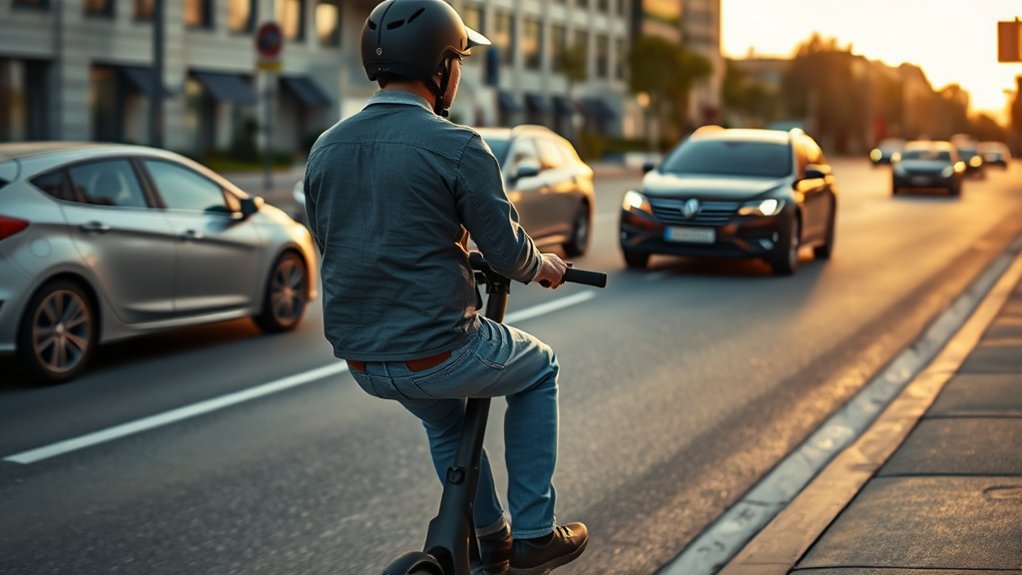
Yes, you can ride an electric scooter on the road in Michigan, but only on roads with speed limits of 45 mph or less. You must stay near the right side, obey local rules, and keep your scooter at or below 25 mph. You don’t need a license, registration, or insurance, but local ordinances can be stricter. If you want the full breakdown, the next sections cover the rules that matter most.
Quick Answer
Yes — Michigan allows electric scooters on any road with a posted speed limit of 45 mph or less, provided the scooter itself doesn’t exceed 25 mph. Riders must be at least 12, wear a helmet if under 19, and stay near the right edge of the road. No license, registration, or insurance is required statewide, but cities can add stricter local rules.
Disclosure: As an Amazon Associate I earn from qualifying purchases. Some links on this page are affiliate links, at no extra cost to you.
Can You Ride an Electric Scooter on the Road?
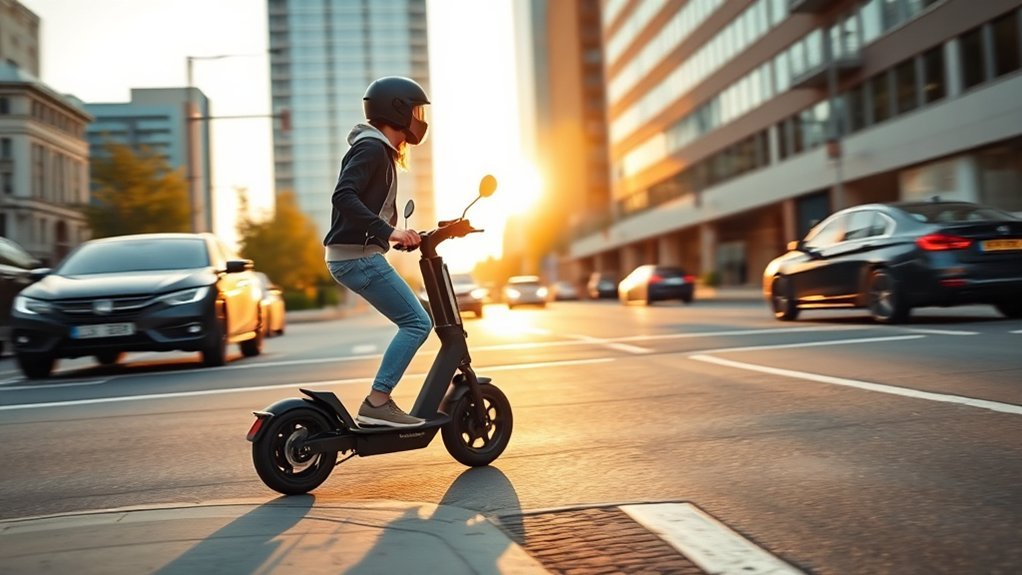
Yes— in Michigan, you can ride an electric scooter on the road if the speed limit is 45 mph or less and you stay near the right side of the roadway. You must be at least 12 years old, and your scooter can’t exceed 25 mph on the road. For your safety and for scooter safety, ride predictably, signal your intentions when you can, and keep control at all times. Good riding etiquette matters: don’t pass between lanes of traffic, and don’t weave into faster vehicles. Stay alert to potholes, turning cars, and surface hazards. You should also check local rules before you ride, since municipalities can add their own restrictions.
Key Takeaways
- Ride on roads with a posted limit of 45 mph or less; your scooter can’t legally exceed 25 mph.
- No license, registration, or insurance needed statewide — but only one rider per scooter.
- Riders under 19 need a helmet; riders under 12 can’t operate on public streets at all.
- Cities can ban scooters entirely in specific zones — check before you ride downtown.
- You can still be charged with an OWI for riding a scooter while impaired.
Michigan Electric Scooter Laws
Michigan law treats electric scooters much like electric skateboards under MCL 257.660, so you can ride them on roads with speed limits of 45 mph or less. You must be at least 12 to operate one on a roadway, and you don’t need a license or registration. Keep to the right side of the road, ride no more than two abreast, and don’t pass between lanes of traffic. Only one person may ride at a time — Michigan scooters aren’t built or licensed to carry a passenger.
You may also use sidewalks, but you must yield to pedestrians and give an audible warning before passing. Because local municipalities can add their own rules, check city and township ordinances before you ride. If you ignore those limits, you risk citations.
Note: Legal electric scooters in Michigan must have a deck no longer than 60 inches and no wider than 18 inches, with a motor rated at 2,500 watts or less. A device that exceeds these specs, or that can go faster than 25 mph, may be reclassified as a moped or motor vehicle — which brings license, registration, and insurance requirements with it.
Where Michigan Scooter Riders Can Go
While Michigan gives you room to ride, it also sets clear boundaries for where your electric scooter can go. You can ride on roads with speed limits of 45 mph or less, but you must stay close to the right side and never pass between lanes of traffic. You may also use bike lanes. Sidewalk riding is allowed too, but you have to yield to pedestrians at all times. For scooter safety, treat each space as a shared space, not a personal lane.
Warning: Under MCL 257.660(12)-(13), local governments can prohibit scooters entirely in areas open to pedestrian traffic near a waterfront, in a downtown or central business district, on streets with streetcar tracks, or on trails under their jurisdiction — signs must be posted where this applies. Scooters are also banned statewide in Michigan’s one special charter city and in the state park under the Mackinac Island State Park Commission’s jurisdiction. Always look for posted signage before you ride in an unfamiliar downtown.
Scooter Speed and Age Limits
To ride legally in Michigan, you need to meet both age and speed limits: you must be at least 12 years old, and your electric scooter can’t exceed 25 mph. If you’re under 19, you must also wear a helmet. You should also ride on roads with speed limits of 45 mph or less, unless you’re simply crossing a faster road. Stay alert to local rules, since cities can add stricter age or speed limits.
Do You Need a License or Insurance?
In Michigan, you don’t need a driver’s license or registration to ride an electric scooter, and you also don’t need insurance to operate one. Even so, check your local rules before you ride, since cities can set additional requirements.
License Requirements
Do you need a license or insurance to ride an electric scooter on Michigan roads? Generally, no. Michigan classifies electric scooters much like electric skateboards, so you don’t need a driver’s license, and the law doesn’t require registration or insurance. You must be at least 12 years old to operate one legally on the road, and you should follow any local municipal rules, since cities and towns may add restrictions.
Insurance Rules
Even though Michigan doesn’t require a driver’s license, registration, or insurance for electric scooters, you should still check whether local rules add their own requirements. You’re not free from scooter liability if you cause injury or damage. Review your homeowner’s insurance, renters’ policy, or any rental agreement to see whether it covers e-scooter use.
Pro Tip: Call your insurance agent before you buy or rent a scooter and ask specifically whether personal liability coverage extends to e-scooter incidents. Many standard renters’ and homeowners’ policies exclude motorized devices, which can leave you exposed after a crash even though the state doesn’t require coverage.
State Variations
State rules can change the answer fast, so check the law where you plan to ride before assuming the Michigan rules apply elsewhere. In Michigan, you can ride without a license or registration because the state treats scooters much like electric skateboards. North Carolina used to lump e-scooters in with mopeds, but a 2020 law created a distinct low-speed e-scooter category: devices that top out at 20 mph are exempt from DMV registration and licensing, and only faster devices are treated as mopeds requiring a license and registration. Pennsylvania takes the strictest stance of all — the state has no legal category for e-scooters, so PennDOT treats them as unregistrable motor vehicles, making private e-scooters effectively illegal on public roads and sidewalks statewide as of 2026. Georgia doesn’t require a license statewide, but local rules may still add registration or zone restrictions. Because states and cities can add their own conditions, always verify current codes before you go.
Michigan Helmet and Light Rules
In Michigan, you’re required to wear a helmet when operating an electric scooter if you’re under 19, and the law doesn’t limit you to a specific helmet style so long as it provides adequate protection. If you’re riding after dark, your scooter must have a white front lamp and a rear red reflector. You also need to respect the 25 mph maximum speed limit. Even when state rules seem clear, local officials can add equipment requirements, so check your city or township rules before you ride.
Michigan law doesn’t stop at sober driving — riders can be charged with Operating While Intoxicated (OWI) for riding an electric scooter while impaired, the same way they could behind the wheel of a car.
Warning: Michigan’s OWI statute (MCL 257.625) applies broadly to operating a vehicle on a highway or any place generally open to the public. Courts and prosecutors have used it against impaired e-scooter and e-bike riders, so don’t assume a scooter is a “safe” way home after drinking.
Local Electric Scooter Restrictions
You’ll need to check each city’s rules before you ride, since Michigan municipalities can add their own scooter restrictions. Some places limit sidewalk use or ban scooters in certain downtown or pedestrian areas, and they may also set parking rules that you must follow. If you ignore local limits, you could face fines or have your scooter removed.
City-Specific Rules
City rules can be stricter than state law, so check local ordinances before riding an electric scooter on public roads. Many cities allow riding on roads with speed limits of 45 mph or less, but your route may still face limits in pedestrian-heavy districts or downtown zones.
- Confirm whether your city bans scooters in specific zones.
- Check whether extra equipment is required.
- Verify that fines or use restrictions apply for violations.
You can ride with more freedom when you obey municipal rules, but that freedom depends on compliance. Local governments can enforce targeted restrictions, and ignoring them can cost you.
Sidewalk Limits
Even where Michigan law allows electric scooters on sidewalks, you still have to yield to pedestrians at all times and audibly alert them when you pass. You should also check local ordinances, since municipalities can add stricter limits or ban sidewalk use entirely in busy districts. Posted signs matter, and you’ll want to follow them to avoid fines.
Parking Restrictions
Parking rules can be just as important as riding rules, especially in Michigan cities that limit where electric scooters may be left. You should check local laws before you park, since rules can change from one town to another.
- Park only in approved zones when a city requires designated areas.
- Never block sidewalks, doorways, or pedestrian routes, or you may face penalties.
- Watch for downtown or pedestrian-area bans that restrict scooter accessibility.
If you ignore these restrictions, authorities can ticket you for improper parking.
Penalties for Breaking Scooter Laws
If you break electric scooter laws, you can face penalties similar to those for other traffic violations. You may get scooter fines for speeding over the 25 mph limit, and officers can treat that conduct like a motor vehicle offense. If you park carelessly, block a sidewalk, or obstruct an entrance, local authorities can issue fines. You also risk citations for failing to yield to pedestrians, and in some municipalities, officials may add extra sanctions when you ignore local restrictions. To keep your mobility lawful, know the rules before you ride, follow posted limits, and respect pedestrians and property.
Frequently Asked Questions
What happens if I get caught breaking scooter rules in Michigan?
You’ll likely get a ticket, fine, or citation for a scooter or traffic violation. You could also face penalties for unsafe speed, underage riding, missing required safety gear, or riding while impaired.
Are e-scooters legal in Pennsylvania?
No — as of 2026, Pennsylvania has no legal category for consumer e-scooters. PennDOT treats them as unregistrable motor vehicles, which makes riding on public roads or sidewalks effectively illegal statewide. A bill known as “Abby’s Law” would create a legal low-speed scooter category, but it hasn’t passed.
Do you need a license to drive an electric scooter in Michigan?
No, you don’t need a license to ride an electric scooter in Michigan. You can ride without one, but you still have to follow the age, speed, and road restrictions the state sets.
Are scooters street legal in Louisiana?
Yes. Louisiana’s low-speed scooter law allows riding on sidewalks, bicycle paths, and highways, as long as the scooter itself doesn’t exceed 20 mph. Riders under 17 must wear a helmet, and parish or municipal authorities can add their own restrictions on top of the state rule.
Conclusion
Before you ride your electric scooter on the road in Michigan, make sure you know the rules. Check where you’re allowed to ride, obey speed and age requirements, and follow helmet, lighting, and local ordinance rules. If you ignore them, you could face fines or penalties. Staying informed helps you ride safely and legally.
Sources
- Michigan Compiled Laws, MCL 257.660 — road/sidewalk access, speed, age, and local-ordinance authority for electric scooters
- Michigan Auto Law: Michigan Electric Scooter Laws — speed limit and helmet requirement summary
- White Law PLLC: Are Electric Scooters Legal on Michigan Roadways? — device definition, size, and power specs
- Kent County, MI: Motorized Scooter Safety — local safety guidance
- Recording Law: Pennsylvania E-Scooter Laws (2026) — Pennsylvania’s current statewide prohibition
- Louisiana Revised Statutes § 32:300.1.1 — Louisiana low-speed scooter rules

