
Last Updated on September 10, 2026 by Daniel Globe
Hiking boots can work in snow, but the answer depends on the boots and the conditions underfoot. A waterproof hiking boot may be perfectly suitable for a short walk through light snow, while deep powder, prolonged cold, slush, or an icy mountain trail can require insulated winter boots, snowshoes, or added traction. The key is to judge warmth, waterproofing, traction, fit, and snow depth separately instead of assuming every hiking boot or snow boot performs the same way.
Quick Answer
Yes, you can use hiking boots in snow if they are waterproof or highly water-resistant, warm enough for the temperature, and suitable for the terrain. For deep snow, prolonged cold, or very wet conditions, insulated winter hiking boots are usually better. On packed snow or ice, add a traction device appropriate for your footwear and route.
Key Takeaways
- Waterproof hiking boots can work well in light snow and on many maintained winter trails.
- Waterproofing and insulation are different: a waterproof summer hiking boot can still leave your feet cold.
- Deep, soft snow may require snowshoes, while packed snow and ice often require added traction.
- Gaiters help keep snow from entering around the boot opening.
- Do not assume ordinary hiking boots are compatible with mountaineering crampons; check the crampon manufacturer’s binding requirements first.
- Cold, wet, or numb feet are a reason to stop and reassess rather than push farther down the trail.
Disclosure: As an Amazon Associate I earn from qualifying purchases. Some links on this page are affiliate links, at no extra cost to you.
Can Hiking Boots Be Used in Snow?
Hiking boots are built for walking over rough outdoor terrain, but the category includes everything from light, breathable summer hikers to waterproof and insulated winter hiking boots. That means there is no single rule that applies to every pair.
A waterproof mid-height hiking boot with enough room for a warm hiking sock can be a practical choice for light snow, packed winter trails, and snowshoeing. An uninsulated mesh hiking boot is a much poorer choice for extended exposure to freezing temperatures, especially when snow can melt through the upper or enter over the collar.
Dedicated snow and winter boots usually place more emphasis on warmth, weather protection, and coverage around the lower leg. Hiking boots typically place more emphasis on efficient walking, trail feel, support, and versatility. Winter hiking boots sit between those categories by combining a trail-oriented fit and outsole with added weather protection and insulation.
| Condition | What Usually Works Best |
|---|---|
| Light, shallow snow | Waterproof hiking boots can work if they are warm enough for the temperature. |
| Wet snow or slush | Waterproof boots with a gusseted tongue, adequate height, and gaiters are preferable. |
| Deep, soft powder | Warm waterproof boots plus snowshoes may be needed to avoid repeatedly sinking into the snow. |
| Packed snow | Waterproof winter-capable footwear plus an appropriate traction device when the surface becomes slippery. |
| Ice | Do not rely on rubber tread alone. Use terrain-appropriate traction and turn around when conditions exceed your equipment or experience. |
| Prolonged or severe cold | Insulated winter hiking or winter boots that provide adequate warmth without restricting circulation. |
The best footwear choice changes with the surface: deep snow, packed snow, slush, and ice do not all require the same solution.
Factors to Consider When Using Hiking Boots for Snow
Temperature and Insulation
Start with temperature and how long you expect to be outside. Many standard hiking boots have little or no insulation. They may feel comfortable while you are moving but become noticeably colder during rest stops or after the outer material becomes chilled.
For prolonged cold, an insulated winter hiking boot is usually a safer and more comfortable option than trying to turn a lightweight summer boot into winter footwear.
Snow Type and Waterproofing
Dry, shallow powder is different from heavy wet snow. Wet snow and slush can expose weak points around seams, tongues, collars, and worn waterproof membranes. Snow that enters over the top of a boot can also soak a sock even when the boot itself is waterproof.
The National Park Service’s winter hiking guidance recommends appropriate waterproof footwear and gaiters for winter conditions.
Duration of the Outing
A boot that feels adequate during a 20-minute walk may not remain comfortable during several hours in snow. Longer outings increase your exposure to moisture, falling temperatures, sweat, and changing trail conditions.
Carry a spare pair of dry hiking socks on longer trips, especially when retreat to a warm building or vehicle would take time.
Boot Fit and Winter Socks
Thicker socks and aftermarket insoles take up room inside a boot. Do not pack your foot so tightly that your toes are compressed or difficult to move. A winter setup should hold the heel securely while leaving enough room for your toes and chosen socks.
Wool or synthetic hiking socks are generally more practical for winter hiking than absorbent everyday cotton socks because they manage moisture better during activity.
Pro Tip: Test your full winter setup at home or on a short local walk. Wear the exact socks, insoles, gaiters, and traction devices you plan to use so you can catch pressure points or compatibility problems before a longer trip.
The Importance of Insulation in Snow Boots
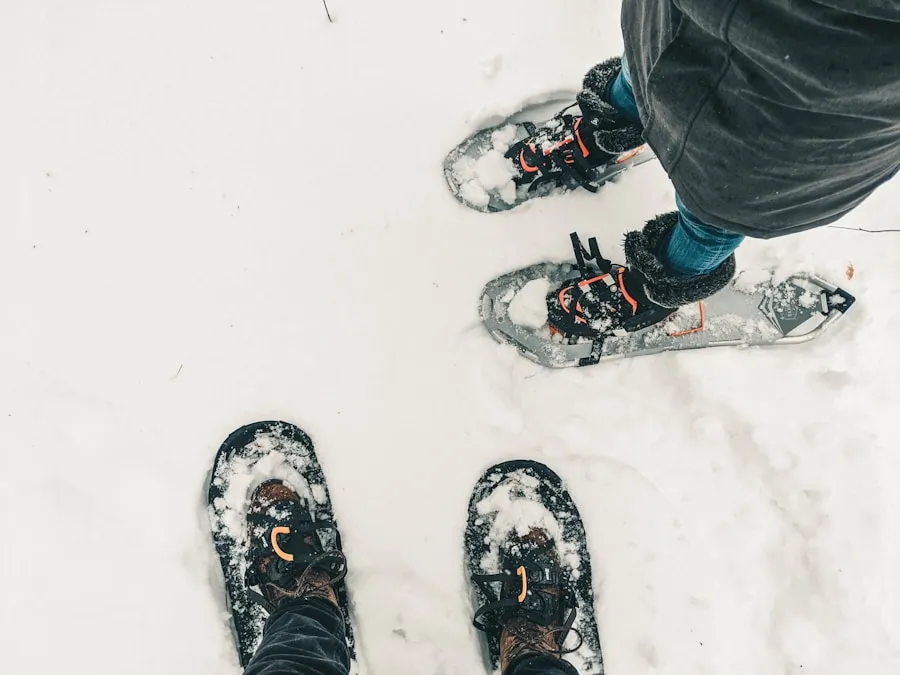
Insulation is one of the biggest differences between many general hiking boots and winter-specific footwear. Insulated boots use materials that slow heat loss around the foot. One example is 3M Thinsulate insulation, which includes products designed specifically for footwear.
The amount and type of insulation varies considerably from one boot to another. A heavily insulated boot may be useful for very cold or low-activity conditions but can feel too warm during fast hiking in milder weather. An uninsulated waterproof hiking boot may be comfortable during active movement yet provide much less protection during extended cold exposure.
That is why waterproofing should not be confused with warmth. A waterproof membrane blocks external water, while insulation addresses heat loss. Some winter boots provide both; many ordinary hiking boots provide only one.
Note: Adding a thermal insole can improve comfort in some boots, but an insole that makes the boot cramped can create a new problem. Make sure the modified boot still fits comfortably with your winter socks.
Traction and Grip: How Hiking Boots Measure Up in Snowy Conditions
Traction is highly dependent on the surface. Deep outsole lugs can bite into dirt, mud, and loose snow, but a lugged hiking sole should not automatically be considered safe on hard ice.
The National Park Service notes that hard-packed snow and ice can require over-the-shoe traction devices, while soft, deeper snow may be better handled with snowshoes. See the agency’s winter traction guidance.
| Boot Model | Verified Design Context | Snow and Ice Takeaway |
|---|---|---|
| Salomon X Ultra 3 Mid GTX | A waterproof GORE-TEX hiking boot from an older generation of the X Ultra line. | Waterproofing can help in snow, but the original article’s numerical snow-grip score was not based on a documented standardized test. Add appropriate traction on ice. |
| Merrell Moab 2 Mid Waterproof | An older waterproof hiking model with a trail-oriented Vibram outsole. | Useful trail tread does not create a standardized ice rating. Treat packed ice as a separate traction problem. |
| Columbia Newton Ridge Plus II Waterproof | Columbia describes the model as waterproof-breathable with an all-terrain outsole. | Suitable features for wet hiking conditions do not eliminate the need for added traction when trails become icy. |
| KEEN Targhee II Mid Waterproof | KEEN lists a waterproof-breathable membrane and multi-directional trail lugs. | Its tread is designed for trail terrain, but there is no authoritative basis for the original article’s 9/10 snow-grip score. |
Microspikes, Ice Cleats, and Crampons Are Not Interchangeable
Lightweight hiking traction systems are designed to fit over many ordinary hiking shoes and boots. For example, Kahtoola MICROspikes are designed for hiking footwear and conditions such as ice and packed snow.
Mountaineering crampons are more specialized. Their binding systems and intended terrain vary, and not every hiking boot is compatible. Petzl’s crampon information distinguishes different binding systems and footwear requirements.
Warning: Do not assume a flexible hiking boot can safely accept any mountaineering crampon. Check the exact boot, crampon, and binding compatibility before use. Technical snow, glacier travel, and ice climbing require equipment and skills beyond ordinary winter hiking.
Waterproofing: Can Hiking Boots Keep Your Feet Dry in the Snow?
Some hiking boots can keep feet dry very effectively in snow. Others cannot. The deciding factor is the construction of the individual boot rather than the words “hiking boot” on the box.
Waterproof-breathable membranes are common in hiking footwear. GORE-TEX footwear, for example, is designed to provide durable waterproof protection while allowing water vapor to escape.
However, even a waterproof membrane cannot stop snow that enters through the top of a low boot. Many winter boots and higher hiking boots provide more coverage around the ankle and lower leg. A gaiter can add another barrier around the boot opening.
Waterproof treatments and membranes also do not turn an otherwise uninsulated boot into a warm winter boot. Check waterproofing and insulation separately.
How to Modify Hiking Boots for Snow Use
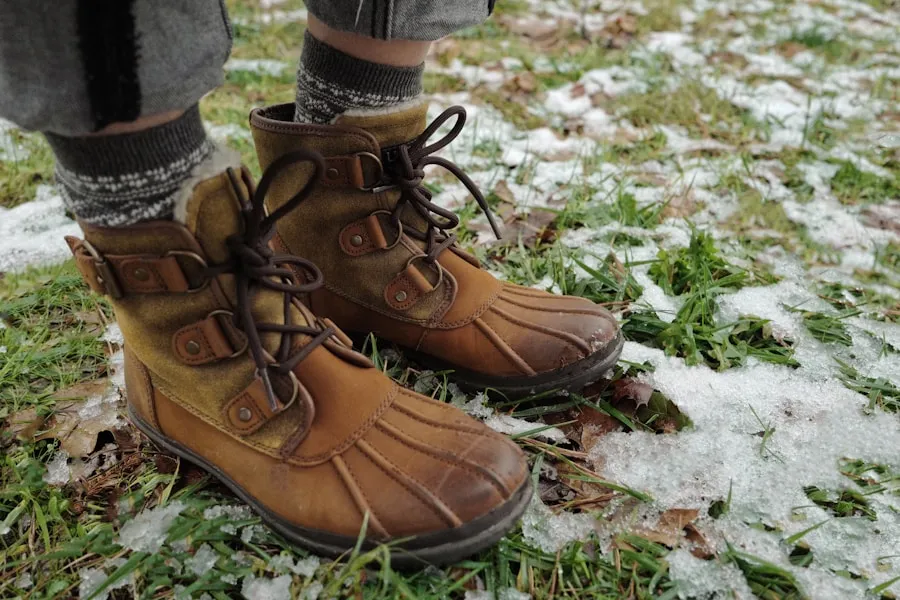
If your existing hiking boots already fit well and provide enough weather protection, a few accessories can make them more useful in moderate winter conditions.
Add Warm Socks or a Thermal Insole
A suitable wool or synthetic hiking sock can add warmth while managing perspiration. A thermal insole may add another layer beneath the foot, provided it does not make the boot too tight.
Use Gaiters
Gaiters cover the gap between your pants and boots. They are particularly useful in powder because they reduce the amount of snow that can fall or work its way into the boot collar.
Add the Right Traction for the Surface
For icy recreational hiking trails, use a traction product specifically designed for your footwear and conditions. Carrying traction can be worthwhile even when the trailhead looks clear because shaded or higher sections may remain frozen.
For true mountaineering crampons, verify compatibility with the manufacturer before relying on them.
Keep the Boot’s Waterproofing in Good Condition
Clean mud and grit from the upper after use and follow the boot manufacturer’s care instructions. Damaged membranes, separated seams, or worn uppers can undermine an otherwise waterproof design.
Alternative Footwear Options for Snowy Conditions
Ordinary hiking boots are only one option. The best alternative depends on how far you are walking and what type of winter terrain you expect.
Insulated Winter Hiking Boots
Winter hiking boots combine a trail-oriented fit and outsole with more cold-weather protection than many three-season hiking boots. They are a strong choice for people who still want to cover hiking distances rather than simply walk around town or shovel snow.
Traditional Snow Boots
Snow boots can be useful for casual winter walking, deep snow around a campsite, chores, and situations where warmth and snow protection matter more than hiking efficiency. Some are bulky or flexible enough that they are less comfortable for long technical trails.
Mountaineering Boots
Mountaineering boots are intended for more technical mountain conditions. Models differ in stiffness, insulation, and crampon compatibility. They are not simply “warmer hiking boots,” and they can be excessive for an ordinary winter day hike.
Snowshoes With Waterproof Boots
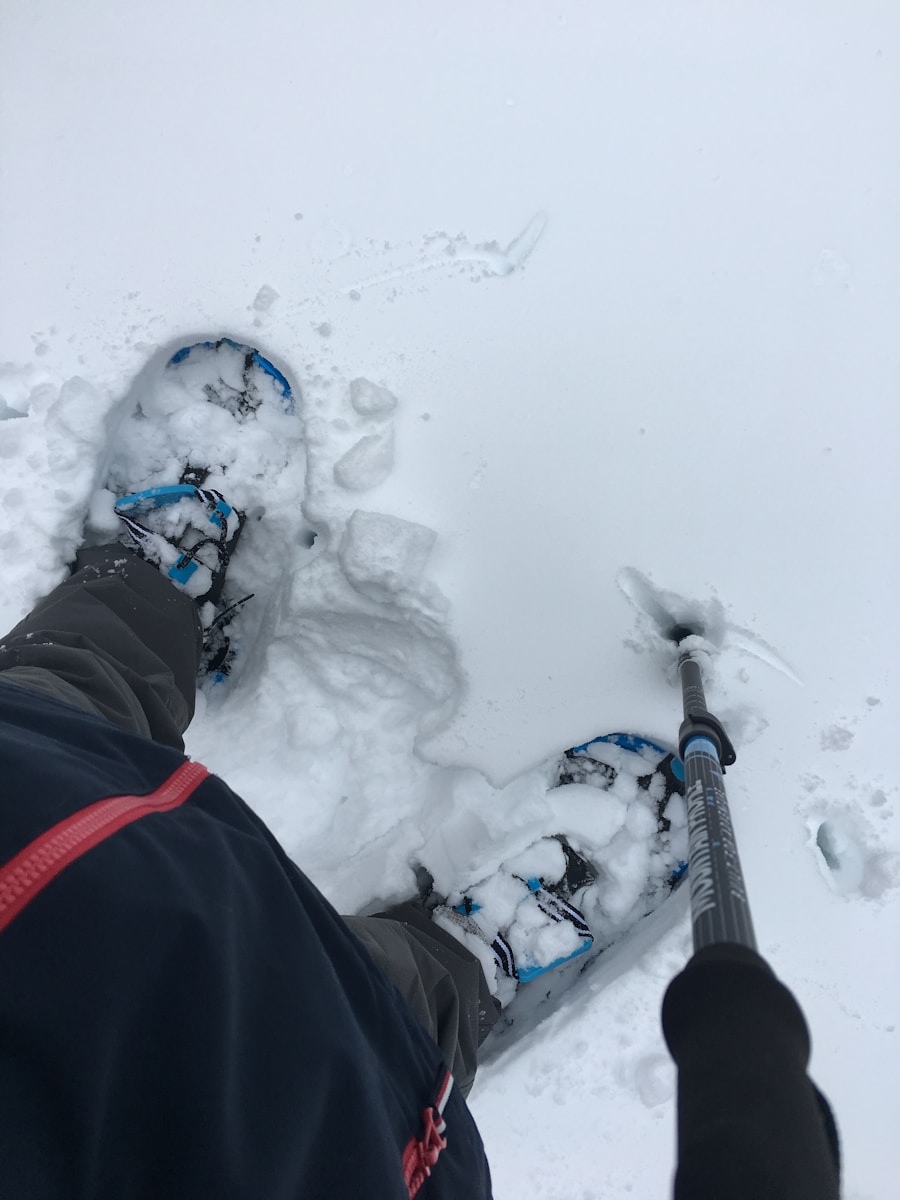
Snowshoes help keep a hiker from sinking as deeply into soft snow. The National Park Service beginner snowshoe guide recommends suitable waterproof or water-resistant footwear because your feet will still encounter snow.
That means sturdy waterproof hiking boots can be perfectly reasonable snowshoe footwear when they provide enough warmth and fit the snowshoe bindings correctly.
Tips for Using Hiking Boots in the Snow Safely and Effectively
Winter hiking requires more than choosing a pair of boots. Trail surfaces and weather can change rapidly, and snow can hide terrain that is easy to see during summer.
- Check weather and trail conditions before leaving. Pay attention to recent snowfall, freeze-thaw cycles, wind, and expected temperature changes.
- Choose traction for the actual surface. Deep snow, packed snow, and ice require different equipment.
- Use gaiters in deeper snow. Waterproof boots cannot keep your socks dry if snow repeatedly enters through the collar.
- Carry spare dry socks. They can make a major difference if your first pair becomes soaked.
- Take controlled steps. Shorter steps can help when footing is uncertain.
- Consider trekking poles. They provide additional contact points and can improve balance on uneven winter trails.
- Know when to turn around. Do not let the footwear you brought force you to continue into conditions it cannot safely handle.
Warning: Persistent numbness, unusually pale or waxy-looking skin, or loss of feeling in the toes can indicate frostbite. The CDC advises getting out of the cold and seeking medical care when frostbite is suspected. Do not continue hiking on a frostbitten foot unless movement is necessary for safety.
In short, hiking boots can be adapted for many snowy outings, but they are not automatically winter boots. A waterproof hiking boot can perform well in moderate snow, especially with gaiters and appropriate traction. Once temperatures become severe, snow becomes deep, or the route turns icy or technical, insulated winter footwear and specialized equipment become increasingly important.
If your winter hiking is part of a larger European trip, season and destination will also affect the conditions you encounter. The site’s existing guide to the Optimal Time for European Travel can help with broader trip timing.
Frequently Asked Questions
Can I use hiking boots for snow?
Yes. Waterproof hiking boots can work for light or moderate snow when they provide enough warmth and traction for the conditions. Deep snow, prolonged cold, slush, or ice may require winter boots, snowshoes, gaiters, or additional traction.
What type of hiking boots are suitable for snow?
Look for waterproof construction, enough warmth for the expected temperature, a secure fit with winter socks, useful boot height, and an outsole suited to trail use. For packed snow or ice, plan on condition-appropriate traction rather than relying on the boot tread alone.
Are all hiking boots suitable for snow?
No. Lightweight mesh or uninsulated hiking boots may be too cold or allow moisture to enter. Even waterproof hiking boots can be unsuitable if they do not provide enough warmth or if snow enters over a low collar.
What should I consider when using hiking boots for snow?
Consider temperature, snow depth, moisture, trail surface, outing length, waterproofing, insulation, boot height, sock fit, and whether you need gaiters, snowshoes, or added traction.
Can I use hiking boots for snowshoeing?
Yes. Waterproof or water-resistant hiking boots can work well with snowshoes if they are warm enough and fit securely in the bindings. Gaiters can also help keep deep snow from entering the boots.
Do I need microspikes when hiking in snow?
Not for every snowy trail. Lightweight traction devices are most useful when snow becomes packed, frozen, or icy. Deep soft snow may call for snowshoes instead. Choose a traction device rated for your footwear and intended terrain.
Are waterproof hiking boots warm enough for winter?
Not necessarily. Waterproofing blocks outside moisture, while insulation slows heat loss. An uninsulated waterproof boot may still feel cold during prolonged winter exposure, especially during rest periods.
Sources
- National Park Service — Winter Hiking Tips — supports winter footwear, gaiters, traction, poles, weather checks, and changing trail-condition guidance.
- National Park Service — Hiking With Traction Devices — supports using traction devices on hard-packed snow and ice and snowshoes in deeper soft snow.
- Centers for Disease Control and Prevention — Preventing Frostbite — supports frostbite risks, symptoms, and response guidance.
- GORE-TEX — Waterproof Footwear — supports waterproof and breathable membrane information.
- 3M — Thinsulate Insulation — supports the use of specialized insulation products in footwear.
- Petzl — Crampon Systems and Compatibility — supports the distinction between crampon binding systems and footwear compatibility.

