
Last Updated on September 10, 2026 by Daniel Globe
Hiking boots can work very well in snow, but not every hiking boot is winter-ready. Snow adds cold, moisture, slippery ice, and sometimes enough depth to make ordinary footwear impractical. The right choice depends on the temperature, snow depth, trail surface, and how long you expect to be outside.
A waterproof hiking boot may be enough for a maintained trail with shallow snow. Colder temperatures, deep snow, hard-packed ice, or technical terrain call for more protection, such as insulated winter hiking boots, gaiters, traction devices, snowshoes, or mountaineering boots.
Quick Answer
Yes, hiking boots can be good for snow when they are waterproof, warm enough for the conditions, and paired with suitable traction. Regular waterproof hiking boots may work in shallow snow, while deeper snow, colder trips, or icy trails often require insulated boots, gaiters, traction devices, or snowshoes.
Key Takeaways
- Waterproof hiking boots can handle many short hikes in shallow snow if they provide enough warmth for the temperature.
- Insulated winter hiking boots are a better choice for colder weather, longer outings, and deeper snow.
- Aggressive tread helps on snow, but hard-packed snow and ice often require an over-the-shoe traction device.
- Gaiters help keep snow out of your boots, while snowshoes provide flotation in soft, deeper snow.
- Check weather, trail conditions, and avalanche information before winter hikes, and turn around if conditions exceed your gear or experience.
Disclosure: As an Amazon Associate I earn from qualifying purchases. Some links on this page are affiliate links, at no extra cost to you.
Benefits of Hiking Boots in Snowy Conditions
One major benefit of winter-ready hiking boots is warmth. Insulated models use materials that slow heat loss without requiring an extremely bulky boot. For example, 3M Thinsulate insulation uses fine fibers that trap air while allowing moisture to escape, and the company makes versions specifically for footwear.
Water resistance is equally important. Snow on the outside of a boot can melt from body heat or warmer daytime temperatures. A waterproof membrane and a well-designed upper help keep that moisture away from your socks. Keeping feet dry also helps them stay comfortable in cold conditions.
Hiking boots can also provide a stable platform and a lugged outsole for walking through loose or moderately packed snow. A higher collar offers more coverage than a low-cut trail shoe and can reduce the amount of snow entering around the ankle, especially when paired with gaiters.
Traction needs more care. A deep tread may grip loose snow well, but smooth ice and hard-packed snow are different surfaces. The National Park Service recommends traction devices when trails are covered with hard-packed snow or ice.
Warning: Do not assume an aggressive boot sole makes icy trails safe. Carry an appropriate over-the-shoe traction device when ice or hard-packed snow is possible, and turn around if the terrain is too steep or hazardous for your equipment and experience.
Types of Hiking Boots Suitable for Snow
Insulated Winter Hiking Boots
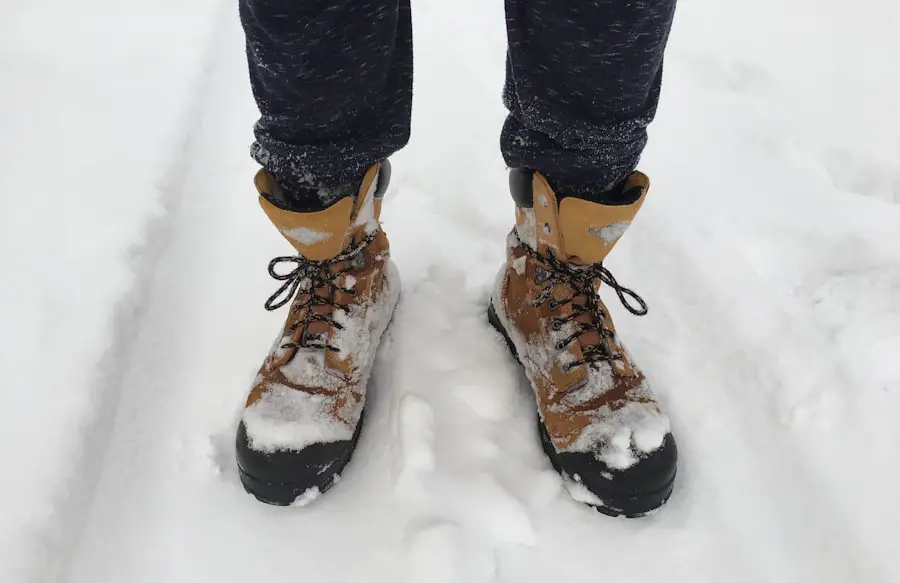
Insulated hiking boots are built for colder conditions than standard three-season footwear. They usually combine a waterproof upper or membrane with synthetic insulation and a lugged outsole. This makes them a strong choice for winter day hikes, packed snowy trails, and snowshoeing.
More insulation is not automatically better. A very warm boot can make your feet sweat during a high-output hike, while an under-insulated boot may leave your toes cold during slow travel or long stops. Choose insulation based on the weather, activity level, hike length, and your own tendency to run hot or cold.
Mountaineering Boots
Mountaineering boots are designed for more demanding alpine conditions. They are generally stiffer than ordinary hiking boots and may be built to accept technical crampons. The current SCARPA Mont Blanc Pro GTX, for example, is listed by the manufacturer as a mountaineering boot compatible with automatic crampons.
That does not make mountaineering boots necessary for an ordinary snowy trail. Their stiffness, weight, and technical features are most useful where the terrain actually demands them.
Hybrid Winter Hiking Boots
Some winter boots sit between a flexible hiking boot and a technical mountaineering boot. These models combine insulation, waterproofing, sturdy midsoles, and winter-oriented outsoles without the full stiffness of an alpine boot. They can be useful for hikers who move between ordinary winter trails, snowshoe routes, and rougher mountain terrain.
Regular Waterproof Hiking Boots
Regular hiking boots can still work in light or shallow snow if they are waterproof, fit well with your winter socks, and provide enough warmth for the expected temperature. They become less suitable as snow gets deeper, temperatures fall, or the amount of time spent standing still increases.
Considerations for Choosing Hiking Boots for Snow
| Consideration | What to Look For |
| Insulation | Enough warmth for the expected temperature, activity level, and trip duration without making the boot so hot that your feet stay sweaty. |
| Waterproofing | A waterproof construction or membrane that can handle melting snow and slush while still allowing some moisture vapor to escape. |
| Traction | A lugged rubber outsole for snow, plus compatibility with an over-the-shoe traction device when hard-packed snow or ice is expected. |
| Height | A mid- or high-cut upper for added coverage. Use gaiters when snow is deep enough to spill over the collar. |
| Fit | Secure heel hold with room to wiggle your toes while wearing the socks you plan to hike in. Avoid a fit that compresses your feet. |
Match Your Footwear to the Conditions
- Shallow snow on a maintained trail: Waterproof hiking boots may be enough if your feet stay warm and the surface is not icy.
- Hard-packed snow or ice: Use suitable hiking or winter boots plus an over-the-shoe traction device.
- Soft, deeper snow: Waterproof insulated boots, gaiters, and snowshoes are usually a better combination.
- Steep or technical icy terrain: Proper mountaineering boots and compatible crampons may be required, along with the skills to use them safely.
A good winter outsole improves grip, but boot tread alone is not a substitute for additional traction on hard-packed snow or ice.
Get the Fit Right With Winter Socks
Try on winter hiking boots with the socks you actually plan to use. The heel should stay secure, but your toes should not be squeezed against the front or sides of the boot. Thick socks are not helpful if they make the footwear so tight that your feet feel compressed.
Leave enough toe room to move your toes and account for some foot swelling during a long hike. At the same time, avoid excessive heel movement, which can lead to rubbing and blisters.
Note: An insulation weight or manufacturer comfort rating should not be treated as a universal temperature guarantee. Your activity level, socks, circulation, moisture, wind, trip length, and individual cold tolerance all affect how warm a boot feels.
Waterproofing and Boot Height
Snow often melts on the outside of a warm boot, so waterproof construction is valuable even when the trail does not look wet. Taller boots provide more coverage, but height alone cannot stop snow from entering through the top. For deeper snow, gaiters create a much better seal between your pants and footwear.
How to Properly Use Hiking Boots in Snow
Winter performance depends on more than buying the right boot. Use the footwear as part of a complete snow-travel system.
- Test the boots before a long winter hike. Wear new footwear on shorter outings so you can find pressure points, heel movement, or sock problems before committing to a long route.
- Wear moisture-managing socks. Wool or synthetic hiking socks are usually better suited to winter activity than absorbent cotton. Carry a dry spare pair on longer trips.
- Lace for secure heel hold without crushing your toes. Recheck your laces after the first part of the hike because footwear and socks can settle as you walk.
- Add gaiters when snow may reach the boot opening. The National Park Service includes waterproof boots and gaiters among its winter hiking essentials.
- Match traction to the surface. Lugged soles work well in many snowy conditions, but use an appropriate traction device on hard-packed snow or ice. Switch to snowshoes when soft snow becomes deep enough that you sink heavily with every step.
- Watch your feet for moisture or cold. If socks become wet, change them when conditions allow. Numbness, unusual skin color, or worsening pain can be signs of cold injury.
Pro Tip: Put gaiters on before you step into deep snow. Once snow has already entered the boot and soaked your sock, even a well-insulated boot will have a harder time keeping your foot comfortable.
Warning: Footwear cannot make avalanche terrain safe. Check the weather, trail conditions, and local avalanche information before entering snowy backcountry terrain. If you are not prepared for the conditions, choose another route or turn around. The CDC also advises seeking medical care for signs of frostbite, including numbness or white, grayish-yellow, unusually firm, or waxy skin.
Alternatives to Hiking Boots for Snow
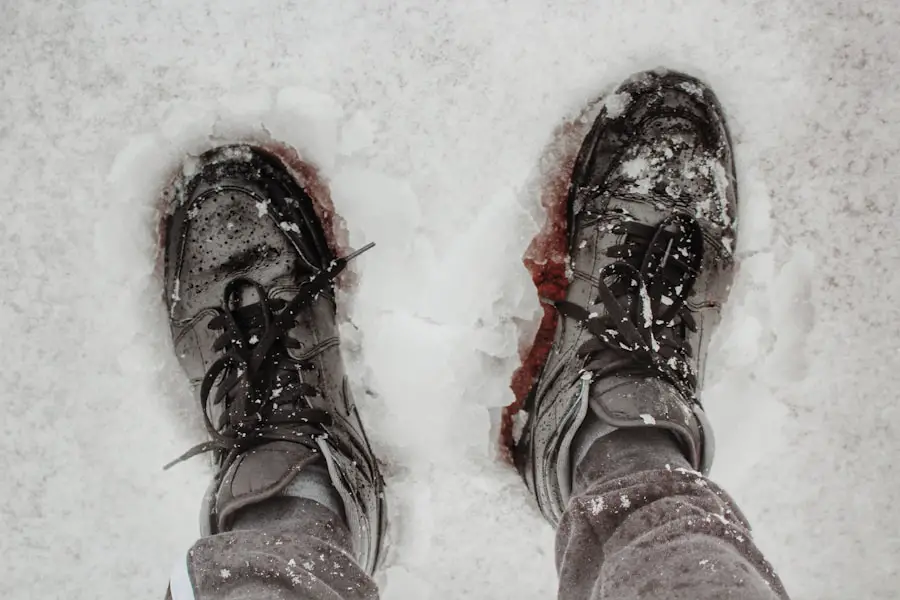
Hiking boots are not the only footwear option for snowy conditions. The best alternative depends on the activity.
Insulated snow boots can provide excellent warmth and waterproof protection for casual winter walking, snow play, or low-output activities. Some models are heavier or less precise on uneven trails than purpose-built hiking footwear, so choose a design intended for walking if you expect to cover several miles.
Cross-country ski boots are appropriate when cross-country skiing, but they are designed around specific ski bindings and are not general substitutes for hiking boots. The same principle applies to other winter-sport footwear: use boots made for the bindings and movements of that activity.
Waterproof trail runners can work for fast-moving hikers in mild winter weather or shallow snow, particularly when paired with gaiters and suitable traction. Their lower collar and minimal insulation make them a weaker choice for deep snow, long stops, or very cold temperatures.
Traction Devices and Snowshoes Are Add-Ons, Not Boot Replacements
Traction devices fit over hiking or winter boots to add grip on hard-packed snow and ice. Snowshoes also strap over footwear, but their main purpose is flotation in soft or deep snow. The National Park Service advises traction devices for packed snow and ice and says snowshoes are a better choice when snow is soft and deeper.
Note: Technical mountaineering crampons are different from lightweight hiking traction devices. Use crampons only with appropriate footwear and for terrain where that equipment is suitable.
Tips for Maintaining Hiking Boots in Snowy Conditions
Snow, slush, grit, and road salt can shorten the life of hiking footwear if they are left on the boot after every trip. A simple care routine helps preserve the upper, outsole, adhesives, and water-repellent finish.
- Brush away dirt, salt, and mud. Remove loose debris with a soft brush or damp cloth. Follow the manufacturer’s cleaning instructions for leather or specialized fabrics.
- Remove the insoles. Let them dry separately so moisture trapped inside the boot can escape more quickly.
- Dry boots at moderate temperatures. Do not place wet hiking boots directly against a radiator, fireplace, stove, or other strong heat source.
- Use airflow instead of high heat. A fan or suitable boot dryer can speed the process. Newspaper can also absorb moisture, but replace it once it becomes damp.
- Restore water repellency only when needed. When water stops beading on the outer material, apply a treatment approved for that footwear. For GORE-TEX footwear, GORE-TEX care guidance recommends a water-based DWR restorative and advises against waterproofing waxes or greases that can affect breathability.
- Inspect wear points. Check the outsole, stitching, rand, hooks, laces, and upper before the next winter trip. Repair or replace footwear when damage compromises fit, waterproofing, or traction.
Pro Tip: Do not wait until the morning of a winter hike to discover that yesterday’s boots are still wet inside. Remove the insoles and start drying them as soon as you return home.
Are Hiking Boots Good for Snow?
Yes. Hiking boots can be an excellent choice for snow when the boot and the rest of your gear match the conditions. For shallow snow and moderate cold, a waterproof hiking boot with suitable socks may be all you need. As conditions become colder, deeper, or icier, move toward insulated winter hiking boots and add the appropriate equipment.
The easiest rule is to match the tool to the surface: use a lugged winter-capable boot for snow, add traction for hard-packed snow or ice, use gaiters to keep snow from entering through the collar, and use snowshoes when soft snow becomes deep enough to make walking inefficient.
For technical alpine terrain, ordinary hiking boots are no longer the right benchmark. Mountaineering boots, compatible crampons, winter navigation skills, and avalanche knowledge may become part of the required setup.
Above all, keep your feet warm and dry and be willing to turn around. The best pair of boots cannot compensate for unsafe ice, worsening weather, inadequate insulation, or avalanche conditions.
If you are planning a winter hiking trip, footwear is only part of staying comfortable in the cold. You may also want to consider a rechargeable hand warmer for travel. See this guide to the best rechargeable hand warmers for travel for another cold-weather gear option.
Frequently Asked Questions
Are hiking boots good in the snow?
Yes. Waterproof hiking boots can work well in shallow or moderate snow when they provide enough warmth for the temperature. Colder weather, deep snow, or long winter outings may call for insulated winter hiking boots instead.
What features should I look for in hiking boots for snow?
Look for waterproof construction, enough insulation for the expected conditions, secure fit with toe room, a lugged outsole, adequate collar height, and compatibility with the traction devices or snowshoes you may need.
Can I use regular hiking boots in the snow?
Regular waterproof hiking boots can be suitable for shallow snow and relatively mild winter conditions. For deep snow, very cold temperatures, long periods outdoors, or low-activity trips, insulated winter footwear is usually the better choice.
Do I need microspikes or crampons with hiking boots in snow?
You may need an over-the-shoe traction device when a trail has hard-packed snow or ice. Technical mountaineering crampons are intended for more demanding terrain and must be compatible with the boot and appropriate for the route.
How do I maintain hiking boots for snow use?
Clean off snow, mud, grit, and salt after use. Remove the insoles, let the boots dry at moderate temperatures away from direct heat, and restore the water-repellent finish only with a product suitable for the boot’s materials and manufacturer instructions.
Can I use hiking boots for snowshoeing?
Yes. Waterproof hiking or winter hiking boots can work well with many snowshoes. Choose footwear that stays warm and dry, fits the binding securely, and remains comfortable after the binding straps are tightened.
Are waterproof hiking boots enough for winter hiking?
Not always. Waterproofing keeps outside moisture from reaching your socks, but it does not guarantee enough insulation or traction. Winter conditions may also require warmer footwear, gaiters, traction devices, snowshoes, and additional cold-weather safety gear.
Sources
- U.S. National Park Service — Winter Hiking Tips — winter footwear, gaiters, traction equipment, route planning, weather, and avalanche awareness.
- U.S. National Park Service — Hiking with Traction Devices — traction devices for hard-packed snow and ice and snowshoes for softer, deeper snow.
- CDC — Preventing Frostbite — cold-injury risks, symptoms, and safety guidance.
- 3M — Thinsulate Insulation — properties and footwear applications of synthetic insulation.
- SCARPA — Mont Blanc Pro GTX — manufacturer specifications and automatic-crampon compatibility.
- GORE-TEX — Footwear Care Instructions — cleaning, drying, and restoring water repellency.
