

Last Updated on September 10, 2026 by Daniel Globe
Chacos can be good hiking sandals when the trail, weather, and your feet are a good match for open-toe footwear. Their adjustable straps, supportive footbeds, water-friendly construction, and grippy outsoles make them useful on many warm-weather day hikes and mixed land-and-water adventures. However, they are not the best choice for every rugged, technical, cold, or toe-hazard trail.
Quick Answer
Yes, Chacos can be good for hiking, especially on maintained trails, warm-weather hikes, and routes where quick-drying footwear is useful. Their adjustable straps and supportive footbeds are major strengths. For steep, technical, cold, debris-heavy, or toe-hazard terrain, however, closed-toe hiking shoes or boots usually provide better protection.
Key Takeaways
- Chacos work best as hiking sandals on warm, maintained, non-technical trails where exposed toes are not a major hazard.
- Current Z/Sandals combine adjustable webbing with Chaco’s contoured LUVSEAT footbed, while models such as Z/Cloud add extra cushioning.
- ChacoGrip outsoles are designed for traction, including wet conditions, but wet algae-covered rock and moving water can still be hazardous.
- A supportive footbed is not the same thing as ankle support or toe protection. Trail conditions should determine whether sandals are appropriate.
- Test your fit on short walks before a long hike and address rubbing or hot spots early.
Chacos are strongest as versatile hiking sandals, not as universal replacements for protective hiking shoes.
Disclosure: As an Amazon Associate I earn from qualifying purchases. Some links on this page are affiliate links, at no extra cost to you.
When Are Chacos Good for Hiking?
Chacos make the most sense when breathability, water tolerance, and an adjustable fit matter more than full foot protection. That can include maintained dirt trails, warm-weather day hikes, travel days that mix walking and light hiking, and some routes with shallow water crossings.
The answer changes as trail hazards increase. The National Park Service’s general hiking guidance says open-toe footwear is not ideal for hiking and recommends sturdy footwear for dirt and gravel trails. Individual parks can be even stricter based on local conditions.
Warning: Check the specific trail or park guidance before hiking in sandals. Some routes involve loose rock, sharp debris, cold water, slippery surfaces, or toe-impact hazards where closed-toe footwear is the safer choice.
Features and Benefits of Chacos for Hiking
One of the defining features of many Chaco Z/Sandals is the adjustable webbing system. The strap runs through channels in the midsole, allowing you to adjust several parts of the fit rather than relying on a single fixed strap. Chaco describes this as a highly customizable fit system, and its current Z/1 models use quick-drying polyester webbing that is well suited to wet conditions.
The other major feature is the LUVSEAT footbed. According to Chaco’s product technology information, its polyurethane footbeds are contoured for arch support. Chaco also identifies its LUVSEAT footwear as accepted through the American Podiatric Medical Association’s footwear program. The APMA Seal program evaluates submitted footwear for factors related to normal foot function and foot health.
That recognition should not be confused with a guarantee that every foot will find Chacos comfortable or that the sandals are appropriate for every hiking trail. Foot shape, arch preference, strap placement, terrain, and hiking distance all affect comfort.
Some Chaco models also include antimicrobial odor-control treatment, but this feature is model-specific. Check the specification page for the exact pair you are considering rather than assuming every Chaco sandal has the same treatment.
Durability and Support of Chacos for Hiking
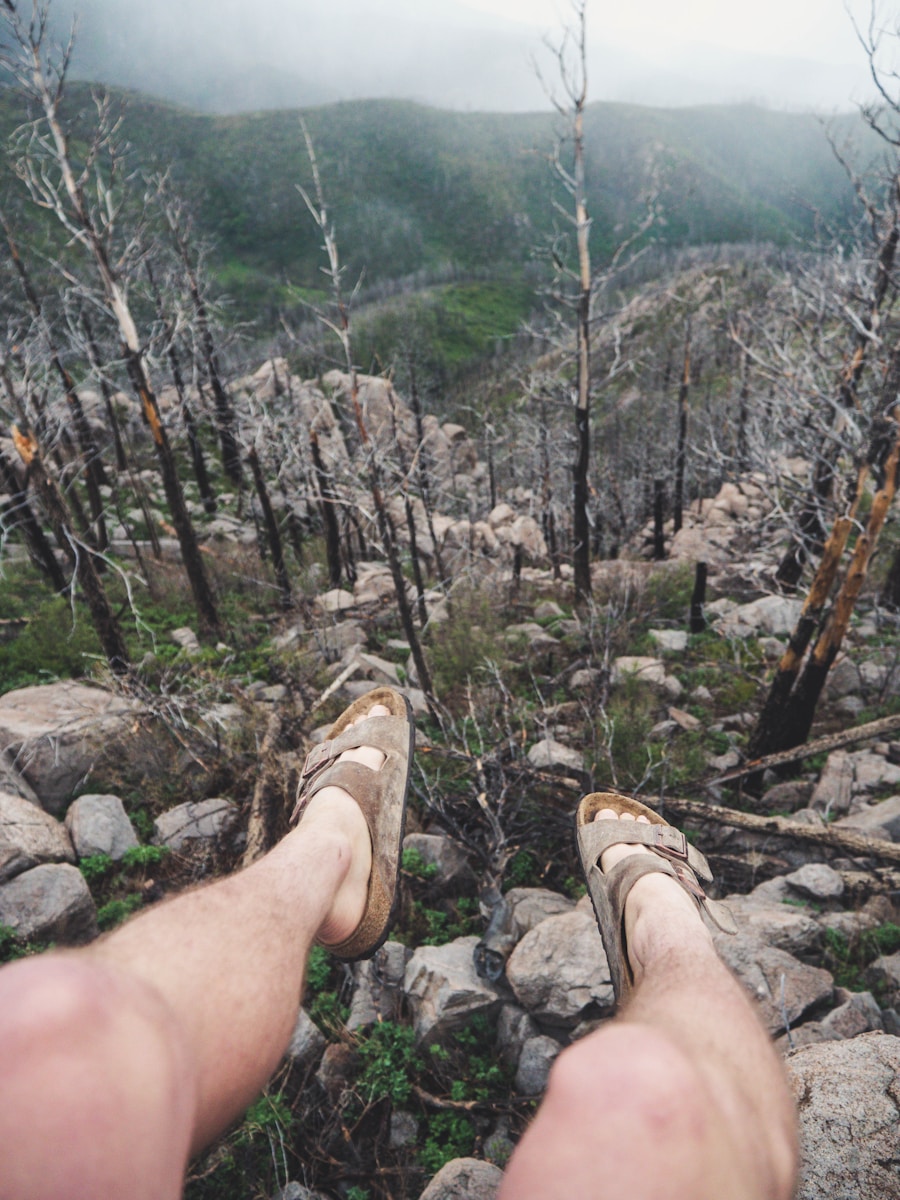
Chacos have a reputation for substantial underfoot construction compared with thin casual sandals. Current classic Z/Sandals use polyurethane midsoles, durable webbing components, and performance rubber outsoles. Many Z/Sandal models are also repairable through Chaco’s ReChaco program, which can replace eligible straps or soles instead of requiring the entire sandal to be discarded.
Underfoot support is one reason some hikers prefer Chacos to flatter sandals. The contoured LUVSEAT platform is designed to support the arch and hold the foot on a more structured base.
However, underfoot support and trail protection are different things. An open-toe Chaco does not shield your toes from rocks, roots, sticks, or other trail debris, and it does not surround the ankle like a hiking boot.
Note: A supportive footbed can improve comfort for the right wearer, but it does not replace the toe coverage, ankle coverage, insulation, or debris protection of a hiking shoe or boot.
Comfort and Fit of Chacos for Hiking
The adjustable strap system is one of Chacos’ biggest advantages, but the correct adjustment matters. Straps that are too loose can let the foot slide. Straps that are too tight can create pressure and rubbing, especially as feet swell during a long walk.
The original comparison used numerical comfort and fit ratings without a source. A more useful comparison is how the models actually differ:
| Model / Reference | Current Status and Hiking Take |
| Z/Cloud | A current core model. It adds a softer polyurethane cushioning layer to the LUVSEAT platform and uses a ChacoGrip rubber outsole. Chaco currently lists the Cloud platform for travel, hiking, and backpacking. |
| Z/Volv | This name still appears in Chaco’s strap-adjustment guide, but it is not one of the main collections emphasized in the current sandal catalog. Availability can vary, so check the current product listing rather than relying on older model comparisons. |
| Z/Canyon | The current Canyon name is used on other Chaco footwear rather than a main Z hiking-sandal family. Treat old Z/Canyon comparisons cautiously. |
| Z/Classic | A current core option with a firmer polyurethane platform, adjustable quick-drying straps, and ChacoGrip outsole. A good starting point for hikers who prefer the traditional Chaco feel. |
| Rapid Pro | A current performance-oriented model using a Vibram Megagrip outsole developed for stronger traction on wet river rock. It is especially relevant for users who spend substantial time around water. |
How to Get a Better Hiking Fit
Start with your heel centered on the footbed, then adjust the straps so the sandal feels secure without squeezing. Your foot should not slide noticeably forward or sideways when you walk downhill or across a slope.
Use Chaco’s official strap-adjustment guide if you are unfamiliar with the continuous webbing system. Make your first few walks short enough that you can stop if you notice rubbing.
Pro Tip: Do not make a long hike your first outing in a new pair. Walk in them locally, climb a few hills, and test them while your feet are warm. If a strap creates a hot spot, readjust it before the irritation becomes a blister.
Chacos do not need to feel painfully tight to stay secure. A fit that works for a short walk may also need a small adjustment after several hours because feet can swell during activity.
Traction and Grip of Chacos for Hiking
Traction is another reason Chacos are popular for outdoor use. Current Z/Classic and Z/Cloud models use ChacoGrip rubber, which Chaco developed with wet traction in mind. The current Z/Cloud also uses a lugged performance outsole.
For more water-focused use, the Rapid Pro uses a Vibram Megagrip outsole and is specifically designed around wet-river-rock traction.
Still, outsole grip has limits. Mud, wet leaves, algae, smooth rock, loose gravel, and moving water can reduce traction regardless of the sandal. A secure tread should never be treated as permission to ignore trail conditions.
This is especially important on river hikes. Zion National Park’s Narrows safety guidance, for example, warns about algae-coated rocks and states that sturdy closed-toe footwear is essential there.
Versatility and Adaptability of Chacos for Hiking
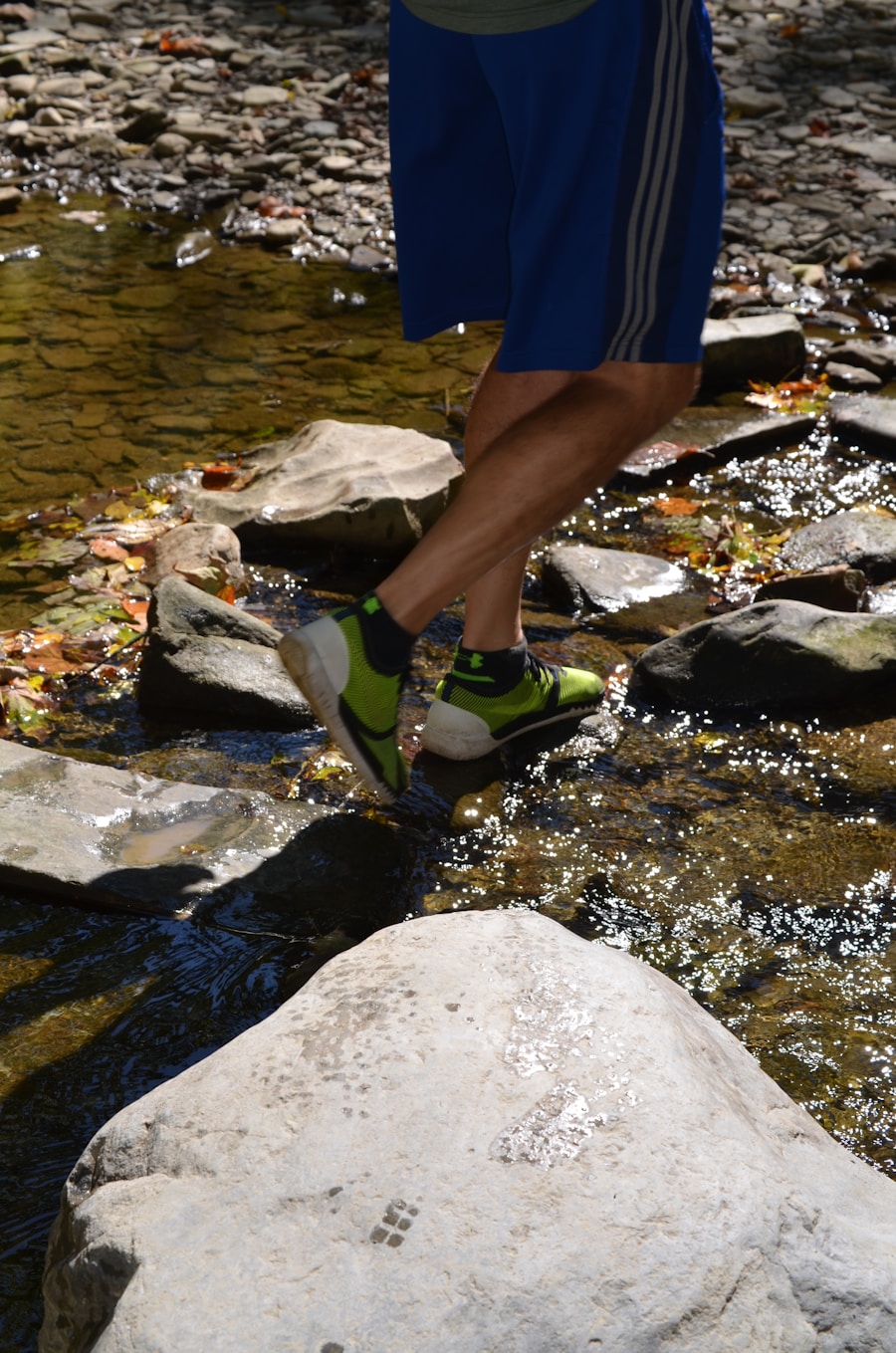
Versatility is one of Chacos’ biggest strengths. A pair can move from a light trail to a campsite, beach, paddleboard, or casual walk without requiring a footwear change.
That makes them especially attractive for warm-weather travel, when packing one pair of sandals for walking, water, and casual use can save space. Their open construction also provides more airflow than a closed hiking shoe.
However, versatility should not be confused with universal suitability. A sandal that works well around camp or on a maintained riverbank may still be the wrong footwear for a steep scree slope, cold alpine trail, thorny route, or technical canyon.
Best Terrain for Chacos—and When to Wear Hiking Shoes Instead
| Trail or Condition | Are Chacos a Good Choice? |
| Maintained warm-weather trail | Often yes. This is where supportive hiking sandals make the most sense, assuming the fit is comfortable. |
| Easy trail with occasional shallow water | Often yes. Quick-drying straps and water-friendly construction are useful, but check current and footing conditions. |
| Loose rock, scree, sharp debris, or dense brush | Usually not ideal. Closed-toe footwear offers substantially more protection. |
| Technical or very steep terrain | Usually choose hiking shoes or boots. Protection and secure edging become more important. |
| Cold or snowy conditions | No for most hikers. Insulated, protective footwear is more appropriate. |
| Park trail requiring or recommending closed-toe footwear | No. Follow the park’s current safety guidance rather than a general sandal recommendation. |
Blisters, Wet Feet, and Trail Debris
Open sandals allow airflow, but that does not make them blister-proof. A strap can still rub the same part of the foot repeatedly, and wet skin, sand, or grit can increase irritation.
Pay attention to the first sign of a hot spot. Stop, remove debris, dry the area when practical, and adjust the strap instead of continuing until the skin becomes painful. The National Park Service commonly recommends carrying blister supplies such as moleskin on longer hikes, while military foot-care guidance also identifies friction and moisture as major contributors to foot blisters.
Debris is another difference between sandals and closed shoes. Small stones, sand, sticks, or mud can get between your foot and the sandal. In some conditions you can simply rinse or shake them out, but repeated debris intrusion becomes tiring on long hikes.
Which Chacos Are Best for Hiking?
Z/Cloud
The Z/Cloud is a strong all-around choice for hikers who like the traditional Chaco platform but want more cushioning. Chaco’s current Z/Cloud specification lists a dual-density LUVSEAT polyurethane midsole, an additional soft cushioning layer, and a ChacoGrip outsole.
It is a sensible option for walking, light-to-moderate hiking, travel, and mixed outdoor use when an open-toe sandal is appropriate.
Z/Classic
Z/Classic is the traditional option. It has a firmer underfoot feel than Z/Cloud and retains the adjustable, water-ready strap system and ChacoGrip outsole. Hikers who prefer a less cushioned, more structured platform may prefer it.
Rapid Pro
Rapid Pro is worth considering when wet-rock traction is a major priority. Chaco developed the model around river use and pairs its LUVSEAT platform with Vibram Megagrip. That makes it particularly relevant for rafting, paddling, and wet outdoor environments, although trail-specific footwear guidance still applies.
Considerations and Drawbacks of Chacos for Hiking
The largest compromise is protection. Most classic Chaco hiking sandals leave the toes, sides, and top of the foot exposed. A rock that would strike the toe cap of a hiking shoe can hit your foot directly in a sandal.
The second limitation is fit sensitivity. The continuous straps are highly adjustable, but that also means a poor adjustment can create rubbing. Some hikers find the pronounced footbed shape immediately comfortable, while others do not. There is no substitute for trying the sandals on and testing them under real walking conditions.
Long-distance hiking also deserves a more careful decision than a short summer trail. Chaco itself markets Z/Cloud for hiking and backpacking, but pack weight, terrain, foot conditioning, weather, and your history with the sandal matter. A model that is comfortable for five miles is not automatically comfortable for an all-day hike.
Finally, open sandals provide little insulation. Socks can add warmth and reduce some rubbing, particularly with no-toe-loop models, but cold or prolonged wet-weather hiking is generally better handled by footwear designed for those conditions.
Are Chacos Good for Hiking?
Yes—Chacos can be very good hiking sandals for the right trail. Their adjustable fit, supportive polyurethane footbeds, water-friendly construction, and outdoor-oriented outsoles make them particularly useful for warm-weather hiking, maintained trails, travel, and mixed land-and-water adventures.
The important limitation is that they remain sandals. They do not provide the toe coverage, ankle coverage, debris protection, or cold-weather protection of hiking shoes and boots. On steep, technical, rocky, cold, or hazardous routes, more protective footwear is usually the better choice.
The best approach is to match the footwear to the trail rather than deciding that one type of shoe is always superior. Check current trail guidance, test the fit before a long outing, and use Chacos where their breathability, adjustability, and water-friendly design are genuine advantages.
If you’re also planning outdoor adventures with young children, you may be interested in the 5 Best Double Travel Strollers for Spring Adventures 2025 for additional family-travel ideas.
Love travel? Join Our Facebook Community For More Tips.
Frequently Asked Questions
What are Chacos?
Chaco is an outdoor-footwear brand best known for adjustable Z/Sandals. Current models use features such as through-the-midsole adjustable webbing, contoured LUVSEAT footbeds, and outdoor-oriented rubber outsoles.
Are Chacos good for hiking?
Yes, Chacos can be good for hiking on maintained, warm-weather, non-technical trails. They are less suitable when the route requires substantial toe protection, ankle coverage, insulation, or protection from loose rock and debris.
What makes Chacos good for hiking?
Their main advantages are adjustable straps, structured LUVSEAT footbeds, water-friendly construction, and grippy outdoor outsoles. These features can make them comfortable and versatile when the trail is appropriate for open-toe footwear.
Can Chacos be used for different types of hiking?
They can work for day hikes, travel, maintained trails, and some mixed hiking-and-water outings. They are not automatically suitable for technical trails, cold conditions, sharp or loose terrain, or routes where land managers recommend closed-toe footwear.
Are there drawbacks to using Chacos for hiking?
Yes. Most Chaco sandals expose the toes and upper foot, can allow sand or stones underfoot, provide less cold-weather protection than shoes, and may cause rubbing if the straps are not adjusted correctly.
Are Chacos good for backpacking?
They can be for experienced users on suitable trails, and Chaco currently markets the Z/Cloud platform for backpacking. A heavier pack and rough terrain increase the importance of secure footing and foot protection, so test the sandals on shorter loaded hikes first.
Are Chacos good for hiking in water?
Their quick-drying straps and water-oriented outsoles make many Chaco models useful around water. However, slippery rocks, strong current, and trail-specific rules can make closed-toe water or hiking footwear safer. Always follow current local guidance.
Can you wear socks with Chacos while hiking?
Yes, especially with no-toe-loop models. Synthetic or wool socks can add warmth and create a barrier between the straps and skin. Toe-loop models may require compatible socks. In genuinely cold conditions, closed footwear is usually the more practical choice.
Sources
- Chaco — Product Features and Technology — LUVSEAT footbed, strap system, outsole technology, durability, and repair information.
- Chaco — Z/Cloud Adjustable Strap Cushioned Sandal — current Z/Cloud construction, cushioning, hiking use, ChacoGrip outsole, and specifications.
- Chaco — Rapid Pro Adjustable Strap Sandal — Vibram Megagrip outsole and wet-rock performance design.
- American Podiatric Medical Association — Seal Program — explains what APMA footwear acceptance means and how products are reviewed.
- U.S. National Park Service — Hike Smart — general hiking footwear and equipment safety guidance.
- Zion National Park — The Narrows Safety — trail-specific guidance concerning slippery river rocks and protective footwear.

