
Last Updated on July 27, 2026 by Daniel Globe
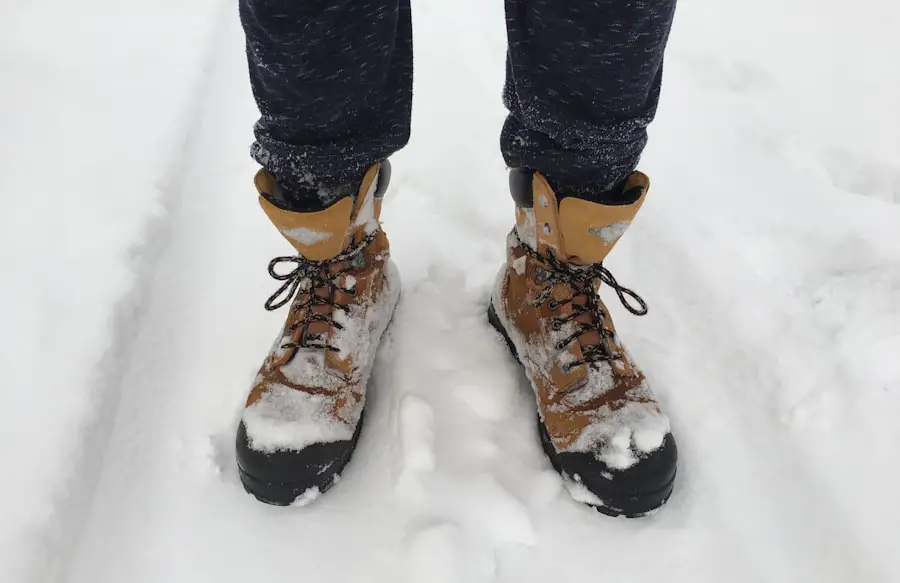
Yes, you can wear hiking boots in snow—but only when the boots and the conditions match. A waterproof hiking boot may work well for a short walk in light snow, while deep powder, prolonged cold, packed snow, or ice can require insulated winter boots, gaiters, snowshoes, or supplemental traction. The goal is to keep your feet dry, warm, comfortable, and secure without making the boots so tight that circulation suffers.
Quick Answer
Yes—hiking boots can work in snow if they are waterproof, fit well with wool or synthetic socks, and provide enough warmth for the conditions. For packed snow or ice, add traction devices; for deep, soft snow, use snowshoes. Regular uninsulated hiking boots are best for milder, shorter winter outings.
Key Takeaways
- Not every hiking boot is a snow boot. Waterproofing, warmth, fit, and outsole design all matter.
- Boot tread alone may not be enough on hard-packed snow or ice; an appropriate over-the-shoe traction device can provide additional grip.
- Deep, soft snow may call for snowshoes worn over waterproof boots to reduce post-holing.
- Wool or synthetic socks work better than cotton in cold, wet conditions, but socks should not make the boots painfully tight.
- Gaiters help keep snow from entering over the top of the boot, especially in powder or slush.
- Check weather, trail conditions, and avalanche information where relevant before a winter hike, and be ready to turn around.
Disclosure: As an Amazon Associate I earn from qualifying purchases. Some links on this page are affiliate links, at no extra cost to you.
Can You Wear Hiking Boots in Snow?
You can wear hiking boots in snow when they provide enough weather protection and warmth for the conditions you expect. Waterproof hiking boots with a secure fit are often suitable for shallow snow, wet trails, and moderately cold day hikes. The National Park Service recommends waterproof boots and gaiters as part of a winter hiking setup.
The important distinction is that snow is not a single type of surface. Fresh powder, slush, hard-packed snow, and clear ice require different equipment. A boot that feels secure on fresh snow can become slippery when that trail freezes overnight.
| Condition | Footwear Setup |
| Light or shallow snow | Waterproof hiking boots may be enough if temperatures are moderate and the trail is not icy. |
| Cold or prolonged snow travel | Insulated waterproof winter hiking boots are usually the more comfortable choice. |
| Packed snow or ice | Use suitable boots plus an appropriate over-the-shoe traction device when conditions require it. |
| Deep, soft snow | Waterproof winter boots, gaiters, and snowshoes can help prevent repeated post-holing. |
| Steep or technical winter terrain | Winter mountaineering equipment and appropriate training may be required; ordinary hiking boots should not be treated as technical climbing footwear. |
Think of winter footwear as a system: boots keep your feet protected, traction devices help on hard snow and ice, and snowshoes provide flotation in deep, soft snow.
Features to Look for in Hiking Boots for Snow
The right winter hiking boot should match the temperature, moisture, snow depth, terrain, and length of your trip. A boot does not have to be extremely heavy to work in winter, but it does need the right combination of protection and fit.
Waterproofing
Waterproofing matters because snow can melt against the boot and turn into cold water. Waterproof-breathable footwear technologies such as GORE-TEX footwear are designed to keep outside moisture from reaching the foot while allowing water vapor to escape.
A waterproof membrane is only part of the system. Snow can still enter through the opening at the top of a boot. A taller collar and properly fitted gaiters can reduce this problem when you are walking through powder, slush, or brush covered with snow.
Insulation
Insulation becomes increasingly important as temperatures fall or as the time spent outside increases. Winter-specific hiking boots often use synthetic insulation or warm linings to slow heat loss.
Uninsulated waterproof boots can still work for active hikers in relatively mild winter conditions, especially on shorter trips. They become less suitable when temperatures are very low, activity levels are low, or you expect to stand around for long periods.
Note: More insulation is not automatically better. Your feet also need enough room for socks and normal circulation. A heavily insulated boot that is too tight can leave your toes uncomfortable and cold.
Traction and Outsole Design
Look for a durable rubber outsole with a tread pattern suited to loose snow and uneven ground. Deep, well-spaced lugs can help the boot bite into softer surfaces and shed snow or mud more effectively.
Some winter boots use cold-weather rubber compounds designed for improved performance on slippery surfaces. For example, Vibram Arctic Grip All Terrain is designed for winter surfaces including snow and ice.
That does not make any outsole slip-proof. Even Vibram warns on Arctic Grip footwear that its technology does not prevent all slipping and does not replace spikes or crampons when those devices are required.
Fit and Toe Room
A winter hiking boot should feel secure without squeezing the forefoot or toes. You should be able to wiggle your toes, and your heel should remain reasonably stable during walking.
Try boots with the same socks you intend to wear outside. Thick socks that compress your foot against the sides or top of the boot can create pressure points and may reduce circulation. Buying an oversized boot simply to fit multiple sock layers can also create heel movement and blisters, so the entire fit needs to work as a system.
Boot Height and Ankle Structure
Mid- and high-cut boots can help keep snow out and may provide a more structured feel on uneven terrain. However, do not assume that a higher collar guarantees protection against ankle sprains. Research on high-top footwear has not established a simple, universal injury-prevention benefit.
Choose collar height based on comfort, snow depth, terrain, and gaiter compatibility rather than treating height alone as a safety feature.
Pros and Cons of Wearing Hiking Boots in Snow
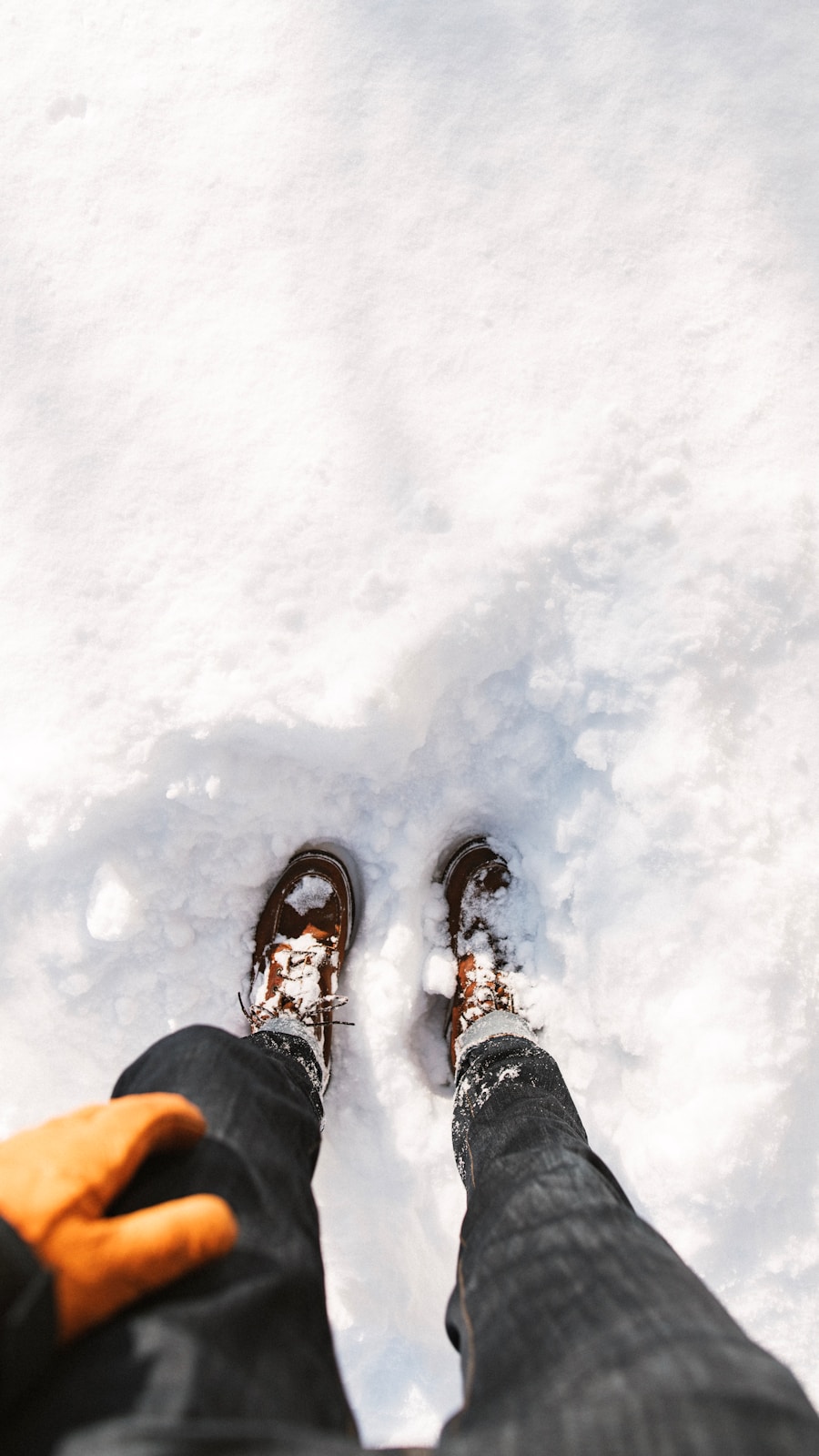
Hiking boots can be an excellent choice for snow when they match the conditions, but they are not automatically the best winter footwear for every trip.
Advantages
- Weather protection: Waterproof models help prevent melting snow and slush from soaking your socks.
- Trail-oriented construction: Hiking boots are designed for uneven terrain and usually provide a firmer platform than casual winter footwear.
- Compatibility with winter accessories: Many boots work well with gaiters, snowshoes, and nontechnical over-the-shoe traction devices.
- Versatility: A waterproof hiking boot can often be used through several seasons instead of being limited to midwinter.
- Durability: Quality hiking footwear is designed to tolerate repeated trail use better than most casual shoes.
Disadvantages
- Not all hiking boots are insulated: A waterproof summer boot may keep snow out while still allowing your feet to become uncomfortably cold.
- Winter boots can be heavier: Extra insulation, taller uppers, and more substantial construction add weight.
- Tread has limits: Even aggressive lugs may not provide enough grip on smooth or hard ice.
- Waterproof footwear can feel warm: During hard exercise, sweat can still accumulate faster than it escapes.
- Fit changes with winter socks: Thick socks can turn an otherwise comfortable boot into a cramped one.
Warning: Do not rely on hiking-boot tread alone when a trail is covered in hard-packed snow or ice. The National Park Service recommends carrying and using appropriate traction devices when conditions require them.
Tips for Wearing Hiking Boots in Snow
| Tip | What to Do |
| Choose the right boots | Choose waterproof boots with enough warmth and traction for the conditions you expect. |
| Wear moisture-managing socks | Use wool or synthetic hiking socks rather than cotton and carry a spare dry pair on longer trips. |
| Use gaiters | Gaiters cover the boot opening and help keep snow, slush, and debris out. |
| Adjust your laces | Lace the boot securely enough to control heel movement, but do not overtighten it around the foot or lower leg. |
| Take shorter steps | Use controlled steps on slippery terrain and slow down before steep or icy sections. |
Break in substantial new hiking boots before taking them on a long winter trip. Wear them on shorter walks first and pay attention to heel movement, toe pressure, rubbing, and any numbness or hot spots.
Gaiters are especially useful when the snow is deep enough to reach the top of your boots. They cover the opening between your pants and footwear, reducing the chance that powder or slush will fall inside.
Also adjust your pace. Moving through snow usually takes more effort than walking on a dry trail. Deep snow can slow you dramatically, while ice may force you to shorten your stride and concentrate on every step.
Pro Tip: Carry a spare pair of dry wool or synthetic socks in a waterproof bag on longer winter hikes. Changing into dry socks can be far more useful than piling another layer over socks that are already damp.
How to Properly Care for Hiking Boots in Snow
Snow, road salt, mud, and repeated wet-dry cycles can shorten the life of hiking boots. Clean them after winter outings instead of allowing dirt and salt residue to remain on the upper and around seams.
Clean Off Dirt and Salt
Remove the laces and insoles when practical. Brush away loose dirt, then clean the exterior according to the manufacturer’s instructions. For many synthetic waterproof boots, lukewarm water and a small amount of mild liquid detergent are enough.
Dry Boots Without Excessive Heat
Allow wet boots to dry naturally at moderate temperatures. Avoid placing them directly against a radiator, stove, fireplace, or other intense heat source because excessive heat can damage adhesives, leather, membranes, and other components.
Removing the insoles and opening the tongue improves airflow. A boot dryer designed to operate at an appropriate temperature can also help when allowed by the manufacturer.
Restore Water Repellency Correctly
Do not assume that every hiking boot should be coated with wax. Treatment depends on the upper and waterproofing system.
For example, GORE-TEX footwear care instructions recommend restoring durable water repellency with an appropriate water-based treatment when water stops beading and specifically caution against waterproofing waxes or greases that can affect breathability. Leather footwear may have different manufacturer instructions.
Inspect the Boots
Check the outsole for badly worn lugs, separation, cracks, or other damage. Inspect the upper, lace hardware, seams, and waterproof areas. A boot with a failing outsole or persistent leak is not the pair to discover problems with several miles into a winter trail.
Alternatives to Hiking Boots for Snow
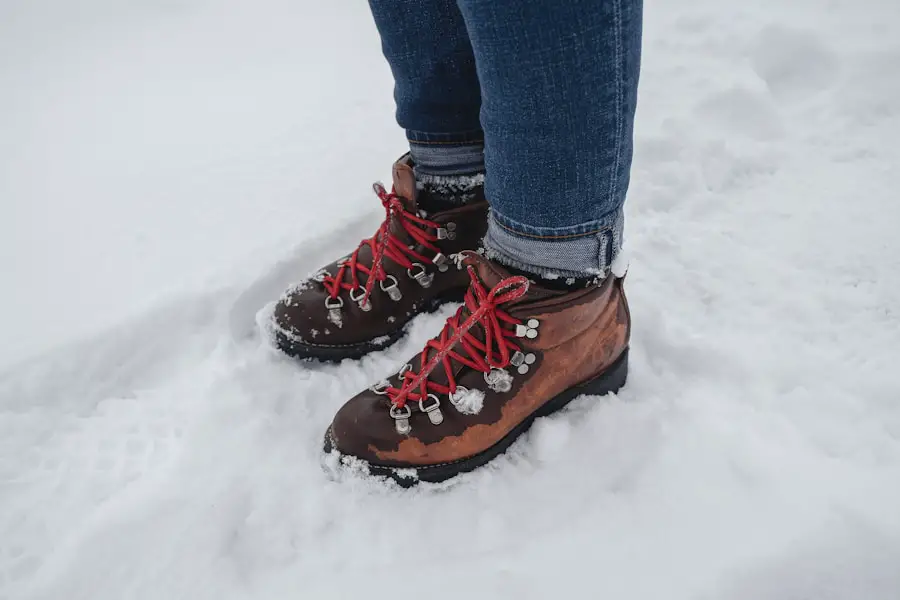
Standard hiking boots are only one option. The best alternative depends on the temperature, snow depth, terrain, and how much walking you plan to do.
Insulated Winter Hiking Boots
For frequent cold-weather hiking, an insulated waterproof hiking boot is often the most practical upgrade. It keeps the trail-oriented fit and walking performance of a hiking boot while adding warmth for winter conditions.
Winter or Insulated Boots
Heavily insulated winter boots may be better for very cold conditions, slow-paced activities, or situations where you will spend significant time standing still. Some are warmer than hiking boots but may feel bulky over longer distances.
Trail-Running Shoes
Some hikers use trail-running shoes in mild winter conditions because they are light and flexible. Waterproof models can work for shallow snow when temperatures and terrain are appropriate.
However, low-cut footwear makes it easier for snow to enter around the ankle, generally provides less insulation, and should not be assumed to grip ice safely without supplemental traction.
Mountaineering Boots
Mountaineering boots are designed for more technical winter and alpine terrain. Some models are built to work with specific types of crampons. That compatibility is important: technical crampons and mountaineering equipment should be matched to the route, boot, and user’s skills rather than attached to ordinary footwear indiscriminately.
Snowshoes
Snowshoes are not a substitute for boots. They strap over winter footwear and spread your weight over a larger area so you are less likely to sink deeply into soft snow.
The National Park Service recommends waterproof boots with snowshoes and notes that snowshoes are useful when snow is sufficiently deep and soft.
Casual Winter Shoes
Insulated winter shoes or high-top casual footwear may be fine for short walks on maintained paths in light snow. They should not automatically be treated as replacements for trail footwear on long, steep, remote, or icy hikes.
Choosing the Right Socks for Hiking Boots in Snow
Socks are part of the warmth system. A good winter hiking sock manages sweat, provides insulation, and fits inside the boot without creating excessive pressure.
Choose Wool or Synthetic Materials
Wool and synthetic hiking socks are preferable to cotton for cold-weather hiking. The National Park Service recommends wool socks and waterproof boots for winter conditions and warns that cotton holds moisture when wet.
Merino wool is popular because it feels softer than many traditional wool fabrics and continues to provide useful insulation when damp. Synthetic hiking socks can also wick moisture and dry quickly.
Do Not Automatically Double Up
A thin liner plus a thicker hiking sock can work in a boot designed with enough internal volume, but two pairs are not automatically warmer. If the combination compresses your toes or makes the boot noticeably tighter, switch to one appropriately thick sock.
Match Sock Thickness to Boot Fit
Thicker socks provide more cushioning and insulation, but the boot still needs room for normal toe movement. Try the complete boot-and-sock system before your trip rather than discovering a fit problem on the trail.
Carry a Spare Pair
On a long winter hike, place a spare pair of socks in a waterproof bag. If your original pair becomes soaked with sweat or snow, changing into dry socks can improve comfort and reduce continued exposure to moisture.
Traction Devices, Crampons, and Snowshoes
Winter hikers often get into trouble by treating these pieces of equipment as interchangeable. They solve different problems.
Over-the-Shoe Traction Devices
Traction devices attach under hiking footwear to provide additional grip on hard-packed snow and ice. The National Park Service advises using traction devices on hard-packed snow and ice.
The exact device should match the terrain. A lightweight ice-gripping device used on an ordinary winter walking trail is different from technical mountaineering crampons intended for steep terrain.
Mountaineering Crampons
Technical crampons are specialized equipment for certain snow, ice, and mountaineering conditions. Boot compatibility, terrain, technique, and training matter. Do not assume that any hiking boot is suitable for technical crampon use.
Snowshoes
Snowshoes provide flotation rather than simply increasing grip. They become useful when soft snow is deep enough that each ordinary step sinks significantly below the surface.
Note: Conditions can change during one hike. A trail may start as soft snow and become hard-packed or icy at a shaded higher elevation, so winter hikers sometimes carry more than one type of traction or flotation equipment.
Winter Hiking Safety Beyond Your Boots
Good footwear is only one part of winter safety. Before leaving, check the weather, current trail conditions, route, daylight, and park or land-manager notices. Snow can cover trail markers and make a familiar summer route difficult to recognize.
The National Park Service advises winter hikers to know their route, carry appropriate gear, check conditions, avoid relying blindly on other people’s tracks, and be willing to turn around when weather or trail conditions deteriorate.
If your route enters avalanche terrain, check the local avalanche forecast and use winter backcountry practices appropriate to that terrain. Footwear does not reduce avalanche risk.
Watch for Frostbite
Toes are among the body parts vulnerable to frostbite. According to the CDC’s frostbite guidance, warning signs can include numbness, unusually firm or waxy skin, and white or grayish-yellow skin.
If frostbite is suspected, get out of the cold and seek medical care. Do not rub or massage frostbitten tissue.
Know the Signs of Hypothermia
Hypothermia affects the whole body, not just the feet. Warning signs in adults include shivering, exhaustion, confusion, fumbling hands, memory loss, slurred speech, and drowsiness. The CDC describes hypothermia as a medical emergency.
Warning: Numb toes are not something to “push through” on a cold hike. Stop, assess your footwear and exposure, get somewhere warmer when necessary, and seek medical care when frostbite or hypothermia is suspected.
Making the Most of Hiking Boots in Snow
Hiking boots can work very well in snow, but there is no single boot setup that covers every winter trail. Start by matching the footwear to the expected temperature and moisture. Add gaiters when snow can enter from above, and choose wool or synthetic socks that fit without crowding your feet.
Then look at the surface underfoot. Ordinary boot tread may work in soft, shallow snow, but hard-packed snow and ice can require supplemental traction. Deep powder may call for snowshoes. Technical winter terrain may require specialized mountaineering equipment and skills.
Finally, take care of your boots after the hike. Clean away salt and dirt, dry them without excessive heat, restore water repellency only with treatments appropriate for the boot, and inspect the outsole and upper before the next trip.
For trips that combine winter hiking with general travel, you may also be interested in these travel pants with hidden pockets for storing small essentials while on the go.
Frequently Asked Questions
What are hiking boots?
Hiking boots are trail footwear designed for walking over uneven outdoor terrain. Depending on the model, they may include durable uppers, waterproof membranes, structured midsoles, protective toe areas, and lugged rubber outsoles. Winter-capable models may add insulation and other cold-weather features.
Can you wear hiking boots in snow?
Yes. Waterproof hiking boots can work well in light or moderate snow when they provide enough warmth for the temperature. Deep snow may require gaiters and snowshoes, while hard-packed snow and ice can require supplemental traction devices.
What features should hiking boots have for snow?
Look for reliable waterproofing, enough insulation for your expected conditions, a secure but nonrestrictive fit, a trail-ready outsole, and enough height or gaiter compatibility to keep snow from entering at the top. The boot should also work with any traction or flotation equipment you plan to use.
Are all hiking boots suitable for snow?
No. Lightweight or highly breathable summer boots may lack waterproofing or insulation. They can be acceptable for mild, shallow snow in some circumstances, but colder, wetter, deeper, or longer winter trips generally call for greater weather protection.
How should hiking boots fit for snow activities?
They should feel secure without squeezing your toes or forefoot. Try them with the socks you intend to wear. You should have room to move your toes, while the heel should not slide excessively. Avoid adding so many sock layers that the boot becomes tight.
Do hiking boots need extra traction on snow and ice?
Sometimes. A lugged outsole may be sufficient on soft or shallow snow, but hard-packed snow and ice can require an appropriate over-the-shoe traction device. Do not assume that an aggressive tread or winter rubber makes a boot slip-proof.
When should you use snowshoes instead of just hiking boots?
Use snowshoes when soft snow is deep enough that you repeatedly sink into it while walking. Snowshoes strap over waterproof winter footwear and provide flotation; they do not replace the boots themselves.
Sources
- U.S. National Park Service — Winter Hiking Tips — waterproof footwear, gaiters, traction, route planning, and winter trail safety.
- U.S. National Park Service — Hiking with Traction Devices — traction devices for hard-packed snow and ice and snowshoes for softer, deeper snow.
- U.S. National Park Service — Snowshoeing in Rocky Mountain National Park — waterproof boots, snowshoes, deep snow, and winter safety.
- Centers for Disease Control and Prevention — Preventing Frostbite — frostbite symptoms and response.
- GORE-TEX — Footwear Care Instructions — cleaning, drying, and restoring water repellency on GORE-TEX footwear.
- PubMed — Interventions for Preventing Ankle Ligament Injuries — evidence and limitations regarding high-top footwear and ankle-injury prevention.

