
Last Updated on September 10, 2026 by Daniel Globe
Yes, you can wear hiking boots in the snow, but the right choice depends on the temperature, snow depth, moisture, ice, and how long you will be outside. A waterproof three-season hiking boot may work well on a short hike through shallow snow, while colder or deeper winter conditions often call for insulated winter hiking boots plus additional traction or snowshoes.
Quick Answer
Hiking boots can work in snow if they are waterproof, warm enough for the conditions, and paired with suitable socks. On hard-packed snow or ice, add removable traction. In soft, deep snow, use snowshoes over waterproof boots. For prolonged cold, insulated winter hiking boots are usually the safer and more comfortable choice.
Key Takeaways
- Waterproof hiking boots can handle many short hikes in shallow or packed snow, especially when temperatures are moderate.
- Cold conditions or long exposure may require insulated winter hiking boots rather than ordinary three-season footwear.
- Boot tread alone may not be enough on ice; removable over-the-shoe traction can provide much better grip.
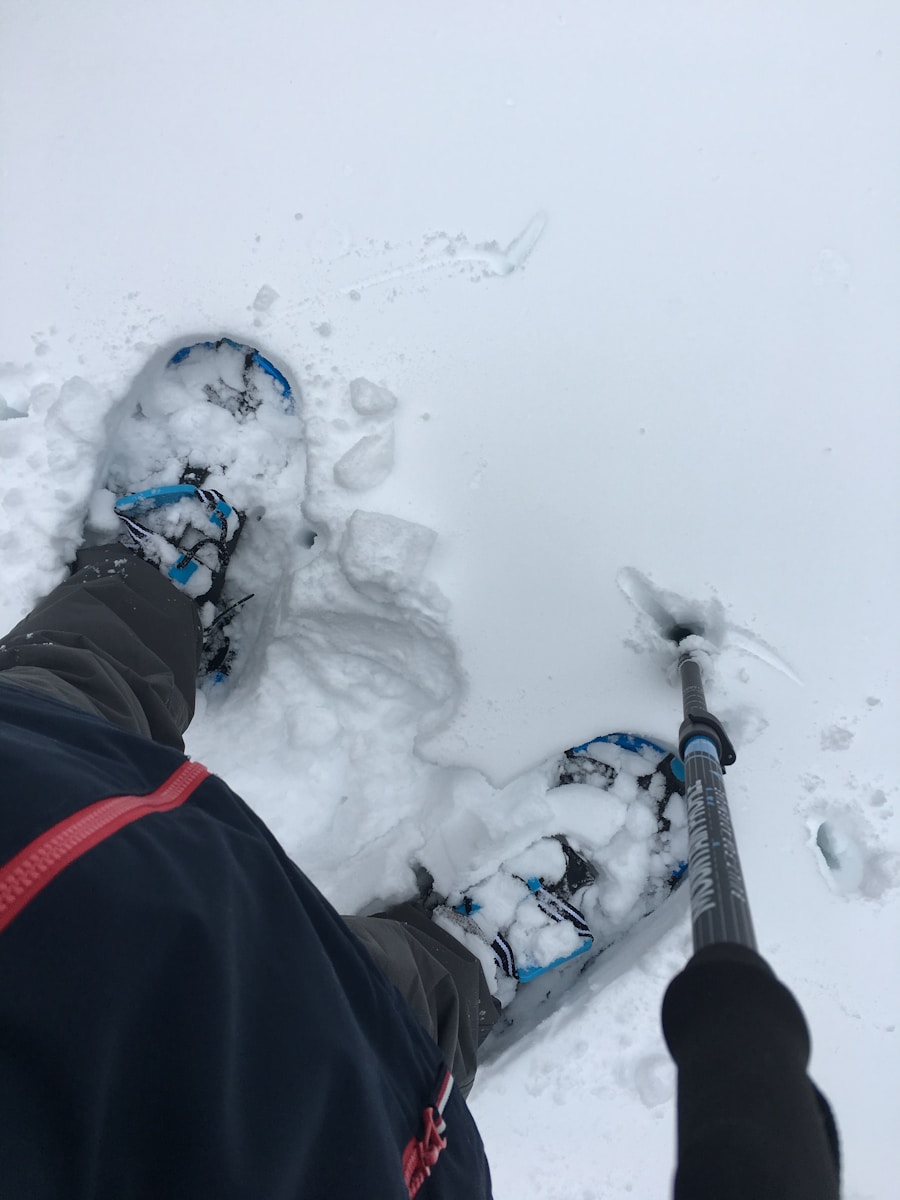
- Snowshoes are worn over boots and are useful for soft, deeper snow where hikers would otherwise sink.
- A secure but roomy fit, moisture-managing socks, gaiters, and proper boot care help keep feet warmer and drier.
Disclosure: As an Amazon Associate I earn from qualifying purchases. Some links on this page are affiliate links, at no extra cost to you.
Advantages of Hiking Boots in Snow
Hiking boots have several qualities that make them useful in winter. Their sturdy uppers, protective toe areas, and rugged soles help protect the feet on uneven trails where rocks, roots, and other obstacles may be hidden beneath snow.
Waterproofing is especially valuable. Snow that melts on a boot can eventually soak non-waterproof footwear, leaving socks and feet cold and uncomfortable. The National Park Service recommends waterproof boots for winter hiking and also suggests gaiters to help keep snow and mud from entering around the top.
Hiking boots also tend to provide a more supportive platform than lightweight everyday shoes. A secure heel and stable sole can make uneven snowy terrain easier to manage, although no amount of ankle support replaces careful footing or proper traction on ice.
The most important question is not simply whether a boot is called a “hiking boot,” but whether its warmth, waterproofing, fit, and traction match the winter conditions you will actually encounter.
Potential Drawbacks of Hiking Boots in Snow
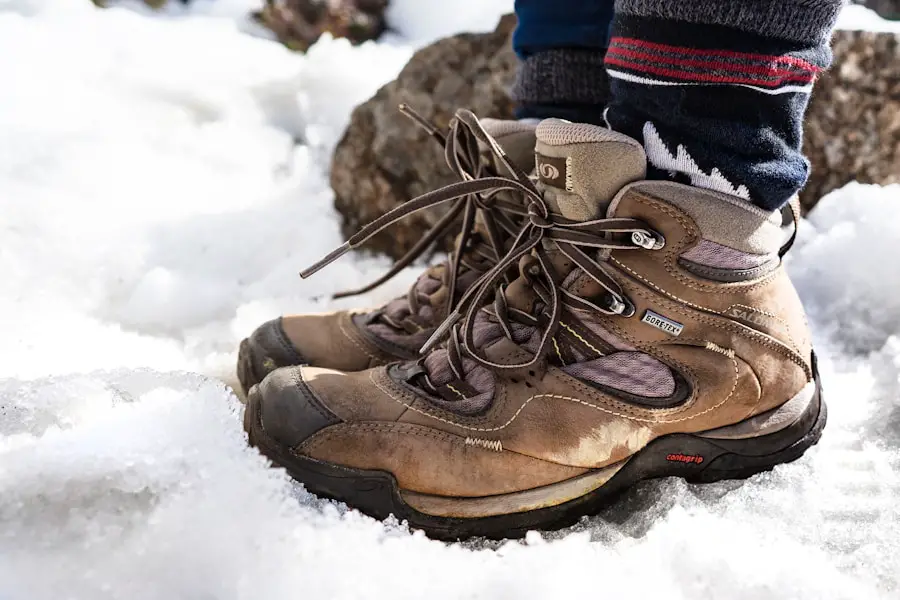
Despite their advantages, hiking boots are not automatically ideal for every winter trip. Many ordinary three-season models contain little or no insulation. They may feel comfortable during an active hike in mild winter weather but become uncomfortably cold during long stops or lower temperatures.
Weight can also be a drawback. Sturdy boots generally require more effort to lift than trail shoes, and winter-specific insulated models may be heavier still. That difference becomes more noticeable when walking through deep snow.
Waterproof footwear can also feel warmer and less ventilated than highly breathable summer footwear. Waterproof-breathable membranes such as GORE-TEX are designed to keep liquid water out while allowing water vapor to escape, but a hiker can still build up moisture inside a boot during hard exertion. Managing sweat with suitable socks and adjusting clothing layers before overheating can help.
Note: Waterproof and insulated do not mean the same thing. A boot can be waterproof but have little insulation, or heavily insulated without being the best choice for wet snow. Check both features separately.
Tips for Choosing the Right Hiking Boots for Snow
At a Glance
| Waterproofing | Highly important for wet snow, slush, and prolonged snow contact. Look for a waterproof membrane or construction suited to winter hiking. |
| Insulation | Choose according to temperature, activity level, trip duration, and how cold your feet normally run. Ordinary waterproof hiking boots may have little insulation. |
| Traction | Rugged tread helps on snow, but hard-packed snow and ice may require removable traction devices. |
| Fit | The heel should feel secure while the toes have room to move. Test the boots with the winter socks you plan to wear. |
| Boot Height | A higher cuff can provide extra coverage, but gaiters are more effective when loose or deep snow repeatedly reaches above the boot. |
| Weight | Lighter boots reduce fatigue, but warmth, durability, and weather protection may be more important in severe winter conditions. |
Choose Waterproofing for the Conditions
Wet snow and slush can quickly expose weaknesses in footwear. Waterproof membranes such as GORE-TEX are designed to block outside moisture while allowing some water vapor to escape. Regardless of the technology used, inspect the boot’s seams, tongue construction, and upper for places where melting snow could enter.
Choose Enough Insulation
Insulation becomes more important as temperatures fall, exposure becomes longer, or activity becomes less intense. A highly active hiker may need less insulation than someone who frequently stops or spends hours standing in snow.
A waterproof three-season boot can therefore be adequate on one winter hike and completely inappropriate on another. Do not rely on a generic temperature rule unless the footwear manufacturer provides a specific rating and explains how that rating was determined.
Get the Fit Right With Winter Socks
Try boots with the socks you intend to hike in. Your heel should stay reasonably secure, but your toes should have space to move without hitting the front of the boot on descents.
Avoid solving cold feet simply by forcing very thick socks into a boot that is already tight. Compressing the foot and insulation can reduce comfort. Wool or synthetic hiking socks that manage moisture are generally preferable to cotton in cold conditions.
Pro Tip: Fit your winter hiking system as a whole. Put on the exact socks, boots, gaiters, and removable traction you expect to use and walk in them before relying on the setup for a long winter hike.
Match Your Footwear to the Snow and Ice
Winter trail conditions can change dramatically over a single hike, so footwear should be chosen for the surface rather than for the word “snow” alone.
- Shallow, unpacked snow: Waterproof hiking boots with warm socks may be sufficient when temperatures are moderate.
- Packed snow: Waterproof boots can work well, but carry removable traction if the surface becomes slick.
- Hard-packed snow or ice: Use an appropriate over-the-shoe traction device. The National Park Service recommends traction devices for hard-packed snow and ice.
- Soft, deep snow: Add snowshoes to spread your weight over the snow and reduce sinking.
- Technical steep ice or mountaineering terrain: Specialized crampons, compatible boots, proper tools, and technical training may be necessary. Lightweight recreational traction is not a substitute for mountaineering equipment.
Warning: Aggressive boot tread does not make icy trails automatically safe. If the surface is hard and slippery, use suitable traction or turn around. A short unexpected patch of ice can be enough to cause a serious fall.
Hiking Boots vs. Winter Hiking Boots
Regular hiking boots and winter hiking boots can look similar, but they are designed around different priorities.
Three-season hiking boots emphasize walking comfort, stability, and moderate weather protection. Waterproof models can be perfectly practical for mild winter hikes, especially when the snow is shallow and the hiker stays active.
Winter hiking boots generally add insulation and other cold-weather features. They are often a better choice when temperatures are well below freezing, the trip lasts several hours, deep snow is expected, or there will be frequent stops.
Mountaineering boots are a more specialized category intended for technical mountain environments. They may have rigid construction and crampon compatibility that would be unnecessary and uncomfortable on an ordinary snowy walking trail.
There is no single boot that is best for every winter hike. The safest approach is to match the footwear to the expected cold, snow depth, moisture, terrain, and activity level.
How to Properly Maintain Hiking Boots in Snowy Conditions
Salt, mud, grit, and repeated wetting can shorten the life of winter footwear. Cleaning the boots after use also makes it easier to spot damaged seams, worn tread, or other problems before the next hike.
Start by removing loose dirt with a soft brush. Remove the laces and insoles when the manufacturer’s instructions allow it. For GORE-TEX footwear, the manufacturer recommends lukewarm water with a small amount of liquid detergent after loose dirt has been brushed away.
Allow wet boots to dry naturally at a moderate temperature. Do not place waterproof boots directly against a radiator, fireplace, stove, or other strong heat source. GORE-TEX footwear care guidance specifically recommends avoiding direct heat and notes that a convection-style boot dryer can be used.
If water stops beading on compatible footwear, restore the outer water-repellent treatment according to the boot manufacturer’s directions. Do not automatically apply wax or grease to every waterproof boot. GORE-TEX, for example, warns that waxes and greases can affect footwear breathability.
Finally, inspect the outsole, laces, eyelets, upper, and waterproof areas before the next trip. A worn sole or damaged upper can turn a minor summer inconvenience into a much bigger winter problem.
Alternatives to Hiking Boots for Snowy Hikes
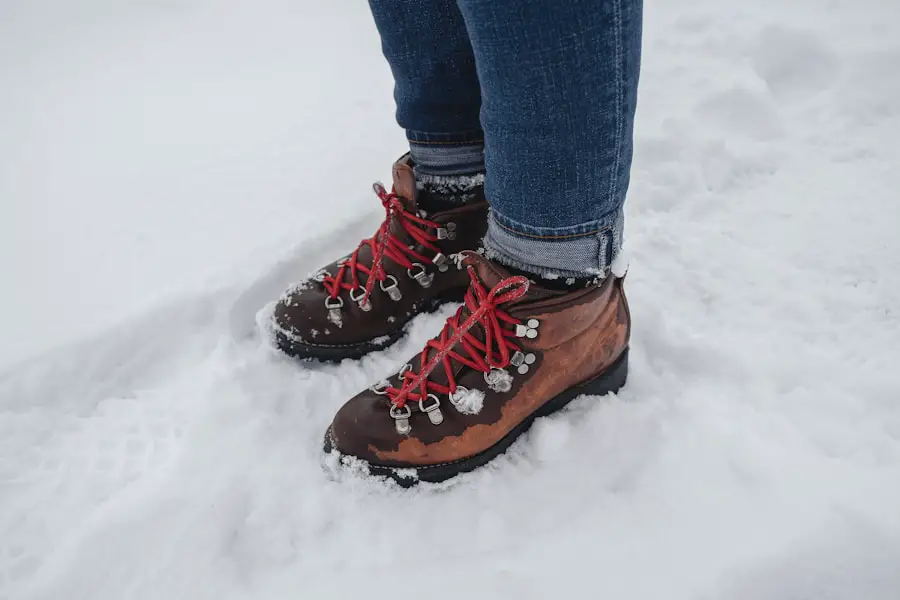
When ordinary hiking boots are not warm enough, insulated winter hiking boots are the most direct alternative. They combine trail-oriented support with additional cold-weather protection and are usually better suited to extended winter hiking.
Winter utility or snow boots can also provide excellent warmth and waterproofing, although some models are designed more for standing, shoveling, or casual walking than for covering long distances on uneven trails. Check the sole, fit, flexibility, and heel security before using them for serious hiking.
Snowshoes are another important part of a winter setup, but they do not replace boots. They strap over waterproof footwear and provide flotation when snow is soft or deep. The National Park Service advises using waterproof boots with snowshoes.
Waterproof trail-running shoes may work for short outings in mild conditions or on mostly clear, packed trails, especially for experienced users who prefer lightweight footwear. However, their lower cuffs and limited insulation generally make them less forgiving in deep snow, slush, or sustained cold.
How to Stay Safe and Comfortable While Wearing Hiking Boots in Snow
Footwear is only one part of winter safety. The National Park Service recommends checking current weather and trail information, carrying warm waterproof clothing, and being willing to turn around as conditions change.
Wear moisture-managing base layers and add or remove insulating layers before you become excessively sweaty. Wetness from sweat can increase heat loss in cold conditions. Carrying a spare pair of dry socks is a simple precaution that can make a large difference if your feet become wet.
Gaiters help stop loose snow from entering around the tops of your boots. Trekking poles can also improve balance, although they do not replace proper traction on ice.
For trips in avalanche terrain, check the appropriate local avalanche forecast before leaving and make sure your skills and equipment match the route. Avalanche terrain requires knowledge beyond ordinary winter hiking preparation.
Watch for Cold-Injury Warning Signs
Cold or damp feet should not simply be ignored. According to the Centers for Disease Control and Prevention, frostbite can cause numbness and skin that becomes unusually firm, waxy, white, or grayish-yellow.
Hypothermia is a whole-body emergency. Warning signs can include persistent shivering, clumsiness, confusion, and worsening loss of coordination. Wetness, wind, exhaustion, and inadequate clothing can all contribute to cold stress.
Warning: Turn around or seek shelter if you cannot keep yourself warm and dry. Suspected frostbite should receive medical attention, and hypothermia can be a medical emergency. Do not keep hiking simply because reaching the planned destination feels important.
Do Not Depend on Cell Service
Tell someone where you are going and when you expect to return. Winter conditions can reduce travel speed, and remote trails may have little or no cellular coverage. A charged phone is useful, but it should not be your only emergency plan.
Are Hiking Boots Practical or Problematic in Snow?
Hiking boots can be very practical in snow when their features match the trip. Waterproof construction, a secure fit, appropriate socks, and a durable outsole make them useful for many winter trails.
The problems begin when a three-season boot is expected to perform like an insulated winter boot, or when hikers assume its tread will handle every icy surface. Deep snow can also overwhelm even a good boot unless gaiters or snowshoes are added.
For a short hike through shallow snow, waterproof hiking boots may be all you need. For sustained cold, choose warmer winter footwear. For packed snow and ice, carry removable traction. For deep soft snow, wear snowshoes over appropriate boots.
If you are planning a winter hiking trip, reliable communication can still be useful for checking conditions before you leave. An existing guide to a portable WiFi hotspot for international travel may help explain mobile connectivity options while traveling, but a hotspot normally depends on cellular data coverage. Do not treat a phone or hotspot as emergency equipment in remote winter terrain where service may be unavailable.
Frequently Asked Questions
What are hiking boots?
Hiking boots are supportive outdoor footwear designed for walking on trails and uneven terrain. Depending on the model, they may include rugged tread, waterproof construction, protective toe areas, and higher cuffs. Not all hiking boots are insulated for winter use.
Can you wear hiking boots in the snow?
Yes. Waterproof hiking boots can work well in shallow or packed snow when temperatures are moderate. In colder conditions, insulated winter hiking boots may be more appropriate. Hard-packed snow or ice may require removable traction, while deeper soft snow may require snowshoes over the boots.
What features should hiking boots have for snow?
Look for waterproof construction, enough warmth for the expected temperature, a secure fit with toe room, and a durable outsole. Gaiters are useful in loose or deeper snow. Do not assume the outsole alone will provide safe grip on ice; removable traction may still be necessary.
Do hiking boots need insulation for snow?
Not always. A waterproof uninsulated boot may be comfortable during an active hike in mild winter weather. Insulated winter hiking boots become more useful as temperatures fall, exposure lasts longer, snow becomes deeper, or you expect to spend significant time standing still.
Do you need traction devices with hiking boots in snow?
They are often useful on hard-packed snow and ice. Removable traction devices attach under the boot to increase grip. Deep, soft snow calls for snowshoes instead. Technical mountaineering terrain can require specialized crampons and training rather than recreational traction devices.
Can you use hiking boots for snowshoeing?
Yes. Waterproof hiking or winter hiking boots are commonly worn with snowshoes. Make sure the footwear is warm enough for the conditions and fits securely in the snowshoe bindings without uncomfortable pressure points.
How do you care for hiking boots after walking in snow?
Brush away dirt and debris, clean the boots according to the manufacturer’s instructions, and dry them naturally away from strong direct heat. Inspect the tread and upper for damage. Restore a compatible water-repellent treatment when needed, but use only products approved for the boot’s materials and waterproof membrane.
Sources
- U.S. National Park Service — Winter Hiking Tips — waterproof boots, gaiters, traction devices, poles, changing conditions, and avalanche awareness.
- U.S. National Park Service — Hiking With Traction Devices — traction for hard-packed snow and ice and snowshoes for deeper soft snow.
- U.S. National Park Service — Snowshoeing in Rocky Mountain National Park — using snowshoes with waterproof winter boots.
- Centers for Disease Control and Prevention — Preventing Frostbite — frostbite symptoms and response guidance.
- CDC/NIOSH — Cold Stress — cold exposure, wetness, hypothermia, frostbite, and other cold-related risks.
- GORE-TEX — Footwear Care Instructions — cleaning, drying, and restoring water repellency on compatible footwear.

