
Last Updated on September 10, 2026 by Daniel Globe
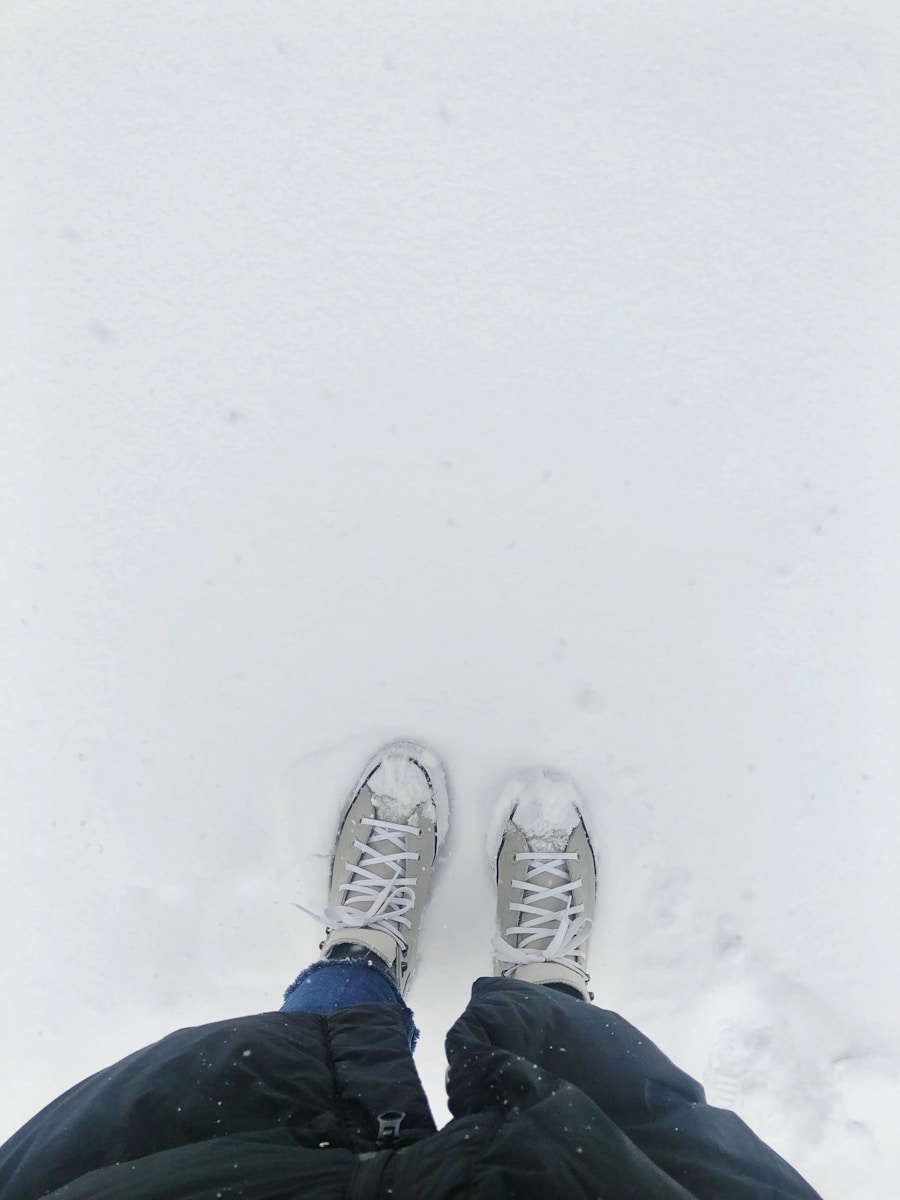
Hiking boots can work very well in snow, but the right setup depends on the temperature, snow depth, trail surface, and terrain. A waterproof hiking boot may be enough for a short walk through shallow snow, while colder weather, deep powder, packed ice, or steep terrain can require insulated boots plus gaiters, traction devices, snowshoes, or specialized mountaineering equipment.
Quick Answer
Yes, hiking boots can work in snow when they are waterproof, fit well, and provide enough warmth for the conditions. Regular waterproof boots may handle shallow snow, but icy trails often require over-the-shoe traction, deep snow may require snowshoes, and sustained cold may call for insulated winter hiking boots.
Key Takeaways
- Waterproof hiking boots can work in shallow or packed snow when temperatures are moderate.
- Insulated winter hiking boots provide more warmth for colder or longer outings, but too much insulation can make your feet sweaty during hard activity.
- Boot tread is not a substitute for traction devices when trails become icy.
- Snowshoes go over your boots and provide flotation in deep, soft snow; they are not a replacement for footwear.
- Wool or synthetic socks, gaiters, proper fit, and dry feet are just as important as the boot itself.
Disclosure: As an Amazon Associate I earn from qualifying purchases. Some links on this page are affiliate links, at no extra cost to you.
Do Regular Hiking Boots Work in Snow?
Regular hiking boots can work in snow if the conditions are relatively mild and the boots are waterproof or highly water-resistant. A sturdy pair of waterproof boots is often suitable for maintained trails with shallow snow, especially when combined with wool or synthetic socks and gaiters.
However, there is an important difference between a waterproof hiking boot and an insulated winter hiking boot. Waterproofing limits outside moisture from reaching your feet. Insulation slows heat loss. A boot can have one feature without the other.
For prolonged exposure to low temperatures, an insulated boot is generally more comfortable than an uninsulated three-season hiking boot. Some winter footwear uses synthetic insulation such as 3M Thinsulate insulation, while other manufacturers use their own insulating systems.
Which Footwear Setup Works for Different Snow Conditions?
| Conditions | Recommended Setup |
| Light or shallow snow | Waterproof hiking boots with wool or synthetic socks; add gaiters when snow may enter over the boot cuff. |
| Cold, prolonged winter hiking | Insulated waterproof winter hiking boots with appropriate socks and gaiters. |
| Packed snow or icy trail | Waterproof boots plus an appropriate over-the-shoe traction device and, when useful, hiking poles. |
| Deep, soft snow | Warm waterproof boots with gaiters and snowshoes for flotation. |
| Steep hard snow or technical ice | Appropriate mountaineering boots and compatible crampons may be required, along with the skills and other equipment appropriate to the route. |
The National Park Service winter hiking guidance recommends waterproof boots, gaiters, and over-the-shoe traction devices, while also noting that snowshoes may be useful depending on snow conditions.
Benefits of Hiking Boots in Snow
One of the main benefits of winter-capable hiking boots is protection from moisture. Wet snow and slush can quickly soak footwear that is not designed for wet conditions. Waterproof membranes and treated leather or synthetic uppers help reduce water entering from outside.
Waterproof technologies such as GORE-TEX footwear membranes are designed to combine waterproof protection with breathability, although your feet can still become damp from sweat during hard activity.
Insulation is another advantage in sustained cold. Insulated footwear reduces heat loss from the feet, which can make winter travel more comfortable. It should be considered part of a complete cold-weather clothing system rather than protection against hypothermia by itself.
Hiking boots also offer structure and tread that can improve stability on uneven snowy ground. Deep outsole lugs can bite into loose or packed snow better than smooth casual footwear.
Warning: Do not rely on boot tread alone on ice. The National Park Service recommends traction devices when trails are covered by hard-packed snow or ice. Always match the traction system to the terrain and follow its manufacturer’s instructions.
Limitations of Hiking Boots in Snow
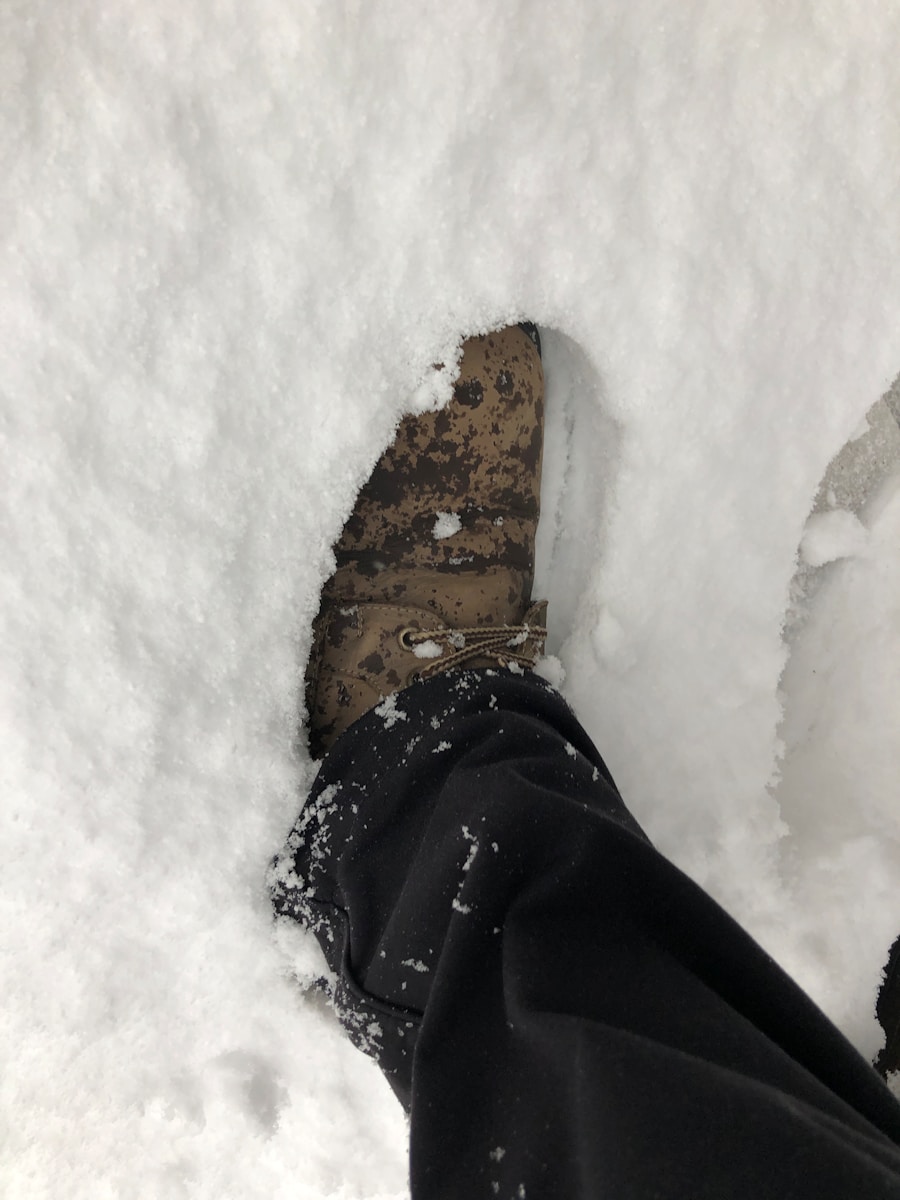
Winter-capable hiking boots have several tradeoffs. Insulated models are usually bulkier and may be heavier than lightweight three-season footwear. Over long distances, that extra weight can contribute to fatigue.
Insulation can also become uncomfortable during high-output hiking. When your feet sweat heavily, moisture collects inside your socks and footwear. Once you slow down or stop, that moisture can make your feet feel colder.
Boots also have limited flotation. Even an excellent winter boot can sink deeply into unconsolidated snow. Once every step becomes a deep post-hole, snowshoes or skis can be more efficient and safer.
Finally, waterproof boots are not automatically warm boots, and warm boots are not automatically suitable for ice. Think about waterproofing, insulation, traction, and snow depth as separate needs.
Cold-weather danger is not limited to subzero temperatures. The CDC notes that hypothermia can occur above 40°F when a person becomes chilled by rain, sweat, or cold water.
Tips for Using Hiking Boots in Snow
| Tip | Why It Matters |
| Choose Waterproof Boots | A waterproof membrane or properly maintained waterproof upper helps keep melting snow and slush from soaking your feet. |
| Use Insulation When Needed | Insulated boots are useful for colder temperatures, slower-paced trips, and extended snow exposure, but excessive insulation can lead to sweaty feet. |
| Add Proper Traction | Use an appropriate traction device when packed snow or ice exceeds what the boot outsole can safely handle. |
| Wear Proper Socks | Wool or synthetic socks manage moisture better than cotton and continue to insulate more effectively when damp. |
| Test the Fit Before the Hike | Wear the socks you expect to use and take several shorter walks before committing to a long winter hike. |
Get the Fit Right
A winter boot should secure your heel without crushing your toes. Boots that are too loose can increase friction and blister risk, while boots and socks that are excessively tight can make your feet uncomfortable and reduce the insulating air space around them.
Try on winter footwear with the same sock thickness you expect to use on the trail. Your toes should have room to move, especially during descents.
Pro Tip: Do not try to make a marginally cold boot warmer by stuffing in so many socks that the boot becomes tight. A properly fitted warmer boot is usually a better solution.
Wear Wool or Synthetic Socks
The National Park Service recommends wool or synthetic socks for winter travel and advises against cotton clothing because cotton holds moisture and performs poorly when wet. Your sock system should keep your feet comfortable without making the boot overly tight.
Add Gaiters in Deeper Snow
Gaiters cover the gap between your pants and boot cuffs. They help keep loose snow, mud, and moisture from entering through the top of the boot. They are particularly useful when stepping through fresh snow or leaving a packed trail.
Manage Sweat Before You Get Soaked
If your feet become excessively warm, adjust your pace or clothing before sweat builds up. The CDC advises people outdoors in winter to avoid getting wet and to limit excessive sweating because moisture increases cold-weather risk.
When Hiking Boots Are Not Enough
Use Traction Devices for Packed Snow and Ice
Winter hiking boots can have aggressive tread, but hard-packed snow and ice often require extra traction. The National Park Service recommends traction devices on icy and hard-packed trails because they add grip beneath the boot.
Choose a traction product intended for the surface and terrain you expect. A lightweight walking traction device is not automatically appropriate for steep mountaineering terrain.
Use Snowshoes for Deep, Soft Snow
Snowshoes distribute your weight over a larger area, reducing how deeply you sink into soft snow. They are worn over boots rather than instead of them.
Conditions can change quickly. The National Park Service notes at Bryce Canyon that fresh snowfall can make snowshoes necessary, while repeated use and melting can later turn the same trail into packed ice where traction devices are more useful.
Use Mountaineering Boots for Technical Terrain
Winter mountaineering boots are designed for more demanding snow and ice travel and may have stiffer soles than ordinary hiking footwear. This stiffness can improve support on technical terrain and may be necessary for certain crampon systems.
Note: Crampon compatibility depends on both the boot and binding system. Do not assume that a normal hiking boot will safely accept technical crampons. Manufacturers such as Petzl publish boot and crampon compatibility guidance for their systems.
Choosing the Right Hiking Boots for Snow

Start with the conditions rather than the boot label. Consider how cold the trip may be, how long you will be outside, whether the trail is wet or dry, the expected snow depth, and whether packed ice is likely.
Waterproofing
For wet snow and slush, choose a boot designed to resist water entering through the upper. Waterproof membranes such as GORE-TEX are one option, but other manufacturers use different waterproof systems.
Remember that waterproofing does not prevent moisture caused by your own sweat, and water can still enter through the top of a low boot.
Insulation
Insulation is most valuable in colder weather, during slower activity, or when you expect long stops. Fast hikers may prefer less insulation because they generate more heat.
There is no single insulation level that works for every hiker. Temperature, circulation, pace, socks, trip duration, and personal cold tolerance all matter.
Boot Height and Gaiter Compatibility
A taller cuff helps keep snow away from your ankles and can work well with gaiters. Lower footwear may still be comfortable on packed trails but is easier for loose snow to enter.
Outsole and Traction Compatibility
Look for an outsole with substantial lugs for snow-covered trails, but also consider whether your chosen over-the-shoe traction system fits the boot securely.
Fit and Toe Room
Winter socks are often thicker than summer hiking socks, so test the boot with your intended sock system. Your heel should remain controlled while your toes have enough room to move without hitting the front of the boot on descents.
Winter Footwear Safety
Good boots reduce risk, but they do not make every snowy trail safe. Snow can hide trail markers, rocks, holes, flowing water, and terrain changes. Packed snow can also become hard ice after repeated traffic or freeze-thaw cycles.
The National Park Service advises winter hikers to check weather and trail conditions, know their route, avoid walking on uncertain ice, be aware of avalanche conditions, and be willing to turn around when conditions change.
Warning: Waterproof boots, microtraction, snowshoes, or crampons do not eliminate avalanche, thin-ice, fall, or navigation hazards. Check current route and avalanche information before entering winter backcountry terrain and stay within your training and equipment limits.
Know the Signs of Cold Injury
Do not ignore numb toes simply because you are wearing insulated boots. According to the CDC’s frostbite guidance, warning signs can include numbness and skin that becomes unusually firm or waxy or changes to a white or grayish-yellow color.
Confusion, exhaustion, fumbling hands, slurred speech, and drowsiness can be signs of hypothermia. Hypothermia is a medical emergency.
Maintaining Hiking Boots for Snow
Winter footwear lasts longer and performs better when it is cleaned and dried correctly. After a hike, remove mud, road salt, grit, and other debris with a soft brush or damp cloth. Remove the laces and insoles when a deeper cleaning or drying is needed.
For GORE-TEX footwear, the manufacturer recommends lukewarm water and appropriate cleaning methods while advising users to follow the boot manufacturer’s instructions for leather and other specialized materials.
Dry Boots Without Direct Heat
Allow wet boots to dry at a moderate temperature with good air movement. Do not place them directly against a radiator, heater, stove, or fire. High heat can damage leather, membranes, and adhesives.
The GORE-TEX footwear-care guide recommends natural drying at moderate temperatures and avoiding direct heat.
Restore Water Repellency When Needed
Many boots have a water-repellent treatment on their outer material in addition to any waterproof membrane. When water stops beading on the surface, follow the footwear manufacturer’s care instructions and use a treatment that is appropriate for that exact material.
Do not automatically coat every boot with wax or grease. Some products can change appearance, soften leather, or reduce breathability, and waterproof membranes themselves do not necessarily require the same treatment as the outer fabric or leather.
Making the Most of Hiking Boots in Snow
Hiking boots can be excellent winter footwear when you match them to the conditions. Waterproof three-season boots may be enough for a short hike through shallow snow. Colder trips may call for insulated boots, icy trails can require added traction, and deep soft snow often calls for snowshoes over your boots.
The most important point is not to expect one boot to solve every winter-travel problem. Keep your feet warm and dry, choose socks and gaiters carefully, add traction or flotation when needed, and change plans when weather or trail conditions exceed your equipment or experience.
If a snowy trip is not the experience you are looking for, you can also compare these warm-weather destinations for November travel for a snow-free seasonal alternative.
Frequently Asked Questions
What are hiking boots?
Hiking boots are outdoor footwear designed to provide grip, protection, support, and durability on trails. Designs range from lightweight three-season boots to waterproof and insulated winter models.
Do hiking boots work in snow?
Yes. Waterproof hiking boots can work well in shallow or packed snow when temperatures are not too severe. Colder conditions may require insulated boots, while ice may require traction devices and deep snow may require snowshoes.
What features should hiking boots have to work in snow?
Useful features include waterproof construction, adequate warmth for the expected temperature, a supportive fit, a lugged outsole, enough room for suitable socks, and compatibility with gaiters or removable traction when needed.
Can hiking boots be used for snowshoeing?
Yes. Snowshoe bindings are designed to attach over footwear, and sturdy waterproof hiking boots can work well when they provide enough warmth for the conditions. In severe cold, insulated winter boots may be more comfortable.
Do I need traction devices with hiking boots in snow?
Not for every snowy trail, but traction devices are often useful or necessary when snow becomes hard-packed or icy. Match the device to the terrain and use it according to the manufacturer’s instructions.
Are waterproof hiking boots enough for deep snow?
Waterproof boots can keep your feet protected, but they do not stop you from sinking into deep soft snow. Snowshoes provide flotation and are often the better solution when you are post-holing deeply with every step.
Can regular hiking boots be used with crampons?
Some traction and crampon systems fit flexible hiking footwear, while technical systems require stiffer boots or specific heel and toe welts. Always check the crampon manufacturer’s boot-compatibility requirements before use.
How should hiking boots be maintained for snow use?
Brush away dirt, mud, and salt after use, remove the insoles when needed, and let wet boots dry at moderate temperatures away from direct heat. Restore the outer water-repellent treatment only with products recommended for the boot’s material.
Sources
- U.S. National Park Service — Winter Hiking Tips — winter footwear, gaiters, traction devices, snowshoes, route conditions, ice, and avalanche awareness.
- U.S. National Park Service — Go for a Winter Hike — when snowshoes and traction devices are appropriate as snow conditions change.
- CDC — Preventing Hypothermia — cold exposure, wet conditions, symptoms, and emergency guidance.
- CDC — Preventing Frostbite — frostbite risk, warning signs, and response guidance.
- GORE-TEX — Footwear Care Instructions — cleaning, drying, and restoring water repellency.
- Petzl — Crampon and Binding Compatibility — matching crampon binding systems to compatible footwear.

