
Last Updated on September 10, 2026 by Daniel Globe
Snow boots can work well for winter hiking, but the label on the box matters less than how the boot performs on the trail. A good pair needs to keep your feet warm and dry while holding your heel securely, flexing comfortably for walking, and working with the traction or flotation equipment required by the snow conditions.
Quick Answer
Yes, you can use snow boots for hiking when they fit securely, are comfortable for sustained walking, and provide enough warmth and weather protection. For steep, long, icy, or technical trails, purpose-built winter hiking or mountaineering boots are usually better. Ice may also require traction devices, while deep soft snow may require snowshoes.
Key Takeaways
- Snow boots can be suitable for easy and moderate winter hiking if they are waterproof, warm, secure on your feet, and comfortable over distance.
- A deep-lug outsole helps in snow, but boot tread alone may not provide enough grip on hard-packed snow or ice.
- Use over-the-shoe traction devices when trail conditions require them, and use snowshoes when deep, soft snow makes walking inefficient.
- Choose sock thickness based on boot fit. Socks that make the boot too tight can reduce comfort and warmth.
- For steep or technical winter terrain, choose footwear and traction equipment specifically designed for that terrain.
Disclosure: As an Amazon Associate I earn from qualifying purchases. Some links on this page are affiliate links, at no extra cost to you.
Can You Really Hike in Snow Boots?
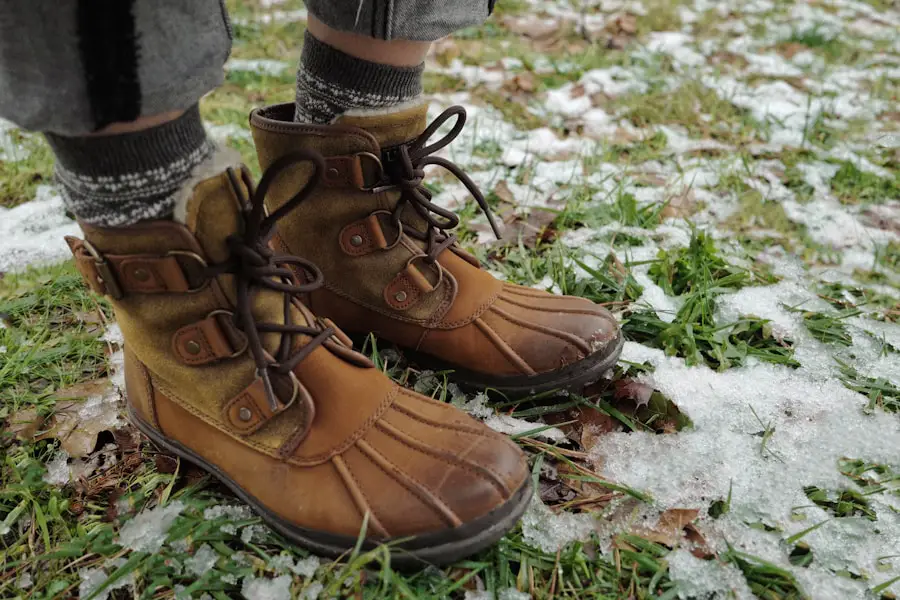
For many winter day hikes, the answer is yes. Insulated snow boots can offer three things hikers value in cold conditions: warmth, water resistance or waterproofing, and an outsole designed for snow.
The important distinction is that not every snow boot is a hiking boot. Some casual winter boots are designed mainly for commuting, standing in snow, shoveling a driveway, or walking short distances. They may feel comfortable around town but become heavy, loose, or tiring after several miles on uneven ground.
Purpose-built winter hiking boots usually place more emphasis on heel hold, walking efficiency, midsole support, outsole control, and compatibility with winter accessories. Mountaineering boots go further by providing the stiffness and equipment compatibility required for more technical snow and ice travel.
Note: Choose footwear for the actual terrain rather than relying on the words “snow boot” or “winter boot.” A warm casual boot and a technical winter hiking boot can perform very differently on the same trail.
Features That Make Snow Boots Suitable for Hiking
Insulation for Cold Conditions
Many winter boots use synthetic insulation or insulating liners to slow heat loss. Materials such as 3M Thinsulate insulation are used in some footwear specifically to provide warmth without relying only on thick, bulky material.
The right amount of insulation depends on the weather, trip length, your activity level, and how warm or cold your feet normally run. A heavily insulated boot can be useful in very cold weather but may become uncomfortably hot during a fast uphill hike.
Do not choose a boot solely from a claimed temperature rating. Real-world warmth varies with wind, moisture, activity, socks, circulation, and the individual wearer.
Waterproofing and Snow Protection
Wet feet lose comfort quickly in winter. Waterproof footwear is particularly useful when crossing slush, wet snow, shallow meltwater, or muddy winter trails. Waterproof/breathable membranes such as those used in GORE-TEX footwear are designed to keep liquid water out while allowing water vapor to pass through the footwear system.
A higher boot shaft also helps reduce the amount of snow entering from above. For deeper snow, gaiters can cover the gap between your pants and boots. The National Park Service winter hiking guidance specifically lists waterproof boots and gaiters among appropriate winter footwear equipment.
Traction on Snow
Winter boots often use pronounced tread patterns that bite into loose or packed snow better than smooth casual footwear. A good hiking outsole should also remain stable when the trail is uneven and should not feel excessively soft or unstable under your foot.
However, outsole tread and ice traction are not the same thing. Hard-packed snow, frozen trails, and clear ice can exceed what rubber lugs can safely handle.
On hard-packed snow and ice, the footwear decision is often not “Which boot has the deepest tread?” but “Does this route require an additional traction device?”
Secure Fit and Walking Support
A trail-ready winter boot should hold the heel securely and prevent the foot from sliding around inside. The midsole and upper should also provide enough structure for the terrain you plan to cross.
A tall shaft does not automatically mean strong ankle support. A soft, loose winter boot can be tall yet provide little control on uneven ground. Look instead at heel retention, lacing, midsole stiffness, torsional stability, and how securely the entire boot moves with your foot.
Snow Conditions Determine What You Need
| Trail Condition | Typical Footwear Setup |
| A few inches of snow on an easy trail | Waterproof hiking boots or comfortable snow boots may be sufficient. |
| Wet or deeper snow | Waterproof insulated boots plus gaiters can help keep feet warm and snow out. |
| Hard-packed snow or icy trail | Winter footwear plus a suitable over-the-shoe traction device. |
| Deep, soft, unconsolidated snow | Warm waterproof boots with snowshoes when flotation is needed. |
| Steep or technical snow and ice | Appropriate mountaineering footwear and technical equipment selected for the route and used with proper training. |
The National Park Service notes that traction devices are helpful on hard-packed snow and ice, while soft, deeper snow can call for snowshoes. That distinction is more useful than assuming one boot can handle every winter surface.
Limitations of Snow Boots for Hiking
Extra Weight and Bulk
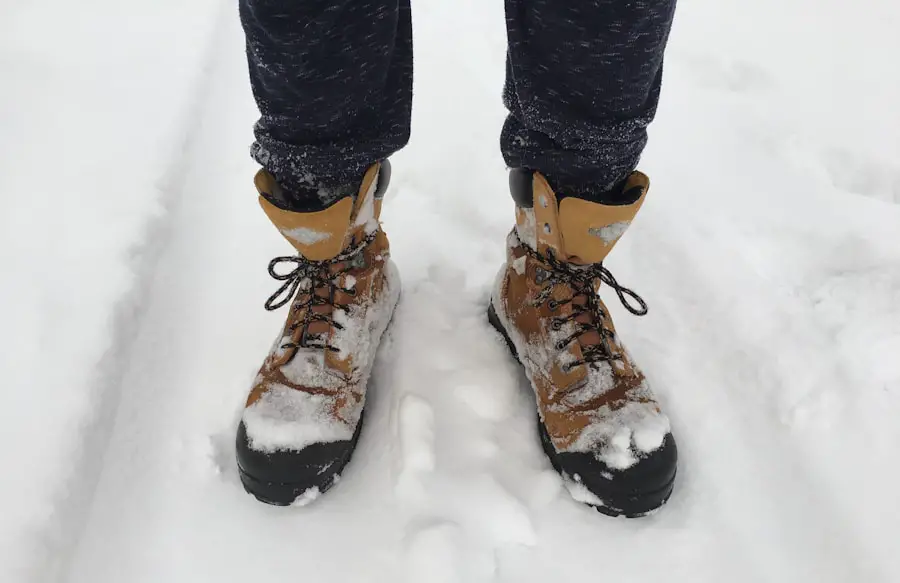
Snow boots are often heavier than three-season hiking shoes because they may use thicker uppers, insulation, waterproof construction, rubber shells, and taller shafts. Extra weight may not matter on a short winter walk, but it can become noticeable over a long day.
Bulky boots can also feel less precise when scrambling over rocks, side-hilling, or walking on narrow uneven trails.
Heat and Breathability
A heavily insulated snow boot may become too warm during strenuous hiking or during mild winter weather. Once your socks and boot lining become damp with sweat, comfort can drop quickly.
This does not mean insulation is bad. It means insulation should match the expected temperature and activity rather than simply choosing the warmest boot available.
Fit and Foot Control
Some casual snow boots use slip-on designs or roomy interiors that work well for everyday winter use but allow too much heel movement for hiking. Excess movement increases rubbing and can make foot placement less precise.
A properly fitted winter hiking boot should feel secure without squeezing the forefoot or toes.
Ice Can Overwhelm the Outsole
A winter-specific rubber outsole can improve traction, but smooth ice and hard-packed frozen snow may still require additional grip. The National Park Service recommends traction devices when trails are covered with hard-packed snow and ice.
Warning: Do not assume a boot is safe on ice because its outsole looks aggressive. Carry and use an appropriate traction device when trail conditions require one.
Tips for Using Snow Boots for Hiking
| Tip | Why It Matters |
| Choose the right size | Your toes need room without excessive heel movement or sliding. |
| Match insulation to conditions | Too little insulation can leave feet cold; too much can cause sweating during hard activity. |
| Use waterproof footwear in wet snow | It helps prevent slush and meltwater from soaking the boot interior. |
| Carry suitable traction | Icy and hard-packed surfaces may require more grip than the outsole can provide. |
| Break boots in before a long hike | Testing them first exposes pressure points, heel slip, and rubbing before you are miles from the trailhead. |
| Use gaiters in deeper snow | Gaiters close the gap around the boot opening and help prevent snow from falling inside. |
Break Them In First
Wear new boots around home and on short walks before taking them on a long winter hike. More substantial footwear often needs time for you to identify fit problems and for the boot to flex naturally with your stride. REI’s hiking footwear guidance also recommends breaking in substantial hiking and backpacking boots before a major trip.
Wear the Right Socks
Use merino wool or synthetic hiking socks that manage moisture and fit comfortably inside the boot. Avoid cotton for cold, wet hiking because it dries slowly.
More socks are not automatically warmer. An extra-thick sock or multiple layers can compress your foot if the boot does not have enough volume. That can reduce comfort and leave less insulating air space around the foot.
Pro Tip: Try your winter boots with the exact socks you plan to hike in. Walk downhill or down a ramp to make sure your toes do not strike the front while your heel stays securely in place.
Shorten Your Stride on Slippery Terrain
Snow can hide rocks, roots, holes, and uneven ground. Use shorter, controlled steps when footing is uncertain. Trekking poles can add useful balance, especially on packed or slippery sections.
Slow down before the trail becomes difficult rather than waiting until you begin slipping.
Choosing the Right Snow Boots for Hiking
Start With the Terrain
Think first about where you will hike. A maintained park trail with a few inches of snow does not demand the same footwear as a steep mountain route covered in hard ice.
For casual winter trails, a comfortable waterproof snow boot may work well. For longer mileage, rougher ground, or frequent hiking, a purpose-built winter hiking boot usually offers better walking efficiency and foot control.
Check the Fit Carefully
Your toes should have enough space to move without the entire foot sliding around. The heel should remain secure when walking uphill and downhill.
Try the boots late in the day when feet may be slightly larger and wear the socks you intend to use outdoors. Check for rubbing around the heel, ankle, forefoot, and toes.
Consider Insulation Without Overdoing It
For very cold climates or slow-paced winter activities, more insulation may be useful. For vigorous hiking, moderate insulation can be more comfortable because your body generates considerable heat while moving.
People who routinely get cold feet may need a warmer setup than hikers who naturally run warm, even on the same trail.
Look at the Outsole and Traction Compatibility
Deep tread helps in snow and soft ground, but think beyond the outsole. Consider whether your chosen over-the-shoe traction device can fit securely around the boot.
Technical mountaineering crampons are a different category. Their binding systems must match the footwear. Petzl’s crampon instructions, for example, tell users to verify boot and binding compatibility and test the attachment before field use.
Warning: Do not attach technical crampons to a boot unless the crampon manufacturer says that footwear and binding combination is compatible. Equipment that shifts or detaches on steep snow or ice can cause a serious fall.
Alternatives to Snow Boots for Hiking
Insulated Winter Hiking Boots
For people who hike frequently through winter, insulated hiking boots are often the most versatile alternative. They combine trail-oriented fit and support with waterproofing and cold-weather insulation.
They are generally better suited to sustained walking than bulky casual snow boots while still offering useful protection from snow and cold.
Regular Waterproof Hiking Boots With Gaiters
When temperatures are moderate and snow is shallow, regular waterproof hiking boots can work well with suitable non-cotton socks and gaiters. REI notes that traditional hiking boots can be used when only a few inches of snow are present, while deeper conditions make insulated winter or mountaineering footwear more useful.
Snowshoes for Deep Snow
Boots provide warmth and protection, but they do not provide much flotation. In deep, soft snow, every step can sink far below the surface and make travel exhausting.
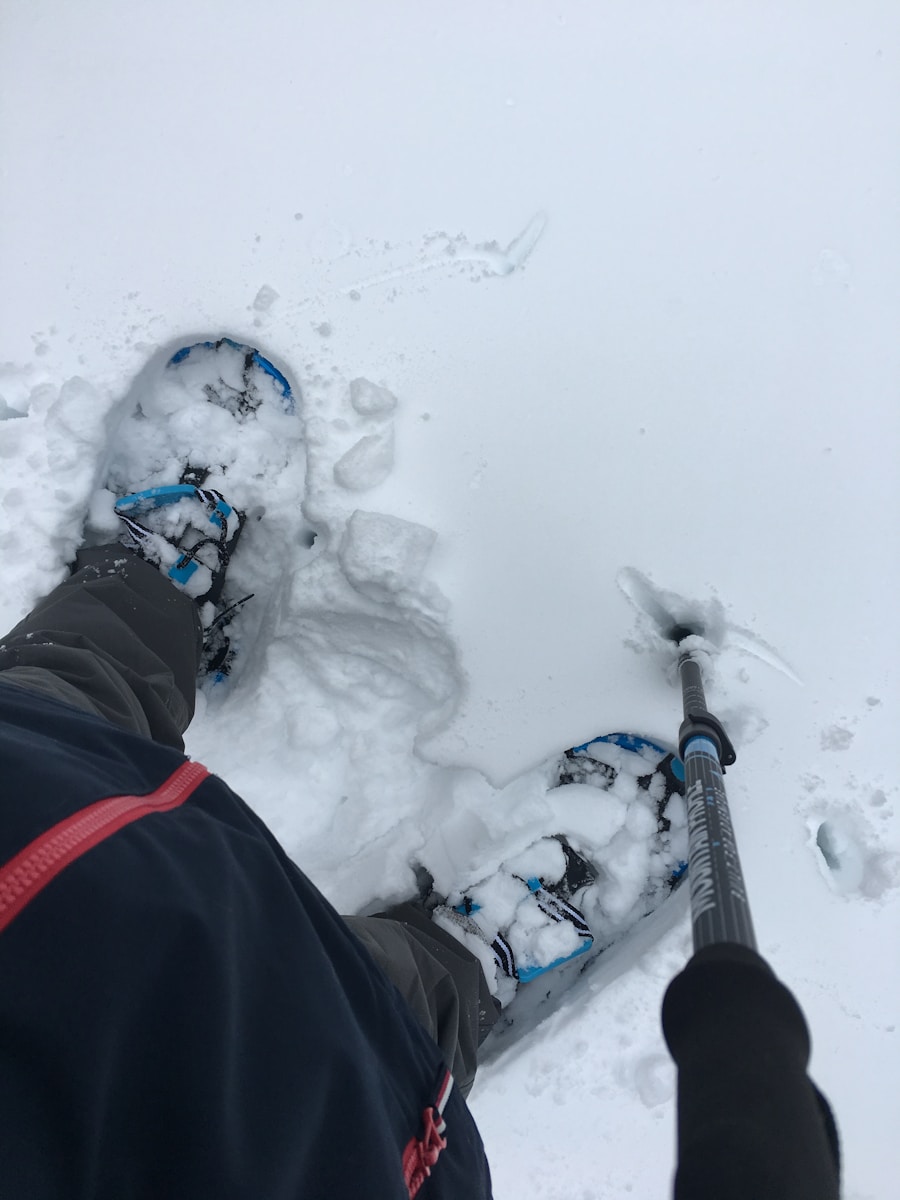
Snowshoes spread your weight over a larger area. NPS guidance recommends changing to snowshoes when snow is soft and deep enough that traction devices alone are not the right tool.
Mountaineering Boots for Technical Terrain
For glacier travel, steep snow, ice climbing, or technical mountaineering, specialized mountaineering boots may be necessary. They are designed around stiffness, edging, durability, insulation options, and compatibility with technical crampon systems.
They are not automatically better for an ordinary winter hike. Their extra stiffness, weight, and cost make them specialized equipment rather than an all-purpose upgrade.
Safety Considerations When Using Snow Boots for Hiking
Winter changes much more than the temperature. Trails can disappear under snow, daylight is shorter, water sources may freeze, familiar slopes can become icy, and rescue may take longer.
Watch for Frostbite and Hypothermia
The CDC identifies toes among the body parts commonly affected by frostbite. Warning signs can include numbness, unusual firmness or waxiness, and pale or discolored skin.
Hypothermia can cause shivering, exhaustion, confusion, fumbling hands, slurred speech, and drowsiness. It is a medical emergency.
Warning: Persistent numbness, skin changes, confusion, slurred speech, or other signs of frostbite or hypothermia require prompt action. Get out of the cold and seek appropriate medical help. Do not continue hiking simply because your boots are insulated.
Check Weather, Trail Conditions, and Daylight
Review the forecast and current trail information before leaving. Winter weather can change quickly, especially at elevation. Start early enough to allow for slower travel and carry a headlamp even when you expect to finish before dark.
Bring navigation equipment rather than depending entirely on a phone. Snow can hide trail markers and erase familiar visual landmarks.
Know When Avalanche Safety Applies
Ordinary hiking footwear does not protect you from avalanche hazards. If your route enters avalanche terrain, footwear selection becomes only one part of a much larger safety decision.
Avalanche.org recommends checking the regional avalanche forecast, which provides information about current avalanche danger, snowpack problems, weather, and travel advice.
Entering avalanche terrain requires the appropriate education, decision-making skills, rescue equipment, and partners. When you do not have those skills, select a route that avoids avalanche terrain.
Carry Winter Hiking Essentials
In addition to suitable footwear, a winter day-hiking kit should account for:
- Extra warm and waterproof clothing
- Food and water
- Navigation equipment
- Headlamp and spare power
- First-aid supplies
- Appropriate traction devices
- Trekking poles when useful
- Emergency communication or signaling equipment appropriate to the location
Tell someone where you are going and when you expect to return. Be willing to turn around when snow, ice, weather, visibility, or fatigue makes the route more difficult than expected.
How to Care for Snow Boots After Hiking
After a hike, brush away dirt, mud, road salt, and packed snow. Remove the insoles when practical and allow the boots and insoles to dry separately.
Air-dry footwear at normal temperatures instead of placing it directly against a heater, stove, fireplace, or other strong heat source. High heat can damage leather and weaken footwear adhesives. REI’s boot-care guidance recommends normal-temperature drying and suggests using a fan when faster drying is needed.
Follow the boot manufacturer’s instructions before applying leather conditioner, waterproofing products, or other treatments because care requirements vary by material and waterproof membrane.
Making the Most of Your Snow Boots for Hiking Adventures
Snow boots can be practical hiking footwear when their fit, construction, and warmth match the trip. They are most convincing on short to moderate winter hikes where warmth and snow protection matter more than low weight or technical precision.
For long mileage, steep ground, hard ice, or technical mountain routes, winter hiking or mountaineering footwear is usually a better match. Even then, the boot is only part of the system: traction devices, gaiters, snowshoes, poles, navigation tools, clothing, and winter safety knowledge may all matter.
The best approach is to match your footwear to the surface underfoot. Loose snow, packed snow, deep powder, and hard ice are different conditions and may require different equipment. Choosing based on those conditions will do far more for comfort and safety than choosing a boot simply because it is marketed for snow.
Sources
- U.S. National Park Service — Winter Hiking Tips — winter footwear, gaiters, traction, poles, navigation, weather, and essential gear.
- U.S. National Park Service — Hiking with Traction Devices — traction devices for hard-packed snow and ice and snowshoes for deeper soft snow.
- CDC — Preventing Frostbite — frostbite symptoms, affected extremities, and response guidance.
- REI Expert Advice — Winter Camping and Backpacking Basics — winter footwear, socks, gaiters, and insulation considerations.
- Petzl — Crampon Technical Notice — boot, crampon, and binding compatibility requirements.
- Avalanche.org — Get the Forecast — avalanche forecast information and winter backcountry risk planning.
Frequently Asked Questions
Can snow boots be used for hiking?
Yes. Snow boots can work for winter hiking when they are comfortable for sustained walking, fit securely, keep your feet appropriately warm and dry, and suit the terrain. Bulky casual snow boots are less suitable for long, steep, or technical hikes.
What features should I look for in snow boots for hiking?
Look for a secure heel fit, enough toe room, appropriate insulation, waterproof construction for wet snow, a stable outsole, comfortable walking flex, and compatibility with any gaiters, traction devices, or snowshoes you expect to use.
Are there drawbacks to using snow boots for hiking?
Yes. Some snow boots are heavier, bulkier, warmer, and less precise than hiking-specific footwear. Casual models may also allow heel movement or lack enough structure for uneven terrain.
Can I use snow boots for hiking in non-snowy conditions?
You can, but heavily insulated snow boots may feel hot and bulky on dry or mild-weather trails. A regular hiking boot or hiking shoe is usually more comfortable when warmth and deep-snow protection are unnecessary.
Do snow boots replace microspikes or other ice traction?
No. Winter tread can improve grip, but hard-packed snow and ice may require an over-the-shoe traction device. Choose a device designed for the terrain and make sure it fits the boot securely.
Are winter hiking boots better than ordinary snow boots?
For frequent or longer trail hiking, usually yes. Winter hiking boots are generally designed with walking efficiency, heel control, trail support, waterproofing, and traction compatibility in mind. A comfortable snow boot can still be adequate for easier outings.
Should I wear two pairs of socks in snow boots?
Not automatically. Wear a merino wool or synthetic sock with a thickness that matches the boot’s fit. Adding extra layers can make the boot too tight. A thin liner sock can be useful for some hikers, but only when there is enough room inside the boot.
How should I care for snow boots after hiking?
Remove dirt and packed snow, take out the insoles when practical, and let the boots air-dry at normal temperature. Avoid strong direct heat because it can damage leather or adhesives. Follow the manufacturer’s instructions for cleaning and restoring water repellency.

