

Last Updated on August 26, 2026 by Daniel Globe
Taiwan is a rewarding destination throughout the year, but the best time to visit depends on what you want to do. For many first-time travelers, October and November offer one of the best balances of comfortable weather, outdoor sightseeing, and lower typhoon risk. Spring is attractive for cherry blossoms, summer suits travelers who enjoy tropical weather and coastal activities, and winter is excellent for hot springs, city sightseeing, and seasonal festivals.
Quick Answer
For most travelers, October and November are the best months to visit Taiwan because the weather is generally cooler and more comfortable, while the July-September peak typhoon period has usually eased. Late February through April is another strong choice for cherry blossoms and spring scenery, though March-May can bring frequent rain.
Key Takeaways
- October-November is the best all-around period for many visitors who want comfortable sightseeing and hiking weather.
- Late winter to early spring is best for many of Taiwan’s cherry-blossom destinations, with some areas blooming from February into March.
- July-September is Taiwan’s main typhoon season, so summer and early-fall trips need flexible plans and close weather monitoring.
- Winter is excellent for hot springs and city travel, although northern and northeastern Taiwan can feel cool and damp.
- Lunar New Year and major festivals can significantly affect crowds, transport, and business hours, so book early when traveling around holiday dates.
Best Time to Visit Taiwan at a Glance
| Season | Typical Experience | Best For | Main Consideration |
| Spring March-May |
Mild to warm weather with increasing rain | Flowers, hiking, cultural travel | Rain becomes more frequent; many cherry blossoms peak earlier, from February into March |
| Summer June-August |
Hot, humid, tropical weather | Beaches, islands, night markets, water activities | Heat, heavy rain, and increasing typhoon risk |
| Fall September-November |
Gradually cooler and more comfortable | Sightseeing, hiking, food trips, scenic drives | September can still have substantial typhoon risk |
| Winter December-February |
Generally mild in lowlands but cooler in the north and mountains | Hot springs, cities, food, winter scenery | Northeast monsoon can bring cool, wet weather to northern and eastern areas |
Spring: Cherry Blossoms and Mild-Weather Travel
Spring is one of Taiwan’s most attractive travel periods, especially if flowers and mountain scenery are priorities. Unlike a general East Asia itinerary centered on Japan or South Korea, Taiwan has its own well-known cherry-blossom destinations, including Wuling Farm, Yangmingshan, Sun Moon Lake-area attractions, Fushoushan Farm, and mountain communities such as Smangus.
Cherry-blossom timing varies by elevation, location, and variety. Some of Taiwan’s most popular displays begin in late winter rather than the middle of spring. For example, the Tourism Administration notes that cherry blossoms around Smangus commonly appear from early February to mid-March. Travelers whose main goal is sakura viewing should therefore research the specific destination rather than simply booking April or May.
March through May also becomes progressively wetter. Taiwan Tourism Administration identifies this period as part of the rainy season, when prolonged drizzle can sometimes occur. A compact umbrella, breathable rain jacket, and water-resistant footwear are useful additions to a spring packing list.
Pro Tip: If cherry blossoms are your priority, plan around the bloom forecast for the exact destination. Higher-elevation locations can follow a different schedule from Taipei and other lowland areas.
Summer: Beaches, Night Markets, and Festivals
Summer brings hot, humid weather and a lively atmosphere across Taiwan. Coastal destinations and offshore islands become attractive for swimming, snorkeling, diving, and other water activities when conditions are safe. Kenting is one of Taiwan’s best-known tropical beach destinations, while Penghu and other islands appeal to travelers interested in coastlines and marine activities.
Night markets are also an essential part of a Taiwan trip, but they are not limited to summer. Markets operate throughout the year. Taipei’s Shilin Night Market is famous for its large selection of snacks and shops, while cities such as Tainan, Taichung, and Kaohsiung have their own strong street-food cultures. Summer evenings can be especially energetic, although daytime heat may make slower sightseeing more comfortable.
Summer also overlaps with increasing tropical-cyclone activity. Taiwan’s Central Weather Administration identifies July, August, and September as the main typhoon season based on historical impacts, with August historically the most active month. This does not mean every summer trip will encounter a typhoon, but travelers should avoid rigid itineraries during periods when a storm is approaching.
Warning: When Taiwan’s Central Weather Administration issues a typhoon warning, follow official instructions and avoid exposed coastlines, mountain trails, river areas, and unnecessary travel. Transportation can be delayed or suspended with little notice.
Fall: Hiking and Outdoor Adventures
Fall is the strongest all-around choice for many Taiwan itineraries. Taiwan Tourism Administration describes September through November as a period of cooler, more comfortable weather, but there is an important distinction within the season: September still falls within Taiwan’s main typhoon-risk period. For that reason, October and November are often the most dependable months for travelers who prioritize outdoor sightseeing.
Taiwan’s mountains make fall particularly appealing for hiking. Alishan is known for mountain scenery, sunrise viewing, forest landscapes, and its famous railway, while numerous lower-elevation trails near cities provide easier day trips. Visitors planning high-mountain hikes should remember that altitude can make conditions much colder and more changeable than the weather in Taipei, Taichung, Tainan, or Kaohsiung.
Fall is also a rewarding period for seasonal food and cultural events. The Mid-Autumn Festival is one of Taiwan’s major traditional holidays, associated with family gatherings, mooncakes, pomelos, and the modern Taiwanese custom of barbecuing with family and friends. In 2026, the official Mid-Autumn Festival holiday falls on September 25.
For visitors who prefer pleasant walking weather, scenic rail journeys, mountain viewpoints, food-focused travel, and long days exploring cities on foot, October and November are the safest overall recommendation in this guide.
Winter: Hot Springs and Seasonal Festivals
| Winter Travel Factor | What to Expect |
| Hot springs | One of the best seasons for destinations such as Beitou, Wulai, Jiaoxi, Guanziling, and other spring areas |
| Lowland weather | Generally mild compared with many temperate destinations, but cold fronts can make northern Taiwan feel chilly |
| Mountains | Much colder than the lowlands; high-elevation areas can occasionally experience frost or snow |
| Festivals | Lunar New Year and Lantern Festival activities can make late winter culturally rewarding but busy |
Winter is an excellent time for Taiwan’s hot-spring culture. Taiwan Tourism Administration promotes hot-spring travel particularly through autumn and winter, with spring areas spread across northern, central, southern, and eastern Taiwan. Soaking in a hot spring after a cool day of sightseeing can be one of the season’s highlights.
Winter conditions differ sharply by region. Northern and northeastern Taiwan can be cool, cloudy, and damp under the northeast monsoon, while southern areas such as Tainan, Kaohsiung, and Pingtung are often milder. High mountains can become genuinely cold, so travelers should not use a Taipei or Kaohsiung forecast to judge conditions at elevation.
The Taiwan Lantern Festival also belongs to the late-winter or early-spring festival calendar rather than fall. Its location changes from year to year. The 2026 Taiwan Lantern Festival ran from March 3 to March 15 in Chiayi County, combining traditional lantern displays with large-scale lighting and cultural performances.
Lunar New Year: Traditional Celebrations and Festivities
Lunar New Year is Taiwan’s most important traditional holiday. Families clean and decorate their homes before the celebration, prepare traditional foods such as rice cakes, and gather for an important New Year’s Eve reunion meal. Temples, shopping districts, and public spaces can become especially lively around the holiday period.
For travelers, Lunar New Year requires more planning than an ordinary week. Many residents travel to visit family, demand for intercity transportation rises sharply, and some independent shops and businesses close or operate reduced hours. Major tourist attractions and popular temples may also become crowded.
The exact holiday dates change each year because they follow the lunar calendar. In 2026, Taiwan’s official Lunar New Year holiday period ran from February 14 through February 22. Travelers visiting around future Lunar New Year periods should check the official holiday calendar before booking trains, hotels, or domestic flights.
Note: Lunar New Year can be a wonderful time to experience Taiwanese traditions, but it is not the easiest period for spontaneous intercity travel. Reserve transportation and accommodation earlier than you normally would.
Typhoon Season: Travel Tips and Safety Precautions
Tropical cyclones can affect Taiwan during the warmer part of the year, but risk is not evenly distributed across every month. Central Weather Administration historical statistics identify July through September as Taiwan’s main typhoon season, with August historically recording the greatest number of typhoon impacts.
A typhoon does not automatically mean an entire vacation is ruined. Storm tracks change, some systems pass far from Taiwan, and impacts vary by region. The correct approach is to keep plans flexible and follow official forecasts rather than relying on long-range assumptions.
- Check Taiwan Central Weather Administration forecasts daily when tropical systems are nearby.
- Avoid mountain hiking, river tracing, exposed coastlines, and offshore trips when warnings are issued.
- Choose accommodation and transportation bookings with reasonable change or cancellation terms during higher-risk months.
- Keep a charged phone, portable battery, drinking water, and basic rain protection available.
- Do not approach the coast simply to watch large waves during a storm.
Summer travelers should also prepare for ordinary heat, humidity, thunderstorms, and heavy rain even when no typhoon is present. Lightweight clothing, sun protection, hydration, and indoor backup activities can make an itinerary much more comfortable.
Products Worth Considering
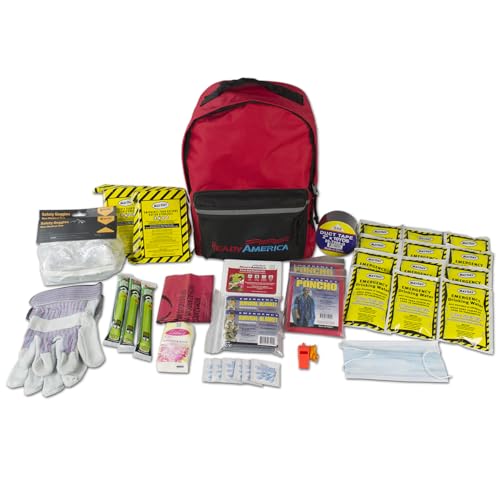
TORNADO EMERGENCY KIT: Be prepared for what Mother Nature dishes out with a Ready America Tornado Preparedness Kit. Our 2 person kit contains essential items such as life...
Regional Weather Differences Matter
Taiwan is compact, but its mountains and monsoon patterns create significant regional differences. A single national temperature or rainfall number cannot accurately describe every destination.
Northern Taiwan
Taipei, New Taipei, Keelung, and nearby areas can be humid throughout the year. Winters are usually mild by international standards but can feel cool and wet when the northeast monsoon is active.
Central Taiwan
Taichung and nearby lowlands often provide relatively comfortable access to mountain areas such as Sun Moon Lake, Alishan connections, Wuling Farm, and other highland destinations. Conditions change rapidly with elevation.
Southern Taiwan
Tainan, Kaohsiung, and Pingtung generally stay warmer in winter than northern Taiwan. Summer is hot and can be very wet when tropical systems or the southwest monsoon affect the region.
Mountain Areas
High-elevation destinations can be dramatically colder than nearby cities. Hikers should check a mountain-specific forecast and carry appropriate layers even when lowland temperatures seem warm.
Off-Season: Budget-Friendly Travel and Fewer Crowds
Taiwan does not have one perfect nationwide “off-season.” Crowds and prices depend on school holidays, public holidays, major festivals, local events, and destination type. A beach resort, mountain blossom destination, hot-spring town, and major city can each have different busy periods.
If saving money is the priority, compare travel dates outside Lunar New Year, major long weekends, famous flower seasons, and large destination-specific events. Weekday hotel stays may also offer better value than weekends in popular domestic tourism areas.
Rainier shoulder periods can provide lower crowds, but the cheapest month is not automatically the best-value month if poor weather prevents the activities you are traveling for. It is usually better to choose a shoulder period that still suits your itinerary.
Products Worth Considering
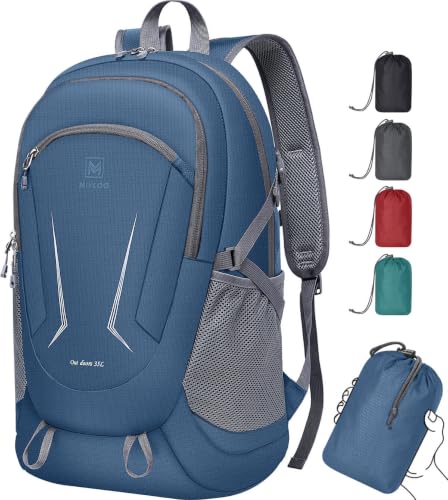
Lightweight: The lightweight packable backpack is about half the weight of a mobile phone, being folded into its inner pocket for storage and easy to open when needed. Unfolded size: 12.5 x 8.5 x 20.9 inches, folded size is only 4.5 x 3.9 x 7.8 inches

【Waterproof and Wear-Resistant Fabric】: Seektop hiking backpacks are made of high-density nylon waterproof fabric and feature waterproof zippers to prevent tearing, wear, and tear, and keep rain from getting inside the backpack and wetting your clothes, cash, cell phone, and other items. All stress points and shoulder straps are reinforced with knots to ensure durability.
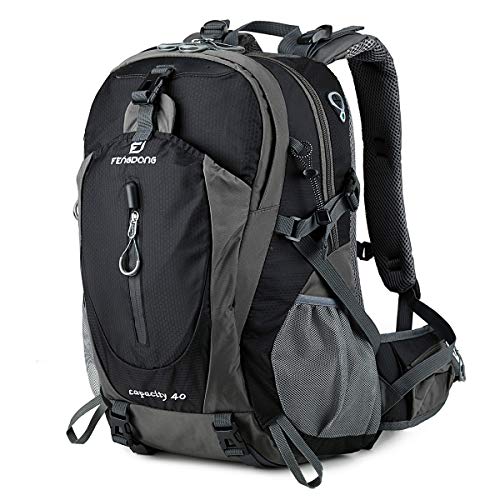
❤ Water Resistant & DURABLE: Made of Water Resistant high-density polyester material. FENGDONG camping backpack is made of extra thick, tear-resistant, water-resistant and anti-abrasion polyester fiber. All stress points are reinforced with bar tacking to increase its longevity.
Best Time to Visit for Specific Interests: Food, Culture, Nature, and Adventure
Best Time for Comfortable First-Time Sightseeing
October and November are excellent choices for travelers who want to explore Taipei, Taichung, Tainan, Kaohsiung, Sun Moon Lake, and other major destinations with less oppressive heat than midsummer.
Best Time for Cherry Blossoms
February through March is an important window at many famous blossom locations, although exact timing varies significantly by elevation and cherry variety. Check local bloom information before finalizing dates.
Best Time for Hiking
October through early winter can provide comfortable conditions on many trails, but mountain weather always requires separate checking. Spring can also be beautiful, although rain becomes more frequent.
Best Time for Beaches and Water Activities
Late spring through summer offers warm conditions for coastal trips, but travelers must balance this against heat, humidity, heavy rain, and tropical-cyclone risk. Never enter the water when local authorities advise against it.
Best Time for Food
Taiwan is a strong food destination year-round. Night markets, breakfast shops, noodle shops, seafood restaurants, tea culture, bakeries, and regional specialties do not depend on a single season. Seasonal fruit and festival foods, however, can make certain months especially interesting.
Best Time for Cultural Festivals
Festival-focused travelers should plan around specific events rather than seasons alone. Lunar New Year and Lantern Festival activities occur in late winter or early spring, while the Dragon Boat Festival, Ghost Festival traditions, Mid-Autumn Festival, temple celebrations, and indigenous cultural events occur at other points in the calendar.
Best Time for Hot Springs
Late fall through winter is the classic hot-spring period because cooler air makes soaking more enjoyable. Taiwan has spring areas across the island, so hot springs can be incorporated into both city-based and rural itineraries.
What to Pack by Season
- Spring: Light layers, umbrella, breathable rain jacket, comfortable water-resistant shoes.
- Summer: Lightweight clothing, sun protection, refillable water bottle, rain protection, portable charger.
- Fall: Light clothing for warm afternoons plus a thin layer for cooler evenings and mountain trips.
- Winter: Layers, light-to-medium jacket, rain protection for the north, and warmer clothing for mountain destinations.
If you are preparing for a Taiwan trip, packing lighter can make rail and city transfers easier. For broader gear ideas, you can browse these travel gift ideas for women. Travelers who need to work on the road may also find a lightweight travel laptop more convenient than heavier equipment.
Products Worth Considering

Upgraded Automatic Umbrella- Easy one hand operation with one auto open & close button, simply touch it to expand or collapse;

WINDPROOF & FLIP-SAFE DESIGN: Engineered with 8 reinforced fiberglass ribs and fail safe flip technology; resists high winds by inverting-not breaking-under pressure; say goodbye to flimsy umbrellas that snap in a gust. This heavy duty stick umbrella offers safety from rain, and offers big shade on clear days too - portable, sturdy, and dependable, it’s your reliable shield against rain whenever you’re on the go

HIGH-END UMBRELLA: Best-in-class construction, stylish and sturdy, high quality, durable travel umbrella, High end umbrella in the market.
Frequently Asked Questions
What is the best time to travel to Taiwan?
October and November are among the best months for most travelers because conditions are generally cooler and more comfortable and the main July-September typhoon period has eased. Late February through April is another attractive period for blossoms and spring scenery.
What is the weather like in Taiwan during the best time to travel?
October and November usually bring more comfortable conditions than midsummer, although temperatures and rainfall still vary by region and elevation. Mountain destinations can be much cooler than Taiwan’s lowland cities.
Are there festivals during good travel months in Taiwan?
Yes. Taiwan has major events throughout the year. The Mid-Autumn Festival falls in autumn, while Lunar New Year and the Taiwan Lantern Festival occur around late winter or early spring. Event dates change annually, so check Taiwan Tourism Administration’s current calendar before booking.
Should I book Taiwan accommodation and transportation in advance?
Advance booking is especially wise during Lunar New Year, long holiday weekends, major festivals, famous blossom periods, and popular domestic travel dates. Normal weekdays outside major holidays usually provide more flexibility.
Is summer a bad time to visit Taiwan?
No. Summer can be excellent for night markets, coastal trips, islands, and water activities. However, expect high heat and humidity and be prepared for heavy rain and tropical weather. July through September requires extra flexibility because it is Taiwan’s main typhoon period.
When is cherry blossom season in Taiwan?
Many well-known Taiwan cherry-blossom locations bloom from February into March, although exact timing depends on elevation, weather, and variety. Some higher-elevation areas bloom on a different schedule, so check local conditions shortly before your trip.
Sources
- Taiwan Tourism Administration — General Information — Taiwan’s seasonal climate, rainy season, autumn conditions, winter, and typhoon travel guidance.
- Taiwan Tourism Administration — Traditional Festivals — Lunar New Year, Lantern Festival, Dragon Boat Festival, and Mid-Autumn Festival traditions.
- Taiwan Tourism Administration — 2026 Taiwan Lantern Festival — official 2026 dates and Chiayi County location.
- Taiwan Central Weather Administration — Typhoon Climatology — historical evidence identifying July through September as Taiwan’s main typhoon season.
- Taiwan Tourism Administration — Useful Tips — official public-holiday information and travel-related operating guidance.
- Taiwan Tourism Administration — Smangus — official cherry-blossom timing information for a major mountain destination.
