

Last Updated on September 10, 2026 by Daniel Globe
Disclosure: As an Amazon Associate, we earn from qualifying purchases. If you click a link on this page and make a purchase, we may receive a small commission at no extra cost to you.
A first camera drone should be easy to control, inexpensive enough to learn on, and sturdy enough to handle a few beginner mistakes. The PLEGBLE PL516 targets that need with brushless motors, a foldable body, propeller guards, two batteries, and a 4K Wi-Fi camera. Its simple controls and compact size make it a practical starter model, but its short-range Wi-Fi system and lack of a listed GPS return-to-home feature limit what you can safely do with it. This review explains where the PL516 works well, what its specifications really mean, and who should choose a more advanced drone.
Quick Verdict
Rating: 8/10, recommended with caveats
Best For: First-time pilots, supervised family use, indoor practice, and casual outdoor photos in light wind
Bottom Line: The PL516 gives you useful beginner aids, a portable case, and better motor durability than many basic toy drones. Its camera and Wi-Fi range are suitable for casual use, not professional filming, long-distance flying, or dependable autonomous return.
PLEGBLE PL-516

Key Specifications
| Specification | Detail |
|---|---|
| Brand | PLEGBLE |
| Model | PL-516 |
| Product type | Foldable mini RC quadcopter with camera |
| Weight | 0.14 kg, about 4.9 ounces |
| Material and color | Black plastic body |
| Camera | 4K video, 8 MP still resolution, 130-degree field of view, and 90-degree adjustable angle |
| Video and viewing | MP4 recording with Wi-Fi first-person view through the PL FPV app |
| Motors | Brushless |
| Flight aids | One-key takeoff and landing, altitude hold, optical-flow positioning, headless mode, and speed adjustment |
| Control options | Remote controller, smartphone app, voice control, and gesture photo capture |
| Maximum listed control range | About 0.09 miles or 150 meters; listed live FPV distance is up to about 230 feet |
| Batteries | Two rechargeable 1500 mAh lithium batteries |
| Advertised flight time | Up to 28 minutes combined across both batteries |
| Safety features | Propeller guards, child lock, emergency stop, low-battery alerts, and anti-lost alarm after inactivity |
| Included accessories | Remote controller, two batteries, propeller guards, propellers, user manual, and carrying case |
Before You Buy: The advertised 28-minute flight time is the combined maximum for two batteries, not one uninterrupted flight. The PL516 also does not list GPS-based return-to-home, so its anti-lost alarm should not be treated as an automatic recovery system.
What Is the PLEGBLE PL516?
The PLEGBLE PL516 is a compact, foldable camera drone designed for beginners and casual pilots. It sits above the simplest brushed-motor toy drones by using brushless motors, optical-flow positioning, altitude hold, and a camera that can transmit a live Wi-Fi view to your phone.
Its main appeal is convenience. You get a remote controller for normal flying, app-based camera controls, two rechargeable batteries, protective guards, and a case that keeps the small parts together. The 0.14 kg body is easy to pack, but that low weight also means wind can push it around more easily than a heavier GPS drone.
Who Should Buy It?
Best For
- First-time pilots who want one-key takeoff, altitude hold, and propeller protection
- Families who will use the drone with adult supervision in open, low-risk areas
- Travelers and casual creators who want short aerial clips without carrying a large drone kit
Skip If
- You need GPS return-to-home, subject tracking, or dependable long-range control
- You expect mechanically stabilized video for paid work or cinematic footage
- You plan to fly regularly in strong wind or far from your takeoff point
Feature-by-Feature Review
Design, Portability, and Build
The folding arms and included case make the PL516 easy to store in a backpack or vehicle. At about 4.9 ounces, it adds little weight to a day-trip kit. The plastic body is appropriate for a beginner model, and the propeller guards help absorb light contact during indoor practice.
Brushless motors are a meaningful upgrade over brushed motors because they have fewer wear parts and generally run more efficiently. They also give the drone better response in light outdoor air, although the PL516 is still a very light aircraft and should not be treated as a strong-wind model. You can learn more about how wind affects small vehicles in this guide to wind resistance.
Camera and Video Quality
The camera is listed for 4K video and 8 MP still images, with a 130-degree wide-angle view and a lens angle that adjusts up to 90 degrees. That gives you flexibility for landscape shots, overhead views, and family clips. Wi-Fi FPV lets you frame the shot on your phone through the PL FPV app.
The important limitation is stabilization. The listing describes image stabilization and optical-flow hovering, but it does not list a mechanical gimbal. Expect the best results in bright daylight, light wind, and slow flight. Quick turns, vibration, and Wi-Fi signal drops can make footage look less smooth than video from a GPS drone with a gimbal.
Flight Controls and Beginner Aids
One-key takeoff and landing removes one of the hardest early steps. Altitude hold helps the drone maintain height, optical flow supports steadier low-level hovering, and headless mode can simplify directional control while you learn the stick layout. Multiple speed settings let you begin slowly indoors before moving to a faster outdoor mode.
You can also use voice commands and gesture capture through the app. These are convenient extras, but the physical remote should remain your main control method because it gives you more direct input and does not depend on a touchscreen during flight.
Battery Life and Range
Two 1500 mAh batteries provide up to 28 minutes of advertised total flight time. Real flight time can be shorter because wind, speed, camera use, temperature, battery age, and repeated corrections all increase power use. Swapping batteries is still useful because it gives the motors time to cool and extends a practice session without waiting for a recharge.
The listed maximum control range is about 0.09 miles, or roughly 150 meters, while the live camera feed is listed up to about 230 feet. Treat both as ideal-condition figures. Buildings, trees, nearby Wi-Fi networks, phone performance, and the drone’s orientation can reduce practical range.
Pro Tip: Practice close to the ground with the guards installed, speed mode set low, and the drone facing the same direction as you. This makes directional inputs easier to understand and gives you more time to use the emergency stop if control becomes unstable.
Setup Tips Before First Use
- Charge both flight batteries fully. Use the supplied charging method and keep the batteries on a nonflammable surface while charging.
- Install the propeller guards. The listing specifically recommends using them for stable, safer beginner flights.
- Inspect the propellers. Replace any blade that is cracked, bent, loose, or installed in the wrong position.
- Pair the remote and calibrate the drone. Follow the manual’s startup order and perform calibration on a level surface.
- Connect the PL FPV app only when you need the camera view. Join the drone’s Wi-Fi network before opening the app.
- Start in a wide, clear area. Keep people, pets, trees, vehicles, and power lines outside your practice zone.
Safety, Airspace, and Battery Care
The child lock, guards, low-battery warning, and emergency stop reduce common beginner risks, but they do not replace adult supervision or careful flying. Keep fingers, hair, loose clothing, and pets away from spinning propellers. Stop using a battery if it becomes swollen, damaged, unusually hot, or difficult to charge, and follow the manual for storage and disposal.
The drone’s sub-250-gram weight may exempt it from FAA registration when it is flown only under the recreational exception. That exemption does not remove other obligations. Recreational pilots still need to complete the TRUST safety test, keep the drone within visual line of sight, check airspace restrictions, and follow local rules. Part 107 and other nonrecreational operations have different registration requirements. Review the current FAA recreational flyer rules before flying.
How It Performs in Real Use
Indoor Practice
The guards, low-speed mode, and altitude hold make the PL516 useful for learning basic orientation in a large indoor space. Avoid small rooms, ceiling fans, glass, and crowded areas. Optical flow generally works best over a well-lit floor with visible texture rather than a glossy or featureless surface.
Backyard and Park Flights
In calm weather, brushless motors and altitude hold make short outdoor flights manageable. Keep the drone close, maintain a clear view, and land when the low-battery warning appears. Because there is no listed GPS return-to-home, do not use range testing as a beginner exercise.
Travel and Day Trips
The foldable body, case, and two batteries fit easily into a small travel bag. Before packing it for a flight or visiting a park, check airline battery rules, destination drone laws, property restrictions, and temporary flight limits. A compact drone is still subject to airspace and privacy rules.
Casual Content Creation
The wide-angle camera can capture establishing shots, group scenes, roofs, gardens, and scenery from a new perspective. For cleaner footage, fly slowly, avoid fast yaw movements, and record in bright light. The PL516 is better for short social clips and family videos than for commercial real-estate work or polished cinematic projects.
Pros and Cons
Pros
- One-key takeoff, altitude hold, headless mode, and speed settings support new pilots
- Brushless motors should last longer than basic brushed motors with normal care
- Two batteries and a carrying case make practice sessions and travel easier
- 130-degree adjustable camera provides flexible framing for casual shots
- Propeller guards, child lock, emergency stop, and low-battery alerts add useful safeguards
Cons
- The 28-minute claim is combined across two batteries, and actual time can be lower
- No GPS-based return-to-home or mechanical camera gimbal is listed
- Wi-Fi FPV has a shorter practical range and more latency than dedicated video systems
What People Say
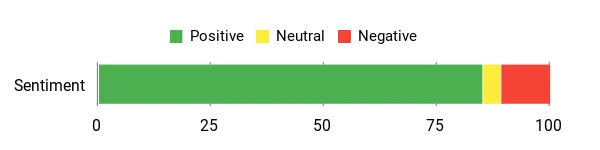
Buyer feedback commonly highlights easy setup, stable low-speed hovering, useful propeller protection, and a compact carrying case. The most realistic praise centers on beginner convenience rather than professional image quality.
Common cautions involve learning the calibration sequence, keeping the drone close enough for a steady Wi-Fi view, and avoiding wind. Ratings and review counts can change, so check the current listing rather than relying on an older snapshot.
Long-Term Ownership and Maintenance
Brushless motors reduce one common wear point, but propellers and batteries remain consumable parts. Inspect the arms, guards, motor shafts, and blades after any impact. Store the drone dry, remove the battery before long storage, and keep the case away from high heat.
The included second battery improves short-term value, while the model-specific propeller design means replacement-part availability matters over time. Check that compatible PL515 or PL516 propellers and batteries are available before relying on the drone for frequent use.
Is It Worth the Price?
The PL516 fits the budget beginner-drone tier. Its strongest value comes from combining brushless motors, two batteries, a case, propeller guards, and several flight aids in one package. That makes it a smart buy for practice, supervised family flying, and occasional aerial clips.
It is less compelling if your main goal is high-quality video. Buyers who need GPS positioning, automated return, strong wind handling, or gimbal-stabilized footage should spend more on a purpose-built camera drone. Also check the current seller and return terms because Amazon availability can change.
How It Compares to Alternatives
The Holy Stone HS360S is worth comparing if you want GPS, smart return-to-home, and a much longer listed control range. The Potensic ATOM 2 sits in a higher camera-drone class with a mechanical gimbal and longer-range transmission, but it costs more and is less suitable as a low-stakes learning drone.
The PLEGBLE PL516 makes the most sense when your priority is simple controls, portability, guards, and a lower-cost way to learn. It is not a direct substitute for a GPS camera platform.
Why Buyers Choose PL516
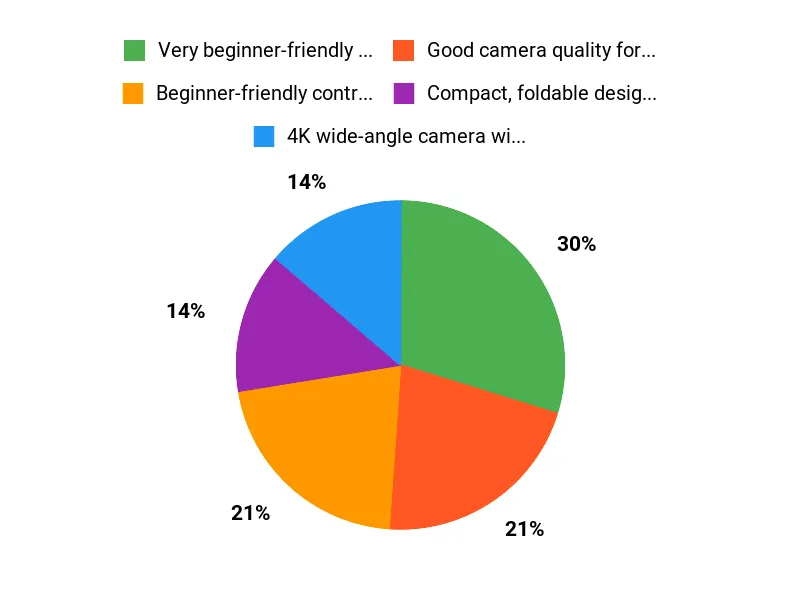
Buyers choose the PL516 for its compact kit, approachable controls, brushless motors, and practical safety features. Its main advantage is that you can begin with guarded, low-speed practice and still have a wide-angle camera for casual photos once your control improves.
Frequently Asked Questions
Is the PLEGBLE PL516 good for beginners?
Yes. One-key takeoff and landing, altitude hold, headless mode, optical-flow positioning, speed settings, and propeller guards reduce the early learning curve. You still need to calibrate it correctly and practice in a clear area.
Does the PL516 really record 4K video?
The listing specifies 4K video and 8 MP still images. Because no mechanical gimbal is listed, footage can still show vibration or movement, especially in wind or during fast turns.
How long does one battery last?
PLEGBLE advertises up to 28 minutes across the two included batteries. Flight time for each pack will be lower and varies with wind, speed, camera use, temperature, and battery condition.
What is the practical range?
The listed control range is about 0.09 miles or 150 meters, while the live FPV feed is listed up to about 230 feet. Interference and obstacles can shorten both, so keep the drone close and within visual line of sight.
Does it have GPS or automatic return-to-home?
GPS and GPS-based return-to-home are not listed for the PL516. The anti-lost alarm activates after inactivity, but it does not navigate the drone back to its launch point.
Do you need the phone app to fly it?
You can fly with the included remote controller. The PL FPV app is needed for the live camera view, phone-based control, and supported app features such as gesture photography or voice commands.
Can children use the PL516 safely?
The listing markets it for kids and adults and includes guards plus a child lock. Children should still fly only with close adult supervision, away from people, pets, roads, and overhead obstacles.
Does a sub-250-gram drone require FAA registration?
A drone under 250 grams can be exempt from registration when flown only under the limited recreational exception. Recreational flyers still need TRUST, and all Part 107 drones must be registered, so confirm current FAA and local rules before flying.
The Bottom Line
The PLEGBLE PL516 is a good fit for beginners who want guarded practice, simple controls, two batteries, and a portable 4K Wi-Fi camera drone. Skip it if you need GPS recovery, long-range transmission, strong wind performance, or smooth professional video. Its best qualities are accessibility and kit value, while its main limits are range and camera stabilization.
Ready to Buy?
Check the latest seller, price, included items, and product details before you decide.

