

Last Updated on July 27, 2026 by Daniel Globe
Scandinavia changes dramatically with the seasons, so the best time to visit depends on the experience you want. Summer brings long days, open hiking routes, and busy cities. Winter offers snow sports and dark skies in the north. Spring and fall can provide fewer crowds, colorful landscapes, and more flexible booking options.
Quick Answer
The best time to travel to Scandinavia is June through August for mild weather, long daylight, hiking, fjords, and city sightseeing. Choose September through March for the Northern Lights in the far north, December through March for snow sports, or May and September for fewer crowds and generally better availability.
Key Takeaways
- Best overall weather: June to August, especially for first-time visitors, road trips, hiking, and archipelago travel.
- Best for the Midnight Sun: Late May to July in areas north of the Arctic Circle.
- Best for the Northern Lights: September to March in northern Norway and northern Sweden, when skies are dark enough.
- Best for fewer crowds: May and September, although weather and seasonal opening hours can be less predictable.
- Best for snow activities: December to March, with a longer snow season in Arctic and mountain areas.
Note: In the traditional geographic sense, Scandinavia means Denmark, Norway, and Sweden. Finland, Iceland, Greenland, the Faroe Islands, and Åland are part of the wider Nordic Region.
Disclosure: As an Amazon Associate I earn from qualifying purchases. Some links on this page are affiliate links, at no extra cost to you.
Best Time to Visit Scandinavia by Travel Goal
No single season is best for every traveler. Use the guide below to match your dates with the activities that matter most.
| Travel goal | Best period | What to expect |
| First visit and classic sightseeing | June to August | Long daylight, the widest range of tours, and generally mild conditions. |
| Fewer crowds and flexible bookings | May or September | Quieter attractions, changing weather, and some reduced seasonal services. |
| Midnight Sun | Late May to July | Twenty-four-hour daylight in far northern destinations; exact dates vary by latitude. |
| Northern Lights | September to March | Dark nights in northern areas; visibility still depends on clouds and solar activity. |
| Skiing and winter activities | December to March | The most reliable snow is usually in mountain and northern regions. |
Spring: March to May
Spring is a season of rapid change. Southern Denmark and southern Sweden may begin to bloom while snow still covers mountain trails and northern landscapes. In Norway, melting snow feeds waterfalls, but high-elevation hiking routes can remain closed or difficult well into the season.
Spring works well for city breaks, scenic train journeys, cultural attractions, and lower-elevation walks. It is less dependable for a tightly scheduled mountain itinerary because road, ferry, and trail conditions may change with snowmelt.
Sweden welcomes spring with Walpurgis Night, or Valborg, on April 30. Bonfires, choral singing, and community gatherings mark the end of winter. Norway’s waterfalls can be especially powerful during the thaw, while longer daylight makes outdoor sightseeing easier across the region.
Pro Tip: For a spring trip, plan city and coastal activities first, then treat mountain hikes as weather-dependent options. Check trail, road, and ferry updates shortly before travel.
Summer: June to August
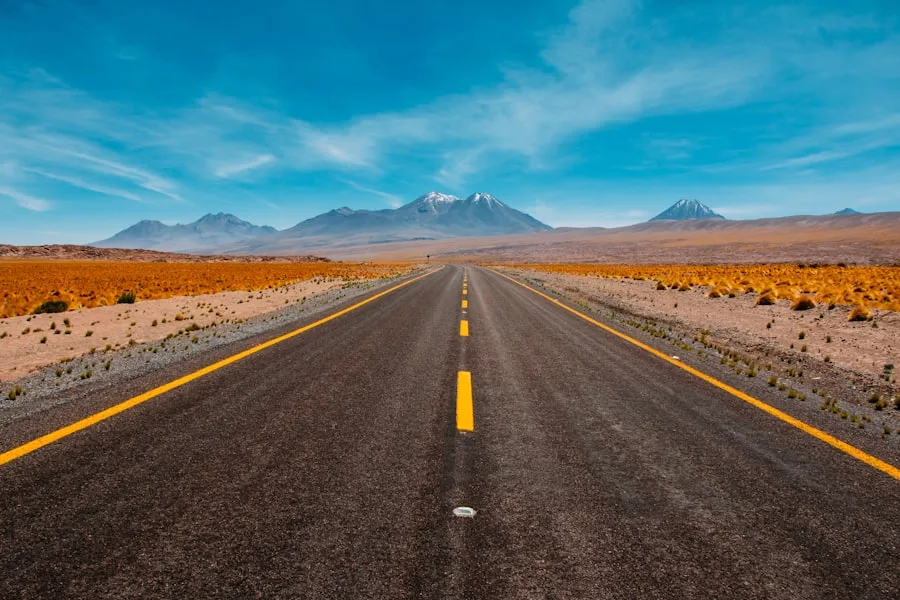
Summer is the easiest season for a first trip to Scandinavia. Days are long, major attractions are open, and hiking, kayaking, cycling, fjord cruises, and archipelago trips are widely available. It is also the busiest period, so popular lodging, sleeper trains, rental cars, and guided tours can sell out.
The Midnight Sun occurs only far enough north. According to Visit Norway’s daylight guide, Tromsø’s sun remains above the horizon from about May 20 to July 22. The period is longer farther north and shorter closer to the Arctic Circle.
In northern Scandinavia, summer is not just warmer; it changes the daily rhythm by providing daylight through the night.
Sweden’s Midsummer celebration takes place in late June. Visitors may see flower-covered maypoles, dancing, singing, and meals featuring pickled herring, new potatoes, and strawberries. Visit Sweden notes that Midsummer Eve falls on a Friday between June 19 and June 25, so dates change each year.
Summer weather is not uniform. Denmark and southern Sweden are usually milder than many visitors expect, while Norway’s coast can be wet and windy even in July. Northern areas may have bright nights but cool temperatures. Pack a waterproof outer layer and a warm mid-layer rather than relying on a single summer outfit.
Fall: September to November
Fall brings cooler air, colorful forests, and fewer visitors in many destinations. September is often the most practical autumn month for hiking and road trips because daylight remains useful and more seasonal services are still operating. By October and November, storms, early snow, and shorter days become more likely, especially inland and in the north.
| Fall factor | What travelers should expect |
| Foliage | Red, orange, yellow, and gold colors, with timing varying by latitude and elevation. |
| Daylight | Noticeably shorter days, with the fastest change in northern destinations. |
| Weather | Cooler temperatures, more wind and rain in coastal areas, and possible early snow inland or in the mountains. |
| Best uses | City breaks, food experiences, photography, lower-elevation hikes, and early-season aurora trips in the north. |
Sweden’s national parks and Norway’s valleys can be especially scenic during the color change. Farmers’ markets and seasonal menus feature apples, mushrooms, berries, root vegetables, and game. Event schedules change from year to year, so confirm dates before building a trip around a food festival.
Warning: Autumn mountain weather can change quickly. Trails may become icy before winter services begin, and daylight can disappear earlier than expected. Carry a headlamp, waterproof layers, and a realistic turnaround time.
Winter: December to February
Winter turns much of Scandinavia into a snow destination, but conditions differ sharply by region. Denmark and some southern coastal cities may experience rain, frost, wind, and occasional snow. Inland and northern areas are colder and more likely to have lasting snow cover.
Major winter destinations include Åre in Sweden and Hemsedal in Norway, along with smaller cross-country ski areas, dog-sledding centers, and Arctic activity bases. The far north is also a leading region for Northern Lights trips. Visit Norway describes September through March as the main dark-sky viewing period, although no tour can guarantee clear skies or aurora activity.
Winter also brings Christmas markets and seasonal food traditions. Copenhagen’s markets commonly serve gløgg and æbleskiver, while Norwegian julebord gatherings feature festive dishes shared with family, friends, or colleagues.
Short daylight is a major planning factor. In northern areas, the sun may remain below the horizon for part of winter, while southern cities still receive daylight for sightseeing. Build a winter itinerary around a few priority activities each day and leave room for weather delays.
Weather and Climate in Scandinavia
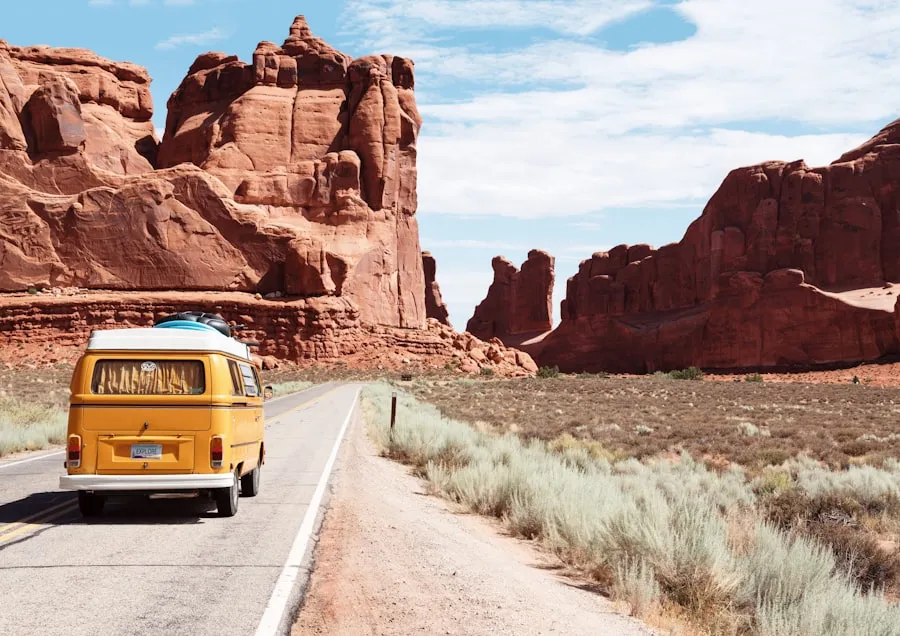
Scandinavia has no single climate. Latitude, elevation, distance from the sea, and local terrain create large differences between Denmark, the Norwegian coast, inland valleys, southern Sweden, and the Arctic north.
Denmark
Denmark has a temperate maritime climate. VisitDenmark describes June through August as the warmest period, while fall is generally wetter and more overcast. Wind can make conditions feel cooler, especially near the coast.
Norway
Norway’s coast is generally milder and wetter than inland areas. Fjord weather can change quickly, and a sunny morning can become rainy or foggy. Eastern and southern inland regions often have warmer summer days and colder winters. Visit Norway emphasizes the strong differences between coast, inland, south, and north.
Sweden
Sweden stretches from a temperate south to Arctic and subarctic areas in the north. Visit Sweden divides the country into southern, central, and northern climate zones. Northern winter temperatures can sometimes fall below -30°C (-22°F), while summer days may still become pleasantly warm.
Why Daylight Matters
Day length can affect a trip as much as temperature. Summer provides very long evenings throughout the region and twenty-four-hour daylight in the far north. Winter creates short sightseeing windows, especially at high latitudes. A sleep mask is useful during bright summer nights, while a headlamp is valuable for fall and winter travel.
Popular Festivals and Events
Festivals can make a trip memorable, but they can also increase demand for rooms and transportation. Confirm official dates before booking.
- Walpurgis Night in Sweden: April 30, with bonfires and singing to welcome spring.
- Norway’s Constitution Day: May 17, marked by flags, traditional clothing, music, and children’s parades. See Visit Norway’s national day guide.
- Swedish Midsummer: Late June, with community celebrations, flower decorations, dancing, and traditional foods.
- Roskilde Festival in Denmark: A major music and culture festival held around late June and early July. Check the official Roskilde Festival website for the current program and dates.
- Stockholm Pride: The 2026 event runs from July 27 to August 1. Annual dates vary, so check the official Stockholm Pride website.
Crowds, Prices, and Booking
June through August is the main visitor season for much of Scandinavia. Popular fjord routes, coastal cabins, city hotels, rental cars, and overnight trains may need advance booking. Holiday weekends and major festivals can create local spikes in demand even outside peak summer.
May and September can offer a better balance of availability and outdoor access, but some seasonal tours, mountain roads, restaurants, and ferry departures may run on reduced schedules. Winter demand is concentrated around Christmas, New Year, ski holidays, and Northern Lights destinations.
Pro Tip: Reserve the least flexible parts first: overnight trains, Arctic tours, remote cabins, rental cars, and any ferry or attraction tied to a specific day.
Tips for Traveling to Scandinavia
Plan a Realistic Route
Denmark, Norway, and Sweden look close on a map, but mountains, fjords, islands, and long north-south distances can make travel slower than expected. A seven-day trip is usually better focused on one country or a compact cross-border area. Ten to fourteen days gives more room for two countries without rushing every stop.
Use Public Transportation Strategically
Major cities have strong rail, bus, metro, tram, and ferry networks. Long-distance trains work well on several popular routes, but Norway’s terrain sometimes makes ferries, buses, or short flights more practical. Check schedules by date because frequency can change between summer, shoulder season, and winter.
Pack Layers in Every Season
Bring a moisture-managing base layer, an insulating mid-layer, and a windproof, waterproof outer layer. Add comfortable walking shoes, sun protection, and a reusable water bottle in summer. Winter trips may require insulated boots, gloves, a warm hat, traction aids, and clothing suitable for long periods outdoors.
For remote backpacking or long outdoor days, a compact charger may be useful, but weak winter sun and cloudy weather can limit solar performance. Carry a charged power bank and treat solar as a backup. This guide to the best solar charger for backpacking explains the main options.
Understand Currency and Payments
Denmark uses the Danish krone, Norway uses the Norwegian krone, and Sweden uses the Swedish krona. Cards and contactless payments are common, but travelers should still check foreign transaction fees and carry a backup payment method.
Check Entry Requirements Close to Departure
Denmark, Norway, and Sweden participate in the Schengen travel area. Requirements depend on nationality, passport type, and length of stay. As of July 2026, the EU’s Entry/Exit System is operational, while ETIAS is not yet accepting applications and is scheduled to begin in the last quarter of 2026. Check the European Commission’s Smart Borders page before travel because implementation details can change.
Respect Outdoor Conditions
Do not assume a famous hike is safe or open because it appears in a summer photo. Snow, wind, river levels, avalanche conditions, and daylight can change access. Use local weather services, official road information, marked trails, and qualified guides when conditions or terrain exceed your experience.
Sources
- Nordic Co-operation: Facts about the Nordic countries — distinction between Scandinavia and the wider Nordic Region.
- Visit Norway: Seasons and climate — Norway’s regional weather differences and seasonal travel conditions.
- Visit Norway: The Midnight Sun — daylight periods in Arctic Norway, including Tromsø.
- Visit Sweden: Weather and climate — Sweden’s southern, central, and northern climate zones.
- VisitDenmark: Climate — Denmark’s seasons, wind, and general weather pattern.
- European Commission: Smart Borders — current EES and ETIAS implementation status.
Frequently Asked Questions
What is the best time to travel to Scandinavia?
June through August is the best all-around period for mild weather, long daylight, open attractions, hiking, and fjord or archipelago trips. May and September are good alternatives for travelers who prefer fewer crowds and can accept less predictable weather.
What is summer weather like in Scandinavia?
Summer is generally mild, but conditions vary widely. Denmark and southern Sweden can have pleasantly warm days, Norway’s coast can be cool and rainy, and Arctic areas may remain chilly despite very long daylight. Pack layers and waterproof clothing.
When can I see the Midnight Sun?
The Midnight Sun is visible north of the Arctic Circle from late spring into summer. In Tromsø, the sun remains above the horizon from about May 20 to July 22. Exact dates depend on latitude.
When is the best time to see the Northern Lights?
September through March is the main viewing season in northern Scandinavia because nights are dark enough. Clear skies, low light pollution, and solar activity are also required, so sightings are never guaranteed.
Which festivals should I consider when planning a trip?
Popular choices include Sweden’s Walpurgis Night on April 30, Norway’s Constitution Day on May 17, Swedish Midsummer in late June, Roskilde Festival in Denmark around late June and early July, and Stockholm Pride, which runs from July 27 to August 1 in 2026. Confirm annual dates before booking.
What outdoor activities are popular in summer?
Hiking, cycling, kayaking, sailing, fishing, wildlife watching, fjord cruises, and archipelago trips are popular. Conditions and access vary, so check local trail, weather, ferry, and tour information.
Is winter a good time to visit Scandinavia?
Yes, especially for skiing, dog sledding, Christmas markets, snowy landscapes, and Northern Lights trips. Expect short daylight, possible transport delays, and much colder conditions in inland and northern areas.
How many days do I need for Scandinavia?
Seven days is best for one country or a compact city-and-nature route. Ten to fourteen days is more realistic for two countries. Trying to cover Denmark, Norway, and Sweden in one short trip usually creates too much transit time.

