Last Updated on September 10, 2026 by Daniel Globe
Colorado is a year-round destination, but the best time to visit depends on what you want to do. Summer brings the widest trail and road access, winter is built for snow sports, July is a strong choice for high-country wildflowers, and September is usually the prime window for golden aspen leaves.
Quick Answer
For the broadest range of outdoor activities, visit Colorado from late June through September. Choose December through March for skiing, July for alpine wildflowers, and mid-September through early October for fall color. May and late October can offer lower prices, but mountain weather, trail conditions, and road access are less predictable.
Key Takeaways
- Best overall weather and access: Late June through September.
- Best for skiing and snowboarding: December through March, although resort dates vary with snowfall.
- Best for high-country wildflowers: Late June through July, with some blooms continuing into August.
- Best for fall foliage: Mid-September through early October in the mountains, followed by lower elevations.
- Best for fewer crowds: Late April through May and late October through early November, with reduced services and less predictable conditions.
Disclosure: As an Amazon Associate I earn from qualifying purchases. Some links on this page are affiliate links, at no extra cost to you.
Best Time to Visit Colorado by Travel Style
No single month is best for every Colorado trip. Elevation changes the weather, snowmelt, wildflower season, and fall-color timing from one region to another. Use your main activity to choose a travel window, then check local conditions before booking.
Colorado Seasons at a Glance
| Travel Goal | Best Time and What to Expect |
| Skiing and Snowboarding | December through March for the most dependable midwinter conditions. Thanksgiving, Christmas, New Year, Presidents’ Day weekend, and spring break are usually busy. |
| Hiking and Mountain Biking | Late June through September. Lower trails may open earlier, while high passes and alpine routes can hold snow well into summer. |
| Wildflowers | Late June through July in many mountain areas. Lower-elevation flowers appear earlier, while alpine blooms may continue into early August. |
| Whitewater Rafting | Late spring through summer. River difficulty and flow depend on snowpack, runoff, weather, and the selected stretch of river. |
| Fall Foliage | Usually mid-September through early October in the high country. Color moves to lower elevations later, but wind or an early freeze can shorten the display. |
| Lower Crowds | Late April through May or late October through early November. Expect possible snow, mud, closed mountain roads, and limited resort services. |
| Denver and Lower-Elevation Sightseeing | Spring and fall often bring comfortable sightseeing weather, although sudden temperature swings and occasional snow remain possible. |
Note: Colorado’s seasons do not change everywhere at the same time. A warm day in Denver can coincide with snow, strong wind, or freezing temperatures on a high mountain pass.
Winter in Colorado: Snow Sports and Quiet Scenery
Winter covers Colorado’s high country in snow and creates the state’s best conditions for skiing, snowboarding, snowshoeing, cross-country skiing, dog sledding, and ice climbing. Aspen, Vail, Breckenridge, Telluride, Steamboat Springs, and Winter Park are among the best-known mountain destinations, but smaller ski areas can provide a quieter and sometimes more affordable experience.
Colorado’s official tourism directory lists 28 ski areas and resorts. Opening and closing dates vary with elevation, snowmaking, natural snowfall, and spring conditions. Some areas may open in October, but December through March is the most dependable planning window for a dedicated ski trip.
Breckenridge combines varied terrain with an active après-ski scene, while Telluride pairs dramatic San Juan Mountain views with advanced runs and a compact historic town. Families and first-time skiers should compare beginner terrain, lesson programs, childcare, parking, and shuttle access rather than choosing a resort by reputation alone.
Winter Activities Beyond Downhill Skiing
- Snowshoeing: A beginner-friendly way to explore packed trails, Nordic centers, and snowy park landscapes.
- Cross-country skiing: Available at groomed Nordic centers and on suitable public-land routes.
- Sleigh rides and dog sledding: Popular in several resort regions, with advance booking recommended.
- Hot springs: A relaxing addition to winter trips in areas such as Glenwood Springs, Ouray, and Steamboat Springs.
- Scenic winter drives: Possible on maintained highways, but high passes and seasonal roads may be closed.
Warning: Snowstorms, traction restrictions, crashes, and weekend congestion can delay mountain travel. Check the Colorado Department of Transportation before departure, carry winter supplies, and never rely only on a navigation app when a pass or highway is closed.
Pro Tip: For lower lift-ticket and lodging prices, compare nonholiday weekdays in January or March. Buy lift access, lessons, rentals, and lodging early because walk-up prices and availability can be less favorable.
Springtime in Colorado: Lower Crowds and a Slow Thaw
Spring is one of Colorado’s most variable seasons. Denver, Colorado Springs, and lower foothill communities may have mild afternoons while mountain towns are still receiving snow. Skiing can continue into spring at some resorts, but trail conditions often shift between snow, ice, mud, and dry ground.
From late March through May, visitors may find thinner crowds and reduced lodging prices in some resort towns. The tradeoff is that restaurants, lifts, scenic roads, and seasonal businesses may operate on reduced schedules. This period is often called mud season because melting snow leaves many unpaved trails soft and vulnerable to damage.
Spring flowers appear first at lower elevations. The high country’s main wildflower show arrives later, commonly from late June through July. Columbines, Indian paintbrushes, lupines, shooting stars, and other species bloom at different times depending on elevation, snowmelt, moisture, and exposure.
Where to See Colorado Wildflowers
Crested Butte is one of Colorado’s best-known wildflower destinations and hosts an annual July wildflower festival with guided outings and educational programs. In Rocky Mountain National Park, lower-elevation flowers can appear in June, while alpine tundra blooms generally develop from late June into early August.
Bear Lake, Emerald Lake, Cub Lake, Moraine Park, and trails near the park’s east and west entrances can provide seasonal flower viewing. Stay on established trails, avoid picking flowers, and never step into a meadow for a photograph. Alpine plants may take years to recover from trampling.
Note: Early May can be excellent for city visits and lower-elevation outings, but it is usually too early for dependable alpine hiking or peak high-country wildflowers.
Summer Adventures: Hiking, Biking, and Rafting in Colorado
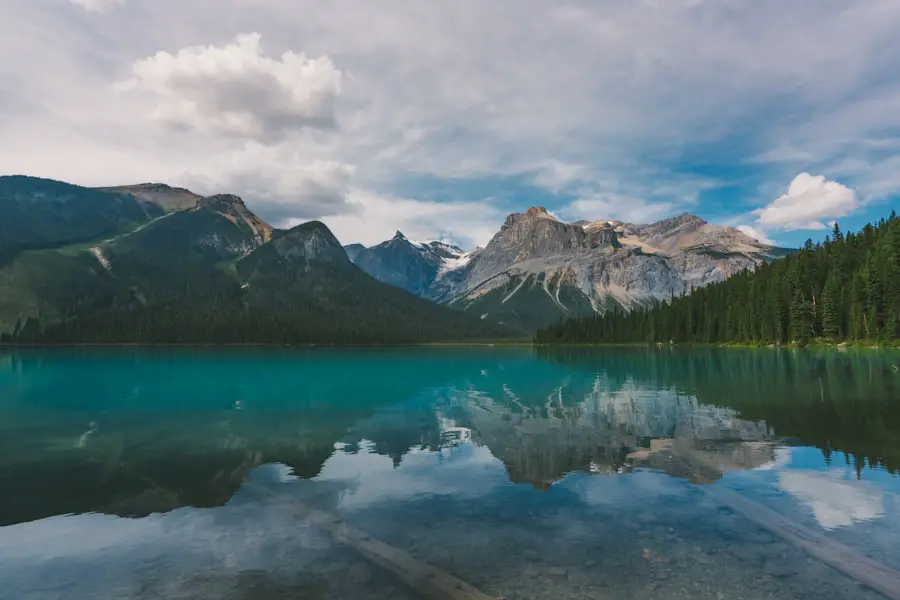
Summer offers the broadest range of outdoor activities in Colorado. By late June, more high-elevation roads and trails are usually accessible, mountain towns are active, and visitors can combine hiking, mountain biking, camping, fishing, scenic drives, festivals, and rafting in one trip.
Colorado receives abundant sunshine, but weather varies sharply by elevation and region. Denver and the plains can be hot, while mornings in mountain towns may feel cool. Above treeline, strong wind, hail, lightning, and sudden temperature drops are possible even when the day begins clear.
Popular destinations include the Maroon Bells area near Aspen, Rocky Mountain National Park, the San Juan Mountains, Great Sand Dunes National Park, and the mountain-biking regions around Fruita, Crested Butte, and Durango. Popular trailheads and parking areas may fill early, so start with a backup plan rather than relying on one crowded destination.
Hiking and Mountain Safety
Choose a route that matches the least experienced person in your group. A lakeside walk at Bear Lake is not comparable to a high summit attempt. Longs Peak’s Keyhole Route is a strenuous, exposed mountain route of about 15 miles that commonly takes 10–15 hours. The National Park Service advises hikers to account for altitude, route-finding, sudden weather, and afternoon thunderstorms.
Warning: Lightning is common in Colorado’s mountains during summer. Begin high-elevation hikes early, monitor the sky, and turn around before storms reach exposed ridges or alpine tundra. A summit is never worth continuing into unsafe weather.
Mountain Biking
Fruita and Grand Junction are known for high-desert riding, while Durango and Crested Butte provide forest and mountain terrain. Trail conditions and difficulty vary widely. Check local closures, carry repair supplies and enough water, yield according to posted trail rules, and avoid muddy trails that can be permanently damaged by tires.
Whitewater Rafting
The Arkansas River and Clear Creek offer trips ranging from family-oriented floats to technical whitewater. River levels change with snowmelt and weather, so a section that is moderate at one flow can become much harder at another. First-time visitors should book a reputable outfitter that matches the trip to each participant’s age, swimming ability, and experience.
Colorado Parks and Wildlife emphasizes properly fitted life jackets for water activities. Wear the safety equipment supplied by the outfitter, listen to the guide’s briefing, and do not assume calm-looking water is warm or harmless.
Summer Crowds and Reservations
July and August are among the busiest months at major national parks, mountain towns, and well-known trailheads. Reserve lodging, campgrounds, rental cars, rafting trips, and high-demand attractions as early as practical.
For 2026, Rocky Mountain National Park requires timed-entry reservations during designated hours from May 22 through mid-October. The Bear Lake Road Corridor has its own reservation option and longer daily reservation window. Review the current National Park Service timed-entry instructions before traveling because rules can change in future seasons.
Fall Foliage: Witnessing Colorado’s Changing Colors
| Colorado Region | Usual Viewing Window | Popular Viewing Areas |
|---|---|---|
| High mountains above roughly 8,500 feet | Mid-September through late September | Kebler Pass, Grand Mesa, Maroon Bells and higher San Juan routes |
| Mountain valleys and mid-elevation routes | Late September through early October | San Juan Skyway, Peak to Peak Scenic Byway, Steamboat Springs and Rocky Mountain National Park |
| Foothills and lower elevations | Early through mid-October, sometimes later | Boulder foothills, Colorado Springs, Denver parks and lower Front Range canyons |
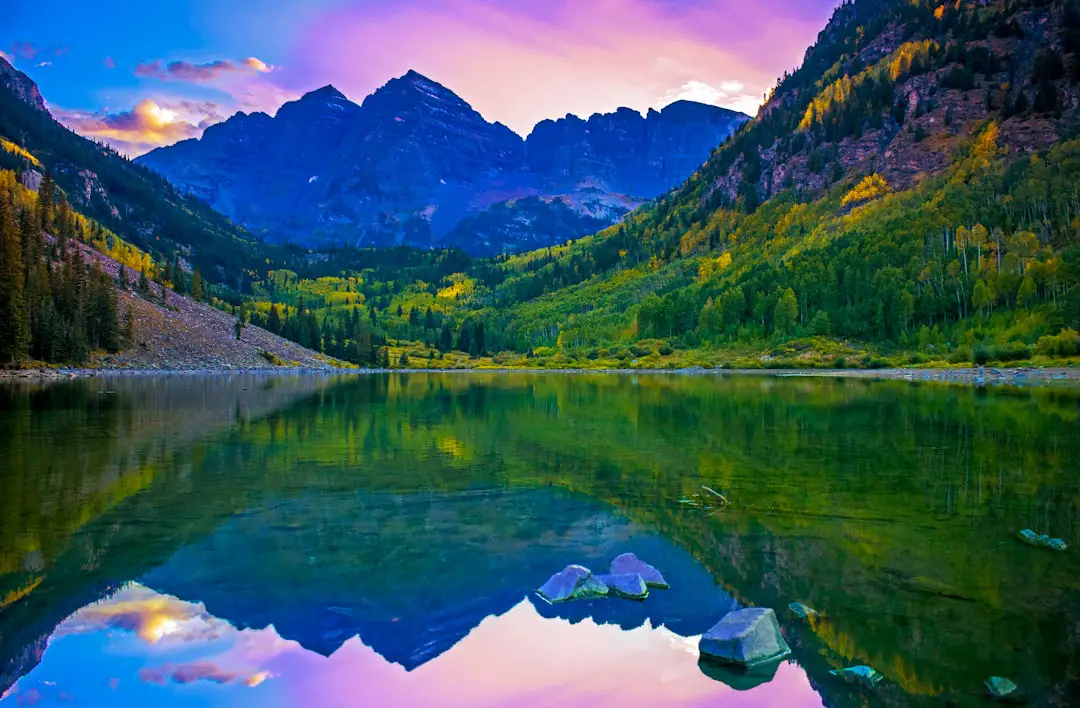
Colorado’s aspens turn bright yellow and, in some groves, shades of orange or red. The display usually begins at higher elevations and moves downhill as nights cool. Peak timing changes each year, and a hard freeze, heavy snow, or strong wind can strip leaves sooner than expected.
Kebler Pass, Independence Pass, the San Juan Skyway, Grand Mesa, and the Peak to Peak Scenic Byway are popular leaf-peeping routes. Towns such as Telluride, Ouray, Ridgway, Aspen, and Crested Butte make convenient bases for scenic drives and short hikes.
Trail Ridge Road and Independence Pass can be affected by early snow, construction, or seasonal closure. Check official road conditions on the morning of the drive rather than assuming a route is open because it was available the previous week.
Pro Tip: Build flexibility into a fall itinerary. Staying two or three nights and visiting more than one elevation gives you a better chance of finding peak color.
Ski Season: The Best Time to Hit the Slopes in Colorado
Colorado’s ski season can stretch from autumn into late spring, but December through March is the safest window for travelers who want the greatest likelihood of broad terrain coverage. January and February generally provide a true midwinter experience, while March often combines longer daylight with spring events and milder afternoons.
November trips can offer early-season savings, but terrain may be limited. April can bring soft spring snow, sunshine, and fewer visitors, although coverage and closing dates become less predictable. A few high-elevation areas sometimes remain open into May or later when conditions allow.
Choosing the Right Ski Month
- December: Festive atmosphere and improving coverage, with very high demand during the holidays.
- January: Cold midwinter conditions and good postholiday opportunities outside major weekends.
- February: Dependable winter skiing, with increased demand around Presidents’ Day.
- March: Longer days, spring-break crowds, and a mix of winter snow and softer afternoon conditions.
- April: Potentially lower prices and spring skiing, balanced against variable coverage and resort closures.
Lessons are worthwhile for first-time skiers and snowboarders. A qualified instructor can teach stopping, turning, lift use, slope etiquette, and safe terrain selection more effectively than an inexperienced friend.
Festive Fun: Colorado Events and Festivals
Colorado’s event calendar adds another reason to choose a season carefully. Spring and summer bring art fairs, outdoor concerts, rodeos, food events, and community celebrations. The Denver Arts Festival is traditionally held around Memorial Day weekend, while mountain communities schedule music, cycling, flower, and heritage events throughout summer.
The Crested Butte Wildflower Festival celebrates the area’s summer blooms through guided hikes, photography sessions, art programs, and educational workshops. Popular activities can sell out, so festival visitors should review the official program and reserve individual events in advance.
Fall includes the Telluride Film Festival and Denver’s Great American Beer Festival, while winter resort calendars feature races, torchlight parades, concerts, holiday celebrations, and snow-sport competitions. Dates, venues, admission rules, and formats can change each year, so confirm details with the organizer before buying nonrefundable travel.
Off-Season Escapes: Colorado’s Quieter Months
Late spring and late fall can be rewarding for travelers who value quiet towns, easier restaurant reservations, and potentially lower lodging rates. Salida, Estes Park, Glenwood Springs, Durango, and other communities remain appealing even when peak seasonal activities are winding down.
The tradeoff is uncertainty. A mountain-bike trail may be muddy, a scenic highway may still be closed, a resort gondola may not be operating, and some restaurants or shops may reduce their hours. Late October can bring warm sunshine one day and snow the next.
Lower-elevation activities are often more dependable during these shoulder periods. Consider museums, hot springs, historic districts, scenic rail trips, city parks, foothill trails, and drives that do not depend on a high seasonal pass.
Wildlife may be active in quieter months, but visitors should observe from a safe distance, secure food and trash, and never approach an animal for a photograph.
How Weather and Elevation Affect a Colorado Trip
Colorado’s elevation is one of the most important factors in trip planning. Denver sits about a mile above sea level, and many resort towns are substantially higher. Alpine roads and trails climb higher still. Temperatures usually decrease with elevation, and high terrain is more exposed to wind, lightning, ultraviolet radiation, and rapid weather changes.
The National Park Service’s Rocky Mountain weather guidance notes that summer alpine temperatures can fall rapidly and afternoon thunderstorms are normal. Carry a warm layer and rain shell even when the forecast for a nearby city looks hot and dry.
Altitude Tips
- Spend the first day at a moderate pace rather than beginning with the hardest hike.
- Drink water regularly and limit excess alcohol during initial acclimatization.
- Use sun protection because ultraviolet exposure increases at higher elevations.
- Watch for headache, nausea, dizziness, unusual fatigue, or poor coordination.
- Descend and seek medical help when symptoms are severe, worsening, or accompanied by confusion or breathing difficulty.
What to Pack by Season
- Winter: Insulated layers, waterproof outerwear, gloves, hat, traction-appropriate footwear, sunglasses, and emergency road supplies.
- Spring: Waterproof footwear, a rain shell, warm layers, sun protection, and clothing suitable for large temperature swings.
- Summer: Sun protection, rain shell, warm layer, refillable water container, sturdy shoes, and insect protection where needed.
- Fall: Warm layers, gloves for early mornings, rain or snow protection, and flexible footwear for dry, muddy, or icy conditions.
Planning Tips Before You Go
- Choose a primary activity. Build the dates around skiing, hiking, rafting, flowers, or foliage rather than trying to force every activity into one trip.
- Check elevation-specific forecasts. Do not use Denver’s forecast to judge conditions at a 10,000-foot trailhead.
- Review park and trail requirements. Timed entry, shuttles, campground reservations, parking permits, and seasonal closures vary by destination.
- Check road conditions. Use CDOT information for mountain passes, construction, crashes, traction restrictions, and winter closures.
- Reserve peak-season travel early. Summer weekends, holiday ski periods, and peak foliage dates create strong demand.
- Keep a backup plan. Weather, smoke, high water, mud, or crowding may make the original activity unsuitable.
Spring can be a pleasant time to explore Colorado’s cities, foothills, hot springs, and lower-elevation trails, while summer is more dependable for high-country camping. Campers should review current fire restrictions, prepare for cold nights, store food securely, and use cooking equipment only in a safe, ventilated outdoor location. This portable camping stove guide can help compare camp-cooking options, but local restrictions and the equipment manufacturer’s instructions always take priority.
The best Colorado itinerary is built around elevation as much as season: a road, trail, or flower meadow can feel like summer in one location and winter only a short drive away.
Year-Round Appeal: Colorado in Every Season
Colorado offers worthwhile experiences throughout the year. Winter brings skiing and snow-covered scenery. Spring brings quieter towns, lower-elevation flowers, and a gradual thaw. Summer opens the widest range of trails, rivers, campgrounds, and high roads. Fall covers the mountains in golden aspen leaves.
The right choice depends on what matters most to you. Travelers seeking the broadest access should lean toward late June through September. Skiers should plan for the heart of winter. Wildflower enthusiasts should favor July, while fall-color trips are strongest in the second half of September, with flexibility for annual changes.
Whichever season you choose, check current weather, road conditions, reservations, and local closures shortly before departure. That final check is more useful than relying on a fixed calendar because Colorado’s mountain conditions can change quickly.
Frequently Asked Questions
What is the best time to travel to Colorado?
Late June through September is the best all-purpose period because most high-elevation roads, trails, and summer attractions are open. However, December through March is better for skiing, July is stronger for alpine wildflowers, and mid-September through early October is usually best for fall foliage.
What is Colorado’s summer weather like?
Lower elevations can be hot and sunny, while mountain mornings and nights are much cooler. Alpine areas can experience strong wind, hail, lightning, and rapid temperature drops. Pack layers and check a forecast for the exact elevation you plan to visit.
What are the most popular summer activities in Colorado?
Popular activities include hiking, mountain biking, camping, fishing, rafting, scenic driving, wildlife viewing, and visiting national parks. Conditions vary by snowmelt and elevation, so high routes may not become accessible until late June or July.
When is the best time to see Colorado wildflowers?
Late June through July is a strong general window for mountain wildflowers. Lower elevations bloom earlier, while alpine tundra flowers may continue into early August. Snowmelt, moisture, slope direction, and elevation shift the timing each year.
When do Colorado’s fall colors peak?
High-elevation aspens often change from mid-September through late September. Mid-elevation valleys commonly follow in late September or early October. Lower foothill and city foliage may continue later. Wind, drought, frost, and snow can alter the schedule.
Is Colorado crowded during summer?
Yes. July and August are busy at national parks, mountain towns, campgrounds, scenic lakes, and famous trailheads. Book lodging and activities early, arrive at trailheads in the morning, use shuttles where available, and keep a less crowded backup destination.
Do I need a reservation for Rocky Mountain National Park?
For the 2026 season, timed-entry reservations are required during designated hours from May 22 through mid-October. The Bear Lake Road Corridor has a separate reservation option. Check the National Park Service before your trip because dates and procedures may change in later years.
What is the cheapest time to visit Colorado?
Late spring and late fall can offer lower lodging rates in some mountain towns. These shoulder periods also bring a greater chance of closed roads, muddy trails, reduced business hours, and unpredictable snow. Denver and lower-elevation destinations are usually easier to plan during these months.
Sources
- Colorado Tourism Office: Best Time of Year to Visit Colorado — seasonal travel patterns and activity planning.
- Colorado Tourism Office: Colorado Ski Resorts — statewide ski-area count and resort directory.
- National Park Service: Rocky Mountain National Park Timed Entry — current reservation requirements and permit options.
- National Park Service: Rocky Mountain National Park Weather — elevation, wildflower timing, temperature changes, and summer storms.
- National Park Service: Longs Peak Keyhole Route FAQ — route length, duration, altitude, and thunderstorm risks.
- Colorado Department of Transportation: Travel Information — road conditions, seasonal closures, construction, and winter travel guidance.