
Last Updated on July 27, 2026 by Daniel Globe
Spring in Italy is a magical time when the landscape bursts into life, showcasing vibrant colors and fragrant blooms. As the chill of winter recedes, cities and countryside alike become ideal settings for exploration. The mild temperatures, typically ranging from 15°C to 20°C (59°F to 68°F), create a comfortable environment for travelers eager to experience the rich history, culture, and cuisine that Italy has to offer.
Quick Answer
The best time to visit Italy is during the shoulder seasons of spring (April to May) and fall (September to October). During these months, you will experience pleasant weather with average temperatures between 15°C and 23°C (59°F–73°F), smaller crowds at major landmarks, and lower accommodation costs compared to the peak summer heat.
Key Takeaways
- Spring (April–May): Ideal for outdoor sightseeing, hiking coastal paths, blooming gardens, and manageable crowds.
- Summer (June–August): Best for coastal beaches and vibrant festivals, though expect high temperatures and heavy tourist traffic.
- Fall (September–November): Perfect for wine lovers, truffle harvests, food festivals, and comfortable city walking tours.
- Winter (December–March): Great for Alpine skiing, festive Christmas markets, and budget-friendly urban sightseeing.
Spring in Italy: Ideal for Sightseeing and Outdoor Exploration
Iconic cities such as Florence, Rome, and Venice come alive during spring with outdoor activities, making it an excellent season for sightseeing. The famous cherry blossoms in the gardens of Rome’s Palazzo della Civiltà Italiana and the blooming wisteria in the Boboli Gardens of Florence are just a few examples of nature’s artistry during this season.
Outdoor activities abound in spring, with hiking trails in regions like the Cinque Terre and the Amalfi Coast becoming increasingly popular. The picturesque coastal paths, adorned with wildflowers, offer breathtaking views of the Mediterranean Sea. Additionally, spring is the perfect time to visit historical sites without the overwhelming crowds that characterize the summer months.
Pro Tip: Visiting popular cultural sites like the Vatican Museums or the Uffizi Gallery in late April or May lets you explore at a leisurely pace. Always reserve skip-the-line tickets online weeks in advance to avoid long queue times.
Furthermore, many towns host local festivals celebrating the arrival of spring, such as the Infiorata flower festival in Genzano, where historic streets are adorned with intricate floral carpets designed by local artists.
Summer: Ideal for Beaches and Vibrant Coastal Festivals
Summer in Italy is synonymous with sun-soaked beaches and vibrant festivals that celebrate the country’s rich cultural heritage. With temperatures often soaring above 30°C (86°F), coastal regions such as Sardinia, Sicily, and the Amalfi Coast become prime destinations for sunbathers and water sports enthusiasts. The crystal-clear waters of the Mediterranean invite visitors to indulge in swimming, snorkeling, and sailing.
Beaches like Spiaggia dei Conigli in Lampedusa and Positano’s picturesque shoreline are often ranked among the best in the world, drawing travelers from all corners of the globe. In addition to beach activities, summer is a season filled with lively cultural traditions.
Warning: mid-August coincides with Ferragosto (August 15), a national holiday when many family-run shops and restaurants in big cities close down as locals head to the coast. Expect peak accommodations pricing and heavy coastal traffic during this week.
The Palio di Siena, held twice each summer on July 2 and August 16, is a thrilling historic horse race that takes place in Siena’s Piazza del Campo.
This event is steeped in history and local pride, as different contrade (neighborhoods) compete for glory in a tradition dating back centuries.
Similarly, Venice hosts its famous Festa del Redentore in July, featuring spectacular fireworks over the lagoon and a pontoon bridge that connects the island of Giudecca to the mainland for a night of celebration. These events provide deep insight into Italy’s historic local cultures.
Fall: Great for Wine Tasting and Harvest Festivals

As summer fades into autumn, Italy transforms into a canvas of warm hues—golden yellows, deep reds, and rustic browns dominate the landscape. Fall is an exceptional time for wine enthusiasts to explore Italy’s renowned vineyards during the grape harvest season. Regions like Tuscany and Piedmont come alive with wine festivals celebrating local varietals such as Chianti, Brunello, and Barolo.
The Vendemmia (grape harvest) festivals invite visitors to participate in grape picking, cellar tastings, and traditional feasts that highlight regional cuisine. In October, the famous Barolo Wine Festival attracts connoisseurs eager to sample some of Italy’s finest vintages while enjoying live music and local delicacies.
Moreover, fall is an ideal time to experience Italy’s culinary highlights as seasonal ingredients come into play. Truffles, wild mushrooms, and chestnuts are harvested during this time, leading to regional food festivals. The International White Truffle Fair (Fiera del Tartufo Bianco) in Alba is a premier culinary event, offering tastings, cooking demonstrations, and market stalls brimming with local products.
The cooler autumn weather also makes walking through historic stone towns comfortable. Strolling through the cobblestone streets of hill towns like San Gimignano or Assisi becomes a delightful experience without the sweltering heat of mid-summer.
Winter: Best for Alpine Skiing and Festive Christmas Markets
At a Glance: Top Italian Winter Destinations
| Destination | Average Snowfall | Key Highlights | Christmas Markets |
| Cortina d’Ampezzo (Dolomites) | 120+ inches | Dolomiti SuperSki slopes & luxury alpine resorts | Piazza Angelo Dibona Market |
| Val Gardena (South Tyrol) | 140+ inches | Sellaronda ski circuit & woodcarving tradition | Ortisei & Selva Markets |
| Courmayeur (Aosta Valley) | 150+ inches | Mont Blanc views, off-piste skiing & thermal spas | Marché Vert Noël (Aosta) |
Winter in Italy reveals a different side of this diverse country—one filled with snow-capped mountain peaks and festive holiday spirit. The Italian Alps and Dolomites become a haven for skiing enthusiasts during this season, with world-class ski areas attracting winter sports fans from around the globe. These resorts offer slopes suitable for all skill levels, along with alpine dining and panoramic views.
In addition to winter sports, the season brings traditional holiday markets across various Italian cities. From late November through December, northern towns like Bolzano, Merano, and Trento—as well as major art cities like Florence and Rome—transform into winter wonderlands illuminated by festive light displays.
Visitors can browse wooden stalls selling handcrafted goods, artisan gifts, traditional ornaments, and seasonal delicacies like panettone, vin brulè (mulled wine), and roasted chestnuts. The holiday market in Rome’s Piazza Navona is especially festive, showcasing artisan nativity scenes alongside street performances.
Shoulder Seasons: Lower Crowds and Pleasant Weather
The shoulder seasons—spring (April to May) and fall (September to October)—offer travelers an optimal balance: warm weather and far fewer tourists than the peak summer season. During these months, you can visit top museum exhibitions and ancient sites at a comfortable pace.
Milder daytime temperatures make urban exploration, open-air dining, and outdoor excursions pleasant. With fewer tourist groups around, visitors can engage more easily with locals and discover off-the-beaten-path regions.
For example, exploring ancient historic locations like Matera’s cave dwellings or the cliffside village of Civita di Bagnoregio is much more enjoyable without long tourist lines. Furthermore, flight rates and boutique hotel prices are often significantly lower than in peak July and August.
Festivals and Cultural Events Throughout the Year
Venice Carnival (Carnevale di Venezia)
Venice’s Carnival is one of the most famous festivals globally, drawing international visitors with its grand masks and costumes. Held annually in the weeks leading up to Lent, this historic event features masked balls, water parades along the Grand Canal, and street theater performances.
Spring Floral Festivals (Infiorata)
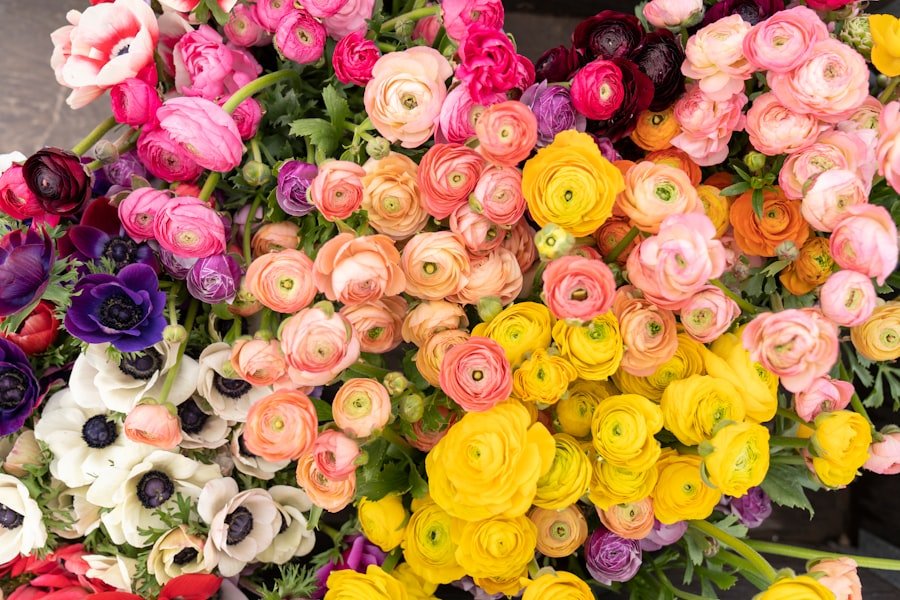
Another notable seasonal event is the Infiorata festival, celebrated in various towns across Italy during late spring. This tradition involves paving historic streets with colorful flower petals arranged into detailed religious and historic designs. Genzano di Roma and Noto in Sicily are world-renowned for their spectacular Infiorata carpets.
Regional Gastronomic Fairs (Sagre)
Food festivals abound across Italy year-round. Events like the Sagra della Porchetta in Ariccia celebrate regional culinary specialties, offering authentic spit-roasted pork dishes, local wines, and live music.
Understanding Italy’s Varied Regional Climate
Italy’s climate varies significantly from north to south due to its unique geography. The northern inland plains experience a continental climate with cold, damp winters and hot, humid summers. Cities like Milan can see winter temperatures drop below freezing, whereas southern coastal areas like Naples, Calabria, and Sicily stay moderate year-round.
In contrast, southern Italy and coastal islands experience an arid Mediterranean climate with mild winters and long, hot, dry summers. Understanding these weather differences helps when planning travel: winter sports enthusiasts should aim for northern Alpine regions, while travelers seeking coastal beaches should target southern destinations between June and September.
Seasonal Packing Tips: What to Bring and What to Expect
Packing for Italy depends on the season and region you plan to explore:
- Spring: Pack versatile layers, including breathable short-sleeve tops, light sweaters, and a waterproof rain jacket for unexpected spring showers. Comfortable, broken-in walking shoes are essential for cobble-paved historic centers.
- Summer: Bring breathable linen or cotton clothing, broad-spectrum sunscreen, UV-blocking sunglasses, and a brimmed sun hat. When visiting churches like St. Peter’s Basilica, bring a lightweight shawl to cover shoulders and knees.
- Fall: Pack mid-weight layers, long pants, a medium jacket, and comfortable boots. Autumn light rain calls for a compact travel umbrella.
- Winter: High-altitude regions require thermal base layers, down coats, waterproof outerwear, and insulated boots. Urban areas call for warm coats, scarves, and gloves.
Note: If you plan on doing extensive walking through Italy’s historic historic centers, consider wearing high-performance footwear. You can read more about options in this guide to Merino wool travel socks to help keep your feet dry and comfortable throughout long days of sightseeing.
Frequently Asked Questions
What is the overall best time to travel to Italy?
The best overall time to visit Italy is during the spring (April to June) or fall (September to October). During these shoulder months, temperatures are comfortable for outdoor walking, landscapes are picturesque, and tourist crowds at major landmarks are smaller than in peak summer.
What is the weather like in Italy during the shoulder seasons?
During spring and fall, Italy experiences pleasant temperatures averaging between 15°C and 22°C (59°F–72°F). Rainfall is generally light, making it comfortable for city tours, wine tastings, and hiking.
Are there specific cultural events to keep in mind when planning a trip?
Yes. Notable annual events include Venice Carnival in February, the spring Infiorata floral carpets in May, the Palio di Siena horse races in July and August, and autumn grape and white truffle harvest festivals in October.
Which peak tourist times should I avoid if I want to skip large crowds?
To avoid heavy tourist traffic and elevated hotel prices, try to avoid July and August—especially the mid-August holiday of Ferragosto—as well as major holiday periods around Easter and Christmas week.
Which regions in Italy are recommended for spring and fall travel?
Tuscany, the Amalfi Coast, Piedmont, Umbria, and the Italian Riviera are excellent during spring and fall. These regions showcase blooming countryside, active vineyards, and mild coastal weather suitable for active exploration.
Sources
- Italia.it Official Tourism Board — Official climate, festival schedules, and regional travel guidelines for Italy.
- Servizio Meteorologico Aeronautica Militare — Official Italian meteorological agency for regional climate averages and seasonal data.
- Il Palio di Siena Official Site — Official historical details and dates for Siena’s annual horse races.
- Ente Fiera del Tartufo Bianco d’Alba — Official event schedules and culinary details for the International Alba White Truffle Fair.
