

Last Updated on August 25, 2026 by Ethan Caldwell
Tipping in New York City is an essential part of local service culture, where hospitality and service workers depend heavily on gratuities to meet the city’s high cost of living. While customary tip rates in NYC generally range from 18% to 22% for sit-down dining, $1 to $2 per drink at bars, and 15% to 20% for taxis and rideshares, specific expectations vary depending on the venue and service level.
Quick Answer
In NYC, tip 18% to 20% (pre-tax) at sit-down restaurants, $1 to $2 per drink at bars, 15% to 20% for yellow cabs and rideshares, $2 to $5 per night for hotel housekeeping, and $1 to $2 per bag for bellhops. For food delivery, tip a $3 to $5 minimum or 15% to 20%.
Key Takeaways
- Sit-Down Dining: 18% to 20% on the pre-tax bill is the standard baseline; 15% indicates dissatisfaction.
- The Double-Tax Shortcut: Double the NYC sales tax (8.875%) on your receipt to calculate an effortless ~17.75% to 18% tip.
- Cash for Hotel Staff: Always tip hotel bellhops, doormen, and housekeepers in cash, preferably on a daily basis.
- Check Receipts Carefully: Large parties (6+) often have an automatic 18% to 20% gratuity added under New York hospitality billing rules.
Disclosure: As an Amazon Associate I earn from qualifying purchases. Some links on this page are affiliate links, at no extra cost to you.
How Much to Tip in NYC: Master Cheat Sheet
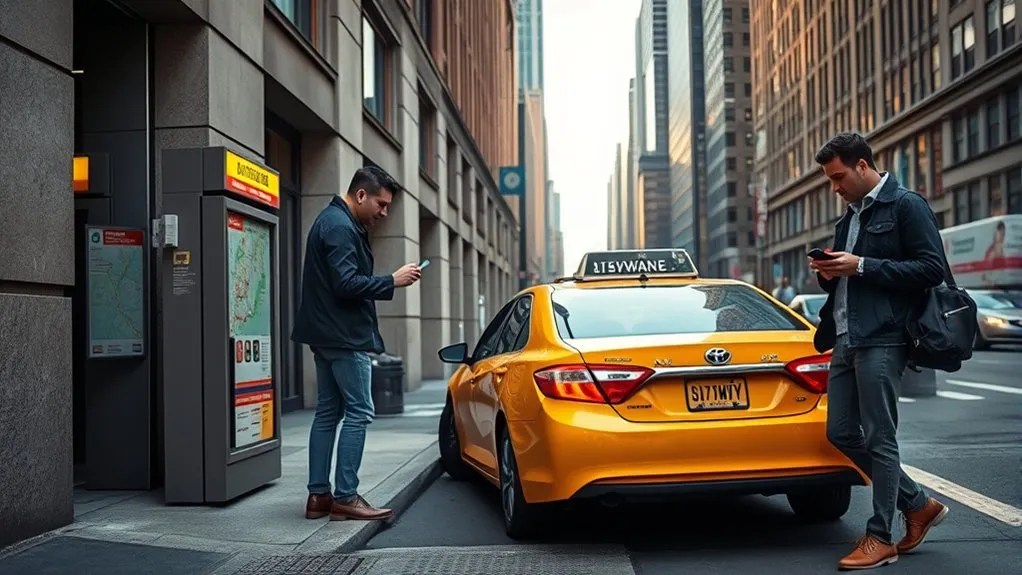
Navigating tipping etiquette in New York City does not have to involve stressful mental arithmetic. The reference table below outlines standard gratuities across every major NYC service industry:
| Service Category | Standard Tip (NYC) | Rule of Thumb / Practical Note |
|---|---|---|
| Sit-Down Dining | 18% – 22% | Calculate on the pre-tax total; 20% is the standard expectation. |
| Bars & Nightclubs | $1 – $2 per drink / 18% – 20% tab | $1 for beer/wine; $2+ for craft cocktails or opened tabs. |
| Counter Service / Coffee | Optional ($1 or change / 10%–15%) | Customary for complicated espresso drinks; optional for drip coffee. |
| Yellow Cabs & Rideshares | 15% – 20% | Bump to 20% for heavy luggage assistance or heavy traffic. |
| Hotel Housekeeping | $2 – $5 per night | Leave cash daily in a labeled envelope on the desk/nightstand. |
| Hotel Bellhops / Porters | $1 – $2 per bag ($5 minimum) | Tip upon delivery to room; give more for heavy/oversized bags. |
| Food Delivery (Apps) | 15% – 20% ($3 – $5 minimum) | Increase to $7–$10 for severe rain/snow or walk-up apartments. |
| Spas & Hair Salons | 18% – 20% | Tip assistants (e.g., shampoo person) $3–$5 in cash directly. |
| Walking & Bus Tour Guides | $5 – $20 per person / 15% – 20% | $5–$10 for free/large group tours; $15–$25+ for private tours. |
| Coat Check & Valet | $1 – $2 per coat / $2 – $5 for car | Pay cash directly upon item/vehicle return. |
Tip Restaurants, Bars, and Cafes
In New York City, restaurant servers are subject to the tipped minimum wage framework governed by the New York State Department of Labor, meaning gratuities form the vast majority of their take-home income. For full-service, sit-down dining, the accepted baseline is 18% to 20% of the pre-tax bill. Leaving 15% is generally interpreted as a signal that the service had noticeable flaws, while 22% to 25% represents exceptional hospitality.
Pro Tip: The NYC Double-Tax Math Hack: The combined NYC sales tax rate is 8.875%. To quickly calculate an accurate tip without an app, locate the tax line on your bill and double it. That gives you an exact 17.75% pre-tax tip. Add a dollar or two, and you hit a clean 20%.
At bars and cocktail lounges, tipping depends on what you are drinking:
- Draft Beers and Bottled Wine: Tip $1 per drink when paying in cash round-by-round.
- Craft Cocktails or Complex Pours: Tip $2 per drink, as cocktail preparation in NYC requires significant technique and time.
- Running an Open Tab: Tip 18% to 20% on the finalized total before closing out.
For quick-service cafes, bakeries, and touch-screen POS checkout terminals (such as Square, Toast, or Clover), tipping is discretionary. If a barista prepares a customized espresso drink or offers attentive table delivery, leaving $1 or selecting 10% to 15% is customary, but you are not obligated to tip on grab-and-go retail items or drip coffee.
Warning on Auto-Gratuities: Parties of 5 or 6 or more often have an automatic gratuity of 18% to 20% added to the bill. Always inspect the itemized receipt before writing in an additional tip so you do not double-tip by accident.
Tip Hotels Without Guesswork
Hotel tipping in NYC requires carrying small-denomination cash ($1, $5, and $10 bills). Unlike restaurants, hotel tips cannot always be charged to a credit card or room folio.
Doormen and Bellhops
Hotel doormen and porters handle arrivals in busy pedestrian corridors. Standard gratuity rates include:
- Hailing a Taxi in Difficult Weather / Heavy Traffic: $2 to $5 cash.
- Carrying Luggage to Your Room (Bellhop): $1 to $2 per bag, with a customary $5 minimum regardless of bag count. If luggage is oversized, unusually heavy, or includes fragile equipment, increase the tip to $3 to $5 per piece.
- Holding Luggage at the Front Desk: $2 to $3 per bag when retrieving your stored luggage before departure.
Housekeeping Envelopes
Housekeeping staff perform physically rigorous work and are frequently omitted from guest gratuities. The standard rate is $2 to $5 per night for a standard room, and $5 to $10 per night for multi-room suites or deep cleans. Always leave the tip daily rather than as a lump sum at checkout, because housekeeping assignments rotate across different shifts throughout the week. Place the cash in a clearly marked envelope or on the bedside table with a note reading “Thank You Housekeeping” to avoid confusion.
Concierge And Room Service
A hotel concierge should be tipped based on the complexity of the service provided:
- Basic Directions or General Recommendations: No tip required (a polite verbal thank you is sufficient).
- Securing Hard-to-Book Reservations or Sold-Out Theater Tickets: $10 to $25 per arrangement.
- Complex Itinerary Planning / Last-Minute Travel Logistics: $20 to $50+.
For room service dining, review the bill carefully. Most NYC hotels automatically add a mandatory 18% to 22% service charge plus a delivery fee. If a service gratuity is already included, no additional tip is necessary; if not, add 18% to 20% on the delivery food total.
Tip Taxis, Ubers, and Valets

Transportation across NYC’s five boroughs involves metered yellow cabs, green Boro Taxis, app-based rideshares, and valet attendants.
Taxi Tip Percentages
In licensed New York City yellow and green taxis regulated by the NYC Taxi and Limousine Commission (TLC), the in-cab payment screens (Curb, CMT, or Verifone) present default tip options of 15%, 20%, 25%, or 30%, alongside a custom amount button. The standard tip for yellow cabs is 15% to 20% of the metered fare. If the driver assists with heavy luggage, handles severe traffic efficiently, or drives smoothly during rush hour, aim for 20%.
Valet And Rideshares
For rideshare services like Uber and Lyft, tipping takes place directly inside the mobile app following trip completion. A tip of 15% to 20% is customary for good service. If the driver makes multiple stops, assists with bags at JFK, LaGuardia, or Newark airports, or navigates heavy rain or gridlock, tipping $5 to $10 or 20%+ is standard etiquette. For parking valets at NYC hotels, garages, or event venues, hand the valet attendant $2 to $5 in cash upon the return of your vehicle.
Tip Tours and Guided Walks

Tour guides in NYC provide extensive historical, architectural, and cultural expertise. Gratuities for guided experiences depend on the group structure:
- Free or “Pay-What-You-Wish” Walking Tours: Tip $10 to $20 per person. Because the guides receive no upfront ticket revenue, the tour relies entirely on tips.
- Standard Paid Group Tours (15–30 People): Tip $5 to $10 per person.
- Small Group or Specialized Architecture/Food Tours: Tip 15% to 20% of the overall tour ticket cost (roughly $15 to $25 per attendee).
- Private Guides: Tip $50 to $100+ per group for full-day customized private tours.
- Tour Bus Drivers: If a separate driver navigates the bus while a guide speaks, tip the driver $3 to $5 per person.
Tip Spas, Salons, and Massage Therapists
Personal care services in New York carry standard gratuities of 18% to 20% of the total service cost. For complex hair appointments (such as multi-process coloring, balayage, or extensions) and medical spa treatments, tipping at 20% is typical.
Note: Cash Tips for Salon Assistants: If an assistant washes your hair, applies toners, or blow-dries your hair before the head stylist cuts it, give the assistant a separate cash tip of $3 to $5 directly. Many salon credit card terminals do not route tips to junior support staff.
Tip Delivery Drivers and Home Services
New York City’s dense vertical living relies heavily on delivery workers navigating stairs, freight elevators, and adverse weather. Under regulations established by the NYC Department of Consumer and Worker Protection (DCWP), app delivery workers receive a minimum pay rate, but tips remain crucial for sustainable earnings.
- Standard Food & Grocery Delivery: Tip 15% to 20%, with a minimum floor of $3 to $5 on small orders.
- Severe Weather (Rain, Snow, Heat Waves): Increase the tip to $7 to $10+.
- Walk-Up Tenements (Floors 3–6 with No Elevator): Add an extra $2 to $4 to compensate for the physical climb.
- Furniture and Large Item In-Home Delivery: Tip $10 to $20 per worker for carrying large items into your apartment, or $20 to $40 each for multi-flight stair carries and assembly.
Tip for Special NYC Situations
Beyond standard dining and transit, New York features several unique micro-tipping scenarios:
- Coat Check: $1 to $2 per coat at museums, Broadway theaters, clubs, and upscale restaurants. Pay in cash when picking up your outerwear.
- Restroom Attendants: $1 to $2 placed in the tip basket if you use supplied personal care items, mints, or hand towels at upscale lounges.
- Luggage Storage Services (Bounce, LuggageHero, Local Bodegas): $1 to $2 per bag when picking up stored luggage.
- Doorman Holiday Tipping (Residents): For apartment dwellers, tipping building staff during the December holiday season is customary ($25 to $100+ per staff member depending on building size and service quality).
Under New York State Labor Law § 196-d, mandatory restaurant ‘administrative fees’ or ‘wellness surcharges’ are not legally classified as employee gratuities unless explicitly stated. Check your bill carefully to ensure your server receives their intended tip.
When It’s Okay to Tip Less
While tipping is customary in NYC, you are not obligated to tip generously for poor service or in transactions where gratuities are inappropriate:
- Service Failures: If a restaurant server is neglectful, rude, or absent, reducing your tip to 10% to 15% is acceptable. Before undertipping, communicate the issue to the floor manager so the establishment has an opportunity to resolve the problem.
- Strictly No-Tipping Venues: A growing number of NYC hospitality concepts operate under a “Hospitality Included” or “No Tipping” model, where higher menu prices cover fair employee wages. If an establishment notes that tipping is prohibited or included, do not leave extra cash.
- Standard Retail Counter Purchases: You do not need to tip for pre-packaged retail goods, boxed groceries, pharmacy items, or standard retail checkout counters.
Frequently Asked Questions
Is $40 a Good Tip for a 90 Minute Massage?
Yes. A standard 90-minute massage in NYC typically costs between $180 and $220. A $40 tip equals approximately 18% to 22%, which perfectly aligns with professional NYC spa and massage therapy standards.
Is a 10% Tip Disrespectful in NYC?
Yes. At full-service NYC restaurants and salons, a 10% tip is considered an indicator of poor service or dissatisfaction. Standard baseline service starts at 18%, while 20% is the accepted benchmark for standard dining.
How Much Should I Tip on a $100 Uber Ride?
You should tip between $15 and $20 (15% to 20%) on a $100 Uber ride. If the trip involved airport luggage handling, severe highway congestion, or severe winter weather, leaning toward $20 to $25 is appropriate.
Is $20 a Good Tip for Housekeeping?
Yes, $20 is a generous housekeeping tip. In NYC, the standard rate is $2 to $5 per night. Leaving $20 covers a 4- to 7-night stay comfortably, or serves as a generous single-night tip for larger suites or deep clean requests.
Conclusion
Tipping in New York City is an established cultural exchange that recognizes the dedication of workers who keep the city running around the clock. By budgeting 18% to 20% for dining, 15% to 20% for transit, and keeping $1, $5, and $10 bills handy for hotel staff and bartenders, you can navigate NYC with confidence, courtesy, and complete peace of mind.
Sources
- New York State Department of Labor — Tipped Worker Minimum Wage Rates and Regulations (§ 196-d).
- NYC Taxi and Limousine Commission (TLC) — Official Passenger Fare, Payment, and Gratuity Standards.
- NYC Department of Consumer and Worker Protection (DCWP) — App-Based Food Delivery Worker Laws and Minimum Pay Standards.
- New York State Department of Taxation and Finance — NYC Combined State and Local Sales Tax Rates (8.875%).

