

Last Updated on July 23, 2026 by Ethan Caldwell
Yes, you can park in New York City when the curb signs allow it. Legal options include free street spaces, metered parking, municipal lots, private garages, and Park & Ride locations outside the busiest areas. The same citywide rules apply in all five boroughs, but prices, street-cleaning hours, and available spaces vary by block.
Quick Answer
You may park in NYC wherever the posted signs, curb rules, meter limits, and temporary restrictions allow it. Check every sign on the block, stay at least 15 feet from fire hydrants, follow alternate side parking hours, and never double park. Metered parking is normally free on Sundays, but other restrictions can still apply.
Key Takeaways
- NYC parking rules are citywide, although signs, prices, and space availability vary by block.
- Passenger-vehicle meter rates currently start at $1.50 and reach $5.50 for the first hour, depending on the zone.
- Meters and alternate side parking are normally not in effect on Sundays, but other posted rules remain enforceable.
- All of NYC is a Tow Away Zone, and illegal parking can result in a ticket or immediate tow.
- Park & Ride lots may be free, paid, permit-only, or subject to overnight restrictions, so check the individual lot before traveling.
Disclosure: As an Amazon Associate I earn from qualifying purchases. Some links on this page are affiliate links, at no extra cost to you.
Where Can You Park in NYC?
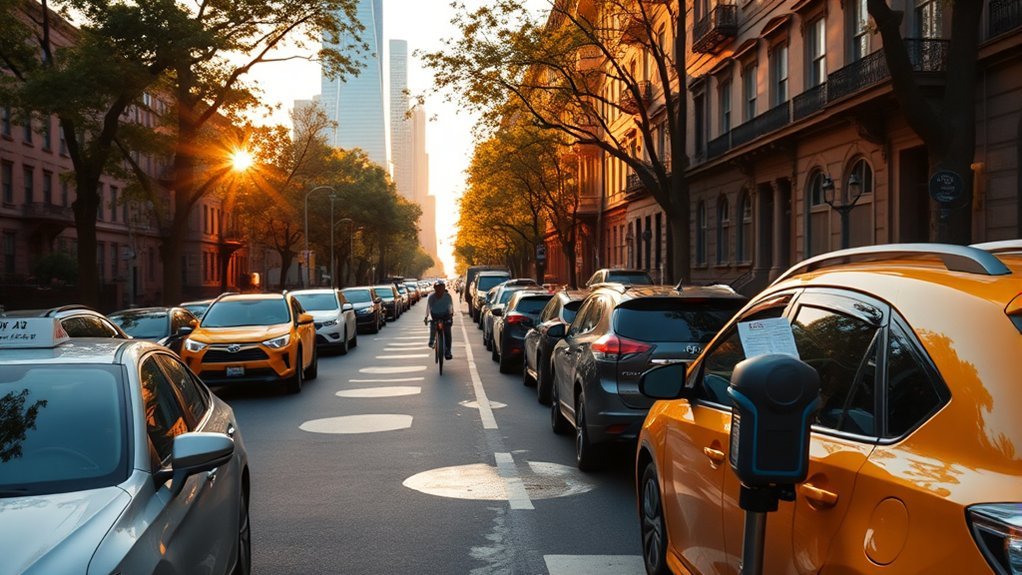
You can park in a legal street space, at a meter, in a municipal lot, in a private garage, or at a Park & Ride location that connects with transit. The best choice depends on how long you are staying, the neighborhood you are visiting, and whether you are willing to move the car for street cleaning.
| Parking option | Best for | What to check |
|---|---|---|
| Free street parking | Flexible or overnight stays | Every sign on the block, ASP hours, hydrants, driveways, and time limits |
| Metered street parking | Short daytime visits | Zone number, vehicle type, rate, operating hours, and maximum stay |
| Municipal or private garage | Predictable parking near busy areas | Final price, vehicle-size fees, hours, and in-and-out privileges |
| Park & Ride | Avoiding traffic and expensive central parking | Transit service, fees, permits, lot hours, and overnight rules |
Do not assume that an open curb is legal. New York City may post only one applicable parking sign on a block, so walk along the block and read all signs before leaving your vehicle. When two rules apply to the same space, follow the more restrictive rule.
NYC Parking Rules by Borough
New York City does not use a separate set of general parking laws for each borough. The same citywide stopping, standing, parking, hydrant, towing, and double-parking rules apply in Manhattan, Brooklyn, Queens, the Bronx, and Staten Island. What changes is the amount of available curb space, the meter zone, and the restrictions shown on each block.
Manhattan Street Rules
Manhattan usually has the highest meter rates and the strongest competition for curb space, especially in Midtown and Lower Manhattan. Commercial loading zones, bus lanes, hotel zones, taxi stands, street-cleaning restrictions, and rush-hour No Standing rules can all affect the same block at different times.
Do not use 125th Street as a dividing line for whether metered parking exists. Meters operate in many parts of all five boroughs, and Manhattan itself has several different price zones.
Outer Borough Options
Brooklyn, Queens, the Bronx, and Staten Island often have more unmetered residential streets than central Manhattan, but free does not mean unrestricted. Alternate side parking, school zones, bus stops, driveways, loading areas, and temporary construction signs still apply.
| Area | Typical parking conditions | Main concern |
|---|---|---|
| Manhattan | High demand, more commercial restrictions, and higher meter rates | Complex signs and limited curb space |
| Brooklyn and Queens | A mix of busy metered districts and unmetered residential streets | ASP, school zones, and neighborhood shopping restrictions |
| Bronx and Staten Island | More residential curb space in many neighborhoods | Street cleaning, time limits, and transit-area demand |
Signs and ASP Times
Alternate side parking, or ASP, keeps part of the curb clear for street cleaning. A sign with a crossed-out “P” and broom symbol shows the exact days and hours when you cannot park on that side.
The restriction applies for the full time printed on the sign. You cannot legally return to the space just because the street sweeper has passed. NYC provides a five-minute grace period after the posted ASP ending time, but relying on the grace period is riskier than moving the vehicle before enforcement begins.
Pro Tip: Check the current ASP status through NYC311 before leaving home. Weather emergencies and special events can cause unplanned suspensions, but a suspension of ASP does not automatically suspend parking meters.
How Street Parking Rules Work
New York signs distinguish among stopping, standing, and parking. These words have specific meanings, and sitting in the driver’s seat does not make an otherwise illegal stop legal.
| Sign | Passenger pickup or drop-off | Loading packages | Waiting |
|---|---|---|---|
| No Stopping | No | No | No |
| No Standing | Yes, briefly | No | No |
| No Parking | Yes, briefly | Yes, actively | No |
Warning: All of New York City is a Tow Away Zone. A passenger vehicle that is parked illegally, double parked, unregistered, or otherwise in violation may be towed. Double parking is illegal even during street cleaning and even when someone remains inside the vehicle.
Other important street-parking rules include:
- Stay at least 15 feet from either side of a fire hydrant. Painted curbs do not determine the legal distance.
- Do not block a driveway, crosswalk, pedestrian ramp, sidewalk, bike lane, bus lane, or bus stop.
- Do not use a commercial, taxi, authorized-vehicle, carshare, or EV-charging space unless your vehicle qualifies.
- Unless a sign sets a shorter period, do not leave a vehicle in the same street space for more than seven consecutive days.
- Follow temporary construction, filming, parade, and emergency signs even when they conflict with your usual understanding of the block.
You can review official definitions and examples on the NYC DOT parking regulations page.
Where to Find Free Parking in NYC
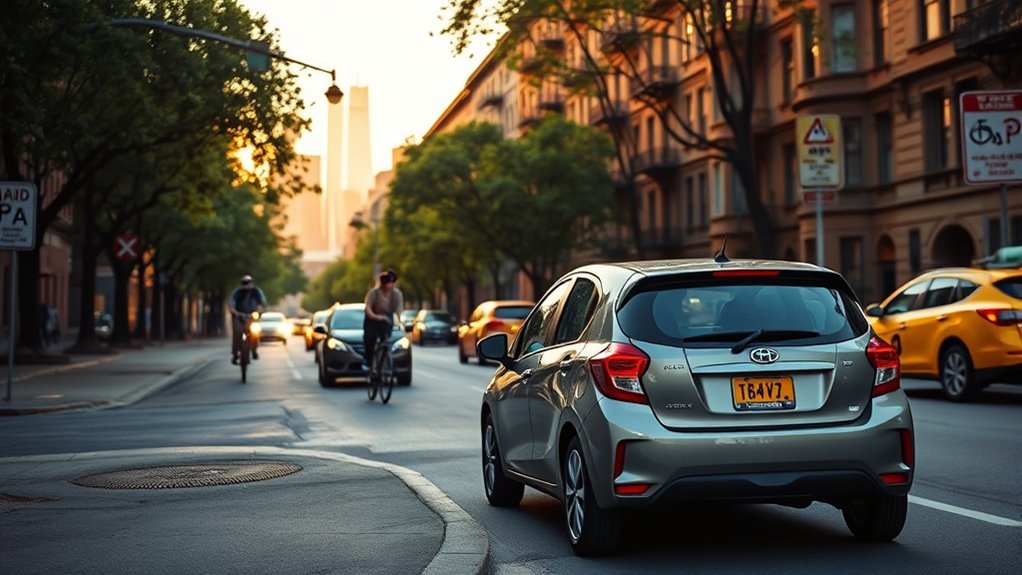
Your best chance of finding free street parking is on an unmetered residential block outside the busiest commercial districts. Brooklyn, Queens, the Bronx, and Staten Island often provide more choices, although parts of Manhattan also have legal unmetered spaces.
Metered regulations are normally not in effect on Sundays. ASP is also normally suspended on Sundays. However, bus stops, hydrants, No Standing Anytime zones, driveway restrictions, and other seven-day rules remain enforceable.
Note: A holiday listed on the ASP calendar does not always make meters free. On many religious and observance holidays, only street-cleaning rules are suspended. Parking meters and other posted restrictions remain active. Meter rules are suspended on the six major legal holidays listed by NYC: New Year’s Day, Memorial Day, Independence Day, Labor Day, Thanksgiving Day, and Christmas Day.
Free overnight street parking is generally possible when no sign prohibits it, but you must account for the next morning’s ASP, school, loading, or rush-hour restriction. Also remember the seven-day limit for leaving a vehicle in the same place.
Which Garages Offer the Best Value?
Garages can be worth the cost when you need a predictable space, are carrying luggage, or cannot return to move the car for street cleaning. Compare the final price rather than relying only on the large rate shown at the entrance.
NYC DOT operates municipal garages and lots in all five boroughs. Current published daily maximums include approximately:
| Municipal facility | Location | Published daily maximum |
|---|---|---|
| Jerome–190th Street Garage | Bronx | $19.50 |
| Bay Ridge Garage | Brooklyn | $19.50 |
| Court Square Garage | Queens | $25.00 |
| Delancey and Essex Garage | Manhattan | $50.00 |
Rates, hours, early-bird rules, and overnight access differ by facility. Check the current listing on the NYC DOT municipal parking page before driving there.
For private garages, reservation services such as SpotHero and BestParking can help you compare quoted prices. Check whether the reservation allows in-and-out access and whether your SUV, pickup, van, or oversize vehicle costs extra.
How Park & Ride Works for NYC Trips
Park & Ride allows you to leave your vehicle outside the most congested parts of the city and continue by train, bus, carpool, or ferry. It can reduce traffic stress and may cost less than parking in central Manhattan.
Park & Ride Basics
New York State has Park & Ride lots near highways, commuter-rail stations, express buses, and local transit. NYSDOT says these lots are usually free, but some require a fee or permit. Spaces are normally first come, first served.
Do not assume that every lot belongs to Metro-North or the Long Island Rail Road. Station-area parking may be operated by the MTA, a municipality, a private company, or another public agency. A permit may be limited to local residents.
Train Access Tips
- Use the 511NY Park & Ride directory to check transit connections, fees, permits, and bicycle facilities.
- Confirm the last return train or bus before leaving your car.
- Check whether overnight parking is prohibited or limited to designated spaces.
- Arrive early at commuter lots that fill during the morning peak.
- Do not use a commuter permit space unless your permit is valid for that lot and date.
Park & Ride works best when you verify both parts of the trip: the parking rules at the lot and the return transit schedule.
Best Apps and Tools for NYC Parking
No app can guarantee that an open curb space is legal. Use apps to check rules, pay a meter, reserve a garage, or find a Park & Ride location, then confirm the physical signs when you arrive.
- ParkNYC: The official city tool for paying at eligible metered spaces by license plate. Pay-per-transaction mode currently adds a 20-cent fee to each session or extension.
- NYC311: Check ASP status, holiday suspensions, parking rules, ticket information, and official service alerts.
- 511NY: Find Park & Ride locations and review whether a listed lot has transit, fees, or permit requirements.
- SpotHero or BestParking: Compare and reserve participating private garages. These are third-party services, so review the garage’s final terms.
- NYC Pay or Dispute: Use the official Department of Finance tool to pay or challenge a parking ticket.
ParkNYC cannot override a posted time limit. Paying through the app does not make a restricted or illegal space valid.
How Much Does Parking Cost in NYC?
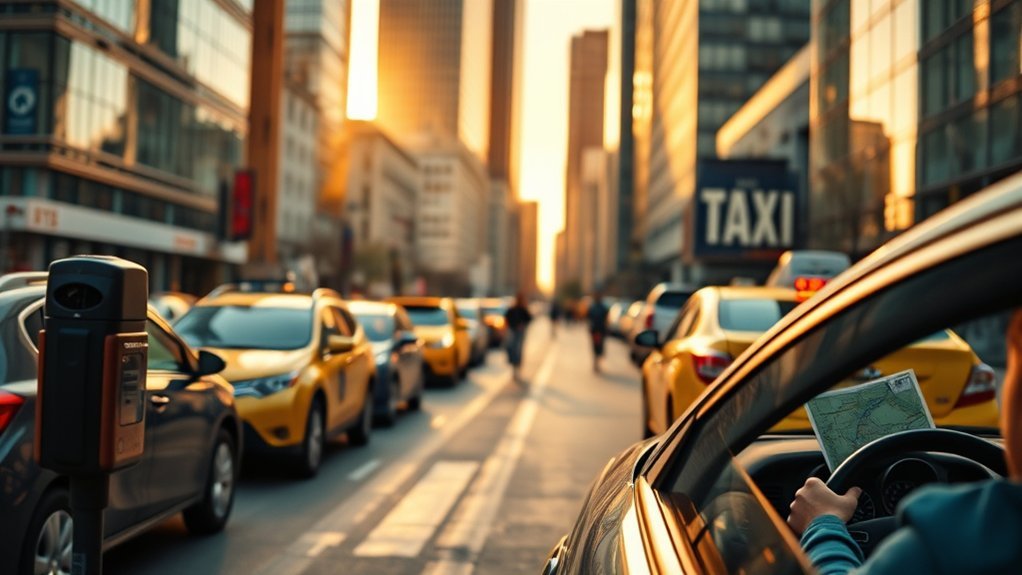
NYC passenger-vehicle meter prices vary by zone. The second hour may cost more than the first, particularly in high-demand Manhattan zones.
| Meter zone | General location | First hour | Second hour |
|---|---|---|---|
| M1 | Midtown Core and Lower Manhattan | $5.50 | $9.00 |
| M2 | Most of Manhattan south of 96th Street | $5.00 | $8.25 |
| M3 | Manhattan from 96th to 110th Street, with listed exceptions | $3.00 | $5.00 |
| Zone 1 | Major business districts outside Manhattan and Manhattan at 125th Street | $2.50 | $5.00 |
| Zone 2 | Neighborhood retail districts | $2.00 | $3.00 |
| Zone 3 | Other metered locations | $1.50 | $2.50 |
Always check the meter and sign because vehicle type, operating hours, and maximum parking duration can vary. Commercial-vehicle rates are different in designated zones.
Municipal garage daily maximums currently range from about $19.50 at some outer-borough facilities to $50 at the Delancey and Essex garage. Private garage prices can be lower or much higher depending on location, event demand, vehicle size, and length of stay.
Accessible Parking Permits in NYC
A standard out-of-state disability placard does not provide all the same street-parking privileges as a New York City Parking Permit for People with Disabilities, or NYC PPPD.
A valid NYC PPPD can allow parking without payment at eligible passenger and commercial meters and in many No Parking or street-cleaning spaces. It does not allow parking in No Stopping zones, No Standing zones, bus stops, crosswalks, driveways, hydrant areas, sidewalks, bike lanes, or spaces reserved for EV charging and other specific uses.
Review the full permit rules through NYC311’s disability parking permit guide.
Parking Tips for Safer, Easier Trips
- Read every sign on the block before shutting off the engine.
- Take a photo of the curb, signs, meter zone, and vehicle position.
- Check ASP status on NYC311 instead of relying on an unofficial calendar.
- Measure hydrant distance from the hydrant itself, not from painted curb markings.
- Enter your plate number and state carefully at a pay-by-plate meter or in ParkNYC.
- Set an alert before the meter or posted restriction ends.
- Do not assume an empty space is legal during rush hour, school hours, or loading hours.
- Use a garage when street-cleaning schedules or complex signs make curb parking impractical.
The physical signs on the block control your parking space. An app, map, old photo, or advice from another driver does not override a posted restriction.
What to Do if You Get a Ticket or Your Car Is Towed
If you receive a parking ticket, pay it or request a hearing within 30 days to avoid the first late penalty. Keep photos, meter records, receipts, and any evidence showing that a sign was missing, blocked, incorrect, or temporarily replaced.
You can use the official NYC parking-ticket service to pay, dispute, or check a ticket.
If your vehicle is missing, use the city’s towed-vehicle search or call 311. A regular NYPD tow currently carries a $185 tow fee, and an additional $20 storage charge can apply for each night the vehicle remains in the pound. Bring current registration, a valid driver’s license, and proof of insurance when retrieving it.
Frequently Asked Questions
Is street parking free in NYC on Sundays?
Metered parking and alternate side parking are normally not in effect on Sundays. Other rules, including hydrant, bus-stop, driveway, No Standing Anytime, and No Stopping Anytime restrictions, still apply.
Can you park overnight on an NYC street?
You can generally park overnight when no sign prohibits it. Check the next morning’s street-cleaning, school, loading, and rush-hour restrictions, and do not leave the vehicle in the same space for more than seven consecutive days.
How close can you park to a fire hydrant in NYC?
You must leave at least 15 feet of clearance on either side of a fire hydrant. Do not rely on curb paint because it does not define the legal distance.
Can you park after the street sweeper passes?
Not until the full alternate side parking period printed on the sign has ended. The rule remains enforceable even when the sweeper has already cleaned the street.
Can you leave a car in one NYC street space for a week?
A vehicle generally cannot remain in the same street space for more than seven consecutive days, even when no shorter limit is posted. Alternate side parking or another block restriction may require you to move it sooner.
Can an illegally parked car be towed immediately?
Yes. All of NYC is a Tow Away Zone, so an illegally parked vehicle may be towed even if it has not accumulated unpaid parking-ticket debt.
Conclusion
You are allowed to park in NYC when the signs and curb rules permit it. The safest approach is to check the whole block, confirm the current ASP status, pay the correct meter zone, and leave clear space around hydrants, driveways, crosswalks, and transit areas. When street rules are too complex or your schedule is uncertain, a reserved garage or verified Park & Ride lot may be the easier choice.
Sources
- NYC Department of Transportation: Parking Regulations — official stopping, standing, parking, hydrant, towing, and sign rules.
- NYC Department of Transportation: Parking Meters — current meter zones, passenger rates, payment methods, and Sunday rules.
- NYC311: Alternate Side Parking and Street Cleaning — ASP operation, suspensions, holidays, grace period, and current status.
- NYC Department of Transportation: Municipal Parking Facilities — official garage locations, hours, permits, and published rates.
- New York State Department of Transportation: Park and Ride — statewide lot access, general fees, permits, and transit connections.
- NYC Department of Finance: Parking and Camera Tickets — official payment, dispute, penalty, and ticket-status information.
