
Last Updated on July 27, 2026 by Daniel Globe
Colombia can be visited throughout the year, but the best month depends on where you are going. Altitude, coast, rainforest, and local rainfall patterns matter more than traditional spring, summer, fall, or winter seasons. A sunny week in Cartagena can occur while Bogotá is cool and rainy and the Pacific coast is receiving heavy showers.
Quick Answer
For the easiest nationwide trip, visit Colombia from December through March or during July and August. These periods are generally drier in the Andes and Caribbean. Choose July through October for Pacific whale watching, and consider rainier months for greener scenery, higher Amazon river levels, and fewer visitors outside major festivals.
Key Takeaways
- December through March is the most dependable general window for Caribbean beaches, mountain hikes, and multi-region itineraries.
- July and August often bring a shorter drier period in the Andes, but Medellín becomes busy during Feria de las Flores.
- April to May and October to November are often wetter in Bogotá, Medellín, and the Coffee Region, although rain varies by location.
- The Pacific coast remains wet throughout the year; July through October is the main humpback whale-watching period.
- Amazon travel changes with river levels: wetter months favor boat trips, while relatively drier months can make jungle walks easier.
- Festival dates, park access, and weather disruptions can change, so check official calendars shortly before traveling.
How Colombia’s Climate Works
Colombia lies close to the equator, so temperature and daylight vary less by month than they do in countries with four distinct seasons. Weather is shaped mainly by altitude, geography, and regional rainfall.
Lowland Caribbean cities such as Cartagena, Santa Marta, and Barranquilla stay hot for most of the year. Bogotá is much cooler because it sits high in the Andes. Medellín has a mild mountain climate, while the Pacific coast is humid and rainy in almost every month.
According to Colombia’s official tourism guidance, December through March and July through August are generally the drier travel periods. April to May and October to November are often wetter, particularly in Andean areas.
In Colombia, altitude and destination usually tell you more about the weather than the month alone.
These dates are only a national planning guide. The Caribbean, Pacific, Amazon, Llanos, and Andean regions follow different rainfall patterns, and short showers can occur even during a so-called dry season.
Best Time to Visit Colombia by Region
| Region | Best General Window | What to Expect | Best For |
|---|---|---|---|
| Bogotá and the Andes | December–March and July–August | Cool temperatures, changing cloud cover, and possible afternoon showers | City visits, museums, mountain trips, and hiking |
| Medellín and the Coffee Region | December–March and July–August | Mild weather year-round, with wetter periods commonly occurring in spring and fall | Coffee farms, city touring, hiking, and cultural events |
| Caribbean Coast | December–April | Hot weather, more sunshine, and lower average rainfall than later in the year | Cartagena, Santa Marta, beaches, diving, and Tayrona |
| San Andrés and Providencia | January–April | Warm tropical weather; rainfall and storm risk generally increase later in the year | Snorkeling, diving, boating, and beaches |
| Pacific Coast | July–October for whales; December–March for somewhat less rain | Rain and high humidity in every season | Whale watching, rainforest, surfing, and remote beaches |
| Amazon | March–July for higher water; August–February for relatively lower water | Hot, humid, and rainy throughout the year | Boat trips in higher water or jungle walks in relatively drier conditions |
| Llanos and Orinoquía | November–March for drier roads; April–October for green landscapes | A pronounced contrast between sunny and wet periods | Wildlife, ranch culture, photography, and open landscapes |
Traveling to Colombia in the Dry Season
December through March is the most convenient period for travelers who plan to combine several regions. Rain is generally less frequent in much of the Andes and Caribbean, making outdoor schedules easier to manage.
This is a good period for exploring Cartagena’s historic center, visiting Caribbean beaches, hiking near the Coffee Region, and taking mountain trips from Bogotá. Rural roads and unpaved trails are also less likely to be affected by prolonged rain, although local storms can still occur.
The main disadvantage is demand. Christmas, New Year, the first weeks of January, and Holy Week are major domestic travel periods. Flights, hotels, park reservations, and tours can fill earlier than they do in quieter months.
Barranquilla Carnival also takes place during the four days before Lent, usually in February or early March. It is one of Colombia’s largest events, so travelers should reserve accommodation well ahead of the main parades.
Pro Tip: For drier weather without the Christmas and New Year rush, consider late January, February outside Carnival dates, or early March outside Holy Week.
Products Worth Considering

[Water Resistant]Polyester and Waterproof fabric keep you away from getting wet in rainy days ,help to keep your body dry and warm all day. [Windproof]Adjustable cuffs with...
Exploring Colombia During Rainier Periods
Rainier periods can be a good choice for travelers who want greener landscapes, more flexible accommodation options, and fewer visitors outside major holidays and festivals. In Andean cities, rain often arrives as a heavy afternoon shower rather than continuous rain all day.
April and May, followed by October and November, are commonly wetter in Bogotá, Medellín, and the Coffee Region. Waterproof shoes and a light rain jacket make city visits and short hikes much easier.
The rain also changes the experience in jungle regions. Higher Amazon river levels can open boat routes into flooded forests and make waterways more accessible. In relatively lower-water months, some trails and riverbanks become easier to explore on foot.
Rainier travel does not always mean lower prices or fewer people. Easter can be extremely busy, and Medellín’s Feria de las Flores draws large crowds during late July or August. Prices depend on the destination, local calendar, and day of the week.
Note: Build some flexibility into outdoor itineraries. A free afternoon makes it easier to move a hike, boat trip, or viewpoint visit when heavy rain develops.
Colombia Month by Month
| Period | Typical Travel Conditions | Good Choices | Planning Notes |
|---|---|---|---|
| January–February | Generally dry in the Andes and Caribbean | Beaches, mountain routes, Pasto Carnival, and Barranquilla Carnival | January is busy; Tayrona closes February 1–15 |
| March | Often warm and fairly dry early in the month, with rain increasing in some areas | Multi-city trips and Caribbean travel | Holy Week can fall in March or April and creates high demand |
| April–May | One of the wetter Andean periods | Museums, food trips, green coffee landscapes, and the Vallenato festival | Allow extra road time and pack rain protection |
| June | Conditions begin changing toward the shorter midyear dry period in some Andean areas | Cities, Coffee Region, and family trips | Tayrona closes June 1–15; school holidays increase demand |
| July–August | Often drier in the Andes; Pacific remains wet | Whale watching, hiking, Medellín festivals, and Bogotá events | Feria de las Flores raises demand in Medellín |
| September | A transition toward wetter Andean conditions | Pacific whales, bird migration, and the Green Moon Festival when scheduled | Check Caribbean island forecasts and event dates |
| October–November | Often among the wettest Andean months | City culture, green landscapes, and late whale trips in some Pacific areas | Tayrona closes October 19–November 2 |
| December | Drier weather returns in many regions | Caribbean beaches, Medellín lights, and Feria de Cali | Christmas and New Year are peak travel periods |
Festivals and Events in Colombia Throughout the Year
Colombia’s festivals can be a reason to choose a specific travel date. They can also affect hotel availability, transport, and crowd levels. Events tied to Lent or Easter move each year, and even fixed-season festivals may change their exact schedules.
| Usual Timing | Event | Location | What to Know |
|---|---|---|---|
| Late December–January 6 | Carnaval de Negros y Blancos | Pasto | A UNESCO-listed Andean carnival known for parades, music, elaborate floats, and public celebrations |
| Four days before Lent | Barranquilla Carnival | Barranquilla | Usually falls in February or early March; reserve rooms well in advance |
| March or April | Holy Week Processions | Popayán | Historic evening processions take place during the days before Easter |
| Late April–early May | Festival de la Leyenda Vallenata | Valledupar | Celebrates vallenato music with accordion competitions, parades, and performances |
| Late July or August | Feria de las Flores | Medellín | Includes silletero traditions, floral displays, concerts, and high visitor demand |
| Late July–August | Festival de Verano | Bogotá | A changing program of sports, recreation, concerts, and family activities |
| Usually September | Green Moon Festival | San Andrés | Celebrates the islands’ Caribbean and Raizal cultural heritage; confirm the current schedule |
| December 25–30 | Feria de Cali | Cali | A major salsa and cultural celebration held during the Christmas travel period |
The Feria de las Flores is one of Medellín’s most important events. Its silletero traditions honor the flower growers of Santa Elena, while the wider program includes concerts, exhibitions, parades, and neighborhood activities.
The Festival de la Leyenda Vallenata celebrates a music tradition strongly associated with Colombia’s Caribbean region. Accordion players, composers, singers, and dancers take part in competitions and performances across Valledupar.
Note: Do not book nonrefundable travel based only on the usual month. Confirm the current year’s program on the organizer’s official website.
Best Time to Visit Colombia’s Beaches
For Cartagena, Santa Marta, Tayrona, and much of the Caribbean coast, December through April usually offers the best balance of sunshine and lower rainfall. Temperatures remain hot throughout the year, so the main seasonal difference is rain rather than cold.
San Andrés and Providencia are also warm year-round. January through April is generally the easiest period for beach days, snorkeling, diving, and boat trips. Rainfall and tropical storm risk increase later in the year, although good weather can still occur between showers.
The Pacific coast is different. Nuquí, Bahía Solano, Buenaventura, and surrounding areas receive heavy rainfall in every season. December through March may be somewhat less wet, but travelers should still expect rain, humidity, and changing sea conditions.
For humpback whales, the most useful planning window is July through October. In some destinations, sightings can begin in June or continue into November. Official tourism guidance identifies Bahía Solano, Nuquí, Gorgona, and Bahía Málaga among the principal viewing areas.
Warning: Tayrona National Natural Park normally suspends ecotourism from February 1–15, June 1–15, and October 19–November 2. Weather, sea conditions, or safety concerns can also cause temporary restrictions. Check the official Tayrona status page before traveling.
Products Worth Considering
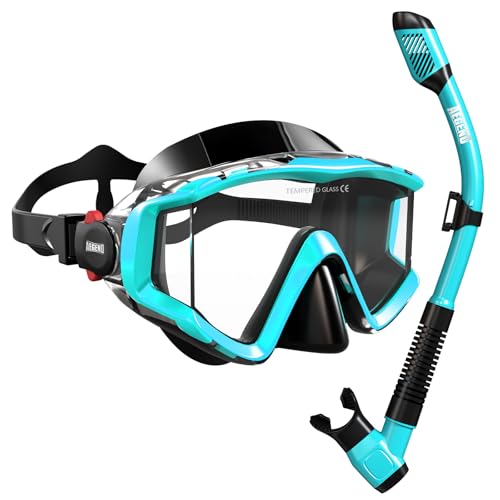
220°+ Wide View for an Immersive Underwater Experience: Whether you're a beginner or a seasoned snorkeler, this 3-side lens snorkeling gear for adult delivers over 220° of panoramic clarity for exploring coral reefs during beach vacations or family snorkeling trips, it eliminates image distortion and dizziness so you can fully enjoy the ocean world

YOUR BEST SNORKEL PARTNER - Thanks to the short fins and foldable snorkel design, our snorkeling gear for adults and youth can be easily packed in carrying bag (included) and great for travel. Whether you're a beginner or an experienced snorkeling enthusiasts, this snorkel set will take your next snorkeling trip to better level. We offer a 30-day return guarantee and are always available to solve any issues within 24 hours. Pls check the size chart before picking yours

YOUR BEST SNORKEL PARTNER - Thanks to the short fins and foldable snorkel design, our snorkeling gear for adults and youth can be easily packed in carrying bag (included) and great for travel. Whether you're a beginner or an experienced snorkeling enthusiasts, this snorkel set will take your next snorkeling trip to better level. We offer a 30-day return guarantee and are always available to solve any issues within 24 hours. Pls check the size chart before picking yours
Wildlife and Nature Watching in Colombia

Colombia’s wide range of ecosystems supports exceptional wildlife viewing, but the best season depends on the animal, habitat, and type of access you want.
Birdwatching
Birdwatching is possible throughout the year. Resident species can be found in the Andes, wetlands, Caribbean forests, Amazon, Pacific rainforest, and Coffee Region. Migratory activity is especially notable from January through April and again from September through December.
Drier months can make trails easier and improve photography conditions. Rainier months may bring active forests and fewer visitors, but clouds, mud, and road conditions can slow a birding itinerary.
Pacific Whale Watching
Plan Pacific whale trips mainly between July and October. Choose an experienced local operator that follows distance and speed rules around whales. Sea conditions can cancel departures even during the main season.
Amazon and Llanos Wildlife
In the Amazon, higher water can make boat-based wildlife searches and flooded-forest trips easier. Relatively lower water may expose beaches and improve access to some walking routes.
In the Llanos, the dry period from roughly November to March concentrates wildlife around shrinking water sources and makes many roads easier to use. The wet period from April to October transforms the plains into green, water-rich habitat and can be excellent for photography and birdlife, though road access may be more difficult.
National Parks and Mountain Areas
Tayrona combines tropical dry forest, humid forest, beaches, and marine habitats. High-mountain destinations such as Los Nevados require a different packing list and can experience fast changes in visibility, wind, and temperature regardless of the month.
Use authorized guides where required, remain on marked trails, and check official park notices before leaving for remote areas.
Cultural and Historical Sites in Colombia
Most of Colombia’s museums, colonial centers, archaeological sites, and cultural neighborhoods can be visited throughout the year. Weather matters mainly when a visit includes long walks, outdoor ruins, mountain roads, or multi-day trekking.
Bogotá’s La Candelaria combines colonial streets, museums, restaurants, and contemporary cultural spaces. The Gold Museum presents pre-Hispanic metalwork and the history of the Indigenous societies that produced it. Bogotá’s cooler climate makes a light jacket useful in every month.
Ciudad Perdida in the Sierra Nevada de Santa Marta is reached by a demanding multi-day jungle trek. Drier periods can reduce mud and river difficulty, while wetter periods create hotter, more humid, and more slippery conditions. Travelers should use authorized operators and check current trail access.
Villa de Leyva is suitable for year-round visits, but its stone streets can become slippery in heavy rain. Popayán, Cartagena, Santa Fe de Antioquia, and Mompox are also strong cultural choices when showers make mountain or beach plans uncertain.
Festivals add another layer to cultural travel. Barranquilla Carnival, Holy Week in Popayán, Feria de las Flores, and Feria de Cali are rewarding experiences, but they require earlier booking and tolerance for crowded streets.
Best Time to Visit Colombia by Activity
| Activity | Recommended Period | Reason |
|---|---|---|
| Caribbean beaches | December–April | Generally sunnier and less rainy |
| Andean hiking | December–March and July–August | Better chance of stable trails and clearer views |
| Pacific whale watching | July–October | Main humpback whale season |
| Bird migration | January–April and September–December | Greater variety of migratory species |
| Amazon boat trips | Approximately March–July | Higher river levels can improve water access |
| Amazon jungle walks | Approximately August–February | Relatively lower water and easier access to some trails |
| Lower crowds | Selected weekdays in April–May or October–November | Demand may be lower outside holidays and festivals |
| Major festivals | Event-specific | Travel dates should follow the official annual calendar |
Crowds, Prices, and Booking
Colombia’s busiest travel periods commonly include late December and early January, Holy Week, midyear school holidays, long holiday weekends, and major city festivals.
Popular Caribbean destinations can become crowded during the northern winter and Colombian holidays. Medellín demand rises during Feria de las Flores, Barranquilla fills for Carnival, and Cali becomes busy during its late-December fair.
Rainier months may offer better room availability in some destinations, but they are not automatically cheaper. A conference, local holiday, concert, or festival can raise prices at any time.
- Reserve Carnival, Christmas, New Year, Holy Week, and Feria de las Flores travel well in advance.
- Compare weekday and weekend rates when your dates are flexible.
- Use refundable bookings for weather-sensitive Pacific, Amazon, and national-park trips.
- Confirm domestic flight baggage limits before booking remote routes served by smaller aircraft.
Tips for Traveling to Colombia in Different Seasons
Pack for Altitude, Not Only the Month
Bring light, breathable clothing for the Caribbean, Amazon, Pacific, and Llanos. Add a sweater or light insulated layer for Bogotá and other high-altitude destinations. Mountain trips may require gloves, a warm hat, waterproof outerwear, and shoes with strong grip.
Prepare for Rain in Every Season
A compact rain jacket, quick-drying clothing, and a dry bag for electronics are useful even in generally dry months. Heavy tropical rain can develop quickly and may overwhelm a small umbrella.
Check Local Conditions
Review the weather for each destination rather than relying on a nationwide forecast. For coastal and island travel, check marine conditions as well as rain. For parks, use official notices to confirm openings, entry limits, insurance requirements, and trail restrictions.
Leave Time Between Connections
Rain, mountain fog, road work, and holiday traffic can delay road journeys. Avoid placing an important international departure immediately after a long rural transfer.
Learn a Few Spanish Phrases
English is available in many tourism businesses, but basic Spanish can make transport, food orders, rural check-ins, and conversations with local residents much easier.
Respect Local Communities and Protected Areas
Follow guide and ranger instructions, avoid feeding wildlife, carry out your waste, and ask before photographing people. In Indigenous territories, use authorized routes and respect cultural restrictions.
Frequently Asked Questions
What is the best time to travel to Colombia?
December through March is the easiest general period for a first trip because much of the Andes and Caribbean is relatively dry. July and August are another useful window. The best dates still depend on your region and activity.
What is Colombia’s weather like during the dry season?
The Caribbean is normally hot and sunny, while Bogotá remains cool because of its altitude. Medellín is mild, and mountain areas can become cold. A dry season reduces the chance of rain but does not guarantee clear weather every day.
Does it rain all day during Colombia’s rainy season?
Not usually in Andean cities. Many days include dry mornings followed by afternoon or evening showers. The Pacific and Amazon can receive longer and heavier rainfall, so conditions depend strongly on the destination.
When is the best time to visit Cartagena?
December through April generally provides the sunniest conditions. January and major holiday weekends can be crowded, so February or March outside Carnival and Holy Week may provide a better balance.
When is the best time to visit Medellín?
Medellín is comfortable throughout the year. December through March and July through August are often drier. Visit during Feria de las Flores for major cultural events, but expect larger crowds and stronger hotel demand.
When can I see whales in Colombia?
July through October is the main humpback whale-watching window on the Pacific coast. Some locations may report whales from June into November, but local tour schedules and sea conditions vary.
What is the best season for the Colombian Amazon?
Visit around March through July for higher water and more boat access. August through February is relatively drier and may favor jungle walks and exposed riverbanks. Heat, humidity, and rain are possible throughout the year.
When does Tayrona National Natural Park close?
Its regular annual closures are February 1–15, June 1–15, and October 19–November 2. Additional temporary closures can occur because of weather, infrastructure, environmental management, or safety concerns.
Is Colombia cheaper during the rainy season?
It can be cheaper in some places, but not during holidays, conferences, or major festivals. Compare the local event calendar and use flexible dates instead of assuming every rainy month is low season.
Sources
- Colombia Travel: Climate and Seasons — national climate patterns, regional differences, Amazon river conditions, and packing guidance.
- National Natural Parks of Colombia: Tayrona — annual closures, park status, access conditions, and visitor rules.
- Colombia Travel: Humpback Whales in the Colombian Pacific — whale migration timing and principal viewing destinations.
- Official Barranquilla Carnival — annual Carnival dates, programs, and visitor updates.
- Medellín Government: Feria de las Flores — official festival information and schedules.
- Fundación Festival de la Leyenda Vallenata — official dates and programming for the Valledupar festival.
