
Last Updated on July 31, 2026 by Daniel Globe
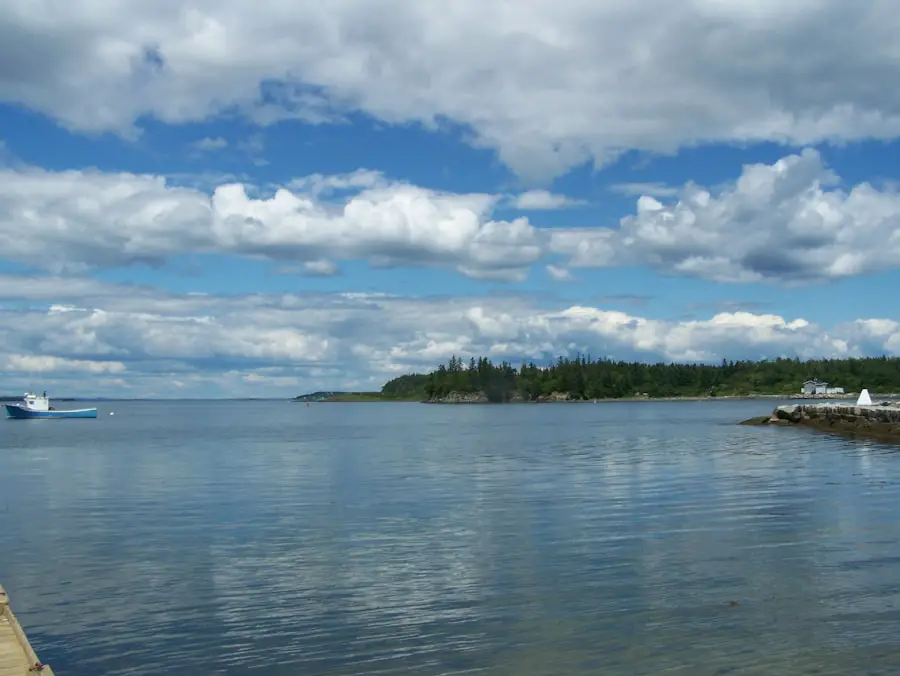
Monterey, California, combines a historic waterfront, abundant marine life, scenic coastal trails, and attractions such as Cannery Row and the Monterey Bay Aquarium. The city has a mild climate throughout the year, but its warmest, busiest, cheapest, and best wildlife-viewing periods do not all occur at the same time.
Quick Answer
September and October are usually the best months to visit Monterey for warmer coastal weather, fewer crowds after summer, and outdoor sightseeing. Visit from March through May for wildflowers and northbound gray whales, during summer for major events and family travel, or in winter for lower demand and southbound whale migration.
Key Takeaways
- Best overall weather: September and October often bring warmer, sunnier coastal days than midsummer.
- Best for wildflowers and gray whale calves: March through May.
- Best for major events: August and September, although lodging prices and traffic may rise sharply.
- Best for smaller crowds: Late fall through winter, outside holiday weekends and major events.
- What to pack: Bring layers in every season because fog, wind, and temperature changes are common near the water.
Disclosure: As an Amazon Associate I earn from qualifying purchases. Some links on this page are affiliate links, at no extra cost to you.
Best Time to Visit Monterey at a Glance
Seasonal Comparison
| Best Overall Time | September and October for warmer coastal weather, clearer afternoons, and lighter crowds after the main summer vacation period. |
| Wildflowers | March through May, depending on winter rainfall and local trail conditions. |
| Gray Whale Migration | December through February for southbound whales and March through May for the northbound migration. |
| Major Events | August and September for Monterey Car Week, the Pebble Beach Concours d’Elegance, and the Monterey Jazz Festival. |
| Lower Crowds | November through February, excluding holiday weekends and special events. |
| Family Summer Trips | June through August for school-break convenience, long daylight hours, and a full attraction schedule—but not necessarily the warmest coastal weather. |
Understanding Monterey’s Coastal Weather
Monterey has a cool coastal climate shaped by the Pacific Ocean. Temperatures are moderate throughout the year, but conditions can change quickly between the waterfront, nearby hills, and inland valleys.
Summer does not always feel like a traditional California beach season. Morning fog and low clouds are common near Monterey, Pacific Grove, and Carmel. Coastal temperatures often remain in the mid-to-upper 60s, while inland places such as Carmel Valley and Salinas Valley can be considerably warmer.
September and October often bring Monterey’s “second summer,” with sunnier afternoons and daytime temperatures that may reach the 70s along the coast. Winter is cooler and wetter, with coastal highs commonly around the upper 50s to low 60s and nighttime lows in the 40s.
The warmest-looking month on the calendar is not always the warmest-feeling month in Monterey. Early fall frequently offers better beach-walking and sightseeing weather than June or July.
Pro Tip: Check the forecast for Monterey itself rather than relying on an inland Monterey County forecast. A difference of several miles can mean fog and 65°F at the coast but sunshine and much warmer conditions inland.
Spring in Monterey: Wildflowers and Northbound Whales
Spring is one of the best times to visit Monterey for coastal hiking, wildflowers, and marine wildlife. March can still bring rain, but conditions generally become drier through April and May. Coastal afternoons are mild, while mornings and evenings may remain chilly.
Winter rain supports wildflower displays along coastal bluffs and open hillsides. California poppies, lupines, seaside daisies, and other flowers may appear at Garrapata State Park, Point Lobos State Natural Reserve, and other protected areas. Bloom timing and intensity vary each year, so recent rain and park reports matter more than a fixed calendar date.
Point Lobos State Natural Reserve offers coastal trails, coves, forest, and wildlife viewing close to Monterey. Parking inside the reserve can fill early on clear weekends, so arriving near opening time can make the visit easier.
Spring also brings the northbound gray whale migration. According to the Monterey Bay National Marine Sanctuary, gray whale cow-calf pairs may pass close to shore from March through May. Humpback whales also begin arriving around March to feed and may remain through summer and into November.
Spring is a strong choice for travelers who want active days without peak summer demand. It is especially suitable for hikers, photographers, birdwatchers, and visitors who do not mind carrying a light rain shell.
Summer in Monterey: Peak Crowds, Fog, and Major Attractions
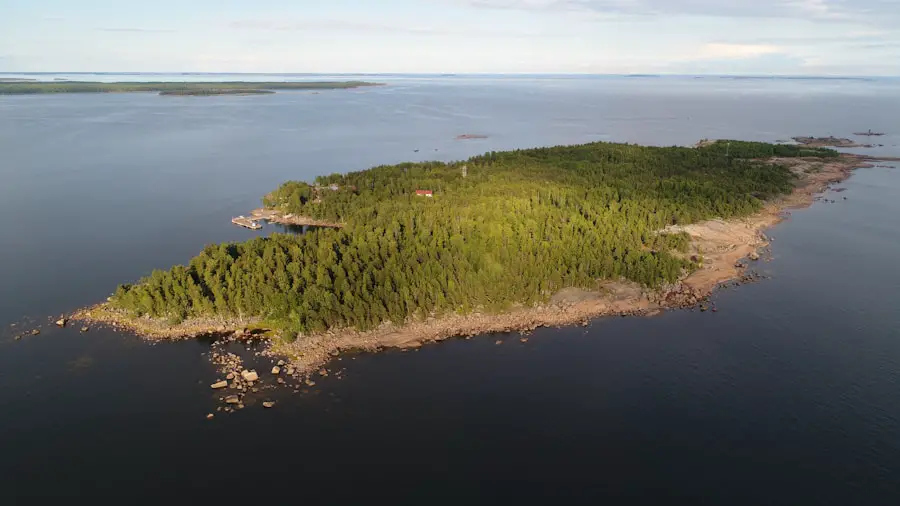
Summer is Monterey’s busiest travel period because schools are out, daylight lasts longer, and attractions operate full schedules. It is a convenient season for families, but visitors should expect more traffic, longer restaurant waits, and higher lodging demand.
Coastal Monterey commonly stays in the mid-to-upper 60s during summer, with morning fog that may clear later in the day. This weather is comfortable for walking Cannery Row, riding the Monterey Bay Coastal Recreation Trail, exploring Fisherman’s Wharf, or visiting the Monterey Bay Aquarium. It is less dependable for travelers expecting hot sand and warm ocean swimming.
The Pacific remains cold even when the air feels pleasant. Beach walks, kayaking with a reputable outfitter, tidepool viewing, and scenic picnics are often more practical than planning a full day of swimming. Summer surf can suit beginners on appropriate beaches, but local conditions vary and stronger swells are more common from fall through spring.
Marine wildlife remains a major summer attraction. Humpback whales feed in sanctuary waters, while blue whales may arrive offshore to feed on krill. Wildlife sightings are never guaranteed, but Monterey Bay supports year-round whale-watching trips.
Warning: Monterey’s water is cold, waves can be powerful, and rocky shorelines may become dangerous without warning. Never turn your back on the ocean, stay behind cliff barriers, supervise children closely, and follow posted beach and tidepool restrictions.
Summer Events and High-Demand Dates
Monterey Car Week creates one of the year’s largest spikes in traffic and lodging demand. In 2026, the event period runs from August 7 through August 16, ending with the Pebble Beach Concours d’Elegance on August 16. Visitors attending the events should reserve lodging well ahead of time. Travelers who are not interested in automobiles may prefer different dates.
Fall in Monterey: Warmer Coastal Days and Cultural Events
For many visitors, fall is the best time to travel to Monterey. September and October often produce warm, sunny coastal afternoons after the summer marine layer becomes less persistent. The busiest family-travel weeks have ended, although major festivals and sporting events can still fill hotels.
Fall works well for hiking, cycling, scenic drives, outdoor dining, and photography. Coastal landscapes remain green in some areas while grasses take on golden tones. Bird migration also brings seasonal activity to wetlands, beaches, and rocky shorelines.
California sea lions are visible year-round, but the Monterey Bay National Marine Sanctuary identifies fall as a peak period because adults return from breeding grounds farther south. Several dolphin species may also be especially abundant in August and September.
Monarch Butterflies in Pacific Grove
Monarch butterflies begin arriving in nearby Pacific Grove around October and may remain through February. They cluster in the Monarch Grove Sanctuary, although the number of butterflies varies sharply from year to year.
Visit on a calm, sunny morning or midday when conditions may make the butterflies easier to observe. Remain on designated paths, keep noise low, and never touch or disturb the clusters.
Verified 2026 Fall Events
| Event | 2026 Date | Planning Note |
| Monterey Jazz Festival | September 25–27 | A major weekend at the Monterey County Fairgrounds; book rooms early. |
| Biers & Gears: Oktoberfest & Moto | October 9–10 | The current fairgrounds Oktoberfest-style event; schedules may change. |
| Big Sur Food & Wine Festival | November 5–7 | Held at multiple Big Sur locations; confirm individual event venues and transportation. |
| Salinas Valley Food & Wine Festival | Date not confirmed in the reviewed organizer notice | Organizers announced plans for a 2026 relaunch. Check the official site before making travel arrangements. |
Note: Festival schedules can change because of weather, permits, organizer decisions, or road conditions. Verify dates with the event organizer before booking nonrefundable travel.
Winter in Monterey: Quieter Trips and Southbound Whales
Winter is Monterey’s coolest and wettest season, but it rarely brings severe cold. Daytime coastal temperatures commonly remain in the upper 50s or low 60s, while nights can fall into the 40s. Rain usually arrives in passing systems rather than continuing every day.
Lower visitor numbers can make winter appealing for a quiet coastal getaway. Hotels may offer better value outside holiday periods, restaurant reservations are often easier, and indoor attractions provide dependable options when rain arrives.
Gray whales migrate south through sanctuary waters during winter on their way to breeding and calving areas near Baja California. Most southern sea otter pups are born between January and March, providing another seasonal wildlife interest. View all animals from a respectful distance and avoid blocking their route to the water.
Winter is also a good time to explore the Monterey Bay Aquarium, Pacific House Museum, historic adobes, galleries, tasting rooms, and restaurants. Clear days can be excellent for coastal photography because winter storms sometimes leave crisp air and dramatic skies.
Travelers planning a Big Sur drive should check Caltrans Highway 1 conditions before departure. Rain, rockfalls, construction, and temporary traffic controls can affect the route at any time, especially during the wet season.
Best Time for Whale Watching and Wildlife
Monterey Bay supports marine wildlife throughout the year, but the species and behavior visitors may see change by season.
| Season | Wildlife Highlights |
| Winter | Southbound gray whales, migrating shorebirds and seabirds, and the main January–March sea otter pupping period. |
| Spring | Northbound gray whales, gray whale cow-calf pairs, harbor seal pups, and the arrival of feeding humpback whales. |
| Summer | Feeding humpback whales, offshore blue whales, pelicans, and active seabird nesting areas. |
| Fall | Humpback whales into November, peak California sea lion activity, dolphins, southbound birds, and monarch butterflies beginning in October. |
A whale-watching trip can be worthwhile in any season, but no operator can guarantee a particular species. Bring warm layers even on a sunny day because wind and spray can make conditions on the water much colder than they feel at the harbor.
Products Worth Considering


【 High-Powered & Wide View】Enjoy 15x magnification with an 8° wide-angle field, delivering a crystal-clear 367ft/1000yds view. Perfect for bird watching, marine observation, and sports events. (Fixed 15x magnification – no zoom function)

🐧【𝟏𝟓𝐱 𝐇𝐢𝐠𝐡-𝐏𝐨𝐰𝐞𝐫𝐞𝐝 𝐁𝐢𝐧𝐨𝐜𝐮𝐥𝐚𝐫𝐬: 𝐃𝐢𝐬𝐜𝐨𝐯𝐞𝐫 𝐍𝐚𝐭𝐮𝐫𝐞'𝐬 𝐒𝐦𝐚𝐥𝐥𝐞𝐬𝐭 𝐃𝐞𝐭𝐚𝐢𝐥𝐬】Elevate your viewing experience with these 15x high-powered binoculars designed for adults. Crafted for observing extremely long distances, these professional high-powered binoculars provide a razor-sharp view of the smallest details even at longer ranges. Unlock the smallest secrets of nature and immerse yourself in crisp, razor-sharp visuals that traditional 12x magnification binoculars cannot match.
Best Time for Outdoor Activities in Monterey
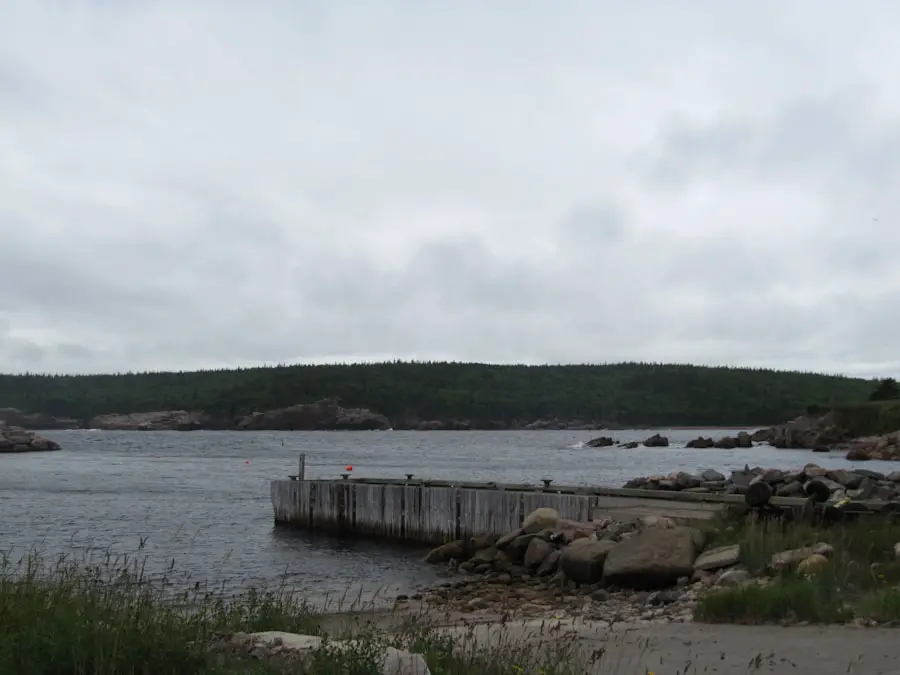
Monterey’s trails, beaches, coves, and recreation paths can be enjoyed throughout the year. The best season depends on the activity rather than one universal weather window.
Hiking and Wildflower Walks
Choose March through May for wildflowers and green hills. September and October are also excellent because trails are usually dry and coastal afternoons may be warmer. Winter hiking can be rewarding between storms, but muddy trails and temporary closures are possible.
Cycling and Waterfront Walks
The Monterey Bay Coastal Recreation Trail is usable year-round. Fall often offers the most comfortable combination of warmer weather and lighter crowds. Summer provides long daylight hours but can bring fog and heavier pedestrian traffic near Cannery Row.
Beach Visits
September and October are often the best months for sitting on the beach or taking a long coastal walk. Summer is dry but may be cool and overcast near the water. Winter beaches are quieter, although storms, high surf, and wind require more caution.
Kayaking
Guided kayaking is offered in several seasons, depending on wind and sea conditions. Morning departures can provide calmer water. Wear the safety equipment supplied by the outfitter and follow instructions about marine mammals, kelp, and restricted areas.
Surfing
Fall through spring generally brings stronger and more consistent surf. Summer conditions can be smaller and more suitable for some beginners, but Monterey County beaches vary greatly in exposure, currents, access, and hazards. New surfers should use a qualified local instructor rather than choosing a beach based only on appearance.
Best Time for Sightseeing and Cultural Events
The best sightseeing period is usually September or October because visitors can combine warmer coastal conditions with museums, historic sites, restaurants, and outdoor attractions. However, each season offers a different cultural advantage.
- Spring: Wildflowers, outdoor art events, and comfortable walking weather between showers.
- Summer: Full attraction schedules, Monterey Car Week, outdoor programs, and the largest crowds.
- Fall: Monterey Jazz Festival, food-and-wine events, monarch butterflies, and warmer coastal afternoons.
- Winter: Historic buildings, museums, aquarium visits, holiday programs, and a quieter waterfront.
The Monterey Bay Aquarium is an all-season attraction. It can be especially useful during summer fog or winter rain, but advance ticket purchases are wise during weekends, holidays, and school breaks.
Choosing the Best Time Based on Your Priorities
Products Worth Considering

Whale Marine Wildlife design.

Whale Watching design. MONTEREY BAY CALIFORNIA Whale Watching graphic Are you traveling to watch whales in California? Do you love Whales watching?
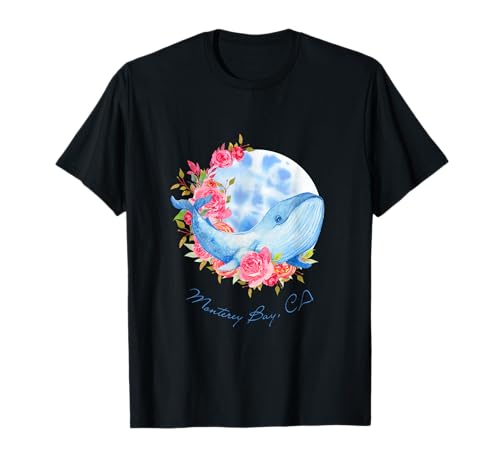
A mystical and artistic design featuring a majestic blue-whale surrounded by vibrant pink-rose blossom flowers, capturing the essence of California's coastal beauty
For the Warmest Coastal Weather
Choose September or October. These months often deliver the warmest and sunniest conditions near the immediate coast.
For Fewer Crowds and Better Value
Consider November through February outside holiday weekends. Some tours and businesses may operate reduced schedules, so confirm availability before traveling.
For Families
Summer offers the easiest school-break timing and long daylight hours. Pack warm layers and reserve lodging, aquarium tickets, and popular tours before arrival.
For Whale Watching
Visit in winter for southbound gray whales, spring for northbound gray whales and calves, or spring through fall for feeding humpback whales. Blue whales may appear offshore during summer.
For Wildflowers and Hiking
March through May is best for seasonal blooms. September and October are often better for reliably dry trails and warmer coastal afternoons.
For Festivals and Car Events
August and September offer the strongest event calendar. Expect higher hotel rates, road congestion, and limited parking during Monterey Car Week and festival weekends.
For Photography
Spring provides flowers and green hills, fall offers warmer light and clearer afternoons, and winter can produce dramatic skies after storms.
What to Pack for Monterey
Layering is useful during every month. A warm inland afternoon can become a cool, windy evening near the bay.
- A light fleece, sweater, or insulated layer.
- A wind-resistant outer layer.
- A compact rain jacket from late fall through spring.
- Comfortable walking shoes with dependable traction.
- Sun protection, including sunglasses and sunscreen.
- Binoculars for shore-based wildlife viewing.
- A warmer hat or extra layer for whale-watching trips.
Comfortable socks also help on long Cannery Row walks and coastal trails. Merino wool can manage moisture and remain comfortable in changing temperatures; this guide to Merino wool travel socks explains the material’s travel advantages.
Note: Before visiting Point Lobos, Garrapata, or Big Sur, check official park notices, weather, and Highway 1 conditions. Trail access, parking, road controls, and operating hours can change with little notice.
Products Worth Considering
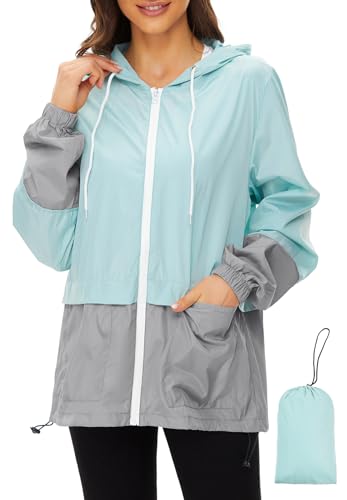
[Pack & Go Convenience] — Designed for convenience, this light rain jacket women is easy to fold and store, making it the perfect travel companion for travel, work, or spontaneous outings. Its compact design fits easily into backpacks or totes, so you're always prepared for unexpected weather. It provides better rain protection than a short rain jacket yet is more flexible than a long raincoat.
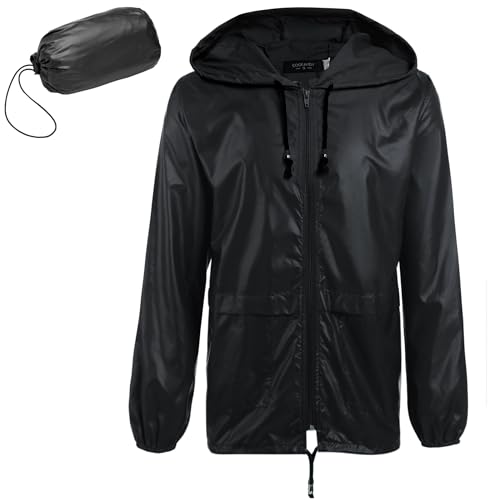
High quality special waterproof and windproof fabric offers a breathable and comfortable wear experience in any kinds of weather condition

[Pack & Go Convenience] — Designed for convenience, this light rain jacket women is easy to fold and store, making it the perfect travel companion for travel, work, or spontaneous outings. Its compact design fits easily into backpacks or totes, so you're always prepared for unexpected weather. It provides better rain protection than a short rain jacket yet is more flexible than a long raincoat.
Conclusion: Choosing the Ideal Time to Travel to Monterey
September and October provide the best overall balance of warm coastal weather, manageable crowds, outdoor access, and seasonal events. Spring is the better choice for wildflowers and northbound gray whales, while summer suits families and event travelers who are prepared for fog and higher demand.
Winter should not be overlooked. It offers quieter streets, southbound whale migration, aquarium-friendly weather, and possible lodging savings. No matter when you travel, pack layers, verify current conditions, and choose dates based on the activity that matters most to you.
Frequently Asked Questions
What is the best time to travel to Monterey, California?
September and October are usually the best overall months. Coastal weather is often warmer and sunnier than it is during midsummer, and crowds may decrease after the main school-vacation period.
What is Monterey’s weather like throughout the year?
Monterey has a mild coastal climate. Summer is generally dry but can be cool and foggy, early fall is often warmer and sunnier, winter is cooler and wetter, and spring gradually becomes drier with mild afternoons.
When is Monterey’s peak tourist season?
June through August is the main family-travel season. Demand can become especially high during Monterey Car Week in August and major festival weekends in September.
What months are best for whale watching in Monterey?
Gray whales travel south during winter and north from March through May. Humpback whales begin arriving around March and may remain through November, while blue whales may feed offshore during summer. Sightings vary with ocean conditions and food availability.
When can I see monarch butterflies near Monterey?
Monarchs generally arrive at Pacific Grove’s Monarch Grove Sanctuary in October and may remain through February. Their numbers and exact arrival timing vary each year.
Is summer warm enough for the beach in Monterey?
Summer is dry, but the immediate coast can remain cool and foggy. Beach walks and picnics are popular, although September and October often provide warmer coastal afternoons. The ocean remains cold throughout the year.
What are Monterey’s major annual events?
Major events include Monterey Car Week and the Pebble Beach Concours d’Elegance in August, the Monterey Jazz Festival in September, and food-and-wine events during spring and fall. Dates change by year, so confirm them with the organizer.
What should I wear in Monterey?
Wear layers in every season. Bring a sweater or fleece, a wind-resistant jacket, comfortable walking shoes, and sun protection. Add a rain shell for winter and spring and an extra warm layer for boat trips.
Sources
- See Monterey: Weather by the Seasons — seasonal temperatures, fog, rain, and Monterey County microclimates.
- Monterey Bay National Marine Sanctuary: Seasons in the Sanctuary — whale, sea otter, seal, sea lion, bird, and dolphin timing.
- California State Parks: Point Lobos State Natural Reserve — park access, trails, hours, fees, and visitor information.
- City of Pacific Grove: Monarch Grove Sanctuary — monarch season, sanctuary rules, and visitor information.
- Monterey Jazz Festival — official festival dates and event information.
- Caltrans Highway 1 Conditions — current closures, construction, traffic controls, and road updates.
