

Last Updated on July 28, 2026 by Daniel Globe
Belgium can be rewarding in every season, but the best time to visit depends on what you want from the trip. Spring brings flower displays and comfortable sightseeing weather, summer has the biggest festival calendar, early fall combines mild days with beer events and changing leaves, and winter turns historic city centers into Christmas-market destinations. Rain is possible all year, so timing your visit is more about temperature, crowds, and events than finding a truly dry season.
Quick Answer
For most travelers, May, June, and September offer the best balance of comfortable weather, long sightseeing days, and manageable crowds in Belgium. Choose April for spring flowers, July and August for major festivals, September for beer events and early fall scenery, or late November through December for Christmas markets.
Key Takeaways
- Best overall: May, June, and September are strong choices for city sightseeing and day trips.
- Best for flowers: April and early May bring major spring displays near Brussels and the limited annual opening of the Royal Greenhouses of Laeken.
- Best for festivals: July and August have a packed cultural and music calendar, but demand for accommodation can be high around major events.
- Best for beer and fall scenery: September and October combine cooler weather with beer events and autumn color.
- Best for Christmas markets: Late November and December offer festive city centers, lights, seasonal food, and winter events.
Disclosure: As an Amazon Associate I earn from qualifying purchases. Some links on this page are affiliate links, at no extra cost to you.
Spring in Belgium: Flowers, Mild Weather, and Fewer Peak-Season Crowds
Spring runs from March through May and is one of the most attractive times to explore Belgium. March can still feel chilly, but conditions generally become milder through April and May. Trees leaf out, gardens reopen, café terraces become more inviting, and daylight increases noticeably.
For flowers, Belgium has excellent alternatives to the famous Keukenhof gardens in the Netherlands. Floralia Brussels, held in the grounds of the Castle of Groot-Bijgaarden near Brussels, fills the park with tulips, daffodils, hyacinths, and other spring bulbs. In 2026, organizers planted more than one million bulbs for the spring exhibition.
Another major seasonal attraction is the Royal Greenhouses of Laeken. The glass-and-iron complex was designed beginning in the 19th century by architect Alphonse Balat and traditionally opens to the public for only about three weeks each spring. Because the opening period is short and reservations are required, it is worth checking dates early if this is a priority.
Pro Tip: For a spring trip built around flowers, aim for April or early May and check bloom conditions and attraction dates before booking. Flowering times shift with the weather from year to year.
Belgium Weather by Season
Belgium has a temperate oceanic climate. That means moderate temperatures, frequent cloud cover, and regular precipitation rather than a distinct wet and dry season. The Royal Meteorological Institute of Belgium uses 1991–2020 as its current standard climate-normal period.
At Uccle near Brussels, the normal average daytime maximum rises from about 6.1°C (43°F) in January to 23.2°C (74°F) in July. Showers can occur in every month, so a light waterproof layer is useful in any season.
| Season | Typical Experience | Crowd Level | Best For |
| Spring March–May |
Cool to mild, increasingly long days, showers possible | Low to moderate, rising around holidays | Flowers, gardens, city sightseeing, photography |
| Summer June–August |
Mild to warm, long daylight, occasional hot periods and thunderstorms | Highest around major destinations and festivals | Festivals, outdoor dining, cycling, long sightseeing days |
| Fall September–November |
Mild early, progressively cooler and darker, regular rain | Moderate, often lower after summer | Beer events, foliage, food, hiking |
| Winter December–February |
Cold, short daylight, rain and occasional snow or frost | Busy around Christmas events; quieter after New Year | Christmas markets, museums, cafés, winter atmosphere |
Summer: Festivals, Outdoor Dining, and Long Days
Summer is Belgium’s busiest festival season. June through August brings the year’s longest daylight hours, lively café terraces, concerts, cultural celebrations, and plenty of opportunities to explore Brussels, Bruges, Ghent, Antwerp, and smaller historic towns on foot.
Belgian summers are normally milder than the original article suggested. At Uccle, the 1991–2020 normal average daytime maximum is about 21.2°C (70°F) in June and 23.2°C (74°F) in July. Hotter spells above 30°C (86°F) do occur, but they should be treated as heat events rather than normal daily conditions.
One of the country’s best-known summer events is Tomorrowland at De Schorre in Boom. The 2026 festival took place over July 17–19 and July 24–26. Ghent’s enormous city festival, the Gentse Feesten, ran July 17–26 in 2026. Dates change annually, so check official calendars before arranging a trip around a specific event.
Summer is also ideal for outdoor dining. Belgian cities fill their squares and sidewalks with terraces where you can try dishes such as moules-frites, waffles, regional specialties, and Belgian beer. In the countryside, longer days make cycling, walking, boating, and day trips easier to fit into an itinerary.
Note: Accommodation demand can rise sharply around major festivals and European school-holiday periods. Check event dates before booking Brussels, Antwerp, Ghent, or Boom in July and August.
Fall: Colorful Foliage and Beer Festivals

September through November brings cooler weather, shorter days, and changing leaves. Early fall can be especially attractive because September retains relatively mild temperatures while the heaviest summer visitor period is ending.
The Ardennes are a strong choice for autumn walks and forest scenery. Cooler air can make hiking more comfortable than during a hot summer spell, while October often brings stronger foliage color. Conditions can also be wetter and cooler in Belgium’s higher southeastern regions, so waterproof footwear and layers are useful.
For beer enthusiasts, September is one of the standout months. The Belgian Beer Weekend brings breweries to Brussels’ Grand-Place. The 2026 event is scheduled for September 4–6 and features beers from producers across the country.
Fall also works well for travelers interested in Belgian food, historic cities, and countryside drives without building the entire trip around summer festivals. By November, however, temperatures and daylight drop noticeably, making indoor attractions more important.
Winter: Christmas Markets and a Cozy Atmosphere
Winter in Belgium is cold and often damp rather than reliably snowy. January’s normal average daytime maximum at Uccle is about 6.1°C (43°F), while frost and occasional snow are possible. The Ardennes generally have a greater chance of wintry conditions than Brussels or the coast.
December is an exception to the otherwise quieter winter travel season because Christmas markets and holiday events attract large crowds. Brussels’ Winter Wonders is one of the country’s largest seasonal celebrations. For 2026, the event is scheduled from November 27, 2026, through January 3, 2027, with more than 200 market chalets, an ice rink, rides, lights, and activities spread through the city center.
| Winter Trip Style | Best Timing | What to Expect |
| Christmas markets | Late November–December | Festive lights, seasonal food, markets, and higher weekend demand |
| Museums and city breaks | January–February | Short daylight, cold weather, and generally lighter leisure demand after the holidays |
| Carnival traditions | Before Lent | Historic celebrations including the UNESCO-listed Carnival of Binche |
Winter is also a good time to enjoy Belgian cafés, chocolate shops, breweries, museums, and historic interiors. Hot chocolate, waffles, pastries, and seasonal drinks feel particularly welcome after walking through a cold city center.
Weather Considerations: Rain, Temperature, and Regional Differences
Belgian weather is changeable, so no season guarantees sunshine. Official Belgian climate information describes the country as having a temperate oceanic climate with regular precipitation. A forecast that shows showers does not necessarily mean a full day of rain, but travelers should be prepared for quick changes.
Spring starts cool. At Uccle, the normal March average maximum is about 10.9°C (52°F), rising to about 18.4°C (65°F) in May. Summer is mild to warm on average, although heatwaves can push temperatures well above the normal range. September remains relatively mild before temperatures fall more quickly through October and November.
Products Worth Considering
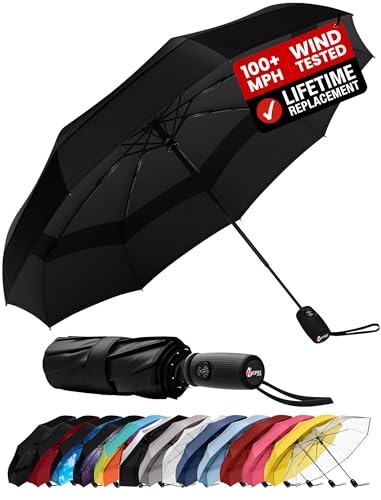
AWARD-WINNING WINDPROOF DESIGN: Engineered to outperform ordinary umbrellas, this compact folding umbrella withstands extreme conditions with reinforced fiberglass ribs, a vented canopy, and strong fabric. Tested to 100MPH, Repel is resistant to flipping and breaking where others fail. Portable and sturdy, it expands wide for large coverage against rain, UV light, and storms, making it the strongest and most dependable travel essential accessory or a classic gift

Upgraded Automatic Umbrella- Easy one hand operation with one auto open & close button, simply touch it to expand or collapse;

Durable Design to Windproof: This is Durable umbrella for men and women. The SY Compact umbrella have Black aluminum frame and 8 Fiberglass Ribs ensure resistance to wind gusts. Even when flipped inside out it will flip back without any damage.
Coast vs. Brussels vs. Ardennes
The North Sea moderates temperatures along Belgium’s coast, where wind can make conditions feel cooler. Brussels and central Belgium provide a useful middle-ground reference for national weather. The higher Ardennes in the southeast are generally cooler and can experience more wintry conditions than lower parts of the country.
Warning: Do not plan a Belgian trip around the assumption of a dry season. Carry a compact rain shell or umbrella even in summer, and check the Royal Meteorological Institute forecast before long outdoor days.
Off-Season Travel: Benefits and Drawbacks
January through early March is generally the quietest period for leisure travel after the Christmas and New Year celebrations. Visitors who care more about museums, food, architecture, and cafés than gardens or long outdoor days may enjoy the slower pace.
Lower demand can sometimes mean better accommodation availability than during major summer festivals, although prices vary by city, weekday, convention schedule, and special event. It is better to compare actual rates than assume winter automatically guarantees a bargain.
The drawbacks are weather and daylight. Cold rain, wind, frost, or occasional snow can limit long walking days. Some seasonal attractions close or reduce their schedules, and gardens will not offer the displays found in spring or summer.
Winter is not empty of cultural experiences. The UNESCO-listed Carnival of Binche takes place in the days leading up to Lent and is one of Belgium’s most distinctive traditional celebrations. Aalst also continues its well-known carnival, although travelers should note that UNESCO removed Aalst Carnival from its Representative List in 2019.
Special Events and Festivals Throughout the Year
Belgium’s festival calendar can be a deciding factor when choosing travel dates. Exact dates change, so always confirm with the organizer before booking transportation or accommodation.
| Period | Event | Why Go |
| February/March | Carnival of Binche | Centuries-old carnival traditions recognized by UNESCO |
| April–early May | Floralia Brussels and Royal Greenhouses | Spring flowers, gardens, and historic glasshouse architecture |
| May | Brussels Jazz Weekend | Free concerts across Brussels; the current event replaced the former Brussels Jazz Marathon |
| July | Tomorrowland and Gentse Feesten | Major music, performance, nightlife, and cultural programming |
| Mid-August, every two years | Brussels Flower Carpet | A huge temporary floral artwork covering the Grand-Place; the 2026 edition runs August 13–16 |
| Early September | Belgian Beer Weekend | Breweries and hundreds of Belgian beers in central Brussels |
| Late November–December | Winter Wonders and other Christmas markets | Holiday lights, markets, seasonal food, rides, and festive city centers |
The Brussels Flower Carpet deserves special attention because it is not an annual event. It normally appears every two years around August 15. The 2026 edition runs from August 13 to 16 and features a Japan-inspired design based on Hokusai’s The Great Wave off Kanagawa, created with hundreds of thousands of flowers including dahlias.
Choosing the Best Time for Your Interests: Food, Culture, and Outdoor Activities
Products Worth Considering

BEER TASTING SCORECARDS: 25 tasting mats for ranking beer flights, craft beers, IPAs, ales, lagers, and blind tasting picks at home, breweries, BBQs, and parties

THE LIFE OF THE PARTY: Great beer can often become the focal point of a party, so why not show it off on this drink holder! Have every option available for your guests to see, all on one board.

CRAFT BEER TASTING LOGBOOK - There has never been a better time to experience craft beer, we literally have access to beer from all over the world. Keep tasting & start logging.
Best Time for First-Time Visitors
May, June, and September are the easiest months to recommend to first-time visitors. They generally provide enough daylight for full sightseeing days without requiring you to plan entirely around winter cold or the largest summer events.
Best Time for Food and Beer
Belgian food is available year-round, but September is especially attractive for beer-focused travel because of Belgian Beer Weekend and other brewery events. Winter also suits travelers who enjoy hearty meals, chocolate, waffles, cafés, and atmospheric indoor dining.
Best Time for Culture and Festivals
May through August has the densest large-event calendar. Brussels Jazz Weekend usually falls in May, while July brings Tomorrowland and Gentse Feesten. The biennial Brussels Flower Carpet adds another major reason to visit in participating August years.
Best Time for Hiking and Cycling
Late April through June and September through early October are excellent periods for active trips. Temperatures are usually more comfortable than during winter, while the risk of a summer hot spell is lower. The Ardennes are particularly appealing for walking, and Belgium’s flatter northern regions work well for cycling.
Best Time for Fewer Crowds
January, February, early March, and parts of November are usually calmer outside special events. April and October can also provide a useful shoulder-season compromise, though Easter, school holidays, conferences, and local festivals can temporarily increase demand.
Best Time for Christmas Markets
Travel from late November through December for the strongest holiday atmosphere. Brussels is the largest draw, but Bruges, Ghent, Antwerp, Leuven, and other Belgian cities also hold seasonal events. Check the year’s official calendar because opening dates vary.
Belgium Month-by-Month Planning Guide
| Months | What to Expect | Best Choice For |
| January–February | Cold, short days, quieter post-holiday travel, occasional frost or snow | Museums, cafés, architecture, carnival season |
| March | Early spring but still cool and changeable | Lower-season sightseeing |
| April | Milder days, spring flowers, showers possible | Gardens, photography, spring city breaks |
| May–June | Comfortable temperatures and long daylight | Best all-around sightseeing period |
| July–August | Warmest period, long days, major festivals, higher demand | Music festivals, nightlife, outdoor dining |
| September | Mild early fall weather and fewer summer vacationers | Beer events, food, sightseeing, active trips |
| October–November | Cooling weather, foliage followed by shorter and darker days | Autumn scenery and quieter city breaks |
| December | Cold weather, short days, Christmas markets and festive lighting | Holiday atmosphere and winter city breaks |
What to Pack for Belgium by Season
Belgium’s changeable weather rewards flexible packing more than a highly specialized wardrobe.
- Spring: Bring light layers, a waterproof outer shell, comfortable walking shoes, and a warmer layer for evenings.
- Summer: Pack light clothing but keep a rain layer and a thin sweater or jacket. Add sun protection for long outdoor days.
- Fall: Use layered clothing, water-resistant footwear, and a rain jacket. A warmer mid-layer becomes increasingly useful in October and November.
- Winter: Bring a warm coat, insulating layers, gloves, and shoes that handle wet pavement comfortably.
Pro Tip: Pack for the forecast rather than the calendar. Belgian weather can shift quickly, and a cool, rainy July day or unusually warm spring afternoon is entirely possible.
Products Worth Considering

High quality special waterproof and windproof fabric offers a breathable and comfortable wear experience in any kinds of weather condition
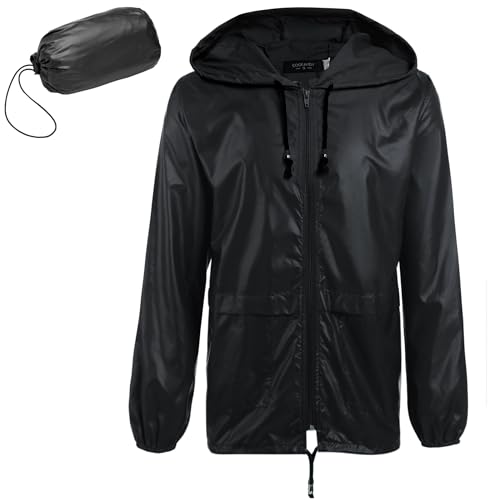
High quality special waterproof and windproof fabric offers a breathable and comfortable wear experience in any kinds of weather condition

High quality special waterproof and windproof fabric offers a breathable and comfortable wear experience in any kinds of weather condition
Frequently Asked Questions
What is the best time to travel to Belgium?
May, June, and September are the best all-around months for many travelers because they combine comfortable sightseeing weather with long enough days and fewer peak-summer pressures. April is excellent for flowers, while late November and December are best for Christmas markets.
What is the weather like during the best time to visit Belgium?
Late spring and early fall are generally mild, but Belgium has a temperate oceanic climate and rain can occur throughout the year. Pack layers and a light waterproof outer layer even when visiting in May, June, or September.
Which major festivals take place in Belgium?
Major events include the Carnival of Binche before Lent, Brussels Jazz Weekend in May, Gentse Feesten and Tomorrowland in July, the biennial Brussels Flower Carpet in August, Belgian Beer Weekend in September, and Christmas markets beginning in late November. Dates should be verified each year.
Which Belgian attractions are especially popular in warmer months?
Brussels’ Grand-Place, historic Bruges, Ghent, Antwerp, the Belgian coast, and the Ardennes all attract warmer-season visitors. Spring also brings seasonal attractions such as Floralia Brussels and the Royal Greenhouses of Laeken.
When should I visit Belgium to avoid crowds?
January through early March and parts of November are generally quieter outside special events. April and October can also work well as shoulder-season months. For popular places such as Bruges, visiting on weekdays and starting early in the day can further reduce crowd pressure.
Is Belgium worth visiting in winter?
Yes. Late November and December are excellent for Christmas markets and festive city centers, while January and February suit museum, food, architecture, and café-focused trips. The tradeoff is colder weather and much shorter daylight.
Does Belgium have a dry season?
No. Belgium receives regular precipitation throughout the year, so no month guarantees dry weather. Rather than choosing dates solely to avoid rain, plan around temperature, daylight, crowd levels, and the events you want to attend.
Sources
- Royal Meteorological Institute of Belgium — official Belgian climate normals and long-term weather context.
- Royal Greenhouses of Laeken — official information on the spring public opening and greenhouse complex.
- Tomorrowland Belgium — official festival location and annual dates.
- Brussels Flower Carpet — official biennial Flower Carpet schedule and event details.
- Belgian Beer Weekend — official dates and brewery information for the Brussels beer festival.
- City of Brussels — Winter Wonders — official Christmas market dates, attractions, and practical information.
