
Last Updated on September 10, 2026 by Daniel Globe
The Philippines combines 7,641 islands, lively cities, mountain landscapes, coral reefs, cultural festivals, and more than 112 million residents. Its size and geography also mean that no single weather rule applies everywhere. Choosing the best time to visit depends on the islands you plan to see, the activities you want to do, your budget, and your tolerance for heat or rain.
Quick Answer
For most travelers, the best time to visit the Philippines is January or February, when many popular beach and city destinations are drier, less humid, and cooler than in March through May. December through April is the broadest beach window, but rainfall varies sharply by region, so check the forecast for each island.
Key Takeaways
- Best overall months: January and February offer a useful balance of cooler temperatures, lower humidity, and relatively dry weather in many popular destinations.
- Best broad beach window: December through April is usually favorable for Boracay, much of Palawan, Cebu, Bohol, and many western destinations.
- Hottest period: March through May is generally hot and humid, with May being the warmest month by national average.
- Broad rainy season: June through November brings more rain, particularly to western sections affected by the southwest monsoon.
- Highest cyclone concern: July through October is the peak tropical-cyclone period, although storms can develop in other months.
- Regional differences matter: Eastern destinations may be rainy during months that are relatively dry in western parts of the country.
Disclosure: As an Amazon Associate I earn from qualifying purchases. Some links on this page are affiliate links, at no extra cost to you.
Best Time to Visit the Philippines by Month
The following table gives a broad national overview. It is a planning guide, not a guarantee for every destination. Always check a local forecast before flights, ferries, hikes, dives, and island-hopping tours.
| Month | Typical Pattern | Good For | What to Consider |
|---|---|---|---|
| January | Cool-dry in many western areas | Beaches, hiking, city trips, Sinulog | Eastern coasts can still be rainy; festival destinations are busy |
| February | Cooler and relatively dry in many destinations | Island hopping, trekking, cycling, Panagbenga | Book early in popular beach and festival areas |
| March | Hotter and often dry in western regions | Beaches, diving, snorkeling, outdoor tours | Midday heat becomes stronger |
| April | Hot and commonly dry in many tourist areas | Beach vacations and marine activities | Holy Week can produce major crowds, traffic, and higher demand |
| May | Very hot, with increasing thunderstorms | Pahiyas Festival and trips with flexible schedules | The rainy-season transition may begin at different times |
| June | Rain increases in many western areas | Lower crowds, green scenery, selected dive trips | Ferry and outdoor plans need flexibility |
| July | Wet in many areas; cyclone activity increases | Budget trips, food, museums, and flexible city stays | Heavy rain, rough seas, floods, and cancellations are possible |
| August | Southwest-monsoon rain can be frequent in western sections | Lower-demand travel and region-specific activities | Keep buffer days between islands |
| September | Often wet; within the cyclone peak | Travelers prioritizing lower crowds over predictable weather | Avoid rigid island-to-island schedules |
| October | Transition month, but cyclone risk remains significant | Cultural trips and flexible itineraries | Conditions can change quickly |
| November | Transition toward the northeast monsoon | Early dry-season trips in some western destinations | Eastern areas can receive substantial rain |
| December | Cool-dry period begins nationally | Beaches, family holidays, hiking, and city trips | Christmas and New Year increase demand and prices |
Note: A “dry-season” month can still bring showers, thunderstorms, rough seas, or prolonged rain in a particular province. Compare forecasts for each destination rather than relying only on a national calendar.
Weather and Climate Overview
The Philippines has a tropical maritime climate with warm temperatures, high humidity, and abundant rainfall. According to the Philippine Atmospheric, Geophysical and Astronomical Services Administration, the country has two broad seasons:
- Rainy season: June through November
- Dry season: December through May
The dry season is further divided into a cool-dry period from December through February and a hot-dry period from March through May. January is generally the coolest month by national average, while May is the warmest. Mountain destinations such as Baguio, Banaue, and Sagada can be much cooler than lowland and coastal areas because elevation has a strong effect on temperature.
The best nationwide rule is December through May for broadly drier conditions, but the best destination-specific rule is to check that island’s local rainfall pattern.
Why Weather Differs by Region
Rainfall is not evenly distributed across the archipelago. PAGASA recognizes four broad climate types:
- Type I: A distinct dry period and a pronounced wet season, common in many western sections.
- Type II: No true dry period, with especially heavy rainfall during part of the northeast-monsoon season. This pattern affects several eastern areas.
- Type III: Less pronounced seasons, with only a short dry period.
- Type IV: Rainfall distributed relatively evenly throughout the year.
This difference explains why a December trip can be sunny in Boracay or western Palawan but rainy on an exposed eastern coast. Mountain ranges, wind direction, monsoons, and local geography all influence the result.
Amihan, Habagat, and Tropical Cyclones
Amihan, the northeast monsoon, generally brings cooler air. It can produce pleasant conditions in many western destinations while bringing rain to parts of the eastern Philippines. Habagat, the southwest monsoon, brings warm, moisture-rich winds and can cause frequent rain over western sections from around May or June into the rainy season.
PAGASA reports that an average of about 20 tropical cyclones enter the Philippine Area of Responsibility each year, with roughly eight or nine crossing the country. The peak period is July through October, when nearly 70% of typhoons develop. Cyclones can also occur outside those months.
Warning: Heavy rain, gale warnings, floods, landslides, storm surge, and rough seas can interrupt flights, ferries, dives, and island-hopping tours. Check current PAGASA forecasts and warnings, follow local authorities, and never pressure a boat operator to depart in unsafe conditions.
Best Time to Visit for Beach Lovers

For many beach travelers, December through April is the most dependable broad window. Destinations such as Boracay, El Nido, Coron, Cebu, and Bohol often have better conditions for swimming, snorkeling, sunbathing, and island hopping during this period.
January and February are especially attractive because they are usually cooler than March, April, and May. March and April can still provide excellent beach weather, but heat and humidity become more intense. April may also be extremely busy during Holy Week.
Calm seas are never guaranteed. Wind direction, local thunderstorms, tropical systems, and marine warnings can change conditions even on a sunny day. Some eastern islands also receive significant rain during the northeast monsoon, so the national dry-season label should not replace a local forecast.
Boracay’s White Beach offers swimming, sailing, water sports, dining, and evening entertainment. Palawan’s El Nido and Coron are known for limestone scenery, lagoons, reefs, and island-hopping routes. Cebu and Bohol combine beaches with diving, heritage sites, waterfalls, and cultural attractions.
Pro Tip: For pleasant temperatures without the most intense hot-season weather, target late January or February. Avoid building a tight same-day connection between an island ferry and an international flight.
Ideal Time for Outdoor Adventures
| Activity | Ideal Time | Planning Note |
|---|---|---|
| Hiking | December to February, early morning | Check trail closures, rain, wind, and local guide requirements |
| Camping | December to February | Confirm permits, overnight temperatures, and fire rules |
| Cycling | Cool-dry months, early morning or late afternoon | Avoid midday heat and carry water |
| Kayaking | December to April in many western destinations | Wind, tides, and marine advisories matter more than the calendar |
| Rock Climbing | Cooler, drier days | Wet rock can be unsafe; use qualified local operators |
| Caving | Drier months | Do not enter caves during heavy rain or flood risk |
| Scuba Diving | Varies by dive site | Visibility, currents, wind, and protected-area rules determine the best window |
The cool-dry period is often comfortable for trekking in highland areas such as Banaue, Sagada, Benguet, and other parts of the Cordillera. Lower humidity and reduced midday heat can make long walks more manageable, but mountain weather can change quickly.
The Rice Terraces of the Philippine Cordilleras are a living agricultural landscape shaped by Ifugao communities. Their appearance changes with planting, growing, harvesting, and field preparation. Ask a local tourism office or accommodation provider about current crop conditions rather than assuming the terraces will be bright green during one fixed month.
Zip-lining, caving, cycling, and climbing can also be more comfortable during cooler weather. However, dry conditions do not remove the need for local permits, guides, safety equipment, and weather checks.
Best Time for Diving and Snorkeling
Many popular dive destinations have favorable conditions during the broader dry season, but there is no single nationwide diving calendar. Visibility, currents, wind, marine life, and local conservation rules vary by site.
Tubbataha Reefs Natural Park is an important exception. It is generally accessible by liveaboard from mid-March to mid-June, when conditions allow vessels to reach the remote park. Demand is high and spaces often need to be reserved well in advance. Divers should use permitted operators and follow the Tubbataha Management Office’s tourism guidance.
Best Time for Surfing
There is no single Philippine surf season because different coasts respond to different wind and swell directions. Siargao is the country’s best-known surfing destination, but conditions at Cloud 9 and other breaks vary by tide, swell, experience level, and weather. Confirm current conditions with a reputable local surf school instead of choosing a month from a nationwide weather chart.
Festivals and Cultural Events
The Philippines hosts religious, agricultural, historical, and cultural celebrations throughout the year. Major festivals can be a highlight of a trip, but they also increase demand for transportation and accommodation.
| Event | Location | Usual Timing | What to Expect |
|---|---|---|---|
| Sinulog | Cebu City | Third Sunday of January | Religious observances, street performances, costumes, and large crowds |
| Ati-Atihan | Kalibo, Aklan | January | Street dancing, music, religious devotion, and busy transport routes |
| Panagbenga | Baguio City | February | Flower displays, parades, performances, and heavy weekend traffic |
| Moriones | Marinduque | Holy Week | Lenten rites, masked participants, processions, and limited peak-period availability |
| Pahiyas | Lucban, Quezon | May 15 | Homes decorated with colorful kiping, produce, flowers, and harvest displays |
Sinulog honors the Santo Niño and is held on the third Sunday of January. Pahiyas honors San Isidro Labrador on May 15 and is known for homes decorated with colorful leaf-shaped rice wafers called kiping. Festival programs and traffic arrangements can change, so check the current schedule before booking.
Off-Peak Travel: Pros and Cons
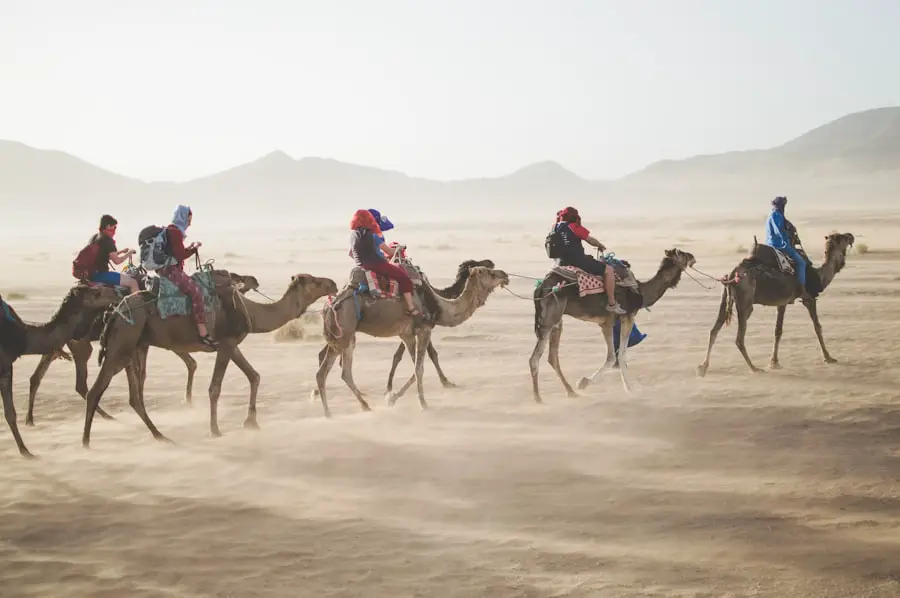
Traveling during lower-demand or wetter periods can provide a different experience from the busy dry season. It may suit travelers who value flexibility and lower crowds more than predictable beach weather.
Advantages of Off-Peak Travel
- Hotels and tours may offer promotions when demand is lower.
- Popular attractions may feel less crowded outside holidays and festivals.
- Rain can make forests, hills, waterfalls, and farmland look greener.
- Short rain showers may leave long periods available for food, cultural, or city activities.
- It may be easier to arrange last-minute accommodation in some destinations.
Disadvantages of Off-Peak Travel
- Heavy rain can cancel island-hopping, diving, hiking, and ferry trips.
- Rough seas can affect small boats and inter-island transportation.
- Flooding and landslides can close roads or trails.
- Some seasonal operators may reduce schedules.
- A rigid multi-island itinerary can become stressful when transport is delayed.
Lower prices are not guaranteed. Demand may still be high during school holidays, long weekends, local festivals, conferences, or special events.
Note: Wet-season travel works best when you stay several nights in each destination, use changeable reservations, and keep at least one unscheduled buffer day before an important flight.
Tips for Traveling During Peak Season
Peak demand is common from December through April, especially around Christmas, New Year, Holy Week, school breaks, and major festivals. Preparation can reduce cost and inconvenience.
- Reserve early: Book popular hotels, ferries, domestic flights, and tours well before holiday periods.
- Check cancellation terms: Weather can affect marine tours even during the dry season.
- Confirm transportation: Review ferry departure points, baggage rules, transfer times, and terminal locations.
- Choose quieter hours: Visit popular viewpoints, beaches, and heritage sites early in the morning when practical.
- Avoid tight connections: Do not rely on a ferry arriving exactly on time before an international departure.
- Respect carrying-capacity rules: Use accredited operators and follow local environmental restrictions.
- Monitor festival road closures: Major events can change traffic routes and public-transport access.
What to Pack for Each Season
For the Cool-Dry Period
- Light, breathable daytime clothing
- A thin jacket or sweater for mountain areas, ferries, and air-conditioned transport
- Sun protection, including a hat and reef-conscious sunscreen
- Comfortable walking shoes or hiking footwear
- A reusable water bottle
- A compact rain layer because showers remain possible
For the Hot-Dry Period
- Loose, quick-drying clothing
- Strong sun protection
- Extra drinking water or oral rehydration supplies for long outdoor days
- A dry bag for boats and beach transfers
- Sandals plus secure footwear for rough trails
- A plan to avoid strenuous activity during the hottest part of the day
For the Rainy Period
- A lightweight waterproof jacket or poncho
- A waterproof phone pouch and dry bags
- Quick-drying clothes and an extra set kept inside waterproof luggage
- Shoes with dependable grip
- Insect repellent
- Backup power and offline copies of reservations
- Travel insurance that clearly explains weather-delay and cancellation coverage
How to Choose the Best Month for Your Trip
- List your main destinations. Weather in western Palawan may differ from weather on an eastern coast during the same week.
- Choose your priority activity. Beach trips, highland hikes, surf travel, festivals, and remote diving expeditions have different ideal windows.
- Decide how much rain risk you accept. Travelers with fixed dates may prefer the dry season, while flexible travelers may benefit from lower-demand months.
- Check holiday and festival dates. These can affect flight prices, hotel supply, road traffic, and tour availability.
- Review historical climate, then check the forecast. Seasonal averages help with planning, but short-range forecasts guide daily decisions.
- Add buffer time. Allow extra time before long-haul flights, cruises, weddings, or other fixed events.
Conclusion: Finding the Best Time for Your Philippines Adventure
The best time to visit the Philippines depends on where you are going and what you want to do. For the widest range of beach, city, and outdoor activities, January and February are strong all-around choices. December through April offers a broader window for many western and central destinations, while March through May is better suited to travelers who tolerate intense heat.
June through November should not be dismissed automatically. These months can offer greener landscapes, fewer visitors, and better availability, but they require flexible reservations and careful weather monitoring. July through October deserves the most caution because it overlaps with the peak tropical-cyclone period.
Plan by destination rather than treating the archipelago as one weather zone. With regional research, realistic expectations, and enough schedule flexibility, the Philippines can provide rewarding beach, cultural, diving, hiking, and city experiences throughout the year.
Frequently Asked Questions
What is the best time to travel to the Philippines?
January and February are the best all-around months for many travelers because temperatures are generally cooler and numerous western and central destinations are relatively dry. December through April is the broader recommended window for beach vacations, although local rainfall patterns vary.
What is the weather like during the Philippine dry season?
The broad dry season runs from December through May. December through February is usually cooler, while March through May is hotter and often more humid. Dry-season conditions are more distinct in some western regions than in eastern areas that receive rain from the northeast monsoon.
Are there months to avoid when visiting the Philippines?
No month must be avoided nationwide, but July through October has the highest tropical-cyclone concern. Travelers using ferries, small boats, mountain roads, or tightly scheduled domestic flights should be especially cautious and maintain flexible plans during that period.
Which Philippine destinations are popular during the dry season?
Boracay, Palawan, Cebu, Bohol, and many destinations in western Luzon and the Visayas are popular during the broader dry-season window. Conditions can still vary by island, so review the local forecast before booking marine activities.
Which cultural events take place during the dry season?
Major events include Sinulog in Cebu on the third Sunday of January, Ati-Atihan in Kalibo in January, Panagbenga in Baguio in February, and Moriones in Marinduque during Holy Week. Festival dates and programs should be confirmed before travel.
Is it worth visiting the Philippines in July or August?
Yes, provided you accept rain risk and build flexibility into the trip. July and August may offer lower crowds and greener scenery, but southwest-monsoon rain, rough seas, floods, and transport cancellations can affect western destinations.
When is the cheapest time to visit the Philippines?
Lower-demand periods during the rainy season may provide hotel or tour promotions, but there is no guaranteed cheapest month. Prices also depend on local festivals, school breaks, long weekends, conferences, routes, and how early you book.
Can a typhoon affect a trip during the dry season?
Yes. Tropical cyclones are most common from July through October, but they can occur in other months. Local thunderstorms, monsoons, and rough-sea warnings can also disrupt travel without a named typhoon.
Sources
- PAGASA: Climate of the Philippines — national seasons, temperature, humidity, rainfall, and regional variation.
- PAGASA: Tropical Cyclone Information — cyclone frequency and the July-to-October peak period.
- Philippine Department of Tourism: Island Hopping — the official count of 7,641 islands.
- Philippine Department of Tourism: Cebu Province — Sinulog timing and Cebu attractions.
- Philippine Department of Tourism: Quezon — Pahiyas timing and kiping decorations.
- Tubbataha Reefs Natural Park: Tourism — permitted operators and travel guidance for the protected dive destination.
