
Last Updated on July 28, 2026 by Daniel Globe
Canada changes dramatically with the seasons, so there is no single perfect month for every trip. For most first-time visitors, late June through September offers the widest choice of road trips, national parks, hiking, festivals, and city sightseeing. Spring and fall can bring fewer crowds and distinctive scenery, while winter is best for skiing, skating, and northern-lights trips.
Quick Answer
The best time to travel to Canada for most visitors is June through September, when days are long and most major outdoor attractions are accessible. September is especially appealing for cooler weather and early fall color. Visit December through March for skiing, March and April for maple season, and late September into October for fall foliage.
Key Takeaways
- June through September gives first-time visitors the broadest mix of parks, road trips, festivals, and warm-weather activities.
- September and early October are strong choices for cooler hiking weather and fall scenery, although peak foliage varies by region and elevation.
- December through March suits skiing and other snow sports, while natural skating surfaces remain dependent on safe ice conditions.
- March and April are prime maple-syrup months in Québec and Ontario.
- Canada is too large for one national weather forecast. Always check the exact city, park, elevation, and region you plan to visit.
Canada Travel Seasons at a Glance
| Best overall | June through September for the widest choice of outdoor activities, road trips, parks, and festivals. |
| Best shoulder season | May, September, and early October, depending on the region. Expect more variable weather and some seasonal closures. |
| Best for fall colors | Generally late September through October in many southern destinations, with timing varying by latitude, elevation, and weather. |
| Best for skiing | Usually December through March, with some high-elevation western resorts operating longer when snow conditions allow. |
| Best for maple season | March and April in major maple-producing areas of Ontario and Québec. |
| Best for Yukon northern lights | Mid-August to mid-April offers dark enough nights, although clear skies and solar activity are still required. |
Disclosure: As an Amazon Associate I earn from qualifying purchases. Some links on this page are affiliate links, at no extra cost to you.
Spring in Canada: Blossoms, Maple Season, and Changing Weather
Spring arrives at very different speeds across Canada. Vancouver and Victoria can feel mild while mountain parks and northern communities are still dealing with snow. The Government of Canada notes that spring is a transition season with substantial regional variation, so it is better to check local forecasts than rely on one national temperature range. Historical averages for individual destinations are available through Environment and Climate Change Canada’s 1991–2020 Climate Normals.
Vancouver is one of the country’s signature spring destinations because of its flowering cherry trees. The Vancouver Cherry Blossom Festival ran from March 27 through April 17 in 2026, with walks, cultural programs, arts events, and blossom-viewing activities around the city.
Spring is also maple season in eastern Canada. Sugar bushes in Ontario and Québec come alive as freeze-thaw conditions allow maple sap to flow. Visitors can tour sugar shacks, watch syrup production, eat pancakes and maple taffy, and attend seasonal festivals. Most traditional sugar-shack activity is concentrated in March and April.
Ontario’s Niagara region also starts waking from winter during spring as vineyards enter a new growing season. In cities and lower-elevation areas, hiking and cycling become increasingly comfortable as temperatures rise.
Note: Do not assume the Canadian Rockies are fully in summer hiking condition just because cities are enjoying spring weather. Snow, mud, avalanche terrain, wildlife restrictions, and temporary closures can remain on high-elevation routes well into late spring or early summer. Check official park trail conditions before setting out.
Spring is also rewarding for birdwatching as migratory species return to wetlands, forests, and urban parks. For travelers who prefer cooler conditions and do not need every alpine trail to be open, May can be an appealing compromise between winter and peak summer.
Summer in Canada: Outdoor Adventure and Festivals
Summer is the easiest season for a first trip that combines cities, national parks, lakes, and road travel. Government guidance describes June through September as Canada’s summer period, with daytime temperatures commonly reaching 20°C to 30°C (68°F to 86°F) or higher in many populated southern areas. Conditions can still be much cooler along the coasts, in the mountains, and in northern Canada.
Long daylight hours make June, July, and August especially useful for hiking, camping, paddling, wildlife viewing, and scenic drives. National parks such as Banff, Jasper, Yoho, and Kootenay are at their busiest when major trails and visitor services are operating.
Lake Louise is a classic summer stop for lakeside walks and paddling, but mountain access is not something to leave until arrival. Popular parking, shuttles, campgrounds, and activities may require planning well ahead. Parks Canada recommends checking reservations, parking, services, and restrictions before a visit.
Pro Tip: For 2026 trips, the Parks Canada Canada Strong Pass provides free admission and 25% off eligible camping and overnight stays from June 19 through September 7, 2026. Popular campgrounds, shuttles, and accommodations can still fill, so reserve early where bookings are required.
Major Summer Festivals in 2026
- Toronto Jazz Festival: June 19–28, 2026, with free and ticketed performances across Toronto.
- Festival International de Jazz de Montréal: June 25–July 4, 2026, centered on Montréal’s Quartier des Spectacles.
- Calgary Stampede: July 3–12, 2026, with rodeo competition, the Stampede Parade, concerts, agricultural attractions, and evening entertainment.
- Toronto Caribbean Carnival: events run throughout the summer, culminating in the 2026 Grand Parade on August 1. The celebration was historically known as Caribana.
These events make summer particularly attractive to travelers who want nightlife and cultural programming in addition to outdoor sightseeing.
Fall in Canada: Foliage, Hiking, and Harvest Season
As summer fades, forests across many parts of Canada turn red, orange, gold, and yellow. The Laurentians in Québec, Muskoka and Algonquin country in Ontario, and Cape Breton in Nova Scotia are especially well known for autumn scenery.
Peak color is not fixed to one national week. Northern and high-elevation areas often change first, while southern and coastal areas may peak later. Late September through early October is a useful general target for many inland destinations, but travelers should check local foliage reports shortly before the trip.
The Cabot Trail in Nova Scotia is a standout fall drive, wrapping around Cape Breton Highlands through coastal and mountain scenery. Ontario and Québec also offer extensive driving and hiking routes through maple and mixed forests.
Fall is harvest season as well. Farmers’ markets fill with apples, pumpkins, squash, and other seasonal produce. Wine regions such as Ontario’s Niagara Peninsula and British Columbia’s Okanagan Valley are active during grape harvest.
The Niagara Grape & Wine Festival schedules major fall programming in September. In 2026, its Montebello Park festival weekend runs September 25–27, with the Grande Parade on September 26 and additional winery programming earlier in the month.
For many travelers, September is Canada’s sweet spot: summer services are still available in many destinations, temperatures are generally more comfortable for hiking, and autumn color begins to appear in colder regions.
Winter in Canada: Skiing, Skating, and Snow
| Winter experience | Typical planning window | What to know |
| Skiing and snowboarding | December–March | Exact opening and closing dates depend on resort elevation, snowfall, and weather. |
| Rideau Canal skating | Usually January–early March | The natural ice surface opens only when conditions are safe. |
| Yukon northern lights | Mid-August–mid-April | Clear, dark skies and solar activity determine visibility; no sighting is guaranteed. |
Winter transforms much of Canada into a snow-sports destination. Whistler Blackcomb in British Columbia, the mountain resorts of Alberta, and Mont-Tremblant in Québec attract skiers and snowboarders from around the world.
Winter weather varies dramatically. Vancouver often receives rain at low elevation while inland cities can experience prolonged sub-zero temperatures, and northern communities can be much colder. Proper boots, insulated layers, gloves, and a warm hat are essential for extended outdoor sightseeing.
Ottawa’s Rideau Canal Skateway is a famous winter attraction. When conditions allow, the naturally frozen rink extends 7.8 kilometres through the capital. Its season typically runs from January to early March, but opening, partial closures, and the end of the season are entirely weather-dependent.
Winter festivals add another reason to embrace the cold. Québec City celebrates winter with outdoor events, while Ottawa–Gatineau hosts Winterlude. In 2026, Winterlude ran from January 30 through February 16.
Warning: Never assume a frozen lake, river, or canal is safe because other people are on it. Use designated skating areas and follow official opening and closure notices.
Visiting Canada in March: Maple Syrup and Late-Winter Activities
March sits between winter and spring, and that transition creates one of eastern Canada’s most distinctive seasonal traditions: maple syrup production. As daytime temperatures climb above freezing while nights remain cold enough to freeze, sap begins moving through sugar maples.
Québec sugar shacks are particularly famous, and most operate during March and April. Ontario also hosts a large range of maple events. In 2026, examples included the Sugarbush Maple Syrup Festival at Bruce’s Mill Conservation Area and the Kortright Centre, along with maple events around Mississauga, Grey County, Muskoka, and other regions.
March can also provide late-winter skiing and skating, but conditions become less predictable as temperatures rise. The Rideau Canal and other natural ice surfaces may close temporarily or for the season with little notice. Refrigerated city rinks follow their own schedules.
For travelers who want snow, maple culture, and longer daylight without the deepest part of winter, March can be an excellent choice—provided the itinerary remains flexible.
Visiting Canada in June: Festivals, Markets, and Long Days
June marks the start of Canada’s main summer travel season. Days are long, city patios and markets become active, and lower-elevation hiking conditions are usually much more dependable than in early spring.
Toronto’s 2026 Jazz Festival runs June 19–28. Montréal follows with the Festival International de Jazz de Montréal from June 25 through July 4, bringing hundreds of performances to the city’s central entertainment district.
June is also a good month for food markets. Toronto’s St. Lawrence Market operates throughout the year, while its Saturday Farmers Market brings growers and food producers into the market district.
Travelers heading into mountain parks should still check conditions rather than assuming every alpine route is snow-free. High-elevation snow can remain after city temperatures have turned summery.
Visiting Canada in September: Wine Harvest and Early Fall Colors
September bridges summer and fall and is one of the strongest all-around months for a Canadian trip. In many southern destinations, days remain comfortable enough for hiking and road trips, while summer demand begins to ease after the main school-holiday period.
Wine regions are especially active. In Ontario’s Niagara Peninsula, wineries enter harvest season and the Niagara Grape & Wine Festival holds September events, tastings, food programs, live music, and its Grande Parade. British Columbia’s Okanagan Valley is another major wine destination during harvest.
Fall color begins earlier in colder and higher areas. The Canadian Rockies can develop golden larch color in September, while many maple-heavy landscapes in Ontario, Québec, and Atlantic Canada reach their strongest color from late September into October.
Algonquin Provincial Park, the Laurentians, Muskoka, and Cape Breton are all popular fall destinations, but there is no guaranteed peak week. Temperature, rainfall, latitude, and elevation affect the timing every year.
Pro Tip: For a foliage-focused trip, make flexible accommodation plans where possible and check local color reports about one week before your drive. A difference of several days can noticeably change the scenery.
Visiting Canada in December: Holiday Atmosphere and Northern Lights
December brings holiday lights, ski-season openings, winter markets, and long nights across Canada. Toronto’s Distillery Historic District hosts the Distillery Winter Village; event dates, admission rules, and ticket requirements can change from year to year, so travelers should use the organizer’s current schedule when planning.
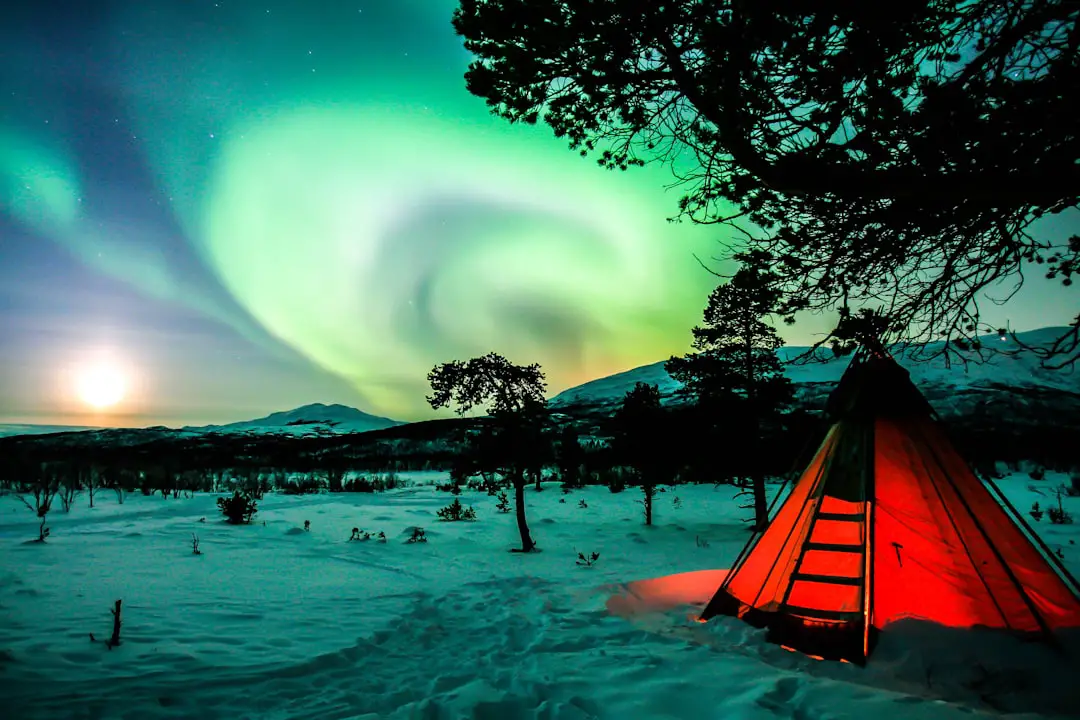
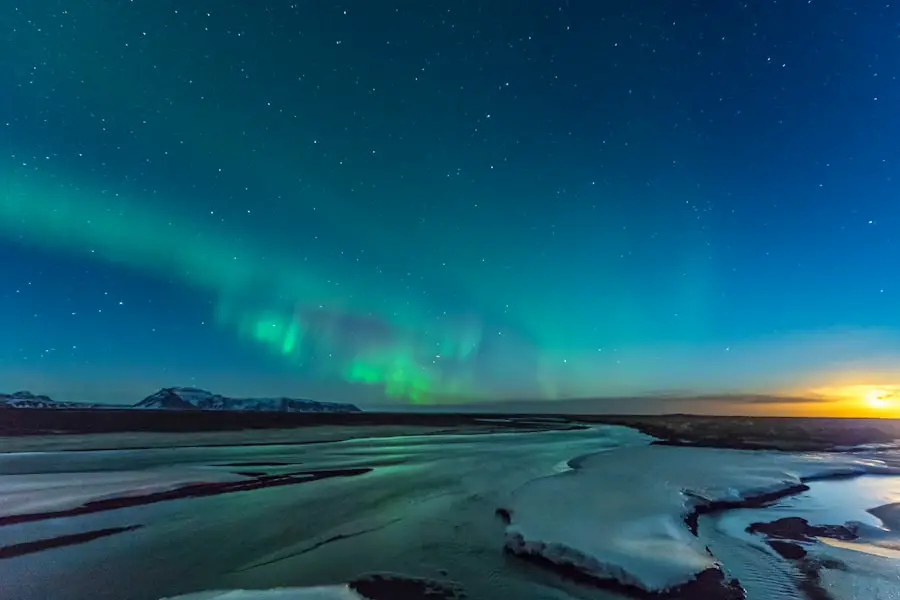
December is also well suited to northern-lights trips in the Yukon. Travel Yukon identifies mid-August through mid-April as the broad aurora-viewing season, with dark, clear skies providing the best opportunity. December’s long nights give travelers many hours of darkness, but clouds and solar conditions still determine whether the lights appear.
Cold-weather preparation matters. In northern destinations, winter can be severe, while coastal British Columbia may be comparatively mild and wet. Build the packing list around the exact region rather than the word “Canada.”
Best Time to Visit Canada by Region
Vancouver and the Pacific Coast
Spring arrives earlier here than in most of Canada, making March through May attractive for blossoms, gardens, city walks, and lower-elevation outdoor activities. Summer is generally the driest and busiest period. Winters are milder than in much of the country and often bring rain rather than persistent city snow.
Banff, Lake Louise, Jasper, and the Canadian Rockies
Late June through September gives visitors the best chance of snow-free hiking on a broad range of trails. September is particularly attractive for cooler hiking conditions and larch color. Ski trips generally fit December through March. Always check Parks Canada conditions because snow, wildlife closures, fire restrictions, and road or trail work can alter access.
Toronto, Ottawa, Montréal, and Southern Québec
June through September suits festivals and outdoor sightseeing. Late September into October brings fall color. January and February offer true winter conditions, while March and April are ideal for combining city travel with maple-season excursions.
Atlantic Canada
Summer offers the broadest availability of coastal attractions, scenic drives, hiking, and seasonal services. September and October can be beautiful for fall foliage, especially around Cape Breton, but coastal storms and rapidly changing weather deserve attention during autumn itineraries.
Yukon and the North
Summer brings very long daylight hours and easier road and hiking conditions. Aurora-focused trips work better once nights become dark enough; in the Yukon, the main northern-lights season runs from mid-August to mid-April. Winter trips require serious cold-weather clothing and careful transportation planning.
Reservations, Wildfire Smoke, and Seasonal Closures
The best travel month can change quickly when outdoor conditions change. Before visiting national parks, check Parks Canada for campground reservations, shuttle requirements, road conditions, trail reports, wildlife restrictions, parking information, and temporary closures.
Wildfire smoke is another important summer consideration. Smoke can travel far from an active fire and affect destinations hundreds or even thousands of kilometres away. Environment and Climate Change Canada’s Air Quality Health Index rates current health risk on a scale from 1 to 10+, while official air-quality alerts can help travelers decide whether to adjust outdoor plans.
Warning: During wildfire-smoke events, air quality can be poor even when you cannot see or smell smoke. Check the AQHI and official alerts before strenuous outdoor activities and be prepared to change hiking or sightseeing plans.
What to Pack for Canada by Season
Canada rewards layered packing. In spring and fall, carry a waterproof outer layer, warm mid-layer, and shoes that can handle rain or mud. Summer travelers still need a light jacket for mountain evenings and cooler coastal weather. Winter trips require an insulated coat, gloves, warm headwear, suitable boots, and layers that can be adjusted indoors and outside.
For air travel, compact luggage makes it easier to move between cities, trains, rental cars, and hotels. If you are comparing suitcase options, the existing guide to hardside carry-on luggage with spinner wheels can help with packing for a Canada itinerary.
Frequently Asked Questions
What is the best time to travel to Canada?
For most first-time visitors, June through September is the best overall period because national parks, road-trip routes, city attractions, and summer events are widely available. September is an especially strong compromise if you prefer cooler weather and the beginning of fall color.
What is the best month for a first trip to Canada?
September is one of the most versatile choices. Many summer services are still operating, temperatures are generally comfortable in southern Canada, hiking remains possible in many destinations, and autumn color starts appearing in colder and higher regions.
What are the peak tourist seasons in Canada?
July and August bring particularly strong demand to major national parks, lake destinations, and popular road-trip areas. Ski towns can also become busy around Christmas, New Year, school holidays, and prime winter weekends. Demand varies greatly by destination.
What are the shoulder seasons in Canada?
May and September through early October are useful shoulder-season periods in many southern destinations. Travelers may find cooler conditions and less summer pressure, but some mountain trails, seasonal businesses, ferries, roads, or attractions can have limited availability outside their main season.
When is the best time to see fall colors in Canada?
Late September through October is the broadest window for fall color in many southern regions. High-elevation and northern areas often change earlier, while some coastal or southern locations peak later. Check regional foliage reports shortly before traveling.
When can you see the northern lights in Canada?
The window depends on location. In the Yukon, the main viewing season runs from mid-August to mid-April, when nights are dark enough. Clear skies, low light pollution, and solar activity are still necessary, so an aurora sighting can never be guaranteed.
What is the weather like in Canada during the different seasons?
Canada has major regional differences. Southern Ontario and Québec can be hot and humid in summer and cold in winter; coastal British Columbia has comparatively mild, wet winters; mountain areas stay cooler and can retain snow late into spring; and northern Canada has short summers and long, cold winters.
Which Canadian festivals are worth planning a trip around?
Major choices include the Calgary Stampede, Toronto Jazz Festival, Festival International de Jazz de Montréal, Toronto Caribbean Carnival, Vancouver Cherry Blossom Festival, Ottawa–Gatineau Winterlude, and regional maple and wine festivals. Dates change each year, so use the official event calendar before booking flights or hotels.
Sources
- Government of Canada — Land and Climate — seasonal and regional climate context.
- Environment and Climate Change Canada — 1991–2020 Climate Normals — destination-specific historical weather averages.
- Parks Canada — Plan Your Visit — reservations, seasonal access, park services, safety information, and 2026 visitor offers.
- National Capital Commission — Rideau Canal Skateway — official skating-season and natural-ice information.
- Travel Yukon — Northern Lights — official aurora season and viewing guidance.
- Destination Ontario — Maple Syrup Season — maple-season timing and 2026 events.

