
Last Updated on August 26, 2026 by Daniel Globe
The best time to visit Niagara Falls, Canada depends on what matters most to you. Summer brings warm weather, long days, fireworks, and the widest range of outdoor attractions, but it also brings the largest crowds. Late spring and early fall often provide a better balance of comfortable weather, active attractions, and easier sightseeing, while winter offers a quieter and dramatically different view of the Falls.
Quick Answer
For most travelers, late May through June and September through early October are excellent times to visit Niagara Falls, Canada. You can usually enjoy comfortable sightseeing weather and many seasonal attractions without the heaviest midsummer crowds. Choose July or August for maximum activity, or winter for lights, snowy scenery, and a quieter atmosphere.
Key Takeaways
- Best overall balance: Late May through June and September through early October.
- Warmest and busiest: July and August, when outdoor attractions have long operating hours and tourism activity is at its peak.
- Best for lower crowds: Spring, fall, and winter outside major holidays and event weekends.
- Best for fireworks: In 2026, Niagara Parks schedules nightly Falls fireworks from May 15 through October 12, weather permitting.
- Best for winter scenery: November through February, when cold conditions can create ice-covered landscapes and seasonal light displays.
Disclosure: As an Amazon Associate I earn from qualifying purchases. Some links on this page are affiliate links, at no extra cost to you.
Best Time to Visit Niagara Falls by Season
Niagara Falls is a year-round destination. The waterfalls themselves remain viewable throughout the year, although individual attractions, restaurants, transportation services, and outdoor experiences can follow seasonal schedules. Niagara Parks recommends checking current operating hours close to your travel date.
| Season | What to Expect | Best For |
| Spring March–May |
Cool-to-mild weather, spring blooms, gradually expanding attraction schedules, and lighter crowds than midsummer. | Flowers, sightseeing, value, and avoiding peak crowds. |
| Summer June–August |
Warm weather, long attraction hours, busy tourist areas, outdoor activities, and major summer programming. | Families, first-time visitors, boating, nightlife, and maximum attraction availability. |
| Fall September–October |
Comfortable early-fall temperatures, colorful foliage later in the season, and generally less intense crowds after summer. | Couples, hiking, photography, fall color, and balanced weather. |
| Winter November–February |
Cold temperatures, possible snow and ice, fewer visitors on many dates, illuminated Falls, and seasonal winter events. | Winter photography, lights, quieter trips, and indoor attractions. |
Spring: March Through May
Spring is a strong choice if you want to see Niagara Falls without peak-summer crowds. March can still feel wintry, while April and May gradually become milder. Gardens and park spaces begin to come alive, and Niagara Parks highlighted daffodils, tulips, magnolias, cherry blossoms, and other spring blooms during its 2026 seasonal opening.
Some seasonal attractions may have limited schedules early in spring, so check the official Niagara Parks hours before building your itinerary.
Summer: June Through August
Summer is the classic Niagara Falls season. Environment and Climate Change Canada’s Niagara Falls-area climate normals show average daily maximum temperatures of about 24.5°C (76°F) in June, 27.4°C (81°F) in July, and 26°C (79°F) in August. Actual conditions can be hotter, cooler, wetter, or more humid, so always check the short-term forecast before you pack.
This is also the easiest season for travelers who want to experience as many outdoor attractions as possible. Niagara City Cruises, Journey Behind the Falls, White Water Walk, the Whirlpool Aero Car, Niagara Glen, and other popular experiences can all be part of a busy summer itinerary, depending on current operating conditions.
Pro Tip: In July and August, start your most important attraction early in the day, then save flexible activities such as parks, viewpoints, dining, and evening illumination for later. This can reduce the time you spend in the busiest queues.
Fall: September Through October
Early fall is one of the best periods for visitors who want pleasant sightseeing conditions with less midsummer intensity. September can still be comfortably warm, while October brings cooler weather and autumn color along the Niagara River corridor.
Fall is particularly appealing for walking, photography, Niagara Glen outings, and travelers who prefer not to sightsee during the hottest summer afternoons. Seasonal attraction hours begin changing as autumn progresses, so late-October visitors should confirm individual schedules.
Winter: November Through February
Winter transforms the experience. Temperatures can fall below freezing, snow and ice are possible, and mist around the Falls can create striking frozen formations. The Falls themselves remain a major attraction, and several Niagara Parks experiences operate through winter, although schedules vary.
Winter also brings seasonal illumination and the Winter Festival of Lights. It is a good choice for travelers who value atmosphere and photography more than warm-weather outdoor activities.
Warning: Spray from the Falls, snow, and freezing temperatures can make outdoor surfaces slippery in winter. Wear footwear with good traction, dress in warm layers, and follow posted closures or safety instructions.
Peak Tourist Season
July and August are generally the busiest months in Niagara Falls because families are on summer vacation, temperatures are warm, and a wide range of attractions and outdoor activities are operating. Long weekends and major event dates can add another surge of visitors.
Peak season has real advantages. Travelers get long daylight hours, active tourism districts, outdoor dining, boat excursions, and evening entertainment. In 2026, Niagara Parks schedules nightly fireworks at 10 p.m. from May 15 through October 12, weather permitting, with extended displays on July 1 and July 4.
The tradeoff is demand. Popular hotels, Falls-view rooms, restaurants, parking areas, and attraction time slots can become harder to secure. Rather than relying on a fixed rule about how much prices increase, compare the exact dates you are considering because rates change according to demand, room type, event schedules, and how early you book.
Summer gives you the widest choice of activities, but shoulder season often gives you more breathing room.
Off-Season Benefits

Travel outside the busiest summer weeks and you may find a calmer experience around major viewpoints, restaurants, and tourism areas. Spring, late fall, and winter can also make it easier to slow down and appreciate the Falls rather than moving through crowded spaces.
Accommodation rates may be lower on some off-peak dates, but savings are not guaranteed. Weekends, holidays, festivals, conventions, and Falls-view room demand can still raise prices. Compare several dates and check the cancellation policy before booking.
The biggest compromise is that some outdoor attractions and seasonal services operate on reduced schedules or close during colder months. Niagara Falls itself, however, remains viewable year-round, and several major attractions continue operating beyond summer.
Note: “Off-season” does not mean “everything is closed.” Check each attraction separately because Niagara Parks publishes date-specific operating hours throughout the year.
Special Events and Festivals
Events can make a trip more memorable, but they can also increase accommodation demand and traffic. Always verify dates before booking because annual schedules can change.
For 2026, several notable dates illustrate how events are spread across different seasons:
- Canada Day Celebration: The City of Niagara Falls held its 2026 celebration on July 1 at Firemen’s Park.
- Falls Fireworks: Niagara Parks schedules nightly fireworks from May 15 through October 12, 2026, subject to weather.
- Niagara Falls Night of Art: Scheduled for September 17, 2026 at the Niagara Falls Exchange, Niagara Falls History Museum, and surrounding area.
- Niagara Falls International Marathon: Scheduled for October 25, 2026.
- Winter Festival of Lights: A major cold-season attraction featuring extensive outdoor illumination and additional seasonal programming.
For the latest municipal programming, check the City of Niagara Falls events calendar. For Falls fireworks and illumination, use the official Niagara Parks schedule.
Outdoor Activities
Warm-weather months provide the broadest range of outdoor activities. Along with viewing the Canadian Horseshoe Falls, visitors can explore walking areas along the Niagara Parkway, ride seasonal attractions, take a boat experience, and visit Niagara Glen.
Summer is ideal if your priority is fitting several outdoor attractions into one trip. Spring and early fall are often better for longer walks because temperatures can be more comfortable. Autumn also adds changing foliage to the Niagara River landscape.
Winter outdoor sightseeing can still be rewarding, but cold, wind, spray, snow, and ice require more preparation. Plan shorter outdoor periods and combine them with indoor attractions or warm-up stops.
Always stay on marked paths and respect temporary closures, especially near the Niagara Gorge. Water, cliffs, steep terrain, and winter ice can create serious hazards away from designated visitor areas.
Accommodation Availability

Peak Season Challenges
During summer weekends and major events, the most desirable hotels and Falls-view rooms may sell well in advance. Travelers who have a specific property, room view, or budget in mind should book earlier rather than assuming comparable rooms will remain available at the last minute.
Off-Peak Flexibility
Traveling in spring, late fall, or winter can provide more flexibility on some dates. You may have a wider choice of room categories or cancellation-friendly rates, especially from Sunday through Thursday. However, special events and holiday periods can still create busy nights.
Upscale Opportunities
Lower-demand dates can sometimes make higher-end accommodation more affordable than it would be during midsummer. Compare the total price rather than the advertised nightly rate because parking, resort or destination fees, taxes, breakfast, and cancellation terms can change the real cost of a stay.
Budget Considerations
The best way to save money in Niagara Falls is to stay flexible with your dates. Compare weekdays with weekends and shoulder-season dates with peak-summer dates. Flight and hotel prices can change quickly, so there is no single month that guarantees the lowest rate.
If you plan to visit several Niagara Parks attractions, compare individual admission prices with current attraction passes. For 2026, Niagara Parks offers seasonal passes that combine attractions with transportation benefits on eligible dates.
Transportation planning can also affect the budget. Niagara Parks operates the WEGO visitor transportation system connecting major attractions and tourism areas. Some pass products include WEGO access and Park-and-Ride benefits, which may reduce the need to move your vehicle between paid parking areas.
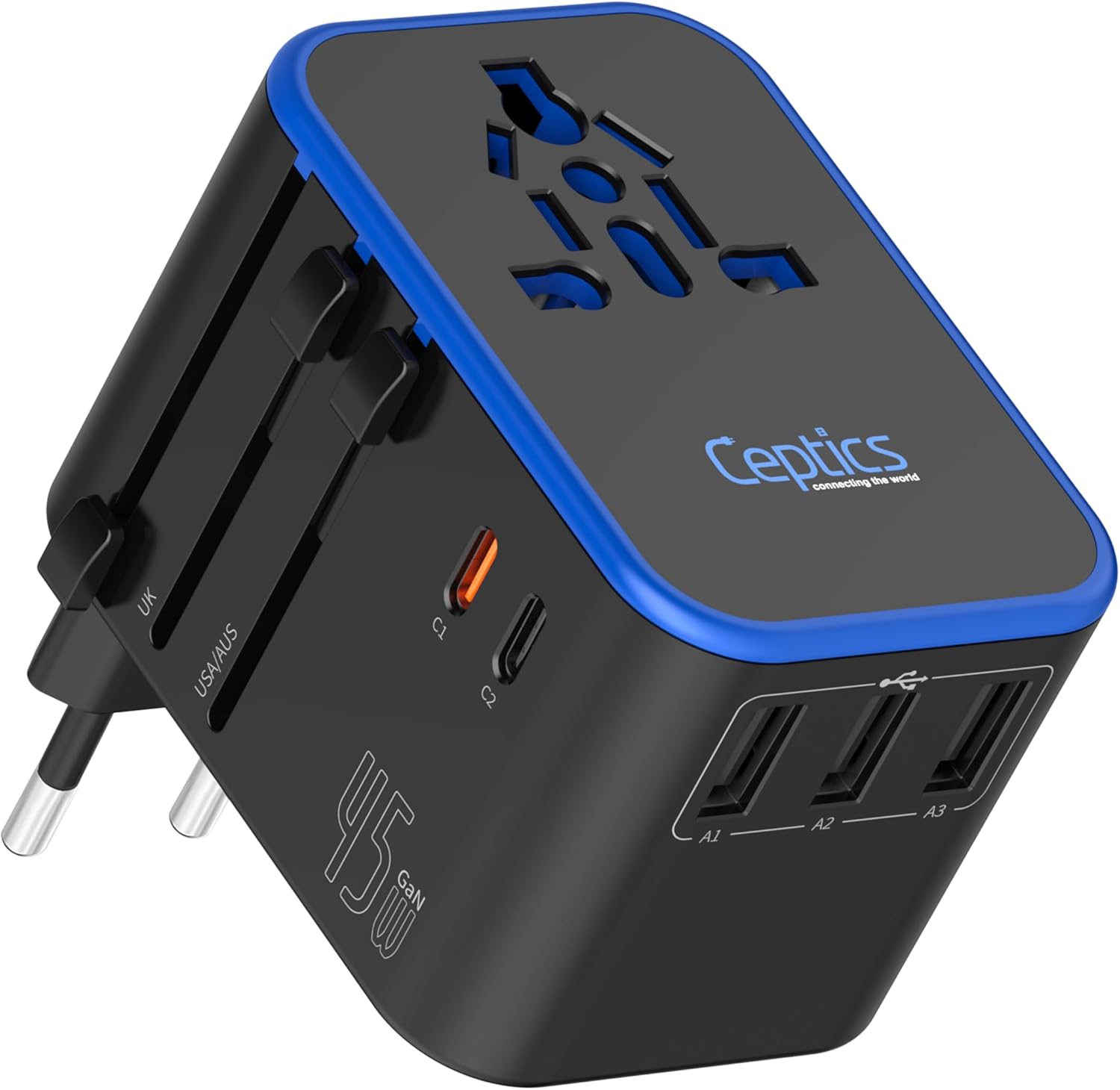
Visitors arriving from outside Canada should also account for currency conversion, international card fees, roaming, and electrical compatibility. If needed, this guide to universal travel adapters can help with charging devices brought from countries that use different plugs or voltage standards.
Best Time Based on Your Travel Style
- First visit: June or September offers a strong balance of weather and attraction availability.
- Families with school-age children: July and August are convenient for school schedules and provide maximum summer activity, but plan for crowds.
- Budget-focused travelers: Compare spring, late fall, and winter weekdays.
- Couples: May, June, September, and early October can feel less hectic than peak summer.
- Photographers: Fall foliage, winter ice, sunrise, sunset, and nightly illumination all create distinct opportunities.
- Hikers: Late spring and early fall can provide more comfortable temperatures than hot summer afternoons.
- Fireworks fans: Check Niagara Parks’ current fireworks calendar; in 2026, nightly summer-season shows run from May 15 through October 12, weather permitting.
- Winter travelers: December through February provides the coldest and potentially most dramatic icy scenery, but requires warm clothing and flexible plans.
Safety and Accessibility
Weather is one of the most important safety considerations at Niagara Falls. In summer, bring water, sun protection, and light rain protection. In cold weather, dress in layers and expect mist around the Falls to make exposed areas feel colder and potentially slippery.
Niagara Parks provides accessibility information for its attractions and transportation. WEGO is designed as an accessible visitor transportation system, and Niagara Parks also publishes information about accessible parking and wheelchair availability. Visitors who need specific mobility accommodations should verify the individual attraction before arrival because terrain and access features vary.
You can review current transportation and parking information through Niagara Parks Getting Around.
If you are entering Canada from the United States or another country, verify current entry-document requirements before travel. Border rules depend on citizenship, residency status, travel documents, and method of entry.
Frequently Asked Questions
What is the best time to travel to Niagara Falls, Canada?
For many travelers, late May through June and September through early October provide the best balance of comfortable weather, operating attractions, and manageable crowds. July and August are best if you want the fullest summer experience and do not mind peak-season demand.
What is the weather like in Niagara Falls during summer?
Summer is generally warm. Environment and Climate Change Canada’s Niagara Falls-area climate normals show average daily highs of about 24.5°C in June, 27.4°C in July, and 26°C in August, or roughly 76°F, 81°F, and 79°F. Actual weather varies, so check the forecast shortly before your trip.
Are there special events or festivals during the best months to visit?
Yes. Examples in 2026 include Canada Day on July 1, nightly Falls fireworks from May 15 through October 12, Night of Art on September 17, and the Niagara Falls International Marathon on October 25. Event dates change from year to year, so verify the current calendar before booking.
What are the most popular attractions to visit?
Popular experiences include the Canadian Horseshoe Falls viewpoints, Journey Behind the Falls, Niagara City Cruises, the Niagara Parks Power Station, White Water Walk, Whirlpool Aero Car, Niagara Glen, and the Butterfly Conservatory. Operating schedules vary by attraction and season.
Is Niagara Falls crowded in summer?
Yes. July and August are among the busiest periods, especially on weekends and holidays. Book important attractions and accommodations ahead, visit popular sites early in the day, and consider WEGO instead of repeatedly moving your car between attractions.
How many days do you need at Niagara Falls?
One full day is enough to see the main Falls viewpoints and a few major attractions, but two days gives you a more relaxed trip with time for additional attractions, evening illumination, Niagara Glen, gardens, or nearby experiences.
Can you visit Niagara Falls in winter?
Yes. The Falls can be viewed year-round, and several attractions and seasonal events continue through winter. Some outdoor attractions have reduced hours or seasonal closures, so check Niagara Parks’ date-specific operating schedule before your visit.
Sources
- Niagara Parks — Hours of Operations — current attraction and facility schedules.
- Niagara Parks — Falls Fireworks — 2026 fireworks dates and weather advisory.
- Environment and Climate Change Canada — Niagara Falls Climate Normals — historical temperature and precipitation normals.
- City of Niagara Falls — Events — official municipal events and annual celebrations.
- Niagara Falls International Marathon — official 2026 race date and event information.
- Niagara Parks — Getting Around — WEGO, parking, and visitor transportation information.