

Last Updated on September 24, 2025 by Daniel Globe
Bali, often referred to as the “Island of the Gods,” boasts a tropical climate characterized by warm temperatures and high humidity throughout the year. The island experiences two primary seasons: the dry season and the wet season. The dry season typically spans from April to September, during which temperatures hover between 30°C to 32°C (86°F to 90°F).
This period is marked by clear skies, minimal rainfall, and a pleasant breeze, making it an ideal time for beach activities and outdoor exploration. Conversely, the wet season, which lasts from October to March, brings increased humidity and frequent rain showers. While temperatures remain warm, averaging around 28°C (82°F), the downpours can be intense but are often short-lived, allowing for sunny intervals.
The unique geographical features of Bali contribute to its diverse microclimates. The coastal areas experience a more consistent climate, while the central highlands, home to the iconic rice terraces and volcanic mountains, can be cooler and wetter. For instance, Ubud, located inland, tends to receive more rainfall than coastal regions like Seminyak or Kuta.
This variation in climate not only influences the types of flora and fauna found across the island but also affects the activities available to visitors throughout the year. Understanding these climatic nuances is essential for travelers looking to optimize their experience in Bali.
Key Takeaways
- Bali has a tropical climate with two main seasons: wet season (October to April) and dry season (May to September).
- Peak tourist seasons in Bali are during the dry season, especially from July to August and during Christmas and New Year.
- Off-peak tourist seasons in Bali are during the wet season, particularly from November to March, when there are fewer tourists and lower prices.
- Bali hosts various festivals and events throughout the year, including the Bali Arts Festival in June and the Bali Kite Festival in July.
- The best time for outdoor activities in Bali is during the dry season, when the weather is sunny and ideal for activities like surfing, snorkeling, and hiking.
- Accommodation and flight prices in Bali are typically higher during peak tourist seasons, so it’s advisable to book in advance or consider alternative accommodation options.
- When traveling to Bali during peak seasons, it’s important to book accommodations and flights well in advance and be prepared for crowded tourist attractions.
- Traveling to Bali during off-peak seasons can offer more affordable prices, fewer crowds, and a more relaxed atmosphere, but it’s important to be aware of the higher chance of rain.
Peak Tourist Seasons in Bali
Summer Rush
The dry season, particularly from June to August, sees a significant influx of tourists, coinciding with summer vacations in many countries. During this time, Bali’s beaches are bustling with visitors seeking sun-soaked relaxation, while cultural attractions and outdoor adventures are in high demand.
Vibrant Nightlife
The island’s vibrant nightlife also thrives during these months, with numerous events and parties catering to the lively crowd. Accommodations tend to fill up quickly, and prices often surge as travelers flock to experience Bali’s renowned hospitality and natural beauty.
Holiday Cheer
Another peak period occurs around major holidays such as Christmas and New Year’s Eve. The festive atmosphere during this time attracts both international tourists and locals celebrating the holidays. Popular destinations like Ubud and Seminyak become particularly crowded as visitors indulge in festive dining experiences, beach parties, and cultural performances. The vibrant energy of Bali during these peak seasons is palpable, but it also means that travelers should plan ahead to secure accommodations and activities, as availability can be limited.
Off-peak Tourist Seasons in Bali

In contrast to the bustling peak seasons, Bali’s off-peak tourist periods offer a different experience for those willing to travel during less popular times. The months of October through March are generally considered off-peak due to the wet season. While rain is more frequent during this time, it often comes in short bursts, leaving plenty of opportunities for exploration between showers.
This period is ideal for travelers seeking a quieter experience, as popular tourist spots are less crowded, allowing for a more intimate connection with Bali’s culture and natural beauty. Traveling during the off-peak season also presents financial advantages. Many hotels and resorts offer significant discounts to attract visitors during these months, making it an excellent time for budget-conscious travelers.
Additionally, flights to Bali may be more affordable during this period, providing an opportunity for those who wish to explore the island without breaking the bank. The lush landscapes that flourish during the rainy season add a unique charm to Bali’s scenery, enhancing the beauty of its rice terraces and waterfalls.
Festivals and Events in Bali
| Event Name | Location | Date |
|---|---|---|
| Ubud Writers & Readers Festival | Ubud | October |
| Bali Arts Festival | Denpasar | June-July |
| Nyepi (Day of Silence) | Island-wide | March |
| Bali Spirit Festival | Ubud | March-April |
Bali is renowned for its rich cultural heritage, which is vividly expressed through its numerous festivals and events held throughout the year. One of the most significant celebrations is Nyepi Day, or the Day of Silence, which marks the Balinese New Year. This unique observance involves a day of fasting and meditation where all activities come to a halt.
The day before Nyepi features vibrant parades with elaborate Ogoh-Ogoh (demonic effigies) that are paraded through the streets before being burned at sunset. This festival not only showcases Balinese artistry but also reflects the island’s spiritual beliefs. Another notable event is Galungan, celebrated every 210 days according to the Balinese calendar.
This festival honors ancestral spirits and is marked by offerings made at temples and homes. The streets are adorned with penjor (decorative bamboo poles), creating a festive atmosphere across the island. Visitors during this time can witness traditional ceremonies and partake in local customs, providing a deeper understanding of Balinese culture.
Additionally, events such as the Bali Arts Festival showcase local music, dance, and crafts, offering tourists an immersive experience into the island’s artistic heritage.
Best Time for Outdoor Activities in Bali
For those eager to engage in outdoor activities, timing is crucial to ensure an enjoyable experience in Bali’s diverse landscapes. The dry season from April to September is generally regarded as the best time for outdoor adventures such as hiking Mount Batur at sunrise or exploring the lush rice terraces of Tegallalang. The clear skies and lower humidity levels create optimal conditions for trekking and sightseeing without the discomfort of excessive heat or rain.
Water sports enthusiasts will also find that this period is ideal for activities like surfing, snorkeling, and diving. Beaches such as Kuta and Nusa Dua offer excellent conditions for surfing with consistent waves that attract both beginners and seasoned surfers alike. Snorkeling spots like Amed and Menjangan Island provide crystal-clear waters teeming with marine life during these months.
However, even during the wet season, certain outdoor activities can still be enjoyed; just be prepared for sudden rain showers that may temporarily interrupt plans.
Accommodation and Flight Prices in Bali
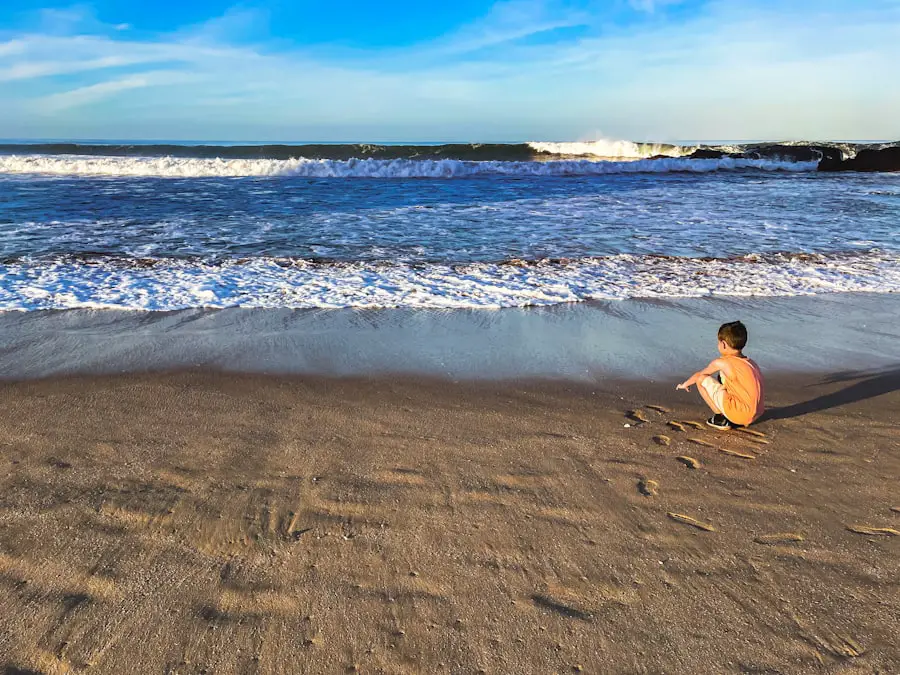
Planning Ahead Can Save You Money
Many establishments offer early booking discounts or package deals to help mitigate costs. For example, beachfront resorts in Seminyak may charge premium rates during July and August, but offer attractive rates during off-peak months.
Flight Prices Vary by Season
Flight prices also fluctuate significantly based on travel seasons. Booking flights well in advance can yield substantial savings, especially if traveling during peak periods when airlines increase fares due to demand.
Finding the Best Flight Deals
Conversely, travelers who are flexible with their travel dates may find lower fares during off-peak times when airlines seek to fill seats on less popular routes. Utilizing fare comparison websites can help identify the best deals available for flights to Bali.
Tips for Traveling to Bali during Peak Seasons
Traveling to Bali during peak seasons requires careful planning to ensure a smooth experience amidst the crowds. One essential tip is to book accommodations well in advance; popular hotels often fill up quickly during peak months. Consider exploring alternative areas away from tourist hotspots for a more tranquil stay while still enjoying easy access to attractions.
Additionally, travelers should plan their itineraries strategically by visiting popular sites early in the morning or later in the afternoon when crowds are thinner. For instance, visiting Uluwatu Temple at sunset can provide breathtaking views while avoiding midday crowds. Utilizing local transportation options such as scooters or ride-sharing apps can also enhance mobility around the island while allowing for spontaneous exploration of hidden gems.
Tips for Traveling to Bali during Off-peak Seasons
Traveling during off-peak seasons offers unique advantages that can enhance a visitor’s experience in Bali. One key tip is to embrace flexibility in travel plans; with fewer tourists around, spontaneous decisions can lead to delightful discoveries without long waits or reservations required at popular attractions. This flexibility allows travelers to explore lesser-known sites that may not be as accessible during peak times.
Moreover, taking advantage of local events and festivals can enrich one’s experience significantly. Engaging with local communities during celebrations like Galungan or Nyepi provides insight into Balinese culture that may not be available at other times of the year. Additionally, travelers should consider packing light rain gear; while rain showers are common during off-peak months, they often pass quickly and shouldn’t deter outdoor exploration or cultural immersion on this enchanting island.
When planning your trip to Bali, it’s important to consider the best time to visit this beautiful destination. According to TakeTravelInfo, the best time to travel to Bali is during the dry season, which typically falls between April and October. This article also provides helpful tips on how to stay connected while backpacking through Bali with the best solar charger for your electronic devices. So, make sure to pack your solar charger along with your compact binoculars for hiking and the best travel razor to ensure a smooth and enjoyable trip to Bali.
FAQs
What is the best time to travel to Bali?
The best time to travel to Bali is during the dry season, which runs from April to September. This period offers sunny weather and lower humidity, making it ideal for outdoor activities and beach vacations.
What is the weather like in Bali during the best time to travel?
During the dry season, Bali experiences warm and sunny weather with minimal rainfall. Temperatures typically range from 27°C to 32°C (80°F to 90°F), making it perfect for outdoor activities and beach relaxation.
Are there any specific events or festivals to consider when planning a trip to Bali?
Bali is known for its vibrant cultural events and festivals. Travelers may want to consider visiting during the Galungan and Kuningan festivals, which are important Hindu celebrations that occur every 210 days.
What are the busiest times for tourism in Bali?
The busiest times for tourism in Bali are during the dry season, particularly from June to August. During this period, popular tourist areas can be crowded, and accommodations may be more expensive.
Are there any considerations for traveling to Bali during the wet season?
Traveling to Bali during the wet season, which runs from October to March, may result in frequent rainfall and higher humidity. However, this period can also offer lower prices and fewer crowds for travelers looking for a more budget-friendly trip.
