
Last Updated on July 28, 2026 by Daniel Globe
Seoul changes dramatically with the seasons, so the best time to visit depends on what you want to see and how much heat, cold, rain, or crowds you are willing to handle. For most first-time visitors, spring and autumn offer the easiest sightseeing weather, while summer and winter can be rewarding for travelers who value seasonal events, lower demand, or a different side of the city.
Quick Answer
The best time to travel to Seoul is usually April to May or October. Spring brings mild weather and cherry blossoms, while October offers comfortable temperatures and developing fall color. Early April is best for blossoms, while late October into early November often suits foliage. Summer is hot and rainy; winter is cold but less crowded.
Key Takeaways
- Best overall: April–May and October offer the easiest balance of weather, outdoor sightseeing, and seasonal scenery.
- Cherry blossoms: Aim for early April, but check the annual forecast because bloom dates can shift with the weather.
- Fall foliage: Late October into early November is often better than September for strong autumn color in and around Seoul.
- Summer: June through August is hot and humid, with the rainy season generally beginning around mid-June.
- Winter: December through February can be very cold but offers winter lights, skating, shopping promotions in some years, and fewer visitors at many outdoor sights.
- Festival dates change: Check the official Seoul calendar before booking a trip around a specific event.
Disclosure: As an Amazon Associate I earn from qualifying purchases. Some links on this page are affiliate links, at no extra cost to you.
Best Time to Visit Seoul by Season
Seoul has four distinct seasons. According to the Seoul Tourism Organization’s climate guide, spring lasts from March through May, summer from June through August, autumn from September through November, and winter from December through February.
| Season | Best For | Main Tradeoff |
| Spring March–May |
Cherry blossoms, parks, walking, palaces, hiking | Peak blossom weeks are crowded; yellow dust and poor-air days can occur |
| Summer June–August |
Hangang activities, nightlife, indoor attractions, summer events | Heat, humidity, rainy periods, and sudden downpours |
| Autumn September–November |
Foliage, hiking, festivals, cultural sightseeing | Popular weekends can be busy; September can still feel warm |
| Winter December–February |
Winter lights, skating, shopping, smaller sightseeing crowds | Freezing temperatures and occasional snow or icy conditions |
Spring: March to May
Spring begins cool and becomes pleasantly warm by May. Parks, palace grounds, and neighborhood streets fill with flowers, making this one of Seoul’s most photogenic seasons.
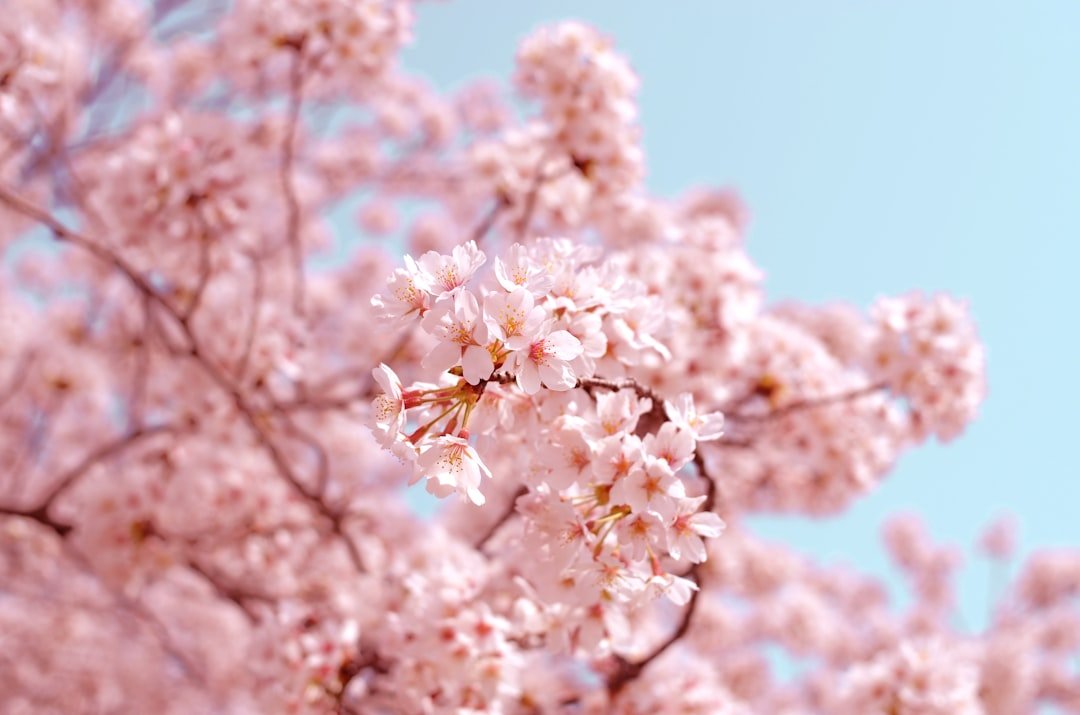
Cherry blossoms are the biggest spring draw, but their timing is weather-dependent. For example, the 2026 Yeongdeungpo Yeouido Spring Flower Festival was scheduled for April 8–12, with Seoul noting that the schedule could change depending on bloom conditions. That is why travelers should check the current year’s blossom forecast rather than booking around a permanently fixed date.
Note: Spring can also bring dry conditions, yellow dust, and periods of poor air quality. Check the local air-quality forecast before planning a long hike or a full day outdoors.
Summer: June to August
Summer in Seoul is hot and humid. The Korean rainy season, or jangma, generally begins around mid-June and continues for roughly a month, although significant rain can occur outside that window too.
Summer does have advantages. Hangang parks become lively, evening activities run late, and Seoul has an enormous supply of air-conditioned museums, cafés, malls, galleries, and entertainment venues. Travelers comfortable with humidity can still have a good trip by scheduling outdoor sightseeing in the morning or evening.
Autumn: September to November
Autumn is one of Seoul’s strongest all-around travel seasons. September can still be warm, October usually becomes more comfortable, and November turns noticeably colder.
For foliage, late October and early November are generally more useful targets than early September. Namsan, Seoul’s royal palaces, Seoul Forest, and Bukhansan are popular places to enjoy changing leaves.
Winter: December to February
Winter is cold and dry, and temperatures can fall well below freezing during cold spells. Snow is possible, although travelers should not assume the city will remain snow-covered throughout winter.
The tradeoff is a distinctly different Seoul experience: seasonal lights, ice skating, warming street food, winter shopping campaigns in some years, and smaller crowds at many outdoor attractions.
For most first-time visitors, April–May and October offer the simplest combination of comfortable sightseeing weather, seasonal scenery, and outdoor activities.
Peak Tourist Seasons in Seoul
Spring: Cherry Blossoms and Comfortable Sightseeing
April is one of Seoul’s busiest sightseeing periods because cherry blossoms draw visitors to Yeouiseo-ro, Hangang parks, Namsan, Seokchon Lake, and other flower-viewing areas.
During peak bloom, popular spots can become crowded from morning through evening. Hotel prices and flight demand may also rise, so travelers who specifically want blossoms should book earlier than those visiting at quieter times.
Autumn: Hiking and Fall Foliage
October is another popular month because temperatures are usually more comfortable for walking and hiking. Namsan and Bukhansan become especially attractive as autumn colors develop.
Fall scenery does not peak on the same date every year. Elevation, rainfall, and temperature all affect the timing, so a traveler whose main goal is foliage should check current conditions shortly before the trip.
Why Spring and Autumn Work So Well
Both seasons make it easier to spend long days outside. Palace visits, walking tours, markets, café districts, hikes, and Hangang parks are more comfortable when Seoul is neither at its hottest nor its coldest.
The drawback is popularity. Weekend flower spots in spring and major foliage areas in autumn can be crowded, so early mornings and weekdays usually provide a calmer experience.
Pro Tip: For spring flowers or autumn foliage, visit famous parks early in the morning and save museums, shopping districts, and cafés for the busier afternoon hours.
Off-Peak Tourist Seasons in Seoul
Winter and the hottest part of summer are often less attractive to weather-sensitive visitors. That can make them useful alternatives for travelers who care more about indoor attractions, shopping, seasonal experiences, or avoiding the busiest sightseeing periods.
January and February can be bitterly cold. However, winter brings a festive atmosphere around central Seoul, and recent city programming has expanded substantially. Seoul’s official 2026 calendar lists the Seoul Winter Festival for December 14, 2026 through January 31, 2027.
Late summer has the opposite problem. August can be very hot and humid, and rain can disrupt outdoor plans. Travelers willing to adapt can spend afternoons in museums, cafés, department stores, markets, aquariums, or other indoor attractions and explore outdoors later in the day.
Lower demand is not guaranteed on every date. Korean public holidays, concerts, conventions, school breaks, and major events can still create busy periods.
Special Events and Festivals in Seoul
Festivals can make a good trip exceptional, but Seoul’s recurring events do not always fall on the same dates each year. Treat annual schedules as something to verify before booking rather than permanent calendar rules.
| Event | Typical Timing / Current Example | Main Area | Planning Note |
| Yeongdeungpo Yeouido Spring Flower Festival | April; Apr. 8–12 in 2026 | Yeouiseo-ro / Yeouido | Exact dates can shift with cherry-blossom conditions. |
| Seoul International Fireworks Festival | Autumn; exact date varies | Yeouido Hangang Park | The 2025 event was Sept. 27 and drew very large crowds; confirm the current year’s date. |
| Seoul Autumn Festa | Sep. 21–Nov. 29 in 2026 | Venues across Seoul | A citywide performing-arts program rather than one single-site festival. |
| Seoul Lantern Festival / Winter Festa | December–January in recent editions | Central Seoul; recent lantern displays included Cheonggyecheon | Do not rely on older articles calling it a November-only event. |
| Seoul Kimchi Festival | Historically held in November | Seoul Plaza / Mugyo-ro in past editions | Past editions are officially documented, but travelers should not assume a current edition without a new announcement. |
The Seoul Lantern Festival deserves special clarification because older travel guides often describe it as a November event. The 2025 edition instead ran from December 12 into January 2026 as part of Seoul’s expanded winter celebrations. Recent displays have illuminated Cheonggyecheon Stream and other areas with large light sculptures and media art.
Chuseok is another important autumn experience, but it is a national holiday rather than a tourism festival. Families gather, traditional foods such as songpyeon are prepared, and museums or cultural sites may offer special programming. In 2026, Chuseok falls on September 25, with the holiday period extending around that date.
Warning: Chuseok and Seollal can affect store, restaurant, market, and attraction hours, while domestic transportation becomes extremely busy. Confirm operating hours directly if your Seoul trip overlaps either holiday.
Best Time for Outdoor Activities in Seoul
Spring and autumn are the strongest seasons for hiking, cycling, picnics, and long walking days. Mild conditions make it easier to spend hours outside without dealing with peak summer humidity or winter cold.
Bukhansan is one of the best-known hiking areas near central Seoul, with routes for different ability levels and broad views across the city. Namsan provides an easier urban alternative, while Hangang parks offer cycling paths, picnic areas, and long riverside walks.
Spring adds blossoms and fresh greenery. Autumn brings cooler hiking weather and changing foliage. On especially popular weekends, start early because trailheads and scenic areas can become crowded.
Summer outdoor activities are still possible, but timing matters. Morning and evening are generally more comfortable than mid-afternoon. Keep flexible indoor alternatives available on rainy days.
Winter hiking can provide clear views and quieter trails, but freezing temperatures, wind, snow, or ice make proper footwear and warm layers more important.
Best Time for Shopping in Seoul
There is no single best month for shopping in Seoul. Myeongdong, Hongdae, Gangnam, Seongsu, Dongdaemun, department stores, underground malls, and traditional markets operate throughout the year, while discounts depend on individual retailers and promotional campaigns.
Winter can nevertheless be attractive for bargain-focused international visitors. The 2026 Korea Grand Sale, for example, ran from December 17, 2025 through February 22, 2026 and included shopping, accommodation, food, tourism, and K-content promotions. Future dates and participating businesses can differ.
Summer and end-of-season clearance periods can also produce discounts, while Seoul’s fast-moving fashion and beauty scene means pop-ups and limited releases appear year-round.
Seoul Fashion Week is worth watching if fashion is central to your trip, but do not plan around outdated March-and-October rules. Dates vary by collection cycle. The 2026 F/W Seoul Fashion Week, for example, ran February 3–8, 2026 at DDP and other Seoul locations.
Traditional markets such as Gwangjang and Namdaemun offer a different experience from malls and luxury retail. Opening days and individual stall hours vary, especially around Chuseok and Seollal.
Best Time for Cultural Experiences in Seoul
Cultural experiences are available year-round, so weather matters less here than it does for hiking or blossom viewing. Seoul’s palaces, museums, performance venues, hanok neighborhoods, food markets, galleries, and traditional-culture programs make every season viable.
Spring pairs palace visits and cultural attractions with blossoms. Autumn is particularly appealing because pleasant walking weather coincides with outdoor performances, festivals, foliage, and traditional holidays.
In 2026, Seoul’s official calendar lists the Seoul Autumn Festa from September 21 through November 29, bringing performances and arts programming to locations across the city.
Chuseok can provide opportunities to encounter traditional music, games, food, or demonstrations at cultural institutions. At the same time, some private businesses may shorten their hours or close, so check each place before visiting.
Winter is also increasingly important culturally. Seasonal light installations and events around central Seoul have turned December and January into a major festival period rather than simply an off-season.
Tips for Traveling to Seoul at the Best Time
Book earlier for blossom and foliage trips. If your dates depend on early-April cherry blossoms or a popular October weekend, reserve flights and lodging earlier than you would for a flexible off-season visit.
Do not build an entire trip around one predicted bloom date. Cherry blossoms respond to weather. Give yourself several days in Seoul and include multiple flower-viewing locations so one windy or rainy day does not ruin the plan.
Check the forecast close to departure. Seoul’s transitional seasons can change quickly. Layers are useful in spring and autumn because mornings and evenings may feel much cooler than afternoons.
Prepare differently for summer. Lightweight clothing, water, sunscreen, breathable footwear, and a compact umbrella are useful. Schedule indoor stops during the hottest part of the afternoon.
Pack seriously for winter. A warm coat, gloves, hat, insulating layers, and shoes with useful grip make outdoor sightseeing far more comfortable.
Check the annual event calendar. Festival names may stay the same while dates, venues, or formats change. Seoul’s official annual events calendar is more reliable than an undated festival roundup.
Use a transportation card. A T-money card can be used across Seoul’s bus and subway network. The official Visit Seoul transportation guide has current information for visitors.
Pro Tip: For a first trip with flexible dates, choose late April to May for spring without relying entirely on cherry blossoms, or October for comfortable walking weather and autumn scenery.
If you are planning a trip to Seoul, you may want to consider a pair of noise-canceling earbuds for the flight. These can help reduce steady cabin noise and make a long journey more comfortable. Travelers combining Seoul with outdoor trips may also find the guide to the best travel fishing rods useful. And if camping is part of a wider South Korea itinerary, see these portable camping stoves for outdoor travel.
Frequently Asked Questions
What is the best time to travel to Seoul?
For most visitors, April to May and October are the best times to travel to Seoul. These periods usually provide comfortable sightseeing weather and good conditions for parks, palaces, walking, hiking, and outdoor attractions. Early April is popular for cherry blossoms, while late October into early November often brings stronger fall color.
What is the weather like during the best time to visit Seoul?
Spring and autumn are milder than Seoul’s hot summer and cold winter, but temperatures change considerably within each season. Early April can still feel cool, May is warmer, September can retain summer heat, and November can become quite cold. Check the forecast shortly before departure and pack layers.
When is cherry blossom season in Seoul?
Cherry blossoms usually become a major attraction around early April, but the exact bloom and peak dates vary each year with the weather. Check the current year’s forecast before booking a trip specifically for blossoms.
Are there festivals during the best time to travel to Seoul?
Yes. Spring commonly includes the Yeongdeungpo Yeouido Spring Flower Festival, while autumn has arts events, foliage-season activities, and the Seoul International Fireworks Festival. Dates can change each year, so confirm them on Seoul’s official events calendar before booking.
What are the peak tourist seasons in Seoul?
Spring blossom season and the comfortable autumn months are among Seoul’s most popular sightseeing periods. Specific weekends around major flowers, foliage, festivals, and public holidays can be much busier than the rest of the season.
Are there drawbacks to visiting Seoul in spring or autumn?
Yes. Popular blossom and foliage areas can be crowded, and accommodation demand may rise. Spring can also bring yellow dust or poor-air days, while autumn weekends at major hiking and foliage locations can become busy. Booking early and sightseeing on weekdays can help.
When is Seoul’s rainy season?
Seoul’s summer rainy season, known as jangma, generally starts around mid-June and lasts for roughly a month, although rainfall varies from year to year and heavy rain can occur outside that period. Summer travelers should keep some indoor activities in their itinerary.
Is winter a good time to visit Seoul?
Winter can be a good choice if you are comfortable with freezing weather. The season brings winter lights, skating, warm street food, indoor cultural attractions, shopping promotions in some years, and generally less pressure at many outdoor sights than during peak blossom or foliage periods.
Sources
- Seoul Tourism Organization — Season and Climate of Seoul — seasonal climate, rainy-season timing, spring conditions, and winter weather.
- Seoul Metropolitan Government — Holidays and Annual Events for 2026 — Chuseok, Seoul Autumn Festa, fireworks, Fashion Week, and winter-festival information.
- Seoul Metropolitan Government — April 2026 Cultural Events — 2026 Yeongdeungpo Yeouido Spring Flower Festival dates and blossom-date caveat.
- Seoul Tourism Organization — 2025 Seoul International Fireworks Festival — recent event timing and Yeouido venue.
- Korea Tourism Organization — Korea Grand Sale 2026 — winter shopping and travel promotion dates.
- Seoul Tourism Organization — Seoul Subway and T-money Guide — public-transport and transportation-card guidance.

