
Last Updated on August 26, 2026 by Daniel Globe
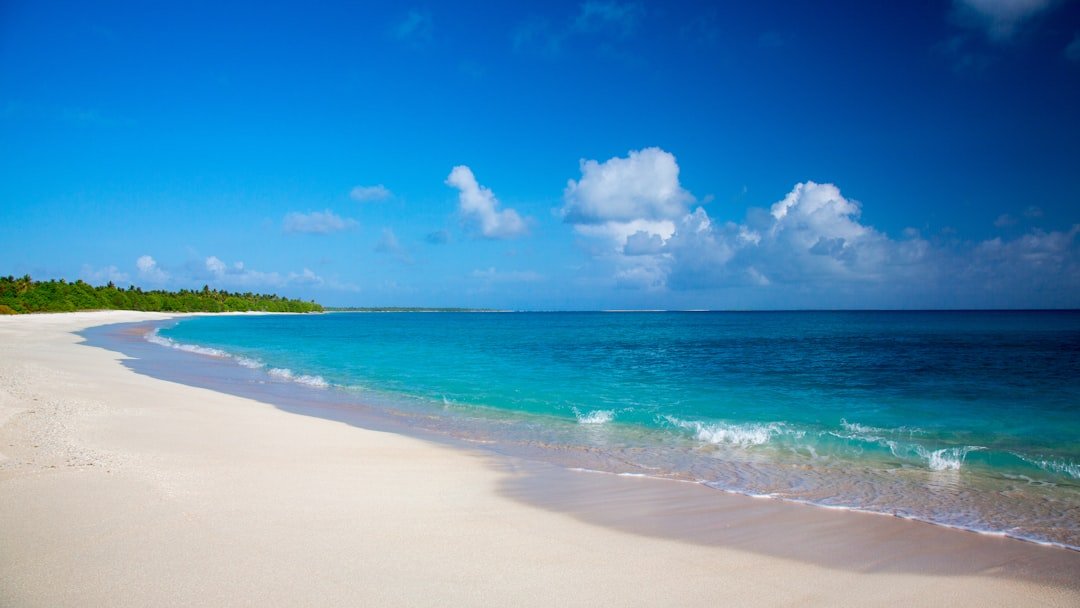
Jamaica stays warm throughout the year, but the best time to travel depends on what matters most to you: drier beach weather, lower prices, smaller crowds, festivals, or outdoor adventure. For many travelers, December through April offers the easiest combination of sunshine and lower rainfall, while late spring and autumn can offer better value if you are comfortable with a greater chance of showers.
Quick Answer
For the most dependable dry weather, visit Jamaica from December through April. January through March is especially attractive for beaches and outdoor sightseeing, but it is also a busy and often more expensive period. For better value and fewer crowds, consider late April, May, or November while accepting a higher chance of rain.
Key Takeaways
- Best overall weather: December through April is generally Jamaica’s drier period and a popular time for beach vacations.
- Best balance of weather and value: Late April and parts of November can provide smaller crowds and competitive rates, although rainfall is less predictable.
- Rainfall pattern: Jamaica has two typical rainfall peaks, a smaller one around May and a larger one around October.
- Hurricane season: The Atlantic hurricane season officially runs from June 1 through November 30, with climatological activity greatest from August into October.
- Festivals: Major annual events include Carnival, Reggae Sumfest, Jamaica Festival around Independence celebrations, and the Reggae Marathon. Exact dates can change.
- Activities: Snorkeling, diving, waterfalls, hiking, cultural attractions, and Jamaican food can be enjoyed year-round, although weather can affect outdoor plans.
Disclosure: As an Amazon Associate I earn from qualifying purchases. Some links on this page are affiliate links, at no extra cost to you.
Jamaica Weather and the Best Months to Visit
Jamaica has a tropical climate influenced by its location, trade winds, coastline, hills, and mountains. According to the Meteorological Service of Jamaica, historical average temperatures are roughly 24–27°C (75–81°F), with conditions varying by elevation and proximity to the coast.
Coastal resort areas are generally warmer and more humid, while higher elevations, including the Blue Mountains, can be noticeably cooler. Rainfall also varies substantially across the island, so conditions in Kingston, Montego Bay, Negril, Ocho Rios, Port Antonio, and the mountains may not be identical on the same day.
Rather than one uniform rainy season, Jamaica has a bimodal rainfall pattern. Rainfall typically has a secondary peak around May and a larger primary peak around October. February and March are generally among the drier months, while July can produce a relative break in the broader wet-season pattern.
Best Time to Visit Jamaica at a Glance
| Period | Typical Conditions | Best For |
| December–March | Generally drier, warm, and comfortable; February–March are often especially dry. | Beaches, sightseeing, hiking, first-time visits |
| April–May | Warm transition period; rainfall tends to increase toward the May rainfall peak. | Shoulder-season value, Carnival, fewer crowds |
| June–August | Hot and humid with showers possible; July may have a relative rainfall lull. Hurricane season is active. | Summer deals, festivals, flexible travelers |
| September–November | Higher rain and tropical-weather risk, with the primary rainfall peak typically around October. | Lower-demand travel for visitors with flexible plans |
Best Time to Visit Jamaica by Travel Style
- For the driest weather: January through March is a strong choice, with December and April also commonly favorable.
- For beaches and water activities: December through April usually provides an easy combination of warmth and relatively dry conditions, although sea conditions can vary from day to day.
- For lower prices: Late spring through autumn often brings more promotions than the winter high season, but rates vary by resort, holiday, and event.
- For fewer crowds: Consider periods outside Christmas, New Year, spring break, Easter, and other major holiday or festival weeks.
- For hiking: Drier winter and early-spring conditions can make trails easier, especially in mountainous areas.
- For festivals: Choose dates around the specific event and verify the current calendar before booking flights.
Peak Tourist Seasons
Jamaica’s most popular travel period generally runs through the northern-hemisphere winter and early spring. The Jamaica Tourist Board highlights December through April as a favored period for sunny, breezy beach weather. Christmas, New Year, school holidays, and spring travel can make parts of this period especially busy.
Popular Destinations
Montego Bay, Negril, and Ocho Rios attract many visitors during the drier winter season. These resort areas offer beaches, snorkeling, diving, boating, restaurants, nightlife, waterfalls, excursions, and cultural experiences. Kingston is also a strong choice for travelers focused on museums, music, food, and Jamaican history.
Booking Accommodations
It’s sensible to book accommodations and flights well in advance for Christmas, New Year, popular winter weeks, spring break, and major events. Rooms and desirable flight times can become limited, and prices may rise as availability falls.
Pro Tip: If your dates are flexible, compare stays beginning a few days before or after major holidays. A small date change can sometimes reduce both hotel rates and crowd levels.
Holidays and Events
Christmas and New Year’s celebrations create a lively atmosphere across Jamaica. Hotels, restaurants, entertainment venues, churches, communities, and nightlife districts may host special programs, meals, music, and celebrations. This energy can be a highlight, but travelers should expect greater demand in popular resort areas.
Off-Peak and Shoulder-Season Travel
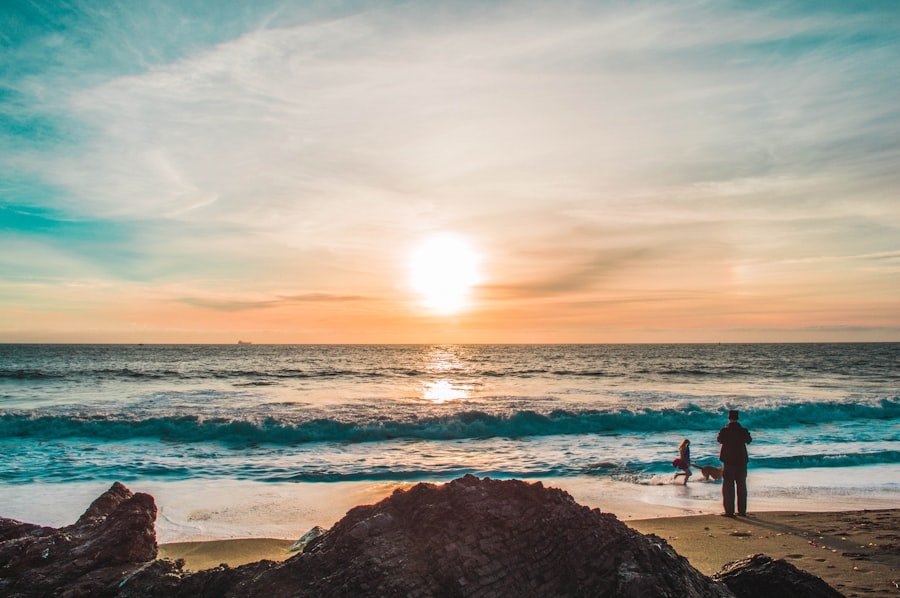
Travel from late spring through autumn can feel very different from a winter visit. Rain is more likely, humidity is higher, and tropical systems become a consideration after hurricane season begins. However, the wetter months also support Jamaica’s lush landscapes, and some travelers prefer the smaller crowds and potential accommodation promotions.
A rainy-season trip does not necessarily mean constant rain every day. Tropical showers can be brief and localized, while other days may be much wetter. Because Jamaica has strong regional and elevation differences, a forecast for one part of the island may not match another.
Traveling outside peak winter demand can also lead to meaningful savings. Hotels and resorts may use packages or promotions to attract visitors during quieter periods, while airfares can sometimes be lower than during major holiday weeks. These savings are not guaranteed, so compare the total trip price rather than assuming every summer or autumn date will be inexpensive.
Hurricane Season in Jamaica
The official Atlantic hurricane season runs from June 1 through November 30, according to the U.S. National Hurricane Center. Historical Atlantic tropical-cyclone activity is greatest from roughly mid-August into mid-October, with the climatological peak occurring in September.
This does not mean a hurricane will affect Jamaica during your trip. Many visits during hurricane season take place without a tropical cyclone nearby. It does mean travelers should build more flexibility into their plans, particularly in late summer and early autumn.
Warning: If you travel during hurricane season, check cancellation rules before paying, consider travel insurance that covers relevant weather disruptions, and follow official forecasts and local emergency instructions if a storm threatens Jamaica.
Seasonal hurricane outlooks describe overall basin activity and cannot tell you months in advance whether a particular resort or travel date will be affected. As departure approaches, use current forecasts rather than relying on a seasonal prediction alone.
Special Events and Festivals
Jamaica’s event calendar can be a reason to choose one month over another. Because festival dates, venues, and formats can change from year to year, confirm the current schedule before buying nonrefundable travel.
Carnival in Jamaica
Carnival brings soca, costumes, fetes, concerts, and Road March celebrations, with major activity centered in Kingston and events elsewhere on the island. The timing generally falls around the spring period, but exact dates change. Check the official Carnival in Jamaica information when planning specifically for the celebration.
Reggae Sumfest
Reggae Sumfest is one of Jamaica’s signature music events and is associated with July. Its exact format, lineup, and venue can change. Rather than assuming it will always follow the same multi-day Montego Bay schedule, check the official Reggae Sumfest website for the current year’s program.
Emancipation and Independence Celebrations
Jamaica observes Emancipation Day on August 1 and Independence Day on August 6. Jamaica Festival activities around this period can include concerts, cultural performances, markets, pageants, food, music, dance, and community celebrations. Visitors at this time have an opportunity to experience national traditions well beyond the resort areas.
Other Annual Events
The Jamaica Tourist Board’s signature-events calendar also highlights annual experiences such as the Reggae Marathon and food, music, sporting, and cultural festivals. Travelers planning around an event should confirm the exact date and location before booking.
Budget-Friendly Travel Times
For travelers watching their budget, timing can make a major difference. The quieter months from late spring through autumn often provide more opportunities for resort promotions than the peak winter period. Airlines may also offer competitive fares when demand is lower.
Shoulder periods such as late April, parts of May, and November can be worth comparing because they may combine lower demand with reasonable opportunities for outdoor activities. However, May has a typical rainfall peak, October is normally Jamaica’s wettest rainfall peak, and November remains within the Atlantic hurricane season.
The cheapest-looking hotel rate is not always the cheapest trip. Compare airfare, transfers, resort fees, cancellation terms, and weather flexibility before choosing dates.
Travelers can often enjoy attractions with fewer visitors during quieter periods while taking advantage of restaurant, hotel, or activity promotions when available. By comparing several nearby dates, budget-conscious travelers can often reduce costs without giving up the experiences that matter most to them.
Outdoor Activities and Adventure Sports
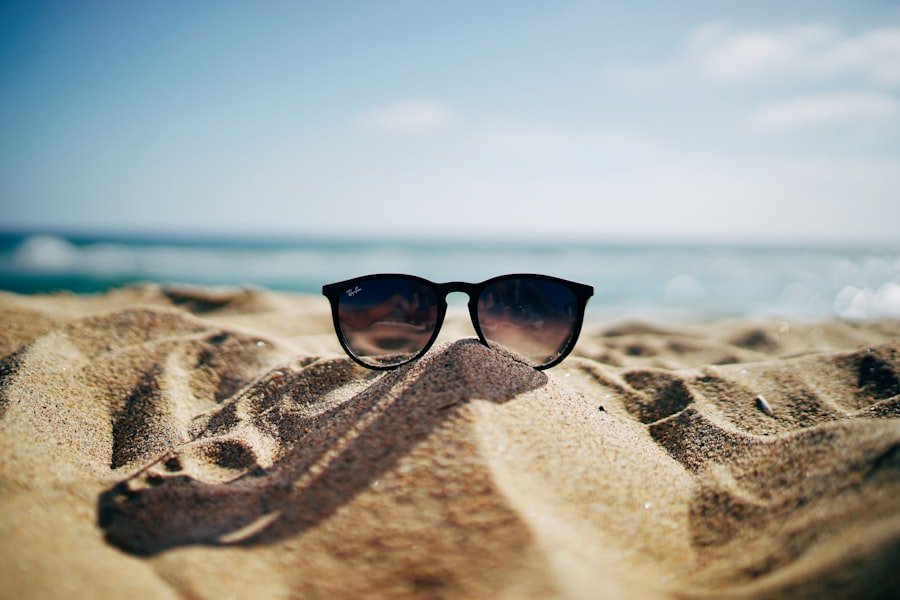
Jamaica’s beaches, reefs, rivers, waterfalls, forests, and mountains provide activities throughout the year. Popular coastal options include snorkeling, scuba diving, paddleboarding, boating, swimming, and other water sports. Negril’s Seven Mile Beach and the Ocho Rios area are well known bases for visitors who want to spend time on or near the water.
For hiking, the Blue Mountains offer cooler elevations, mountain scenery, trails, and views across coffee-growing country. Drier conditions can make hiking more comfortable, while heavy rain may make some trails slippery or reduce visibility.
Dunn’s River Falls near Ocho Rios is one of Jamaica’s best-known natural attractions. Visitors can climb sections of the terraced falls, spend time in natural pools, or enjoy the surrounding park and beach. Water shoes with good traction are useful for the climb.
Zip-lining, rafting, river excursions, and other adventure activities are also available around the island. Weather can affect operating conditions, so confirm tours locally after periods of heavy rain or severe weather.
Cultural and Historical Sightseeing
Jamaica’s history and music offer plenty to explore away from the beach. In Kingston, the Bob Marley Museum occupies the reggae musician’s former home. Exhibits and tours introduce visitors to his life, music, recording career, and cultural influence.
Port Royal, near Kingston, was an important 17th-century port and became notorious for piracy, privateering, trade, and nightlife. Its dramatic reputation later produced descriptions such as the “wickedest city on earth,” but travelers should treat that phrase as part of the popular historical legend rather than a literal historical measurement.
Rose Hall Great House near Montego Bay offers another look at Jamaica’s colonial-era architecture and plantation history. Its haunted-tour stories and the legend of the “White Witch” are part of the attraction’s tourism tradition, while the property itself is a recognized historic site.
Travelers interested in Jamaican rum can also tour Appleton Estate in St. Elizabeth. Together, museums, heritage sites, estates, neighborhoods, galleries, and cultural tours provide a deeper view of Jamaica than a beach-only itinerary.
Local Cuisine and Dining Experiences
Jamaican cuisine reflects African, European, Indian, Chinese, and Indigenous influences developed over centuries. Classic dishes include jerk chicken or pork, rice and peas, curry goat, patties, escovitch fish, festival, and ackee and saltfish.
Traditional jerk is seasoned with a powerful mixture of herbs, spices, peppers, and aromatics, then cooked to develop its characteristic smoky flavor. Roadside stands, casual cookshops, beach restaurants, markets, and established restaurants all provide ways to experience Jamaican cooking.
A Jamaican breakfast may include ackee and saltfish, fried plantain, dumplings, breadfruit, yam, callaloo, or bammy. Coastal areas are also excellent places to look for freshly prepared fish and seafood.
For travelers seeking a more formal dining experience, The HouseBoat Grill in Montego Bay remains a distinctive waterside option with a seasonal menu and views across the Montego Bay Marine Park area. Whatever your budget, trying both informal local food and sit-down dining gives a fuller picture of the island’s food culture.
Note: Opening days, tour schedules, restaurant hours, festival dates, and attraction conditions can change. Confirm time-sensitive details directly with the operator before traveling across the island for a specific experience.
If you are considering traveling to Jamaica, you can also review this planning guide on the best time to visit Jamaica. Comparing your preferred weather, crowd level, activities, and budget will help you choose dates that fit your trip rather than relying on one “perfect” month for every traveler.
Frequently Asked Questions
What is the best time to travel to Jamaica?
December through April is generally the best period for travelers who prioritize drier weather. January through March is particularly attractive for beaches and outdoor sightseeing, although winter is also one of the busiest and often more expensive travel periods.
What is the weather like in Jamaica during the best time to travel?
Jamaica remains warm during winter, while rainfall is generally lower than during the wetter parts of the year. Coastal areas stay warm and tropical, while higher elevations such as the Blue Mountains can be noticeably cooler.
When is hurricane season in Jamaica?
The official Atlantic hurricane season runs from June 1 through November 30. Historically, Atlantic tropical-cyclone activity is greatest from roughly mid-August into mid-October. A hurricane-season visit can still have excellent weather, but flexible reservations and suitable travel insurance are worth considering.
What is the cheapest time to visit Jamaica?
Prices often become more competitive outside the winter high season, particularly from late spring through autumn. There is no single guaranteed cheapest month because airfare and hotel rates depend on holidays, events, demand, departure city, and how early you book.
Are there festivals worth planning a Jamaica trip around?
Yes. Major events include Carnival, Reggae Sumfest, Jamaica Festival around the August 1 and August 6 Emancipation and Independence celebrations, and the Reggae Marathon. Exact dates and venues can change, so verify the current official calendar before booking.
Is Jamaica crowded during the best weather months?
Popular resort areas can be busier during the winter dry season, especially around Christmas, New Year, school holidays, and spring travel periods. Booking important hotels, flights, restaurants, and tours early is sensible for these dates.
Which activities are best during Jamaica’s drier months?
Beaches, snorkeling, diving, hiking, waterfall visits, sightseeing, and outdoor excursions are generally easier to plan during drier weather. Many of these activities operate year-round, but heavy rain, rough seas, or tropical weather can occasionally change tour conditions.
Sources
- Meteorological Service of Jamaica — Jamaica NDC 3.0 — temperature range, elevation effects, and Jamaica’s bimodal rainfall pattern.
- NOAA National Hurricane Center — Tropical Cyclone Climatology — Atlantic hurricane-season dates and historical seasonal activity.
- Jamaica Tourist Board — Visit Jamaica — seasonal travel and December-to-April weather guidance.
- Jamaica Tourist Board — Signature Events — major annual festivals and sporting events.
- Reggae Sumfest — official event scheduling, venue, and program information.
- Bob Marley Museum — official information about the Kingston museum and Bob Marley’s former home.
