
Last Updated on July 31, 2026 by Daniel Globe
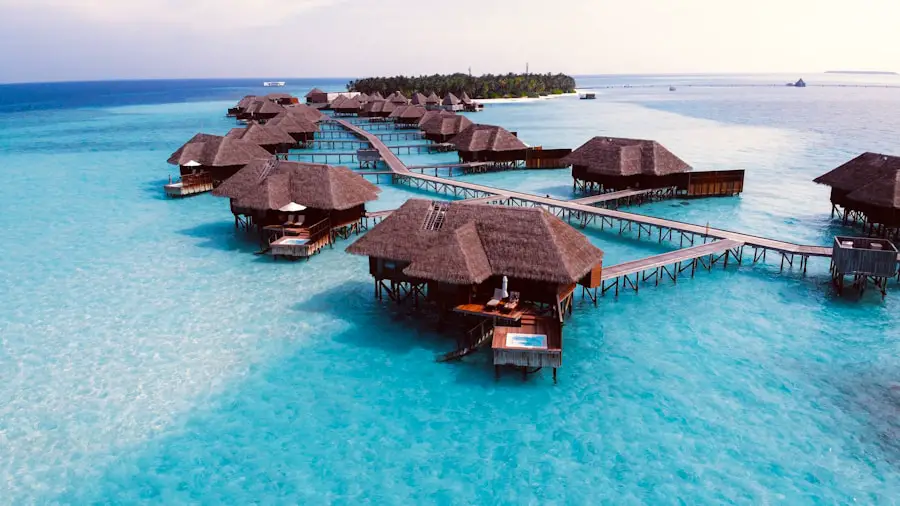
Bora Bora is a tropical island in French Polynesia known for its turquoise lagoon, barrier reef, volcanic peaks, and overwater resorts. It lies about 259 kilometers from Tahiti and is reached by a flight of roughly 50 minutes. Choosing when to visit depends on whether you value drier weather, lower prices, cultural events, marine life, or fewer visitors.
Quick Answer
The best time to visit Bora Bora is usually May through October for drier weather and lower humidity. For the best balance of weather, crowds, and price, target May, June, September, or October. Visit in July for Heiva celebrations, or during the warmer November-to-April season for possible savings and fewer visitors.
Key Takeaways
- Best overall weather: May through October, when humidity and rainfall are generally lower.
- Best balance of weather and value: May, June, September, and October.
- Best for cultural events: July for Heiva i Bora Bora.
- Best for diving visibility: Commonly May through October, although diving and swimming are possible year-round.
- Best chance of lower prices: Parts of November through April, excluding high-demand holiday periods.
- Whale season: Broadly July through November in French Polynesia, although sightings are never guaranteed.
Disclosure: As an Amazon Associate I earn from qualifying purchases. Some links on this page are affiliate links, at no extra cost to you.
Bora Bora Seasons at a Glance
Bora Bora has a warm, tropical maritime climate. Official guidance from Tahiti Tourisme divides the year into a drier, cooler season from May to October and a warmer, wetter season from November to April. These are broad patterns rather than guarantees for a specific travel week.
| Period | What to Expect |
|---|---|
| May–October | Lower humidity, generally less rain, cooler nights, trade winds, and dependable conditions for lagoon activities. |
| July–August | Popular dry-season travel period with strong demand, cultural events, and less flexibility for last-minute bookings. |
| May–June and September–October | Often the best compromise between favorable weather, availability, and lighter crowds. |
| November–April | Warmer, more humid conditions with a greater chance of tropical showers and possible lower-demand deals. |
| Late December–early January | Wet-season weather but potentially high holiday demand, so do not assume these dates will be inexpensive. |
Weather and Climate in Bora Bora
Météo-France Polynésie describes French Polynesia as having a humid tropical maritime climate with a warmer season from November to April and a cooler season from May to October. Temperatures remain warm throughout the year, but humidity, rainfall, wind, and cloud cover can change from one week to the next.
Dry Season: May to October
The dry season is the most popular choice for travelers who want beach time, lagoon tours, snorkeling, diving, hiking, and outdoor dining. Rainfall is generally lower, humidity is more comfortable, and trade winds can make afternoons feel less oppressive.
Dry does not mean rain-free. Passing showers, cloudy periods, strong wind, and ocean swell remain possible. July and August may also feel breezier than travelers expect, especially during boat rides or in an exposed overwater bungalow.
Warm and Wet Season: November to April
The warmer season brings higher humidity and a greater chance of tropical showers. Rain may arrive as a brief downpour followed by sunshine, but longer unsettled periods are also possible. Vegetation is especially lush, and the island can feel quieter outside the Christmas and New Year travel period.
This season can work well for flexible travelers who are comfortable with mixed weather. It is less suitable for anyone whose trip would feel ruined by several cloudy or rainy days.
Warning: Long-term seasonal patterns cannot predict the conditions during your exact stay. Check the current Météo-France forecast and confirm boat-tour operating conditions before entering the lagoon or open ocean.
Best Time to Visit Bora Bora by Travel Goal
| Travel Goal | Best Period | Why |
|---|---|---|
| Best overall balance | May, June, September, or October | Generally favorable weather without concentrating only on the busiest midyear weeks. |
| Driest seasonal conditions | June–September | Usually lower humidity and less frequent rainfall, although no month is rain-proof. |
| Lower-demand travel | November–April, outside holiday weeks | Possible resort or package savings in exchange for warmer, wetter weather. |
| Cultural celebrations | July | Heiva i Bora Bora brings traditional dance, music, singing, and community events. |
| Diving visibility | May–October | The dry season commonly produces the clearest underwater conditions. |
| Whale-watching opportunity | July–November | Humpback whales migrate through French Polynesian waters, but sightings depend on nature and local conditions. |
Pro Tip: Start by checking May, June, September, and October. These months often preserve much of the dry season’s appeal while giving you more flexibility than a trip centered only on July or August.
Peak Season, Shoulder Season, and Lower-Demand Travel
Popular Dry-Season Travel
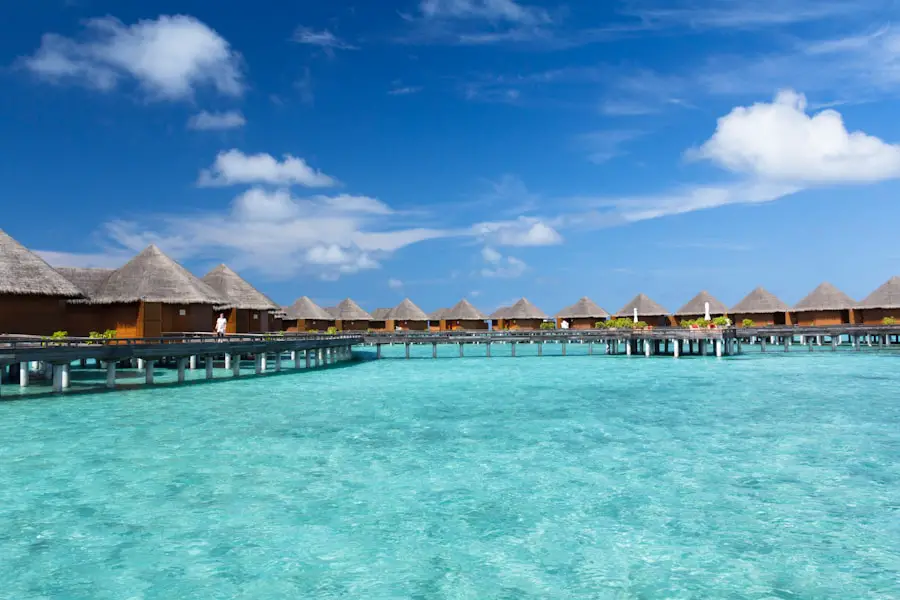
Demand rises during the drier middle of the year as travelers seek lower humidity and more dependable outdoor conditions. July is particularly attractive because visitors can combine favorable weather with Heiva celebrations. Families traveling during Northern Hemisphere school holidays can also add to demand in July and August.
Travelers choosing these periods should reserve preferred overwater bungalows, connecting rooms, airport transfers, and limited-capacity excursions early. Higher demand can reduce room choice even when a resort is not completely sold out.
Shoulder-Season Opportunities
May, June, September, and October are often strong alternatives. They sit within or close to the drier part of the year while avoiding an exclusive focus on the busiest holiday weeks. Exact rates still depend on the property, room category, length of stay, and cancellation terms.
Warm-Season Value
November through April can bring fewer visitors and more promotional offers, but the trade-off is a greater chance of humid, rainy, or cloudy weather. Christmas, New Year, school breaks, and special packages can interrupt the usual low-demand pattern.
Note: Weather season and pricing season are not identical. Compare the complete trip price for your exact dates rather than assuming every November-to-April stay will be cheaper.
Bora Bora Month by Month
| Month | Typical Pattern | Best For |
|---|---|---|
| January | Hot, humid, and within the wetter season; holiday demand may continue early in the month. | Flexible travelers who do not mind tropical showers. |
| February | Warm and humid with a meaningful chance of rain and cloud cover. | Lower-demand stays and resort-focused trips. |
| March | Still warm and on the wetter side, with conditions varying from week to week. | Travelers prioritizing availability over perfect weather. |
| April | A transition month as humidity and rainfall may begin easing. | Early shoulder-season opportunities. |
| May | The drier, cooler season becomes established. | A strong mix of weather, water activities, and value. |
| June | Lower humidity and generally favorable outdoor conditions. | Honeymoons, snorkeling, diving, and lagoon excursions. |
| July | Dry-season conditions, cultural celebrations, and strong demand. | Heiva i Bora Bora and travelers willing to book early. |
| August | Generally dry, comfortable, and sometimes breezy. | Outdoor activities and marine excursions. |
| September | Continued dry-season appeal with changing post-summer demand. | Clear-water activities and a balanced trip. |
| October | The end of the cooler season, with temperatures and humidity beginning to rise. | Shoulder-season travel, diving, and outdoor activities. |
| November | A warmer transition month with increasing shower potential. | Flexible travel and possible Hawaiki Nui Va’a timing, depending on the annual calendar. |
| December | Hot, humid, and wetter, with holiday demand later in the month. | Festive travel for visitors who accept mixed weather. |
Best Time for Water Activities
| Water Activity | Best Time | Planning Note |
|---|---|---|
| Swimming | Year-round | Choose protected lagoon areas and follow local weather or current warnings. |
| Snorkeling | Year-round; often best May–October | Lower rainfall and clearer conditions can improve visibility. |
| Scuba diving | Year-round; clearest period commonly May–October | Site choice depends on experience, currents, wind, and operator assessment. |
| Kayaking and paddleboarding | May–October, especially calmer mornings | Wind can build later in the day, even during the dry season. |
| Lagoon and jet-ski tours | Year-round; more dependable May–October | Tours may be changed or canceled when wind, rain, or swell creates unsafe conditions. |
| Whale watching | Broadly July–November | Migration timing and sightings vary; select an operator that follows current observation rules. |
| Surfing | Depends on swell and reef conditions | Bora Bora reef breaks are not equivalent to calm lagoon swimming areas and may require advanced skill and local guidance. |
Bora Bora’s lagoon supports snorkeling, diving, swimming, paddleboarding, kayaking, and guided wildlife excursions throughout the year. According to Tahiti Tourisme’s diving guidance, diving is possible year-round in French Polynesia, while May through October commonly provides the best visibility.
Dry-season underwater visibility at suitable French Polynesian dive sites can reach approximately 30 to 40 meters, but local visibility changes with rain, current, wind, and location.
Beginners may prefer protected lagoon sites and guided excursions. Experienced visitors can consider outer-reef or open-ocean activities after discussing currents, swell, entry conditions, and certification requirements with a reputable operator.
Shark-and-ray lagoon excursions are widely associated with Bora Bora, but wildlife behavior and sightings cannot be guaranteed. Favor tours that emphasize respectful observation and follow current local environmental rules.
Best Time for Budget Travel
The warmer November-to-April season may offer lower accommodation or package prices because demand can be softer. However, savings are not automatic. Christmas, New Year, school holidays, limited room inventory, and international airfare can make some wet-season dates expensive.
Overwater bungalows usually cost more than garden rooms, beach rooms, pensions, and small guesthouses. Travelers who care more about the lagoon than a particular room category can often reduce the total price by combining a shorter overwater stay with a more affordable room elsewhere.
- Compare complete packages: Include international flights, the Tahiti-to-Bora Bora flight, boat transfers, meals, taxes, and excursions.
- Check meal-plan pricing: Resort dining can be a major expense, and restaurant prices do not necessarily fall during the wet season.
- Use flexible dates: Moving a trip by several days may reveal a different room category or airfare.
- Review cancellation terms: A deeply discounted nonrefundable rate may be poor value if weather or flight disruptions affect the trip.
- Consider shoulder months: May, June, September, and October may provide a better weather-to-price balance than the wettest months.
Special Events and Festivals
Heiva i Bora Bora
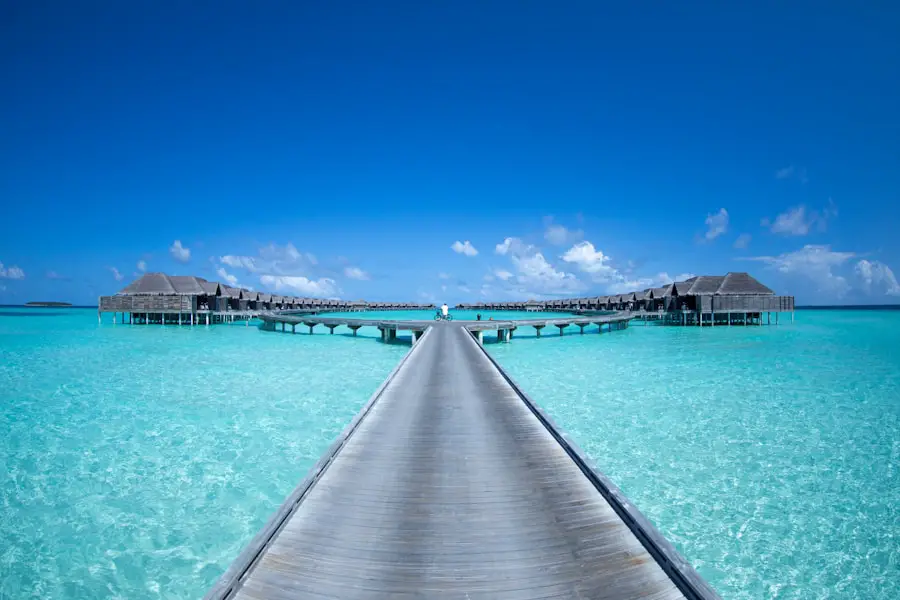
Heiva i Bora Bora is held during July and celebrates Polynesian culture through traditional dance, singing, music, costumes, and community competitions. It can be one of the most memorable times to visit, but it also increases demand for accommodation and transportation.
Hawaiki Nui Va’a
Hawaiki Nui Va’a is a major outrigger-canoe race through the Society Islands. Crews travel from Huahine to Raiatea and Taha’a before the final stage reaches Bora Bora. The event usually falls in late October or early November, but dates vary. The official events calendar should be checked before booking a trip around it.
The race creates a lively atmosphere around the finish, with residents and visitors gathering near the lagoon to welcome the crews. Travelers who prefer quiet beaches should consider whether the excitement and additional demand suit their plans.
Note: Festival schedules can change from year to year. Confirm exact dates, venues, ticket arrangements, and transportation before purchasing nonrefundable travel.
Whale Watching and Seasonal Wildlife
Humpback whales migrate through French Polynesian waters during the second half of the year, with the broad tourism season commonly described as July through November. This can add another reason to choose a late dry-season or early warm-season visit.
Whale watching remains a wildlife experience, not a scheduled performance. Weather, animal movement, tour permissions, and operating rules can all affect whether a trip runs or produces a sighting. Ask the operator how it follows current approach and observation requirements.
Tips for Booking Accommodation and Activities
Advance planning matters most during popular dry-season weeks, July events, holiday periods, and stays requiring a specific overwater bungalow category. Bora Bora’s airport is on Motu Mute. Air Tahiti states that its passenger shuttle connects the airport with Vaitape, while many resorts arrange their own boat transfers.
- Choose the travel period before the resort: Decide how much rain, humidity, wind, and crowding you will accept.
- Confirm every transfer: Check whether airport boats, resort transfers, and baggage handling are included or charged separately.
- Reserve limited-capacity excursions: Popular lagoon tours, private boats, diving trips, and sunset cruises may have few spaces.
- Keep one flexible day: This gives an operator room to move a weather-dependent activity.
- Read cancellation policies: Check what happens if weather cancels an activity or an inter-island flight changes.
- Reconfirm shortly before travel: Verify event dates, transfer times, activity pickup points, and the current weather forecast.
What to Pack in Each Season
Year-Round Essentials
- Lightweight, breathable clothing
- Sun-protective clothing, hat, sunglasses, and broad-spectrum sunscreen
- Swimwear and a dry change of clothes
- Water shoes or secure sandals for rough or coral-strewn surfaces
- A reusable water bottle and small dry bag
- Necessary medication and copies of important travel documents
Dry-Season Additions
Bring a light sweater or wind-resistant layer for breezy boat rides, cool evenings, and strongly air-conditioned rooms. A rechargeable hand warmer is normally unnecessary in Bora Bora’s tropical climate.
Wet-Season Additions
Pack quick-drying clothing, a compact rain shell, insect repellent, waterproof storage for electronics, and footwear that remains secure on wet surfaces.
Before departure, confirm the voltage and outlet setup at your accommodation. A compact adapter may help when your devices use a different plug; this universal travel adapter guide explains common options. A hard-shell golf travel bag is only relevant if a broader French Polynesia itinerary actually includes golf; it is not a standard Bora Bora essential.
Finding the Perfect Time to Visit Bora Bora
For most visitors, May, June, September, or October provides the strongest balance of comfortable weather, water activities, and flexibility. July is a better fit for travelers who want Heiva celebrations and do not mind stronger demand. November through April can reward flexible visitors with quieter periods or promotional prices, but it carries a greater chance of heat, humidity, and rain.
No month guarantees perfect skies or calm water. The best choice is the period whose trade-offs match your priorities. Compare exact prices, check annual event dates, leave room for weather changes, and use current forecasts rather than relying on seasonal averages alone.
Frequently Asked Questions
What is the best time to travel to Bora Bora?
May through October generally offers the driest and least humid weather. May, June, September, and October are especially useful for travelers seeking a balance between favorable conditions, crowds, availability, and price.
What is the weather like during Bora Bora’s dry season?
The May-to-October dry season usually has lower humidity, less rainfall, and comfortable trade winds. Temperatures remain warm, and rain or rough water can still occur.
When is Bora Bora busiest?
Demand is commonly strongest during popular dry-season and school-holiday periods, especially around July and August. July’s Heiva celebrations can create additional demand for rooms, excursions, and transfers.
What is the cheapest time to visit Bora Bora?
Parts of the November-to-April warm season may have lower-demand rates, but savings are not guaranteed. Christmas, New Year, limited room availability, and airfare can keep some dates expensive.
Can you swim and snorkel in Bora Bora year-round?
Yes. Lagoon water remains warm enough for swimming throughout the year. Snorkeling is also available year-round, although visibility and surface conditions are often most dependable during the May-to-October dry season.
When can you see whales near Bora Bora?
The broad humpback-whale season in French Polynesia runs from July through November. Migration timing, weather, operating permissions, and animal movement affect each excursion, so sightings cannot be guaranteed.
Does Bora Bora have a cyclone season?
The warmer November-to-April period broadly overlaps the South Pacific tropical-cyclone season. A cyclone will not affect every trip, but travelers should monitor official forecasts and consider flexible booking or travel-insurance terms.
Sources
- Météo-France Polynésie — Climate of French Polynesia — seasonal temperature, humidity, and climate patterns.
- Tahiti Tourisme — When to Visit The Islands of Tahiti — dry and wet seasons, activities, and whale season.
- Air Tahiti — Bora Bora — distance from Tahiti, flight duration, airport, and shuttle information.
- Tahiti Tourisme — Diving in French Polynesia — year-round diving and dry-season visibility.
- Tahiti Tourisme — Why Visit Bora Bora — Heiva i Bora Bora and the Hawaiki Nui Va’a finish.
- Tahiti Tourisme — Festivals and Events — official cultural and canoe-racing event information.
