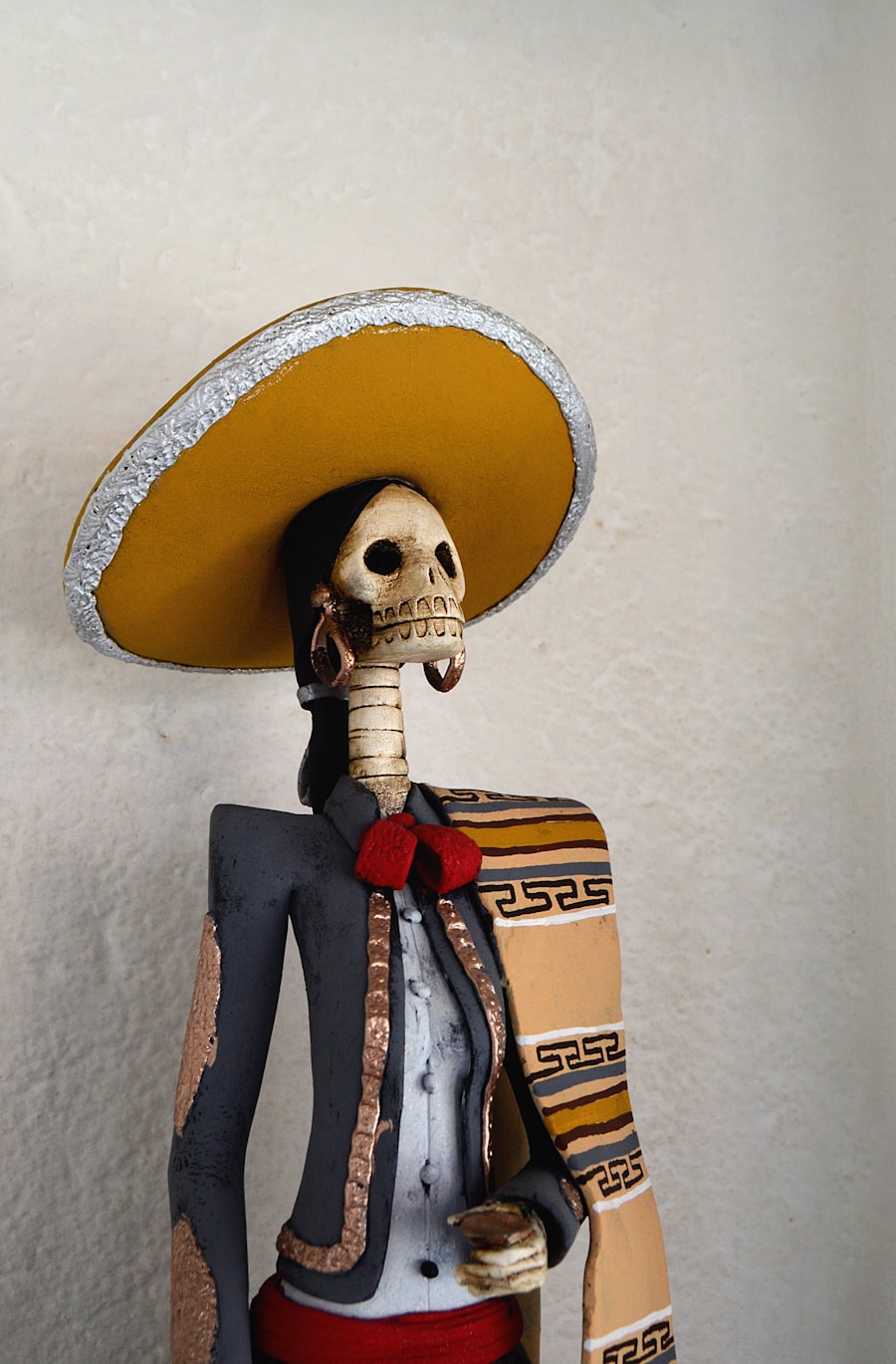
Last Updated on July 31, 2026 by Daniel Globe
The best time to visit Mexico depends on where you are going and what you want to do. Mexico’s Caribbean beaches, Pacific resorts, highland cities, northern deserts, and southern rainforests do not follow one identical weather calendar. Choosing the right dates means balancing rainfall, heat, crowds, prices, festivals, wildlife, and coastal storm risk.
Quick Answer
The best time to visit Mexico is usually November through April for drier weather, but the right month depends on your destination. Choose December–April for many beaches, March–May or October–November for central cities, and May–June or September–early November for possible savings while monitoring coastal weather.
Key Takeaways
- November through April brings drier, more predictable weather to many popular beach and cultural destinations.
- Mexico’s climate changes sharply by region and elevation, so there is no single best month for the entire country.
- Christmas, New Year, spring break, and Semana Santa can bring higher prices and heavier crowds.
- May–June and September–early November may offer better value, but heat, rain, and coastal storm risks require flexibility.
- The Atlantic hurricane season runs June 1–November 30, while the eastern Pacific season runs May 15–November 30.
- Winter is especially useful for Baja whale watching, while late October and early November are popular for Day of the Dead events.
Disclosure: As an Amazon Associate I earn from qualifying purchases. Some links on this page are affiliate links, at no extra cost to you.
Best Time to Visit Mexico at a Glance
At a Glance
| Best overall balance | Late November, February, and early March often balance favorable weather with fewer crowds than major holiday weeks. |
| Caribbean and Pacific beaches | December through April generally offers drier weather, though prices and crowds are often higher. |
| Mexico City and highland cities | March through May and October through November offer comfortable sightseeing conditions for many travelers. |
| Lower prices | May–June and September–early November can be less expensive outside festivals and holidays, but weather risks are higher. |
| Festivals and culture | Visit in July for Oaxaca’s Guelaguetza events or from late October into early November for Day of the Dead observances. |
| Wildlife | December through April is a key gray-whale period in parts of Baja; monarch sanctuaries generally receive visitors from November through March. |
There is no universal “best month” for Mexico. The most useful dates depend on your destination, planned activities, budget, and tolerance for heat or rain.
How Mexico’s Climate Changes by Region
Mexico’s climate is as diverse as its geography. Coastal resorts can be hot and humid while highland cities are mild during the day and cool after sunset. Northern deserts may have very hot summers and cold winter nights, while tropical southern areas receive more rain.
- Caribbean coast and Yucatán Peninsula: Cancún, the Riviera Maya, Cozumel, and Mérida are warm for most of the year. Humidity and rain generally increase from late spring into fall.
- Pacific coast: Puerto Vallarta, Acapulco, Huatulco, and Puerto Escondido usually have a drier winter and a wetter, more humid summer.
- Baja California and Los Cabos: The climate is drier than the tropical coasts, but winter evenings and ocean water can feel cooler. Summer and early fall can be extremely hot.
- Mexico City and central highlands: Elevation keeps daytime temperatures milder than at the coast. Nights can be cool, and afternoon rain is common during the summer wet season.
- Oaxaca, Chiapas, and southern Mexico: Conditions vary between highland cities, tropical lowlands, forests, and beaches. Rain becomes more frequent during summer and early fall.
- Northern Mexico: Desert and inland regions can have scorching summer days, large day-to-night temperature changes, and chilly winter conditions.
Note: Seasonal averages are planning tools, not forecasts. Check the Servicio Meteorológico Nacional shortly before departure for local conditions, heat alerts, rainfall, and active storms.
Peak Tourist Season in Mexico
When Demand Is Highest
For many beach resorts, Mexico’s high season generally runs from late November or December through April. Travelers arrive for dry weather, winter sunshine, nightlife, and outdoor activities. However, demand is not equally high every week or in every destination.
The busiest periods commonly include Christmas and New Year, school spring-break weeks, and Semana Santa, or Holy Week. Major festivals, conventions, concerts, and sporting events can also raise hotel rates outside the normal high season.
An Ideal Time for Outdoor Adventures
Drier weather makes winter and early spring attractive for beach days, archaeological sites, city walking tours, snorkeling, and hiking. Lower humidity can also make long outdoor days more comfortable in many regions.
The trade-off is cost. Popular destinations such as Cancún, Playa del Carmen, Tulum, Los Cabos, and Puerto Vallarta may have higher room rates, crowded beaches, and limited tour availability.
Planning Ahead Is Important
Pro Tip: Reserve popular hotels, guided tours, and long-distance transportation early when traveling during Christmas, New Year, spring break, Semana Santa, or a major local festival. Confirm cancellation terms before paying.
Iconic locations such as Chichén Itzá, Tulum, and Teotihuacán can develop long entry lines during peak periods. Restaurants and entertainment venues may also require advance reservations. Visiting major sites early in the morning often provides cooler temperatures and a calmer experience.
Best Time to Visit Mexico’s Beaches

For many travelers, the most reliable time for a Mexican beach vacation is between December and April. These months generally bring lower rainfall and less humidity to major Caribbean and Pacific resort areas.
Conditions still vary by coast. Cancún and the Riviera Maya remain warm during winter, while Baja California and Los Cabos can have cooler evenings, wind, and cooler ocean water. Pacific beach destinations may be dry and sunny during winter but can have different surf and current conditions from the Caribbean.
Caribbean Beaches and Sargassum
Caribbean beaches can experience changing sargassum conditions. The amount may differ from one beach to the next and can change quickly with currents, winds, and cleanup efforts. No calendar can guarantee a seaweed-free beach.
Before booking or departing, review the Mexican Navy’s Caribbean sargassum bulletins and recent reports from your hotel or local authorities.
Beach Travel During Shoulder Season
Late April, May, and late November can offer a balance of warm weather and lighter crowds. May becomes hotter and more humid in many coastal destinations, while November remains inside the official hurricane seasons until the end of the month.
Note: A destination can have clear skies during the rainy season or an unexpected storm during the dry season. Use the season to compare risk, but rely on a current forecast for daily decisions.
Ideal Time to Explore Mexico’s Cultural Sites
| Cultural Site | Ideal Time to Visit |
| Chichén Itzá | Arrive near opening time for lower heat and smaller crowds. Confirm current hours and entry arrangements with INAH before traveling. |
| Teotihuacán | Visit early on a weekday when possible. The site is exposed, with limited shade during the hottest part of the day. |
| Palenque | The drier months from roughly November through April or May generally provide easier walking conditions, although the tropical setting remains warm and humid. |
| Mexico City Historic Center | Weekday mornings are often easier for sightseeing. Spring and fall usually provide comfortable walking weather, with rain more common in summer. |
Mexico’s archaeological sites, colonial cities, museums, markets, and living traditions can be enjoyed throughout the year. For long outdoor visits, November through April generally provides drier conditions in many central and southern destinations.
Mexico City, Oaxaca, Guanajuato, Puebla, and San Miguel de Allende can also be rewarding during shoulder seasons. Spring offers warmer, drier days, while October and November combine milder highland weather with important cultural events.
Travelers visiting in late October or early November can experience Day of the Dead observances. UNESCO recognizes the Indigenous festivity dedicated to the dead, whose traditions take place from the end of October into the beginning of November.
These observances are living cultural traditions rather than performances created only for tourists. Follow local rules, ask before photographing private altars or ceremonies, and avoid blocking processions and family gatherings.
Mexico Travel by Month
| Month | What Travelers Can Expect |
| January | Dry weather in many popular regions, busy resorts, cooler highland nights, and strong whale-watching opportunities in Baja. |
| February | One of the most dependable months for dry beach weather, cultural sightseeing, and Baja whale excursions. |
| March | Warm, mostly dry conditions in many destinations. Spring-break and equinox crowds can affect beaches and archaeological sites. |
| April | Often hot and dry before the main rains. Semana Santa can create major domestic-travel crowds and high prices. |
| May | Hotter conditions, increasing humidity, and possible value after holiday travel. The eastern Pacific hurricane season begins May 15. |
| June | Rain becomes more frequent in many central and southern regions. The Atlantic hurricane season begins June 1. |
| July | Hot and humid at many beaches, with afternoon rain inland. Domestic summer travel and Oaxaca’s Guelaguetza events can increase demand. |
| August | Warm seas, high humidity, rain, and possible tropical activity. Family-vacation demand may keep some resorts busy. |
| September | Often one of the wetter and less predictable months on the coasts. Lower rates may be available, but flexible plans are important. |
| October | A transition month in many areas. Storm seasons remain active, while Day of the Dead preparations begin late in the month. |
| November | Rain often begins to ease, Day of the Dead events occur early in the month, and holiday-season demand builds later. Official hurricane seasons continue through November 30. |
| December | Drier weather returns to many destinations. Early December can be calmer, while Christmas and New Year bring higher rates and crowds. |
Weather Considerations for Traveling to Mexico
Weather should be evaluated by destination rather than by country alone. A sunny forecast in Cancún does not describe conditions in Mexico City, and temperatures in the central highlands can drop noticeably after sunset even when the afternoon is warm.
Pack light layers for highland destinations. Coastal travelers usually need breathable clothing, sun protection, and a light rain shell. During wetter months, quick-drying clothing and shoes that can handle wet streets are more practical than heavy waterproof garments.
Rainy Season Does Not Always Mean All-Day Rain
In many central and southern destinations, summer rain arrives as an afternoon or evening downpour rather than continuous rain from morning to night. Travelers can often schedule archaeological sites, walking tours, and beach activities earlier in the day and reserve indoor activities for later.
That pattern is not guaranteed. Tropical systems, stalled weather fronts, and local flooding can produce prolonged rain and travel disruption.
Hurricane Season on Mexico’s Coasts
According to the National Hurricane Center, the eastern Pacific hurricane season runs from May 15 through November 30. The Atlantic season, which includes the Caribbean Sea and Gulf coast, runs from June 1 through November 30.
These dates identify the period when tropical cyclones are most likely to form; they do not mean a storm will affect your destination. Coastal travelers should monitor forecasts, review hotel cancellation terms, and avoid nonrefundable arrangements when flexibility matters.
Warning: Never travel toward a coast under an evacuation order or ignore warnings about storm surge, flash flooding, dangerous surf, or closed roads. Follow local authorities and your accommodation provider.
Off-Peak Season in Mexico
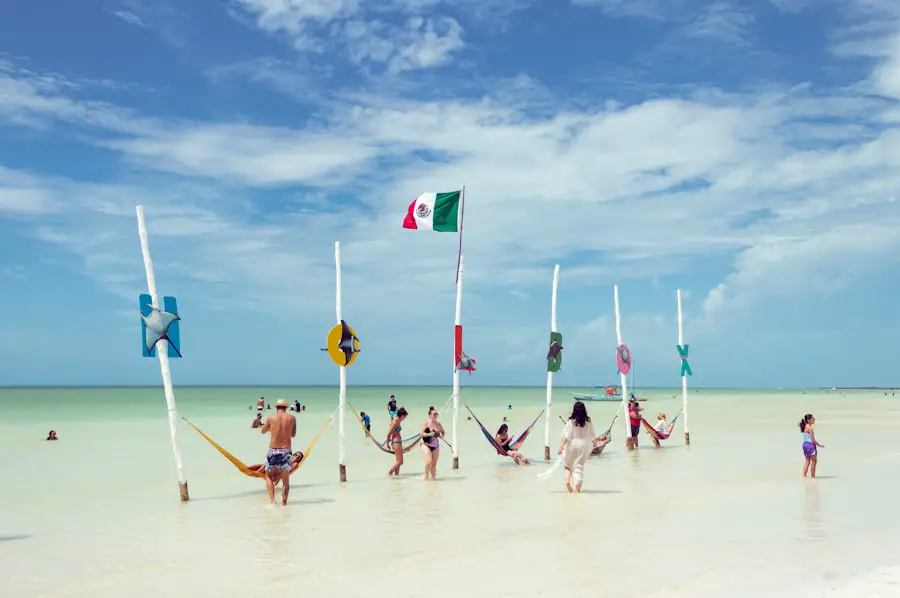
Lower Prices and Fewer Crowds
Mexico does not have one nationwide off-peak season. In many beach destinations, travelers may find lower prices during May and June or from September into early November. However, school vacations, festivals, conferences, and holiday weekends can still create busy periods.
Lower rates usually come with a trade-off. Conditions may be hotter, more humid, wetter, or less predictable. Some seasonal tours may operate less frequently, and a small hotel or restaurant may close temporarily for maintenance.
A More Authentic Experience
Traveling outside major holiday weeks can make popular archaeological sites, museums, and markets easier to explore. Restaurants may have more availability, and visitors may have more time to speak with guides, artisans, and local business owners.
Quieter travel should still be respectful. Markets, religious observances, and neighborhood events serve local communities first, even when visitors are welcome.
Flexibility Is Key
Keep at least one indoor option available for each rainy-season day. Museums, cooking classes, galleries, covered markets, cafés, and spa visits can protect the itinerary from sudden downpours.
Use refundable reservations when possible, especially for coastal trips from late summer through fall. Travel insurance may help with certain covered disruptions, but policies differ, and fear of bad weather alone is not normally a covered reason to cancel.
Best Time for Wildlife and Nature
Wildlife can be a better reason to choose travel dates than the general dry-season calendar.
- Gray whales in Baja California: At Ojo de Liebre, authorized boat-based whale watching is available during the whale-arrival period from December through April. Review current rules through CONANP.
- Monarch butterflies: The official visitor season at the Monarch Butterfly Biosphere Reserve generally runs from November through March. Conditions and butterfly concentrations change throughout the season. Check the current sanctuary information before traveling.
- Sea turtles: Nesting and release periods vary by coast, species, and local conservation program. Use authorized programs and never touch a turtle, nest, egg, or hatchling unless trained staff specifically direct you.
- Waterfalls and green landscapes: Summer rain can make areas of Chiapas, Oaxaca, Veracruz, and central Mexico especially lush, although trails and roads may become muddy or temporarily inaccessible.
Special Events and Festivals in Mexico
Mexico’s festivals can transform an ordinary trip, but they can also raise prices and make transportation or accommodation harder to secure.
Day of the Dead
Day of the Dead traditions take place from the end of October into early November. November 1 and 2 are central dates, but parades, exhibitions, altar displays, cemetery visits, and community events may begin earlier.
Oaxaca, Mexico City, Pátzcuaro, and communities across the country observe the period in different ways. Verify the local program because event dates, routes, ticket rules, and public access can change.
Guelaguetza
Oaxaca’s Guelaguetza season takes place during July and includes dance, music, food, crafts, and community events. The official program changes annually, so review the current Oaxaca government calendar before reserving tickets or transportation.
Independence Day and Cinco de Mayo
Mexican Independence Day is celebrated on September 16, with the Grito ceremony beginning on the evening of September 15. Public squares can be crowded, and some roads or government services may operate differently.
Cinco de Mayo commemorates the Mexican victory at the Battle of Puebla on May 5, 1862. It is not Mexican Independence Day. Celebrations are especially important in Puebla and may be less prominent in other parts of Mexico.
Carnival and Semana Santa
Carnival takes place before Lent, with notable celebrations in cities such as Veracruz and Mazatlán. Semana Santa occurs in March or April and is one of Mexico’s most important domestic travel periods. Beaches, bus routes, and family destinations can become extremely busy.
Tips for Traveling to Mexico in Different Seasons
- During the dry high season: Book early, compare cancellation policies, and visit major attractions close to opening time.
- During spring: Check spring-break and Semana Santa dates before choosing a beach resort or archaeological-site visit.
- During the rainy season: Plan outdoor activities for the morning and keep an indoor backup for the afternoon.
- During hurricane season: Monitor official forecasts, avoid rigid prepaid itineraries, and follow local emergency instructions.
- For highland cities: Carry a light sweater or jacket because evenings can feel cool throughout much of the year.
- For hot coastal areas: Use sunscreen, seek shade, drink water regularly, and reduce strenuous activity during the hottest hours.
- For festivals: Confirm dates and access rules directly with official organizers rather than relying on an older annual calendar.
- For archaeological sites: Bring water, a hat, supportive shoes, and sun protection. Many sites have limited shade.
Pro Tip: Choose the destination first and the month second. “Mexico in September” is too broad to judge without knowing whether the trip is to Cancún, Mexico City, Oaxaca, Los Cabos, or a northern desert region.
Before departure, review the current Mexico travel advisory, including state-specific guidance. Conditions and restrictions can differ significantly across the country and may change after an article is published.
What to Pack for Mexico by Season
Dry-Season Packing
- Breathable daytime clothing
- A sweater or light jacket for highland evenings
- Sun hat, sunglasses, and sunscreen
- Comfortable walking shoes
- Reusable water bottle
- Swimwear and a light cover-up for beach destinations
Rainy-Season Packing
- Lightweight rain jacket or compact umbrella
- Quick-drying shirts and trousers
- Water-resistant day bag or dry pouch
- Shoes with good wet-surface traction
- Insect repellent appropriate for your destination
- Backup clothing packed in a sealed bag
Organizing clothing in packing cubes can make it easier to separate wet and dry items. Travelers expecting frequent rain may also benefit from waterproof travel sneakers. Families navigating airports, city streets, and attractions can compare double travel strollers before departure.
Frequently Asked Questions
What is the best time to travel to Mexico?
November through April is the most reliable dry-weather period for many popular destinations. However, central highland cities can also be pleasant in spring and fall, while wildlife, festivals, prices, and regional weather may make another month better for a specific trip.
When should I avoid traveling to Mexico?
There is no month when all of Mexico should be avoided. Coastal travelers who want predictable beach weather may prefer not to travel during the wettest part of hurricane season. Travelers sensitive to heat may also find late spring and summer uncomfortable in tropical and desert regions.
What are Mexico’s peak tourist seasons?
Many beach resorts are busiest from December through April. The strongest demand often occurs around Christmas, New Year, spring break, and Semana Santa. Summer vacations and major local festivals can also create destination-specific peaks.
What is the best time to visit Mexico’s beaches?
December through April generally provides the driest beach weather in Cancún, the Riviera Maya, Puerto Vallarta, and many other resort areas. Baja can have cooler winter water, while Caribbean sargassum, local currents, and tropical weather may affect conditions at any time.
When is hurricane season in Mexico?
The eastern Pacific hurricane season runs from May 15 through November 30. The Atlantic season, affecting the Caribbean and Gulf coasts, runs from June 1 through November 30. A season date indicates increased potential, not a forecast that a storm will strike.
Which events and festivals should I consider?
Important periods include Day of the Dead from late October into early November, Oaxaca’s Guelaguetza events in July, Independence Day on September 16, Carnival before Lent, and Semana Santa in March or April. Confirm exact schedules annually.
What temperatures should I expect during the best travel months?
Temperatures depend on elevation and region. Tropical beaches are generally warm during winter, while Mexico City and other highland destinations can have mild afternoons and cool nights. Northern and desert areas may have much larger temperature swings.
Sources
- Servicio Meteorológico Nacional — official Mexican forecasts, warnings, rainfall, and severe-weather information.
- National Hurricane Center: Tropical Cyclone Climatology — official Atlantic and eastern Pacific hurricane-season dates.
- UNESCO: Indigenous Festivity Dedicated to the Dead — timing and cultural context for Day of the Dead traditions.
- Secretaría de Marina: Sargassum Bulletins — monitoring of sargassum moving toward the Mexican Caribbean.
- CONANP: Ojo de Liebre Lagoon Complex — official gray-whale viewing-season information.
- U.S. Department of State: Mexico Travel Advisory — current national and state-specific travel guidance.