

Last Updated on July 24, 2026 by Ethan Caldwell
Traveling with a 17-year-old works best when you balance independence with clear planning. A teen this age may be confident enough to explore, fly, or manage money with limited help, but they are still a minor in many places. Check document, airline, hotel, activity, and medical rules before you book, then agree on simple safety boundaries together.
Quick Answer
Plan the trip with your 17-year-old, not only for them. Confirm passports, consent documents, airline rules, and the accommodation’s minimum check-in age. Set check-in times, spending limits, transport plans, and an emergency backup. Give them meaningful choices while keeping the final safety plan clear.
Key Takeaways
- A 17-year-old may travel independently, but airline, border, hotel, and activity rules can still treat them as a minor.
- International trips may require a passport, visa or travel authorization, proof of relationship, custody records, or a notarized consent letter.
- Do not assume a prepaid room guarantees check-in. Confirm the property’s minimum age and required documents directly.
- Agree on check-ins, curfews, approved areas, money limits, transport, and what to do if the phone dies or plans change.
- Let your teen help choose activities and manage part of the plan so the trip supports both safety and independence.
Note: This guide uses several U.S.-based official examples. Rules depend on the traveler’s citizenship, destination, transit countries, airline, accommodation, and custody situation. Always check the official requirements that apply to your trip.
Disclosure: As an Amazon Associate I earn from qualifying purchases. Some links on this page are affiliate links, at no extra cost to you.
What Does Traveling With a 17-Year-Old Look Like?
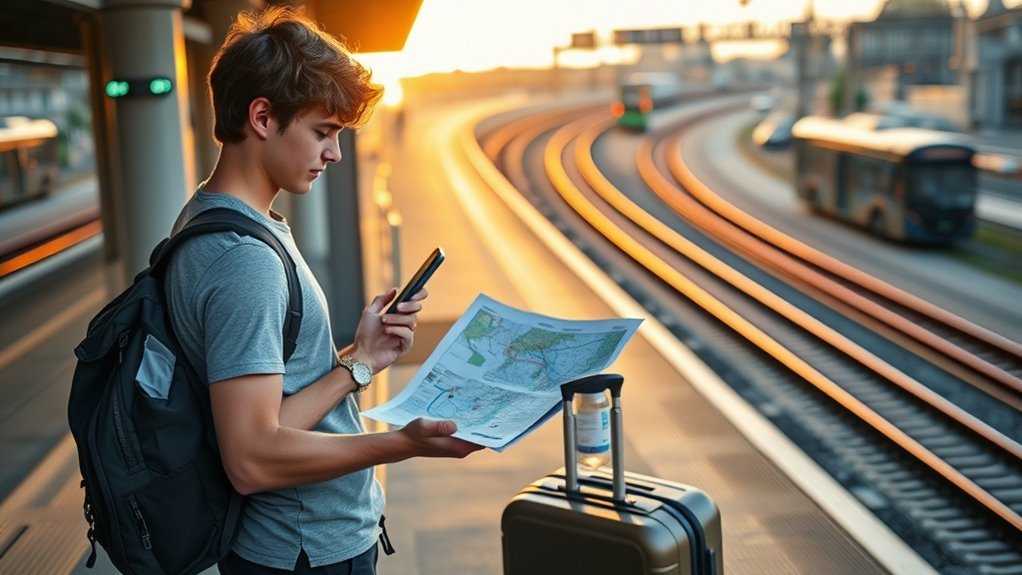
For many 17-year-olds, travel is about independence. They often want a trip that feels active, social, flexible, and worth remembering, whether that means exploring a large city, hiking in New Zealand, visiting museums, trying local food, or learning to use public transit.
They may want more than sightseeing. Surfing, cycling, mountain trails, concerts, street-food tours, technology attractions, and hands-on cultural experiences can make a trip feel personal rather than planned entirely by adults.
At the same time, 17 is a transition age. Your teen may be able to handle navigation, boarding, purchases, and short periods alone, yet still face rules that prevent them from checking into a hotel, renting a car, signing an activity waiver, or traveling across a border without extra documents.
The best plan gives them real choices while clearly separating three situations:
- Traveling with a parent or guardian: Your teen has adult support, but destination and consent rules may still apply if one parent is absent.
- Traveling with another adult: Carry written parental permission and confirm the destination’s entry and exit rules.
- Traveling alone: Check the airline, rail company, accommodation, border, and local age policies before paying.
The safest teen trip creates more independence without removing the backup plan.
Plan Safe Travel for Teens
Freedom is part of the appeal, but a smooth trip starts with practical checks. Confirm documents, health coverage, accommodation rules, transport, emergency contacts, and the amount of independence your teen can manage safely.
Check Documents and Permission
For international travel, review the official entry and exit rules for the teen’s citizenship, destination, and any country used for a layover. The U.S. Department of State guidance for travel with minors explains that some countries require formal permission from a non-traveling parent or proof of sole custody.
Depending on the trip, your document folder may include:
- A valid passport and any required visa or electronic travel authorization
- A copy of the teen’s birth certificate or other proof of your legal relationship
- A signed and notarized consent letter from the absent parent or legal guardian
- Custody, guardianship, adoption, or name-change documents when relevant
- The full itinerary, accommodation addresses, return or onward booking, and emergency contacts
- Travel insurance details and copies of prescriptions
The U.S. government also advises families to contact the destination’s embassy or consulate because consent-letter rules differ by country. Review the USAGov child travel document guide for a clear overview.
Warning: A passport alone may not be enough. A destination, airline, border officer, or custody order may require additional permission. Verify the exact rules before departure, especially when the teen travels alone, with one parent, or with an adult who is not a legal guardian.
Confirm Airline, ID, and Solo-Travel Rules
For U.S. domestic flights, the Transportation Security Administration does not normally require identification from travelers under 18, but the airline may have its own age or ID requirements. Check the current TSA identification guidance and contact the airline.
Airline rules for 15- to 17-year-olds vary. Some carriers let them travel as regular passengers, while others offer an optional unaccompanied-minor service. Connections, codeshare flights, weather disruptions, fees, gate escorts, and pickup procedures can change what is allowed. The U.S. Department of Transportation family travel guidance recommends contacting the airline well before departure.
Prepare for Health and Medical Needs
Confirm whether your existing health plan covers treatment away from home. For international trips, consider travel health and medical evacuation coverage, especially for remote destinations or adventure activities. The CDC travel insurance guide explains the difference between trip disruption, travel health, and medical evacuation coverage.
Pack medicines in original labeled containers and keep them in carry-on baggage. Check whether each medicine is legal at the destination and in transit countries. The CDC Yellow Book medication guidance recommends carrying supporting documentation when needed.
Create a simple medical card with the teen’s allergies, conditions, medicines, insurance information, emergency contacts, and the local emergency number. Do not assume 911 works outside the United States.
Pro Tip: Save document copies in two places: an encrypted digital folder that a trusted adult can access and a separate paper copy in the luggage. Do not store every original and copy in the same bag.
Set Rules for Solo Time
When your teen heads out alone, clear rules make freedom safer rather than smaller. Agree on the exact areas they may visit, the expected return time, how they will travel, and what changes require a message or call.
Agree on Check-Ins and Boundaries
Choose a check-in system that is easy to follow. A quick message after arrival, before changing locations, and at the agreed return time is usually clearer than constant contact. Decide what a normal check-in looks like and how long you will wait before calling.
- Set a realistic curfew based on daylight, transport, neighborhood safety, and the day’s activity.
- Share the hotel address and a meeting point that both of you can find without a phone.
- Require a message before the teen enters a new vehicle, changes plans, or joins people you have not discussed.
- Keep the phone charged and carry a small power bank.
- Agree that the teen can call for help without facing an immediate lecture.
Use Location Sharing With Consent
Built-in tools such as Apple Find My and Google Maps Location Sharing can show a device’s location, but they are not a substitute for communication. Agree on when sharing will be active, who can see it, and when it will stop.
Avoid posting a live hotel name, room number, exact route, or current location publicly. Sharing photos after leaving a place can reduce unwanted attention.
Make an Emergency Backup Plan
Talk through common problems before they happen. Your teen should know what to do if the phone dies, a train is canceled, a ride feels unsafe, a wallet is lost, or they miss the planned meeting time.
- Go to a staffed public place such as an airport desk, station office, hotel reception, police station, or busy shop.
- Use the local emergency number for immediate danger.
- Contact the parent, guardian, airline, accommodation, or tour operator using the printed contact sheet.
- Do not leave an airport with a stranger after a canceled flight.
- Use the backup payment method only for transport, food, lodging, or medical needs.
For U.S. citizens abroad, the U.S. Department of State emergency assistance page lists consular help options. Travelers from other countries should save their own embassy or consulate details.
Pick Trips That Match Their Interests

A great trip feels exciting because it fits your teen, not only the destination. Ask them to choose one or two priority experiences, then build the route around those choices.
If they enjoy adrenaline, Queenstown, New Zealand, may appeal because of its hiking and commercial adventure activities. Confirm the operator’s minimum age, weight rules, parental consent form, safety record, insurance exclusions, and weather policy before booking bungee jumping, rafting, climbing, or similar activities.
If they enjoy cultural immersion, Japan can combine Tokyo’s city energy with Kyoto’s temples, neighborhoods, markets, and rail travel. A local class, food tour, or guided neighborhood walk can make the experience more active.
Nature lovers may prefer wildlife trips in Tanzania or Kenya, while history-focused teens may enjoy museums and national sites in Washington, D.C. A ryokan in Japan, a ranch stay in Montana, or another distinctive accommodation can also become part of the experience.
Balance high-energy activities with rest. A teen who helped choose the day is more likely to stay engaged, but they still need time to sleep, message friends, listen to music, or enjoy the hotel without a scheduled activity.
Choose the Best Way to Get There
Compare the fastest, safest, and most practical route, not only the cheapest fare. Direct transport usually lowers the risk of missed connections, while trains and road trips may offer more flexibility and scenery.
Products Worth Considering

【Lifetime Free Updates】 Equipped with the latest road data, this device comes with complete built-in 2026 North America maps and lifetime free map update service with no additional fees.
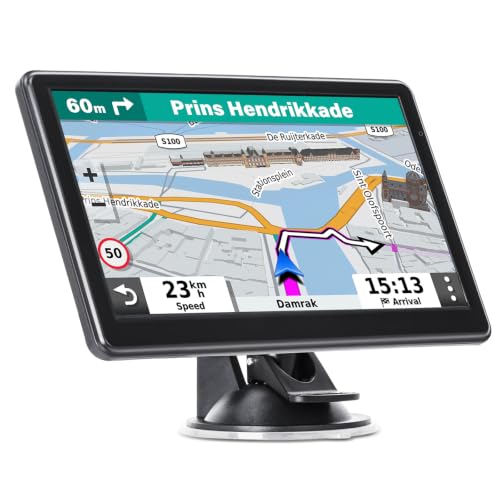
【Free Map Updates】GPS for car pre-loaded with the latest 2025 North American maps (USA, Canada, Mexico). Enjoy free lifetime map updates. Maps for other regions like the EU and UK are also available
Compare Travel Routes
Compare travel time, arrival hour, transfers, weather, rest stops, neighborhood safety, and the teen’s comfort with navigation. A route that saves a small amount of money may not be worth a late-night arrival or a difficult connection.
Scenic routes such as California’s Pacific Coast Highway can make the journey part of the trip, but road conditions, closures, wildfire risk, winter weather, and daylight can affect safety. Check official road and weather information before leaving.
Add interesting rest stops, meals, and short walks so a long journey does not feel like wasted time. Download an offline map in case mobile service drops.
Weigh Transit Options
Choose direct flights when they reduce stress and the risk of a missed connection. Trains can offer more space, central stations, and views, while public transit can help a teen learn to navigate independently.
For rideshares or taxis, verify the car and driver, share the trip with a trusted person, sit in the back seat, and leave if the vehicle details do not match. Arrange airport transfers before arrival when local transport is uncertain. The State Department’s driving and transportation safety guidance recommends using licensed and reputable services.
Pick Teen-Friendly Transport
Choose transport that fits the distance, schedule, budget, and teen’s experience level.
- Direct flights: Reduce transfers and make solo travel easier to manage.
- Trains: Offer room to move, central arrivals, scenery, and fewer airport-style steps.
- Public transit: Can be affordable and empowering when routes are researched in advance.
- Family road trips: Give you control over stops, luggage, and timing.
- Licensed shuttles or rideshares: Simplify airport and hotel transfers.
Do not assume a 17-year-old can rent or drive a rental car. Minimum rental ages are usually higher, and local licensing, insurance, learner-permit, and additional-driver rules apply. The adult renter should confirm who may legally drive the vehicle.
Plan for Delays and Cancellations
A disruption plan matters most when the teen travels alone. Book the earliest practical flight or train when possible, avoid tight connections, and consider whether the final arrival would leave enough time to solve a cancellation.
Write down what the teen should do if stranded. Many hotels will not check in an unaccompanied 17-year-old, so the plan should focus on staying inside the airport or station, contacting the carrier, and calling the designated adult rather than searching for a room alone.
Pack for Teen Travel
Pack light enough that the teen can manage the bag without help. Choose breathable basics, layers, sturdy shoes, a reusable water bottle, medicines, toiletries, chargers, and a compact day bag.
Products Worth Considering

Packing List for Travel: includes 2 travel packing lists of 60 sheets each, which is an exhaustive list of everything you might need for your trip, and an organizational tool to help a forgetful person arrive and depart fully equipped

Categories include ''Basics'' (phone/tablet, headphones, passport, etc.); ''Clothes'' (underwear, socks, shoes, etc.); ''Toiletries'' (soap, toothbrush, eyeglasses, etc.); and ''Additional Items'' (travel documents, insect repellent, gloves, prescription, camera, etc.).

𝐂𝐨𝐬𝐦𝐞𝐭𝐢𝐜 𝐏𝐨𝐮𝐜𝐡 𝐒𝐢𝐳𝐞𝐬 & 𝐌𝐚𝐭𝐞𝐫𝐢𝐚𝐥: 9.05″L x6.7″W made of waterproof material and lined with linen, the zipper is smooth and easy to open or close. It is perfect for storing cosmetics, a mirror, earphones, mobile phones, change, etc., and can easily be placed into a handbag, backpack, or suitcase. suitable for travel or vacation, shopping, daily use, and ideal for women and girls.
Packing List Essentials
Choose lightweight, wrinkle-resistant clothes that mix and match. Add one cleaner outfit for a nicer meal or cultural site with a dress code. Pack for the actual weather and planned activities rather than every possible situation.
- Passport or approved ID and required travel documents
- Paper and digital copies of the itinerary and emergency contacts
- Medicines in original labeled containers
- Small first-aid kit for minor cuts, blisters, or headaches
- Reusable water bottle and snacks
- Comfortable walking shoes and weather layers
- Travel pillow or eye mask for long journeys
- Compact day bag with secure zippers
Documents, Money, and Valuables
Keep original documents in a secure place and carry only what is needed during the day. Split money between a main payment method and a small backup. Save the bank’s international contact number separately from the card.
Before departure, turn on transaction alerts, confirm foreign-use settings, and review daily withdrawal limits. Do not carry all cash and cards in one wallet. A small emergency amount should be hidden separately.
Tech and Entertainment
Bring the technology that supports navigation, communication, and downtime without filling the bag with extra devices. Download maps, tickets, books, music, and entertainment before leaving reliable Wi-Fi.
| Tech Item | Why It Matters |
|---|---|
| Power bank | Keeps the phone available for maps, tickets, and calls |
| Charging cable and adapter | Prevents charging problems at the destination |
| Phone or tablet | Stores tickets, maps, books, and downloaded entertainment |
| Headphones | Makes long travel quieter without disturbing others |
Use a device passcode, enable device-finding features, and avoid entering sensitive accounts on open public Wi-Fi unless you use a trusted secure connection.
Clothes and Comfort
Pack clothes that work together. Breathable fabrics and moisture-wicking layers can help during city walks, hikes, and crowded transit. A reliable pair of broken-in walking shoes matters more than several fashion options.
- A few neutral tops and comfortable bottoms
- A light jacket, rain layer, hat, and sunglasses
- Sleepwear and enough socks and underwear
- Clothing that respects local cultural or religious expectations
- Shoes that can handle the planned distance and terrain
Keep the bag light, practical, and flexible so the teen can carry it, find items quickly, and change plans without stress.
Budget for a Trip With a 17-Year-Old

A realistic budget depends on the destination, season, exchange rate, travel style, and activities. Avoid using one fixed daily amount for every trip. Price the actual route and build a daily cap from confirmed costs.
| Budget Category | What to Include |
|---|---|
| Transport | Flights, trains, local transit, taxis, baggage, tolls, parking, and airport transfers |
| Accommodation | Room rate, taxes, resort fees, deposits, and age-policy requirements |
| Food | Meals, snacks, water, dietary needs, and one or two special meals |
| Activities | Tickets, tours, equipment rental, waivers, photos, and transport to the venue |
| Emergency reserve | Replacement transport, meals during delays, medicine, or a lost-item replacement |
Compare hotels, family rooms, hostels, and rentals only after checking whether the property accepts a 17-year-old in the planned arrangement. A low price is not useful if the teen cannot legally or contractually check in.
Give your teen a clear personal spending amount for snacks, gifts, and optional activities. Let them track it in a notes app or simple spreadsheet. This teaches decision-making and prevents repeated negotiations during the trip.
A debit card can be practical, but carry a small amount of local cash for places that do not accept cards. Split the backup money, use transaction alerts, and avoid using a debit card for large hotel deposits when another suitable payment option is available.
Note: Hostels and hotels may advertise beds or rooms to minors while still requiring an adult at check-in. Call or email the exact property and keep written confirmation of the age policy.
Products Worth Considering

CELL PHONE WALLET CASE SETS BY GECKO come with ( 1x ) Stick on Phone Card Case (Stretchy Spandex Pocket) ( 1x ) Folding Phone Stand, and ( 1x ) Microfiber Screen Cleaner.
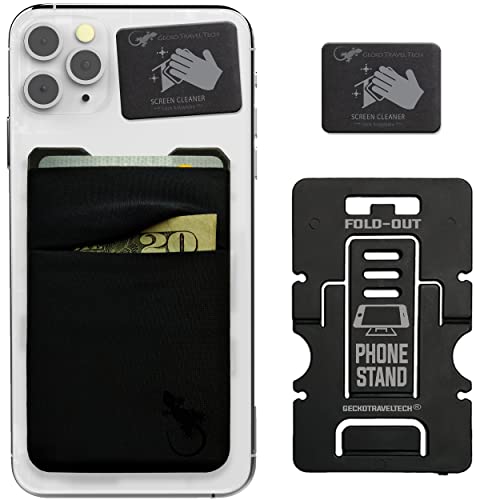
Gecko Cell Phone Wallet Case Set includes 1x stick-on phone card case (stretchy spandex pocket), 1x folding phone stand, and 1x microfiber screen cleaner. High-quality products designed for convenience and durability.

DURABLE CONSTRUCTION: Made of high-quality aluminum material that maintains legibility and withstands daily wear while remaining lightweight
Keep Teens Engaged on the Trip
Keeping a trip fun for a 17-year-old often comes down to real input and enough variety. Let them shape part of the itinerary so they feel like a co-planner rather than a passenger.
- Let them choose one major activity or neighborhood.
- Ask them to navigate one simple transit route.
- Mix adventure, culture, food, and rest rather than scheduling the same type of activity every day.
- Leave open time for music, photos, messaging friends, or relaxing.
- Give them responsibility for a small part of the budget or daily plan.
Technology can support the trip without taking it over. Use maps, attraction apps, translation tools, and digital tickets when they add value, then agree on phone-free time during meals, tours, or shared activities.
Bring everyone back together for a meal or outing that creates conversation. The balance between solo time and shared time can make the trip feel personal without losing connection.
Make Teen Travel Run Smoothly
Give your 17-year-old a real role and a clear idea of what to expect. Let them compare routes, activities, and accommodation options, then explain which decisions are limited by safety, cost, or age rules.
Use a Final Pre-Departure Check
Review the trip again 24 to 48 hours before departure:
- Confirm flight, train, hotel, and activity bookings.
- Recheck entry, consent, and ID requirements.
- Download tickets, maps, insurance documents, and contact details.
- Charge devices and power banks.
- Check weather, transport disruptions, and official safety information.
- Confirm who is dropping off, meeting, or collecting the teen.
- Review the emergency and spending plan one final time.
Balance Structure and Flexibility
Mix scheduled highlights with open blocks for rest and exploration. Too much structure can cause frustration, while too little can create safety and budget problems. A simple plan with one or two priorities each day usually gives everyone room to adjust.
Pack light, keep passports, chargers, and medicines easy to reach, and review how to protect valuables in crowds. When you plan with your teen instead of around them, the trip can build confidence, judgment, and lasting memories.
Frequently Asked Questions
What documents does a 17-year-old need for international travel?
The teen normally needs the travel documents required for their citizenship and destination, such as a valid passport, visa, or electronic authorization. They may also need a birth certificate copy, parental consent letter, custody documents, accommodation details, and proof of onward travel. Check the destination, airline, and transit-country rules.
Does a 17-year-old need ID for a U.S. domestic flight?
TSA does not normally require identification from travelers under 18 on U.S. domestic flights, but the airline may require proof of age or another document. International flights require the appropriate passport and entry documents. Confirm the carrier’s rules before departure.
Can a 17-year-old book and fly alone?
Many airlines allow a 17-year-old to travel alone, but booking methods, payment rules, identification, routes, connections, and optional unaccompanied-minor services vary. Contact the operating airline before buying the ticket, especially for international or codeshare travel.
Can a 17-year-old check into a hotel or hostel alone?
Sometimes, but many properties require the registering guest to be 18 or 21, and policies can differ within the same hotel brand. A parent paying in advance does not automatically guarantee check-in. Contact the exact property, ask what documents are required, and keep written confirmation.
How should I handle a medical emergency while traveling with a teen?
Use the local emergency number for urgent danger, then contact the insurer and a parent or guardian. Carry insurance details, allergies, medicine names, consent information, and nearby clinic or hospital details. For international travel, confirm health coverage and consider medical evacuation insurance before departure.
What are the best apps for keeping in touch with a teen traveler?
Use tools your family already understands, such as Apple Find My, Google Maps Location Sharing, a messaging app, the airline app, and an offline map. Agree on consent, who can see the location, and when sharing will stop. Apps support the plan but do not replace check-ins.
Should a 17-year-old carry cash or use a debit card?
Use a combination. A debit or prepaid card can handle most spending, while a small amount of local cash covers transit, tips, or card failures. Split the backup funds, turn on transaction alerts, and keep the bank contact number away from the card.
Can a 17-year-old drive a rental car?
Usually not. Rental companies commonly set minimum ages above 17, and local law, license restrictions, insurance, and the rental agreement control who may drive. The adult renter should confirm whether the teen can be listed as an authorized driver before the trip.
Conclusion
Traveling with a 17-year-old can bring independence, discovery, and a few unexpected detours. The trip runs more smoothly when you confirm documents and age policies, set clear safety rules, pack lightly, plan for disruptions, and let your teen help make decisions. Keep the plan flexible, but make the backup specific. That balance can turn the journey into a safe and memorable step toward adulthood.
Sources
- U.S. Department of State: Travel with Minors – destination rules, consent letters, proof of relationship, and custody considerations
- USAGov: International Travel Documents for Children – passports, visas, consent letters, and airline forms
- Transportation Security Administration: Acceptable Identification – U.S. domestic identification guidance for travelers under 18
- U.S. Department of Transportation: Tips for Families – airline and unaccompanied-minor planning
- CDC Travelers’ Health: Travel Insurance – travel health, disruption, and medical evacuation coverage
- CDC Yellow Book: Traveling With Restricted Medications – medicine legality, labeling, documentation, and carry-on packing
