Last Updated on July 27, 2026 by Daniel Globe
Cabo San Lucas is warm and sunny throughout the year, but the best month for your trip depends on what you want to do. Winter offers mild, dry weather and whale watching, while late summer brings lower hotel rates, greater humidity, and a higher risk of tropical-weather disruption. Fall can provide warm ocean water, fishing events, and fewer crowds before the winter rush.
Quick Answer
The best time to visit Cabo San Lucas for mild, dry weather is November through April. Choose December through April for whale watching, October or November for warm water and fall events, and August or September for the lowest prices. Summer and early fall are hotter and fall within the eastern Pacific hurricane season.
Key Takeaways
- Best overall weather: November through April offers lower humidity, little rain, and comfortable daytime conditions.
- Best for whale watching: December through April is the main viewing season.
- Best balance of weather and crowds: May, June, late October, and early November can offer shoulder-season value.
- Cheapest period: August and September often have the lowest demand, but they are hot, humid, and exposed to tropical-weather disruptions.
- Best for warm-water activities: Late summer and fall generally provide the warmest ocean conditions.
- Important safety point: Not every beach is safe for swimming. Always follow the posted beach-flag warning.
Disclosure: As an Amazon Associate I earn from qualifying purchases. Some links on this page are affiliate links, at no extra cost to you.
Cabo San Lucas Weather by Season
Cabo San Lucas sits at the southern tip of Mexico’s Baja California Peninsula, where the Pacific Ocean meets the Sea of Cortez. The area has a dry, semi-desert climate with abundant sunshine, limited annual rainfall, and noticeable seasonal changes in heat and humidity.
According to the Los Cabos Tourism Board, daytime temperatures are commonly around 75°F in winter, rise into the low 80s during March and April, and reach the upper 80s or around 90°F through summer. Hotter days can occur, particularly during late summer and early fall.
December Through February
Winter brings some of the destination’s mildest and driest weather. Days are generally warm enough for the beach, golfing, sightseeing, boat trips, and hiking. Mornings and evenings can feel cool near the water, so a light sweater or jacket is useful.
This is also part of the main whale-watching season. The trade-off is higher demand, especially around Christmas, New Year’s Day, and holiday weekends.
March and April
Spring is warmer but usually remains comfortable for most outdoor activities. Rain is uncommon, the days are sunny, and whale-watching tours may continue into April.
March can be busy because of spring-break travel. Easter and Semana Santa can also increase domestic tourism, hotel demand, and beach traffic.
May and June
Heat begins to build in May and June, but these months can provide a useful balance between winter’s high prices and late summer’s humidity. The ocean gradually warms, crowds may be lighter outside holiday periods, and surfing conditions improve at several regional breaks.
Travelers sensitive to heat should plan strenuous activities early in the morning and reserve the middle of the day for shade, pools, or indoor attractions.
July Through September
July, August, and September are hot and increasingly humid. Brief downpours or thunderstorms can occur, and tropical systems may affect flights, roads, tours, beaches, and resort operations.
This is generally the quietest and most budget-friendly period, with some hotels offering reduced rates or added-value packages. The savings come with a clear trade-off: greater heat and a higher possibility of weather-related changes.
October and November
October remains warm, with ocean conditions that appeal to divers, snorkelers, and anglers. Fishing tournaments and other events attract visitors, while tropical-weather risk remains present through November 30.
By November, temperatures and humidity usually begin to ease. Demand rises as travelers return for fall events, Thanksgiving trips, and the start of the winter season.
The official eastern Pacific hurricane season runs from May 15 through November 30, with most tropical-cyclone activity historically occurring between late June and early October.
Warning: A hurricane is not guaranteed during a summer or fall trip, but weather disruptions are possible. Review cancellation terms, consider insurance that covers eligible weather disruptions, and monitor the National Hurricane Center and local advisories before and during your stay.
Cabo San Lucas Month-by-Month Planner
| Month | Typical Experience | Best For | Main Trade-Off |
| January | Mild, dry, and busy | Whales, hiking, golf, beach days | High room rates |
| February | Comfortable days and cool evenings | Whale watching and outdoor tours | Popular tours sell out |
| March | Warm, sunny, and lively | Beaches, nightlife, golf | Spring-break crowds |
| April | Warm and generally dry | Late-season whales and water activities | Easter demand can be high |
| May | Hotter with lighter crowds | Shoulder-season deals and surfing | Midday heat |
| June | Hot, sunny, and less crowded | Surfing, pools, and lower rates | Hurricane season is active |
| July | Very warm with rising humidity | Fishing, surfing, and resort stays | Storms and intense heat |
| August | Hot, humid, and quiet | Low prices and warm water | Greater storm risk |
| September | Among the hottest and quietest periods | Maximum savings and uncrowded resorts | High heat and tropical-weather exposure |
| October | Warm water and fall events | Fishing, diving, and snorkeling | Hurricane season continues |
| November | Warm, increasingly dry, and busier | Warm water, dining, and outdoor trips | Prices rise toward Thanksgiving |
| December | Mild, dry, and festive | Whales, holidays, and outdoor activities | Holiday crowds and premium rates |
Best Time to Visit Cabo San Lucas by Travel Goal
| Travel Goal | Best Time | Why |
| Best overall weather | November through April | Mild temperatures, lower humidity, and limited rainfall |
| Whale watching | December through April | Gray and humpback whales are seasonally present in the wider region |
| Lowest prices | August and September | Lower demand can produce stronger hotel promotions |
| Weather-and-value balance | May, June, late October, or early November | Fewer peak-season crowds with generally better conditions than late summer |
| Snorkeling and diving | Late summer through November | Warmer water; morning trips may offer calmer conditions and better visibility |
| Surfing | May through August | Seasonal swells favor several East Cape and Costa Azul breaks |
| Fishing | Year-round; fall for major tournaments | Target species vary by month, while major marlin events take place in October |
| Hiking and desert tours | December through April | Cooler conditions reduce heat exposure |
Peak Tourist Season in Cabo San Lucas
The strongest tourist season generally runs from late November or December through April. Travelers arrive for mild weather, whale watching, winter holidays, spring break, golf, fishing, and outdoor activities.
Winter Holidays and Festive Celebrations
Christmas, New Year’s Day, Presidents’ Day weekend, spring-break weeks, and Easter can produce sharp increases in demand. Resorts and restaurants may offer special meals and entertainment, but popular properties can sell out and minimum-stay rules may apply.
Popular Attractions and Activities
The Arch of Cabo San Lucas, Médano Beach, marina cruises, whale-watching boats, golf courses, and popular restaurants are busiest during this period. Reservations are especially useful for sunset cruises, holiday dinners, golf tee times, and small-group tours.
The Drawbacks of Peak Season
Peak-season visitors should expect higher accommodation rates, fuller beaches, more marina traffic, and limited last-minute availability. Downtown Cabo and Médano Beach may remain noisy late into the evening, which is important for travelers seeking a quiet hotel.
Pro Tip: For winter travel, reserve your hotel first and book limited-capacity activities soon afterward. Flexible restaurant reservations are easier to adjust than sold-out rooms or whale-watching tours.
Off-Peak Season in Cabo San Lucas
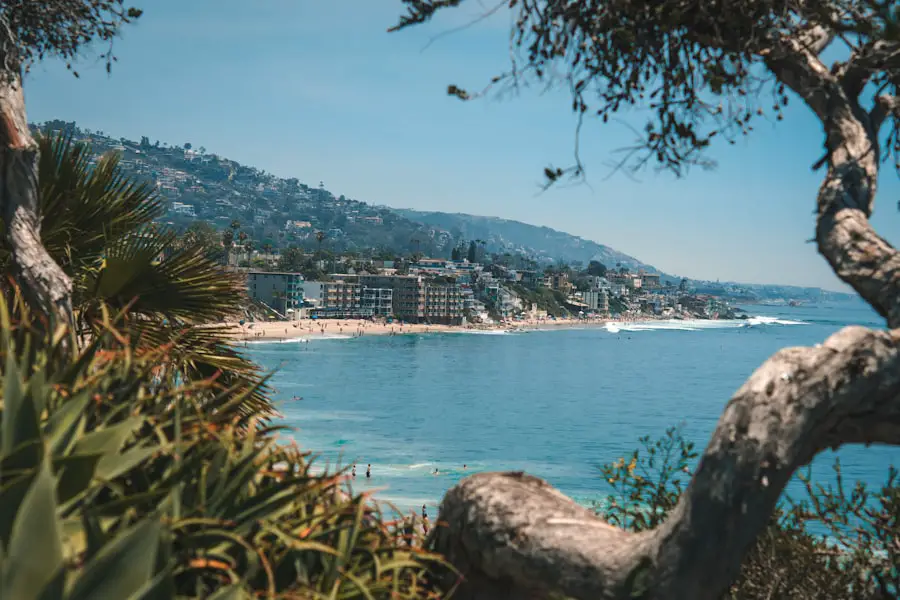
The broader off-peak period runs from late spring into early fall, but the experience changes considerably from month to month. May and June are hot shoulder-season months, while August and September usually bring the deepest lull, highest humidity, and greatest tropical-weather concern.
Travelers who visit during quieter periods can enjoy less crowded pools, shorter restaurant waits, greater tour availability, and discounted resort packages. Beaches and public attractions may also feel more relaxed outside weekends and domestic holiday periods.
October and early November can be attractive for travelers who want warm water, fishing events, and improving weather. However, October remains within the more active part of the eastern Pacific storm season, and the official season does not end until November 30.
Note: “Low season” does not always mean every business is open at full capacity. Some restaurants, tour operators, or resort facilities may reduce hours or schedule maintenance during the quietest weeks.
Best Time for Outdoor Activities in Cabo San Lucas
| Activity | Best Months | Best Time of Day |
| Beach lounging | November through May | Early morning or late afternoon |
| Snorkeling | Late summer through November | Morning |
| Surfing | May through August | Mid-morning to early afternoon, depending on the break |
| Hiking | December through April | Early morning or late afternoon |
| Fishing | Year-round; species vary by season | Early morning |
| Whale watching | December through April | Morning often provides calmer water |
Snorkeling and Scuba Diving
Water temperatures rise through summer and are generally warmest during late summer and fall. Sheltered locations such as Santa Maria and Chileno provide popular snorkeling opportunities. Morning outings often have calmer seas and better underwater visibility than afternoon trips.
Surfing
Surf conditions depend on the coastline and direction of the swell. May through August is a popular period for breaks around Costa Azul and the East Cape. Beginners should use a qualified local instructor and choose a beach suited to their ability.
Hiking and Desert Adventures
December through April is the most comfortable period for hiking in desert and mountain landscapes. Trails in and around the Sierra de la Laguna region can be demanding, so visitors should carry water, use sun protection, and avoid exposed routes during extreme heat.
Fishing
Fishing is available year-round, but the best month depends on the target species. Fall is especially notable for billfish activity and major tournaments. Ask charter operators which species are active before choosing a date solely around a general fishing calendar.
Whale Watching
The official Los Cabos Tourism Board identifies December through April as the main whale-watching period. Gray and humpback whales may be seen in the wider region, although sightings and behavior cannot be guaranteed.
Gray whales migrate between Arctic feeding grounds and wintering areas along Baja California. Their principal calving areas include protected lagoons and bays farther north along the peninsula, rather than one single location directly off Cabo San Lucas.
Swimming and Beach Safety
Some Cabo beaches are protected by bays or coves, while others face powerful Pacific surf. Médano, Chileno, Santa Maria, and Palmilla are among the better-known swimming areas, but conditions can change daily.
Warning: A beachfront hotel does not guarantee a swimmable beach. Rough surf, rip currents, and undertows make some stretches unsafe. Follow the posted flag system and do not enter the water when red or black warnings are displayed. Review the official Los Cabos swimming and safety guide before choosing a beach.
Special Events and Festivals in Cabo San Lucas
Los Cabos hosts fishing tournaments, food events, cultural programs, film screenings, golf competitions, and seasonal celebrations. Because dates can change, travelers should confirm the current schedule with the organizer before booking nonrefundable travel.
Bisbee’s Fishing Tournaments
Fishing is an important part of Cabo’s fall calendar. For 2026, the official Bisbee’s tournament schedule lists the Los Cabos Offshore tournament for October 12–17 and the Black & Blue tournament for October 19–24.
These events bring competitors and spectators to the marina area. Visitors who are not participating should still expect increased activity around registration venues, weigh stations, restaurants, and nearby hotels.
Los Cabos International Film and Creativity Festival
The official festival website lists the 14th edition of the Festival Internacional de Cine y Creatividad Los Cabos for December 9–13, 2026. Future editions may use different dates, so the festival should not be described as a fixed November event.
Local and Seasonal Celebrations
Holiday events, Independence Day activities, food festivals, art programs, and occasional Carnival-style celebrations can appear on the regional calendar. Their dates and scale vary. Check the official destination or municipal calendar instead of assuming that every event takes place during the same week each year.
Budget-Friendly Travel Times in Cabo San Lucas
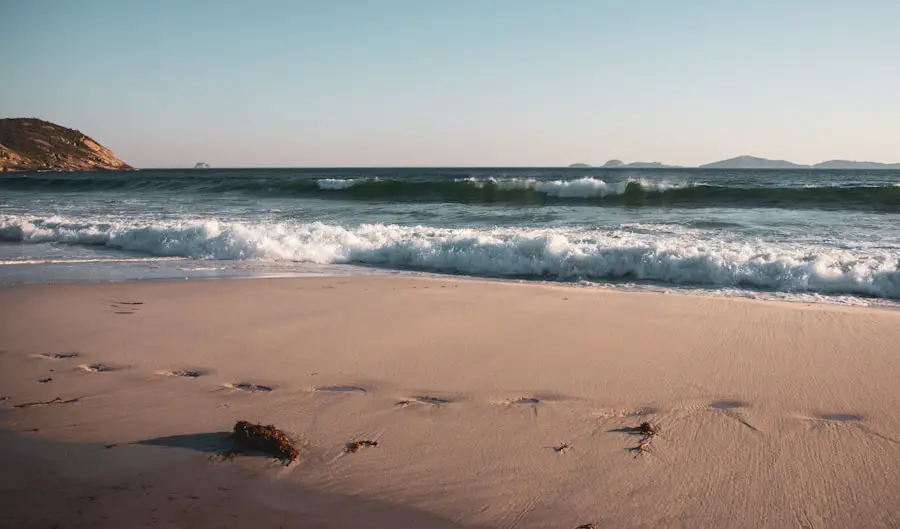
Take Advantage of the Off-Peak Season
August and September often provide the strongest hotel savings because demand is low. Travelers may also find competitive offers in May, June, and parts of October, particularly when no holiday or major event is taking place.
Compare the total booking value instead of looking only at the nightly price. A package that includes breakfast, airport transportation, resort credit, parking, or activities may cost less overall than a cheaper room with mandatory extras.
Score Deals on Accommodations and Dining
Check both room-only and all-inclusive rates. All-inclusive plans can simplify budgeting for travelers who expect to spend most of their time at the resort. They may provide poor value for visitors who plan to eat downtown or take full-day excursions.
Local taquerias, bakeries, markets, and casual seafood restaurants can reduce meal costs. Happy hours and lunch specials may also be more affordable than dinner at marina-front or resort restaurants.
Enjoy Free or Low-Cost Outdoor Activities
Public beaches, marina walks, downtown sightseeing, coastal viewpoints, and self-guided visits to San José del Cabo can cost little or nothing. Travelers should still budget for transportation, shade rentals, parking, food, and optional water taxis.
Hiking can be inexpensive, but remote desert or mountain routes may require a guide, high-clearance transportation, or additional water and safety equipment.
Pro Tip: Compare a refundable shoulder-season reservation with the cheapest nonrefundable low-season rate. Paying slightly more for flexibility may be worthwhile during hurricane season.
Tips for Avoiding Crowds in Cabo San Lucas
Visit the Arch, marina, Médano Beach, and popular snorkeling coves early in the morning. Boat traffic, beach-club activity, and tour-group arrivals usually increase later in the day.
Weekdays are often quieter than weekends, especially at public beaches used by both visitors and local residents. Avoid Christmas, New Year’s week, spring-break periods, Easter, and major tournament dates when crowd avoidance is the main goal.
Consider quieter alternatives such as Santa Maria, Chileno, Palmilla, or less central resort areas. These locations can feel calmer than downtown Cabo, although accessibility, surf conditions, and available facilities vary.
Small-group or private tours may reach popular locations before larger vessels. Confirm the departure time and group size rather than relying only on labels such as “exclusive” or “premium.”
Considerations for Booking Accommodation in Cabo San Lucas
The best hotel depends on whether you prioritize nightlife, beach access, quiet surroundings, dining variety, family facilities, or all-inclusive convenience.
- Downtown and marina: Convenient for restaurants, nightlife, shopping, fishing charters, and boat tours, but potentially noisy.
- Médano Beach: Close to a popular swimmable beach, water activities, beach clubs, and central attractions.
- Tourist Corridor: Offers large resorts, golf courses, and a quieter setting, but transportation to downtown Cabo may add time and cost.
- Pacific-facing resorts: Can provide dramatic views and privacy, but the beach may be unsafe for swimming.
- All-inclusive properties: Useful for predictable meal costs, though guests who plan to explore local restaurants may not receive full value.
- Summer and fall reservations: Review storm, closure, flight-delay, and evacuation terms before booking.
- Peak-season reservations: Book early for holiday weeks, spring break, and major events.
Do not rely only on the phrase “beachfront.” Ask whether the beach is normally swimmable, whether a lifeguard is present, and how often rough conditions prevent water access.
What to Pack for Cabo San Lucas
For November Through April
- Lightweight daytime clothing
- A sweater or light jacket for evenings and boat trips
- Hat, sunglasses, and broad-spectrum sunscreen
- Comfortable walking shoes
- Swimwear and a cover-up
For May Through October
- Breathable, quick-drying clothing
- A compact rain layer
- A waterproof pouch for electronics and documents
- Refillable water bottle
- Sun hat and high-SPF sunscreen
- Copies of travel-insurance and airline contact information
Frequently Asked Questions
What is the best time to travel to Cabo San Lucas?
November through April is the best period for travelers who want mild temperatures, low humidity, limited rainfall, and a full selection of outdoor activities. It is also the most popular and expensive period.
What is the weather like during the best travel period?
Winter days are commonly warm and dry, with daytime conditions around the mid-70s Fahrenheit. March and April become warmer, often reaching the low 80s. Evenings and early-morning boat trips can feel cooler.
What is the cheapest time to visit Cabo San Lucas?
August and September often provide the lowest hotel demand and strongest promotions. These months are also hot, humid, and within the more active portion of the eastern Pacific hurricane season.
When is hurricane season in Cabo San Lucas?
The official eastern Pacific hurricane season runs from May 15 through November 30. Historical activity is generally greatest from late June through early October, although tropical systems can occur at other points in the season.
When is whale-watching season in Cabo San Lucas?
December through April is the main whale-watching season. Gray and humpback whales may be visible in the wider Los Cabos region, but individual sightings are never guaranteed.
Is the ocean safe for swimming in Cabo San Lucas?
Some beaches are suitable for swimming, while others have dangerous surf, rip currents, or undertows. Médano, Chileno, Santa Maria, and Palmilla are well-known swimming areas, but visitors must follow the daily beach-flag warnings.
Is Cabo San Lucas crowded during winter?
Yes. Demand is highest around Christmas, New Year’s Day, spring break, Easter, and major event dates. Visiting in early November, May, or June can provide a better balance between pleasant conditions and lighter crowds.
What activities are best during the winter months?
Winter is ideal for whale watching, hiking, golf, fishing, sightseeing, beach days, sunset cruises, and desert tours. The cooler weather makes longer outdoor excursions more comfortable.
Which 2026 events should travelers know about?
Verified 2026 dates include the Los Cabos Offshore fishing tournament from October 12–17, the Bisbee’s Black & Blue tournament from October 19–24, and the Los Cabos International Film and Creativity Festival from December 9–13. Dates should be reconfirmed before booking.
Sources
- Los Cabos Tourism Board: Weather — seasonal temperatures, activities, and general weather patterns.
- National Hurricane Center: Tropical Cyclone Climatology — eastern Pacific hurricane-season dates and historical activity patterns.
- Los Cabos Tourism Board: Whale Watching — the main December-through-April viewing season.
- Los Cabos Tourism Board: Swimming and Safety — swimmable beaches, rough-water hazards, and beach-warning flags.
- Bisbee’s Offshore Tournaments — official 2026 Los Cabos Offshore and Black & Blue tournament dates.
- Festival Internacional de Cine y Creatividad Los Cabos — official December 9–13, 2026 festival dates.