
Last Updated on July 24, 2026 by Daniel Globe
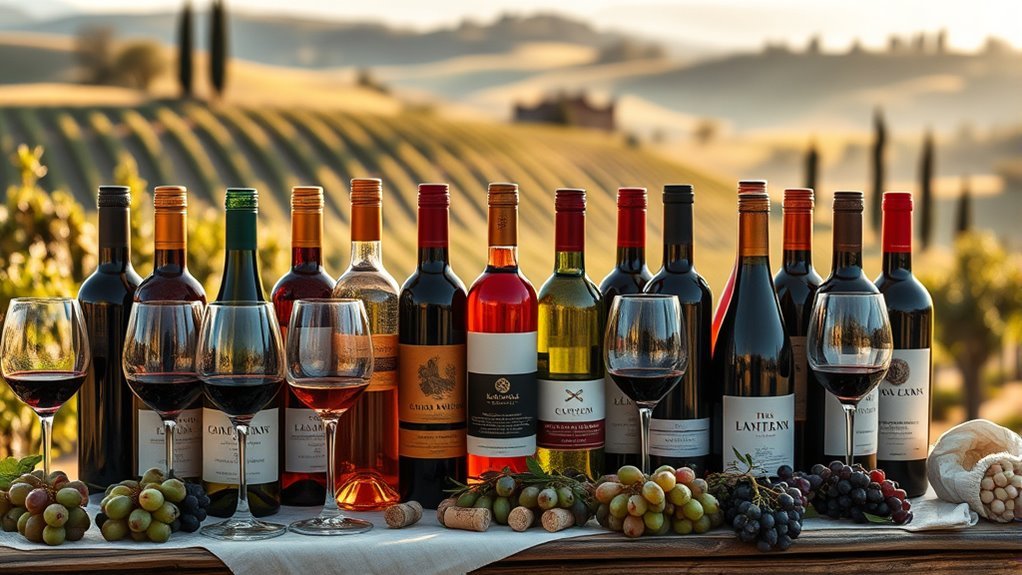
The best Italian wine brands are usually better understood as producers or estates tied to a specific region, grape, and appellation. Tenuta delle Terre Nere and Biondi are strong Etna choices, Pieropan is a benchmark for Soave, G.D. Vajra and G.B. Burlotto excel in Piedmont, and Ciacci Piccolomini d’Aragona and Caprili are respected Brunello producers. Your best bottle depends on the style, vintage, budget, and occasion.
Quick Answer
Start with Pieropan for crisp Soave, Tenuta delle Terre Nere for mineral Etna Rosso, G.D. Vajra for elegant Barolo, Ciacci Piccolomini d’Aragona for structured Brunello, Foradori for distinctive Alpine wines, and Venica & Venica for expressive Collio whites. Check the appellation, grape, vintage, and producer before buying.
Key Takeaways
- In Italian wine, the producer, appellation, grape, and vintage usually matter more than the word “brand.”
- Choose Etna or Alpine wines for freshness, Barolo or Brunello for structure, and Soave or Collio for versatile whites.
- DOCG and DOC identify protected origins and production rules, but they do not guarantee that every bottle will match your taste.
- Critic scores, prices, and drinking windows apply to particular vintages, not automatically to every wine from a producer.
- No alcoholic wine is risk-free or reliably suitable for GERD, pregnancy, driving, or medicines that interact with alcohol.
Why Italian Wine Brands Stand Out
Italian wine stands out because it combines hundreds of native grapes with sharply different climates, soils, elevations, and local traditions. Nebbiolo in Piedmont produces a different kind of structure from Sangiovese in Tuscany, while Nerello Mascalese on Mount Etna can deliver red-fruit fragrance, acidity, and fine tannins shaped by volcanic slopes.
Italian labels also place strong emphasis on origin. The Italian Ministry of Agriculture groups DOCG and DOC wines within the protected DOP system, while IGT wines fall within the broader IGP geographical category. These labels regulate origin and, depending on the denomination, grape varieties, yields, aging, production methods, and release dates. They are useful buying clues, but producer quality and personal taste still matter.
Many leading estates now use organic, biodynamic, or other lower-impact farming systems. However, those terms describe farming or production choices; they do not automatically make a wine better, healthier, or more suitable for every drinker.
The most useful Italian wine label combines four clues: producer, protected origin, vintage, and grape or traditional wine style.
How to Choose an Italian Wine Brand
Choose an Italian producer by starting with the flavor and structure you enjoy. Then match that style to a region, check the appellation and vintage, and decide whether you want a wine for immediate drinking or long-term cellaring. A famous label is not automatically the right choice if its tannin, acidity, alcohol, or oak profile does not suit you.
Know Your Wine Style
For a lighter white, consider Soave, Collio Pinot Grigio, Verdicchio, or an Etna Bianco. For a fragrant, structured red, try Nebbiolo from Barolo or Barbaresco. Sangiovese-based Chianti Classico and Brunello often combine cherry fruit with savory notes and firm acidity, while Amarone offers a richer style shaped by partially dried grapes.
- Fresh white: Soave, Verdicchio, Etna Bianco, or Collio.
- Light to medium red: Etna Rosso, Langhe Nebbiolo, Schiava, or Frappato.
- Structured red: Barolo, Brunello di Montalcino, Taurasi, or Aglianico del Vulture.
- Sparkling: Conegliano Valdobbiadene Prosecco Superiore, Franciacorta, or Trentodoc.
- Sweet or dessert wine: Recioto, Vin Santo, Moscadello, or Passito di Pantelleria.
Match Region to Taste
Regional names offer a practical shortcut because many Italian appellations are closely associated with particular grapes and structures.
| Region or Zone | Common Styles | Typical Character |
|---|---|---|
| Piedmont | Barolo, Barbaresco, Barbera, Arneis | Fragrant reds, firm acidity, tannin, and strong aging potential |
| Tuscany | Chianti Classico, Brunello, Vino Nobile | Cherry, herbs, savory depth, and food-friendly acidity |
| Veneto | Soave, Valpolicella, Amarone, Prosecco | Styles range from crisp white and sparkling wine to rich dried-grape reds |
| Sicily and Etna | Etna Rosso, Etna Bianco, Nero d’Avola, Frappato | Volcanic freshness on Etna and fuller Mediterranean styles elsewhere |
| Friuli-Venezia Giulia | Pinot Grigio, Friulano, Ribolla Gialla | Aromatic whites with freshness, texture, and savory mineral notes |
| Trentino-Alto Adige | Teroldego, Pinot Grigio, Schiava, Trentodoc | Alpine acidity, aromatic detail, and polished sparkling wines |
| Southern mainland Italy | Taurasi, Aglianico del Vulture, Fiano, Greco | Structured reds and characterful whites from native grapes |
Consider Value and Prestige
Prestigious appellations such as Barolo and Brunello often cost more because of vineyard prices, required aging, limited production, and demand. Better value frequently comes from a producer’s regional or younger-drinking wine, such as Langhe Nebbiolo instead of single-vineyard Barolo or Rosso di Montalcino instead of Brunello.
Also consider less famous denominations. Montepulciano d’Abruzzo, Verdicchio, Etna Bianco, Roero Arneis, Fiano di Avellino, and many regional IGT wines can offer strong character without a collector-level price.
Read the Label Before You Buy
An Italian bottle may show the producer more prominently than the grape. Look for these terms:
- DOCG or DOC: Protected denominations with defined geographical and production rules.
- IGT: A protected geographical category that usually allows greater flexibility in grapes or production.
- Classico: Wine from the historically defined core area of an appellation, not a flavor or quality guarantee by itself.
- Riserva: A denomination-specific aging category. The required time differs by wine.
- Superiore: Usually indicates additional production requirements, which vary by appellation.
- Annata or vintage: The harvest year. Weather and bottle age can materially affect style and readiness.
- MGA, cru, or vineyard name: A more specific growing site, particularly relevant in areas such as Barolo.
Pro Tip: When comparing two bottles, search for the producer’s technical sheet. It can confirm the grapes, vineyard, fermentation, oak use, alcohol level, serving advice, and recommended aging more reliably than a retailer’s short description.
Tenuta delle Terre Nere for Etna Reds
Tenuta delle Terre Nere is a leading choice for Etna Rosso and site-specific wines from Mount Etna’s northern slopes. Its reds center on Nerello Mascalese, often supported by Nerello Cappuccio, and commonly show red fruit, herbs, spice, acidity, and fine tannins rather than the weight of a warmer-climate red.
The estate’s San Lorenzo wine comes from an eight-hectare site near Randazzo at about 750 meters, with old vines and volcanic material. The 2023 San Lorenzo was named JamesSuckling.com’s Italian Wine of the Year for 2025. That is a vintage-specific critic award, not a permanent official title for the producer.
Start with the estate Etna Rosso if you are new to the winery. Move to a named contrada bottle when you want a more detailed expression of an individual site.
Ciro Biondi for Etna Bianco and Rosso
Biondi farms vineyards around Trecastagni on Etna’s southeastern side. Pianta Etna Bianco is made from Carricante with other traditional local white grapes, while Cisterna Fuori Etna Rosso uses Nerello Mascalese and Nerello Cappuccio.
| Wine | What to Expect |
|---|---|
| Pianta Etna Bianco | Carricante-led white with structure, freshness, and volcanic-site character |
| Cisterna Fuori Etna Rosso | Nerello-based red combining fragrance, acidity, and savory structure |
| Best for | Drinkers who want a small-estate view of Etna beyond the most widely distributed labels |
Avoid relying on a fixed blend percentage unless it appears on the technical sheet for the exact vintage you are buying.
Pieropan for Classic Soave
Pieropan is one of the best-known names in Soave. Its estate Soave Classico combines Garganega and Trebbiano di Soave from vineyards with volcanic and calcareous soils. The wine is typically fresher and more accessible than the estate’s single-vineyard bottlings.
Soave Classico Terroir
Under the Soave production rules, Soave DOC must contain at least 70% Garganega. “Classico” is reserved for wine from the historic zone centered on Soave and Monteforte d’Alpone.
| Pieropan Wine | Site or Blend | Style |
|---|---|---|
| Soave Classico | Multiple estate vineyards | Fresh, smooth, versatile |
| Calvarino | Basalt-rich volcanic site | Tense, mineral, age-worthy |
| La Rocca | Limestone of marine origin with clay | Broader, layered, and textural |
La Rocca’s Precision
La Rocca is a 100% Garganega Soave Classico from a limestone-and-clay hillside vineyard at about 150 meters. It is not the volcanic member of Pieropan’s single-vineyard pair; that distinction belongs more clearly to Calvarino.
La Rocca tends to offer more body and texture than the standard Soave Classico. Serve it with risotto, richer fish dishes, poultry, or mature soft cheese. Its ideal drinking window depends on vintage and storage, so consult the current technical sheet before cellaring it for a long period.
G.D. Vajra for Elegant Piedmont Reds
G.D. Vajra is a strong Piedmont producer for drinkers who value fragrance, acidity, and detail. The range includes Barolo, Barbera, Dolcetto, Freisa, and white wines, allowing you to explore the estate at several price and aging levels.
- Barolo Albe: A useful introduction to the producer’s Barolo style.
- Bricco delle Viole: A named Barolo site associated with perfume and long development.
- Barbera: A fruit-forward, high-acid alternative for earlier drinking.
- Freisa Kyè: A distinctive native-grape choice with more structure than many casual Freisa wines.
Barolo can be firm when young. For an immediate dinner bottle, consider the estate’s Barbera, Dolcetto, or Langhe-level wines rather than opening a young single-vineyard Barolo without enough air or bottle age.
G.B. Burlotto for Traditional Barolo
Comm. G.B. Burlotto is a historic Verduno producer known for traditional Piedmont wines and highly sought-after Barolo. Availability and pricing can be challenging, especially for Monvigliero, so the estate may be more useful as a benchmark than as an easy first purchase.
Monvigliero’s Elegant Purity
Monvigliero is a recognized Barolo vineyard area in Verduno. Burlotto’s bottling is prized for aromatic lift, red fruit, spice, and the combination of Nebbiolo tannin with a comparatively graceful profile. Its reputation should not be confused with universal drinkability: young bottles may still need time, air, and suitable food.
Burlotto’s Classic Barolo Style
The estate’s appeal comes from traditional methods and a clear distinction among vineyard sites. Instead of treating “traditional” as automatically superior, compare the style with producers that use shorter maceration, smaller oak, or other modern cellar choices. Both approaches can produce excellent Barolo.
Tradition With Lifted Finesse
Choose Burlotto when provenance, site identity, and traditional Barolo are priorities and the bottle has been stored well. For a more available introduction to Verduno, compare other producers from the village or begin with a regional Nebbiolo before paying the premium attached to a collectible bottle.
Ceretto for Contemporary Barolo
Ceretto began producing wine in the 1930s and now works with several important Barolo and Barbaresco sites. The estate states that its vineyards were converted to organic agriculture beginning in 2010 and that it obtained organic certification in 2015.
| Strength | What It Means for the Buyer |
|---|---|
| Multiple vineyard bottlings | You can compare sites including Brunate, Bussia, Prapò, and Cannubi San Lorenzo. |
| Organic certification | Farming follows certified organic requirements, though taste still depends on site and vintage. |
| Broad regional range | Entry points include Arneis, Dolcetto, Barbera, and regional Nebbiolo as well as prestige Barolo. |
Ceretto is useful for exploring the difference between a blended Barolo and a named vineyard. Its wines can be polished, but the estate’s current approach also emphasizes native fermentation and less new wood than in earlier periods.
Marcarini for Barolo Brunate
Marcarini is closely associated with Brunate and was among the early estates to place the vineyard name on a Barolo label. Its Brunate comes from Nebbiolo grown in calcareous-clay soils around La Morra and Barolo.
- Expect firm acidity and tannin when the wine is young.
- Look for red fruit, floral, earthy, and savory development rather than heavy sweetness.
- Decanting may help a young bottle, but it cannot replace years of bottle aging.
- Cellaring potential depends on vintage, storage, closure, and bottle condition.
Marcarini is a suitable choice for drinkers seeking a traditional reference point for Brunate without assuming that every vintage will develop on the same schedule.
Ciacci Piccolomini d’Aragona for Brunello
Ciacci Piccolomini d’Aragona produces Brunello di Montalcino from 100% Sangiovese. Pianrosso is its best-known single-vineyard bottling and is produced only in selected vintages.
Brunello Benchmark
Brunello di Montalcino must be made from Sangiovese grown within Montalcino. According to the Brunello Consortium, the wine receives at least two years in oak plus required bottle aging and cannot be released immediately after harvest.
This legal minimum does not make all Brunello identical. Vineyard position, vintage, harvest choices, oak size, extraction, and bottle age can create major differences among producers.
Pianrosso Precision
Pianrosso comes from an 11.69-hectare vineyard ranging from about 240 to 360 meters. The producer describes marl-rich soil, 100% Sangiovese, extended oak aging, and further bottle refinement.
Expect a structured red suited to roasted meat, game, mature cheese, or a substantial mushroom dish. Open a young bottle in advance and serve it in a large glass, but avoid aggressive aeration of a fragile older vintage.
Aging Potential
Well-made Brunello can develop for many years, but no single 10-, 20-, or 30-year promise applies to every bottle. Strong vintages stored at a stable, cool temperature generally offer the best chance of long development.
- Check reviews for the exact vintage, not only the producer.
- Buy from a retailer with reliable storage and provenance.
- Store the bottle away from heat, vibration, and direct light.
- Stand an older bottle upright before opening so sediment can settle.
Caprili for Age-Worthy Brunello
Caprili has produced wine in Montalcino since the family established the estate in the 1960s. Its AdAlberto Riserva comes from the historic Vigna Madre and is made from 100% Sangiovese Grosso.
The producer describes fermentation with indigenous yeasts, aging in large Slavonian oak, and additional bottle maturation. This supports a traditional, structured profile, but critic scores and drinking windows should always be tied to the exact vintage.
Choose the standard Brunello for a broader introduction to Caprili. Consider AdAlberto when you want a smaller-production Riserva and have suitable storage or enough bottle age.
Foradori for Alpine Whites and Reds
Foradori is an important Trentino producer associated with Teroldego, biodynamic farming, amphora use, and low-intervention cellar work. The estate is a strong choice for drinkers interested in native Alpine grapes and textural wines.
Alpine Freshness
Foradori’s Teroldego reds can combine dark fruit, herbs, acidity, and mineral or earthy notes. Nosiola and Pinot Grigio offer contrasting white-wine expressions. Not every wine is light simply because it comes from the mountains; skin contact, amphora aging, grape ripeness, and extraction can add substantial texture.
Fuoripista Character
Fuoripista Pinot Grigio is a collaboration between Foradori and Marco Devigili. It spends more than eight months on its skins in tinajas, or amphorae, creating color, tannin, and texture that differ markedly from a conventional pale Pinot Grigio.
Fuoripista is a skin-contact white, not a range of skin-contact red and white bottlings. Serve it slightly warmer than a simple commercial Pinot Grigio and consider pairing it with roasted vegetables, poultry, cured meat, or firm cheese.
Mountain Terroir
Altitude can contribute to cooler growing conditions and larger day-night temperature changes, which may help grapes retain acidity and aromatic detail. However, elevation alone does not determine quality. Exposure, wind, rainfall, soil, grape variety, farming, yields, and harvest timing are equally important.
Venica & Venica for Collio Whites
Venica & Venica is a respected Collio producer with a broad white-wine range. Jesera Pinot Grigio is especially useful for showing that Pinot Grigio can offer more texture and personality than a simple neutral version.
The current Jesera method includes several hours of protected skin contact, with most of the wine aged in steel and a smaller portion in larger wood. The grape’s naturally gray-pink skins help create the wine’s copper tone.
Pair Jesera with appetizers, grilled fish, white meat, light soups, or cured ham. For a broader view of Collio, compare it with the estate’s Friulano, Sauvignon, or other site-specific whites.
Why Jacques Lassaigne Is Not an Italian Wine Brand
Jacques Lassaigne is a grower Champagne producer in Montgueux, France, not Italy. Its Chardonnay-based wines can be excellent, but they should not be included as Italian wine recommendations.
For an Italian bottle-fermented sparkling alternative, look to Franciacorta or Trentodoc. These are not copies of Champagne; they have their own permitted grapes, climates, production rules, and regional identities.
Why Luberri Is Not an Italian Wine Brand
Luberri is located in Elciego in Rioja Alavesa, Spain. Luberri Zuri is a Spanish white made mainly from Viura with Malvasía, so it does not belong in an Italian-only brand list.
Italian alternatives for a fresh, characterful white include Soave Classico, Verdicchio, Roero Arneis, Fiano di Avellino, Etna Bianco, or a Collio white. The best substitute depends on whether you value crispness, floral aroma, body, skin contact, or oak.
Les Crêtes for Valle d’Aosta Wines
Les Crêtes is based in Valle d’Aosta and produces mountain wines from native and international grapes. Its range includes Petite Arvine, Fumin, Petit Rouge-based wines, Nebbiolo, Chardonnay, Pinot Gris, and Pinot Noir.
Pinot Noir Revei comes from a small vineyard at roughly 650 to 800 meters and receives extended barrel and bottle aging. It is a serious mountain Pinot Noir rather than a simple early-drinking red.
- Try Petite Arvine for a regional Alpine white.
- Try Fumin or Torrette for a more local red-grape experience.
- Try the regular Pinot Noir before moving to the rarer Revei bottling.
- Check the exact vintage because alcohol, structure, ratings, and readiness can vary.
Cavallotto for White-Vinified Pinot Nero
Cavallotto is a Barolo estate at Bricco Boschis, but Pinner offers a very different experience. It is made from Pinot Nero grapes vinified as a white wine.
| Feature | Accurate Description |
|---|---|
| Grape | Pinot Nero |
| Pressing | Gentle whole-berry pressing before fermentation |
| Aging | Extended time on lees in steel with regular bâtonnage |
| Style | Structured, mineral white with fruit and floral development |
Pinner is not produced through the long skin maceration used for orange wine. Its texture comes mainly from the grape, careful pressing, fermentation, lees contact, and bâtonnage.
Why Mountain Vineyards Can Taste Fresher
Mountain and high-elevation vineyards can produce fresher-tasting wine because cooler conditions may slow ripening and help preserve acidity. Larger differences between daytime and nighttime temperatures can also support aroma development.
That pattern is common, but it is not a universal rule. A sunny slope at elevation can still produce ripe, powerful grapes, while a lower site exposed to cool wind may retain excellent acidity.
- Altitude: Often lowers average temperature, but the effect varies by site.
- Exposure: Determines how much sunlight and heat the vines receive.
- Diurnal range: Cool nights may help preserve acidity and aromatic compounds.
- Soil and drainage: Influence water availability and vine growth.
- Harvest timing: Can change alcohol, acidity, tannin, and flavor more directly than elevation alone.
Italian Sparkling Wine Producers to Know
Italian sparkling wine extends well beyond basic Prosecco. The most useful starting categories are Conegliano Valdobbiadene Prosecco Superiore, Franciacorta, and Trentodoc.
| Category | Main Approach | Producers to Explore |
|---|---|---|
| Conegliano Valdobbiadene Prosecco Superiore DOCG | Glera-based sparkling wine from the historic hill zone | Nino Franco, Adami, Bisol |
| Franciacorta DOCG | Secondary fermentation in the bottle with required lees aging | Ca’ del Bosco, Bellavista, Barone Pizzini |
| Trentodoc | Bottle-fermented sparkling wine made from permitted Trentino grapes | Ferrari Trento, Altemasi, Rotari |
For fresh fruit and an easy aperitif style, begin with Prosecco Superiore. For toast, lees, fine bubbles, and longer aging, compare Franciacorta and Trentodoc.
Best Italian Wine Brands at Every Price
Wine prices change by country, retailer, tax, vintage, bottle size, shipping cost, and critic demand. Instead of relying on an old list of exact prices, use the producer’s range to move between value and prestige.
| Buying Level | Good Starting Points | What You Gain |
|---|---|---|
| Everyday value | Montepulciano d’Abruzzo, Verdicchio, basic Soave, regional Barbera | Food-friendly wine without paying for a famous vineyard |
| Mid-range regional wine | Pieropan Soave Classico, G.D. Vajra Barbera, Venica Jesera, estate Etna Rosso | Clear producer identity and stronger regional character |
| Premium appellation | Barolo, Brunello, single-vineyard Soave, serious Etna contrada wines | More structure, site detail, and possible aging potential |
| Collector level | Rare crus, Riserva bottlings, mature vintages, allocated producers | Scarcity and provenance, but also greater storage and authenticity risk |
Note: An inexpensive current vintage from a reliable producer is often a safer purchase than a suspiciously cheap older Barolo or Brunello with unknown storage history.
Products Worth Considering


Varietal Designation: Piemonte
Best First Picks by Wine Style
Use these producer-and-style combinations as starting points rather than permanent rankings:
- Crisp white: Pieropan Soave Classico.
- Textural white: Pieropan La Rocca or Foradori Fuoripista Pinot Grigio.
- Volcanic white: Biondi Pianta Etna Bianco.
- Volcanic red: Tenuta delle Terre Nere Etna Rosso.
- Elegant Piedmont red: G.D. Vajra Barolo Albe or Barbera.
- Traditional Barolo: Marcarini Brunate, with enough age or decanting.
- Brunello: Ciacci Piccolomini d’Aragona or Caprili.
- Alpine red: Foradori Teroldego or Les Crêtes Fumin.
- Italian sparkling wine: Conegliano Valdobbiadene Prosecco Superiore, Franciacorta, or Trentodoc from a reputable producer.
For food, match acidity and weight rather than following rigid rules. Soave works well with seafood and risotto, Etna Rosso with mushrooms or roast poultry, Barolo with rich meat or truffle dishes, and Brunello with roasted meat, game, or mature cheese.
Products Worth Considering
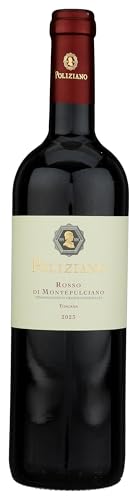
Tuscany, Italy

SAVORY - This delicate cooking wine will greatly enhance the flavor and aroma of your dishes.

Origin: Italy
How to Serve, Store, and Pair Italian Wine
- Fresh whites and Prosecco: Serve chilled but not ice-cold, generally around 7–11°C depending on body.
- Textural whites: Serve slightly warmer, often around 10–13°C, to reveal aroma and texture.
- Light reds: A slight chill can improve freshness.
- Barolo and Brunello: Serve below warm room temperature, commonly around 16–18°C.
- Young structured reds: Decanting can help, but taste the wine during the process.
- Old bottles: Decant carefully for sediment and avoid exposing fragile wine to air for too long.
- Storage: Keep bottles in a cool, dark place with a stable temperature and little vibration.
Warning: Alcohol is not risk-free. Do not drink when pregnant, under the legal drinking age, driving, operating machinery, taking an interacting medicine, recovering from alcohol use disorder, or managing a condition that alcohol worsens. Alcoholic drinks are also a common GERD trigger.
Products Worth Considering

Bracelet Style Design : Fashionable, novel, and practical. Wear it like a watch or fasten it directly onto a wine bottle for instant temperature readings at a glance.
[Practical and Effective]: This is a pretty practical effective Wine Thermometer, it is designed to help measure wine temperature, so you can know the real time temperature of wine and make adjustment to keep it in best condition
Material: The wine bracelet temperature sensor is made of high-quality stainless steel, non-toxic, harmless, safe, and durable
Frequently Asked Questions
What are the top-rated Italian wines?
There is no permanent official list. Ratings change by critic and vintage. Frequently acclaimed categories include Barolo, Barbaresco, Brunello di Montalcino, Chianti Classico Gran Selezione, Etna Rosso, Amarone, Taurasi, Franciacorta, and top single-vineyard Italian whites. Check the score, reviewer, vintage, tasting date, and drinking window together.
What wine is best for GERD?
No wine is reliably GERD-friendly. Alcoholic drinks commonly trigger or worsen reflux symptoms, and a low-acid-tasting wine can still cause problems. Track your own triggers and ask a healthcare professional for personalized advice. Reducing or avoiding alcohol is safer when it causes symptoms.
What are the big three Italian wines?
There is no official “big three.” Barolo, Brunello di Montalcino, and Chianti Classico are often named because of their history and recognition, but Barbaresco, Amarone, Etna Rosso, Taurasi, Franciacorta, and other denominations are also central to Italian wine.
What wine is most popular in Italy?
Popularity depends on whether you measure vineyard area, domestic consumption, production, exports, or name recognition. Sangiovese is among Italy’s most important and widely planted red grapes, while Prosecco is one of its most internationally visible sparkling wines. Regional drinking habits vary greatly.
What do DOCG, DOC, and IGT mean?
DOCG and DOC are Italian protected-origin categories within the DOP system. IGT belongs to the IGP geographical category and often gives producers more flexibility. Each denomination has its own rules, so DOCG should not be treated as a simple guarantee that you will prefer the wine.
Which Italian wine should a beginner try first?
Try Soave Classico for white wine, Chianti Classico or Etna Rosso for red, and Conegliano Valdobbiadene Prosecco Superiore for sparkling wine. These styles are widely available, food-friendly, and easier to approach than a very young Barolo or a heavily aged collector bottle.
Conclusion
The best Italian wine brands are the producers that match your preferred style, budget, and occasion. Start with a clear regional example such as Pieropan Soave Classico, Tenuta delle Terre Nere Etna Rosso, G.D. Vajra Barbera or Barolo, or Ciacci Piccolomini d’Aragona Brunello. Read the appellation and vintage, verify detailed claims on the producer’s technical sheet, and avoid paying a premium for an old bottle with uncertain storage. Exploring Italy region by region will teach you more than chasing one permanent ranking.
Sources
- Italian Ministry of Agriculture: DOP and IGP Wines — official context for DOCG, DOC, DOP, IGT, and IGP classifications.
- Etna DOC Wine Rules and Grapes — permitted grapes and minimum proportions for Etna Rosso and Etna Bianco.
- Soave Consortium Production Rules — Garganega requirements and the meaning of Soave Classico.
- Brunello di Montalcino Consortium — Sangiovese requirement, aging rules, release timing, and serving guidance.
- Trentodoc Classic Method — official explanation of bottle fermentation and mountain sparkling-wine production.
- NIDDK: Eating, Diet, and Nutrition for GERD — medical guidance identifying alcoholic drinks as a common reflux trigger.
