
Last Updated on July 27, 2026 by Daniel Globe
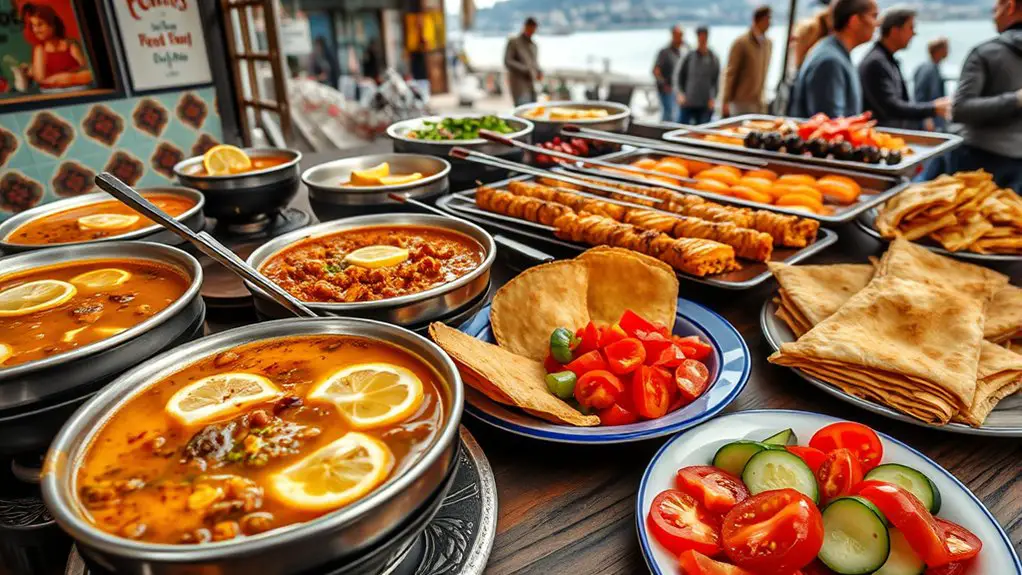
Istanbul is one of those cities where eating is part of the sightseeing. A morning can begin with simit and hot çay on a ferry, lunch might mean döner or pide, and dinner can stretch for hours over meze, grilled fish, kebabs, and conversation. Add baklava, mantı, Turkish coffee, and neighborhood markets, and the city offers far more than any single “must-eat” list can capture.
Quick Answer
The best foods to try in Istanbul include kebabs, döner, lahmacun, meze, pide, mantı, simit, Turkish breakfast, balık ekmek, baklava, lokum, and çay. For a well-rounded food trip, eat across several neighborhoods: Eminönü for classic street food, Karaköy for meze and sweets, Kadıköy for markets and regional cooking, and Beşiktaş for breakfast.
Key Takeaways
- Start with regional kebabs, döner, lahmacun, and pide if you want Istanbul’s best-known savory classics.
- Set aside one slow meal for meze; rakı is a traditional alcoholic pairing, but ayran, mineral water, and tea are easy nonalcoholic alternatives.
- Try a full Turkish breakfast at least once, with cheese, olives, tomatoes, eggs, bread, simit, jams, and çay.
- For sweets, Karaköy Güllüoğlu remains a strong baklava stop, while Istanbul has many shops for lokum and other syrup-based desserts.
- Choose street food that is cooked thoroughly and served hot, especially when buying meat, seafood, or stuffed mussels.
Disclosure: As an Amazon Associate I earn from qualifying purchases. Some links on this page are affiliate links, at no extra cost to you.
Kebabs: A Grilled Delight
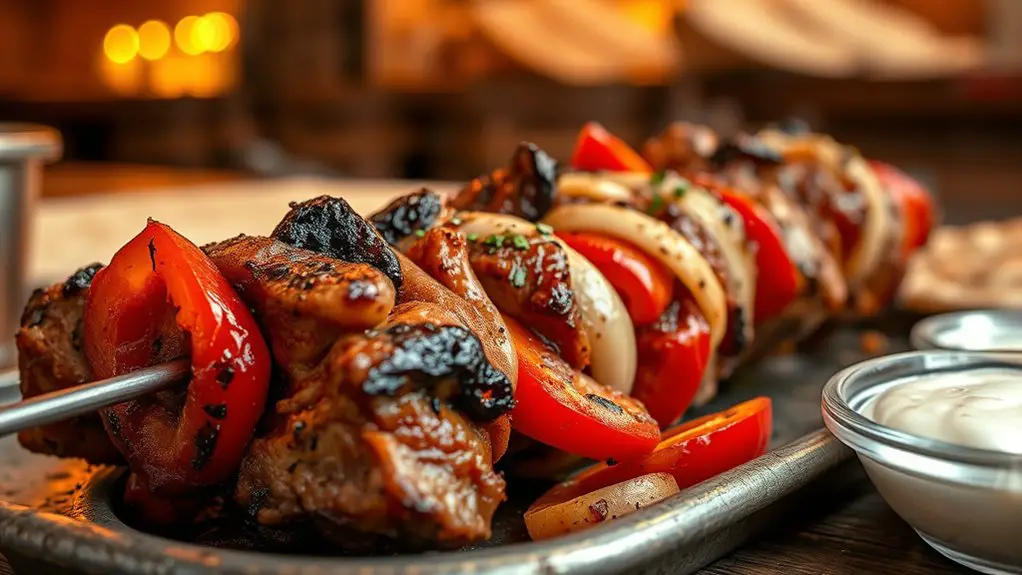
Kebab is not one single dish. Across Türkiye, the word covers many styles of grilled or roasted meat, and Istanbul is one of the easiest places to sample regional versions in the same city.
Adana kebab is a good place to start if you like bold flavors. It is usually made with minced lamb, seasoned with red pepper, shaped around a long skewer, and grilled over charcoal. Şiş kebab uses chunks of meat on skewers, while other restaurants specialize in regional styles from southeastern and eastern Türkiye.
The best way to understand Turkish kebab is to try more than one style: minced Adana kebab, skewered şiş, and a well-made dürüm all taste and eat differently.
For a current, established option, Tatbak in Nişantaşı is listed by the MICHELIN Guide for its traditional Turkish cooking, including kebab and lahmacun.
Pro Tip: At an ocakbaşı grill restaurant, order several items for the table rather than one large plate. A mix of kebab, grilled vegetables, salads, bread, and meze gives you a much better sense of the meal.
Döner and Lahmacun: Two Essential Quick Meals
Döner and lahmacun deserve their own place on an Istanbul food list. Both are fast, widely available, and easy to fit between sightseeing stops.
Döner
Döner gets its name from the rotating vertical spit used to cook stacked meat. Beef, lamb, chicken, or combinations are common. The browned outer layer is shaved off as it cooks and may be served in bread, wrapped in thin lavaş as a dürüm, or plated with rice and other sides.
For a quick meal, a simple döner sandwich from a busy specialist can be better than a heavily loaded version covered in sauces. Good meat should still be the main flavor.
Lahmacun
Lahmacun is a very thin round of dough topped with a seasoned mixture that usually includes minced meat, tomato, pepper, onion, and herbs. It is baked quickly, then commonly eaten with parsley, greens, and a squeeze of lemon before being rolled up.
Although it is sometimes nicknamed “Turkish pizza” for convenience, the texture and eating style are quite different from pizza.
Meze: Small Plates, Big Flavors
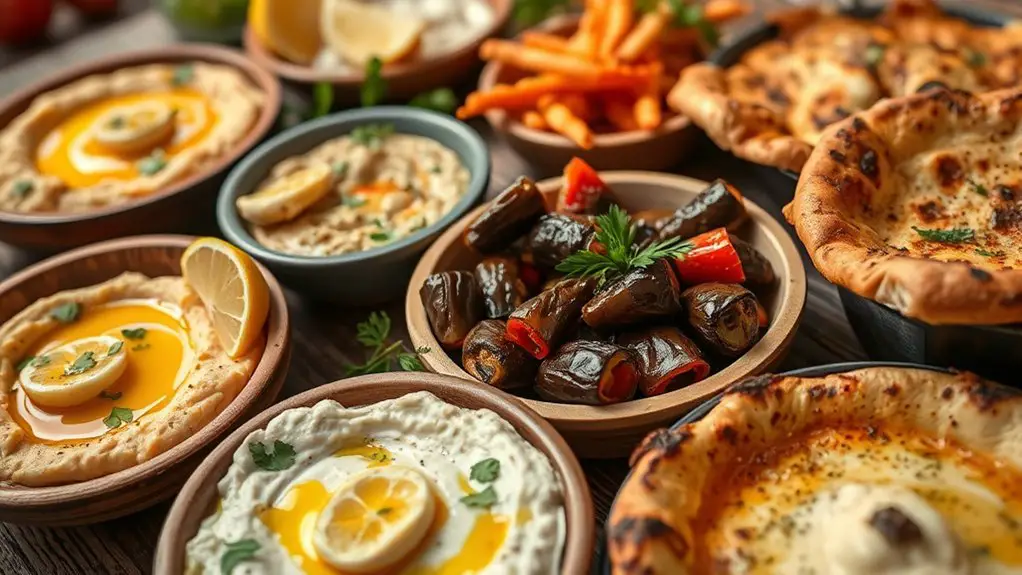
Meze is one of the best ways to slow down and experience Turkish dining. Instead of ordering a single starter, the table fills with small cold and hot dishes that everyone shares.
GoTürkiye’s Turkish cuisine guide describes meze as small flavorful dishes commonly served before a main course and notes traditional examples such as cacık, fava, and haydari.
Traditional Meze Varieties
Typical choices vary by restaurant and season, but you may see haydari made with thick yogurt and herbs, fava made from broad beans, cacık with yogurt and cucumber, roasted or smoked eggplant dishes, white cheese, seafood, peppers, beans, and olive-oil-based vegetables.
Sarma may also appear on the table. These are grape leaves or other leaves wrapped around a rice-based or meat-containing filling. The selection is often one of the pleasures of a good meyhane: rather than ordering everything from a printed description, you may be invited to look at the day’s prepared dishes before choosing.
Rakı and Meze
Rakı is an anise-flavored alcoholic drink traditionally associated with long meze meals. It is commonly mixed with water, which turns it cloudy white. It is not necessary to drink alcohol to enjoy a meyhane meal; mineral water, ayran, soft drinks, or tea are easy alternatives.
| Meze | Flavor | Traditional Pairing Idea |
|---|---|---|
| Beyaz peynir | Salty and creamy | Rakı with water, or mineral water |
| Grilled octopus or seafood | Smoky and savory | Rakı with water |
| Sarma | Herbal and tangy | Rakı, mineral water, or ayran |
| Haydari | Cool, creamy, and herby | Rakı with water or sparkling water |
| Roasted eggplant | Smoky and rich | Rakı, ayran, or mineral water |
Where to Try Meze
Karaköy Lokantası is one of the city’s established choices. Its own restaurant information describes a traditional lokanta-style lunch and an evening service centered on meze and rakı.
Across the Bosphorus in Kadıköy, Çiya Sofrası is especially useful for travelers who want to explore regional Anatolian cooking rather than only the standard tourist menu.
Restaurant openings, hours, reservation rules, and menus can change quickly in Istanbul, so check the restaurant’s current site or map listing on the day you plan to visit.
Turkish Breakfast: Kahvaltı, Menemen, and Börek
A full Turkish breakfast, or kahvaltı, is one of the biggest omissions from many first-time Istanbul food plans. It is meant to be shared and enjoyed slowly rather than eaten as a single plated entrée.
According to GoTürkiye’s Turkish breakfast guide, a traditional spread may include cheeses, olives, tomatoes, cucumbers, jams, honey and kaymak, eggs, sucuk, simit, börek, and plenty of black tea.
Menemen
Menemen is a hot egg dish usually cooked with tomatoes and green peppers. Some versions include onion, while others add cheese or sucuk. It arrives bubbling in a pan and is ideal for scooping up with fresh bread.
Börek
Börek is a savory pastry made in many forms. Common fillings include white cheese, spinach, minced meat, or potato. A neighborhood börekçi can be an excellent low-key breakfast or lunch stop when you do not want a full spread.
Note: Large “serpme kahvaltı” spreads can contain far more food than expected. Ask how the restaurant charges and how many people a set is intended to serve before ordering.
Baklava: A Sweet Symphony
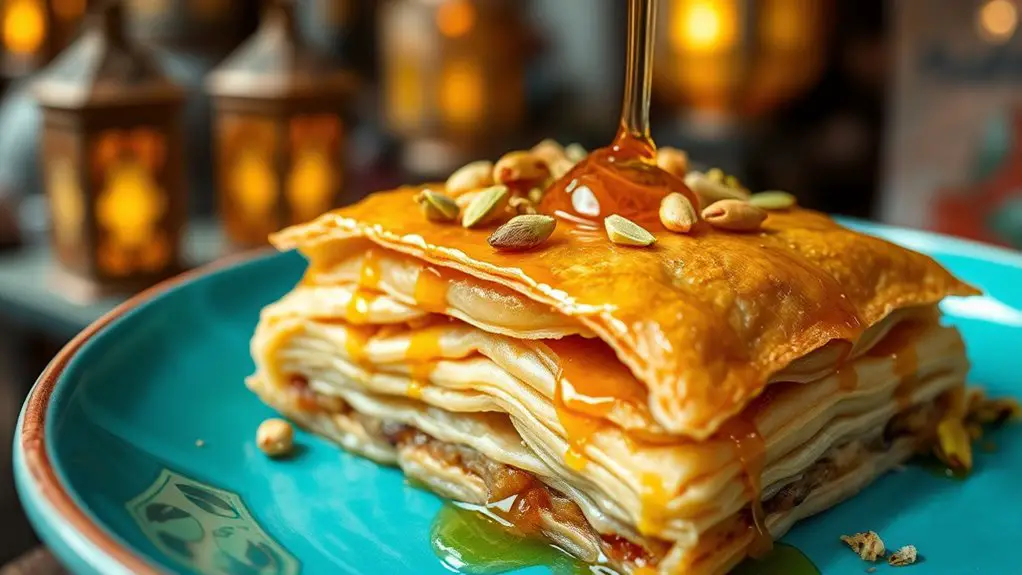
Baklava is one of Türkiye’s most famous desserts, but a fresh piece from a specialist shop tastes very different from a stale tourist-counter version.
What Makes Turkish Baklava
Classic baklava is built from very thin sheets of pastry layered with clarified butter, nuts such as pistachios or walnuts, and syrup. The finished pastry should have crisp, distinct layers rather than being soggy.
- Thin pastry layers: They create the characteristic crisp texture.
- Pistachios or walnuts: Nut choice varies by style and region.
- Clarified butter: Adds richness while helping the pastry bake crisp.
- Sugar syrup: Sweetens the pastry after baking.
Where to Try Baklava
Karaköy Güllüoğlu – Nadir Güllü remains one of Istanbul’s best-known specialist stops. Its current official site lists pistachio, walnut, hazelnut, and other baklava varieties at its Karaköy store.
Hafız Mustafa 1864 is another longstanding confectionery brand with baklava, kadayıf, lokum, and other sweets. It has several Istanbul locations, making it convenient for travelers who are not staying near Karaköy.
For the best comparison, order two or three small pieces rather than a huge assortment. Try a pistachio version and a walnut version side by side with unsweetened tea.
Simit: Istanbul’s Iconic Sesame Bread
Simit is one of the easiest Istanbul foods to try because it is sold from street carts, bakeries, ferry kiosks, and cafés throughout the city. It is a ring-shaped bread coated heavily in sesame seeds, with a crisp exterior and chewy center.
A fresh simit with white cheese and a glass of hot çay is one of Istanbul’s simplest and most satisfying breakfasts.
You can eat simit plain, pair it with cheese and olives, or add it to a larger Turkish breakfast. Freshness matters more than chasing a famous vendor, so morning is often the best time to buy one.
Fish Sandwiches: The Balık Ekmek Classic
Balık ekmek literally means fish and bread. The usual format is grilled fish inside crusty bread with onion, greens, and lemon.
Eminönü and Karaköy are two of the classic areas associated with the dish. Around the Galata Bridge and waterfront you will see a mix of fish-sandwich stalls, casual restaurants, and vendors serving other quick seafood snacks.
How to Enjoy Balık Ekmek
- Choose fish that is cooked thoroughly and served hot.
- Add lemon for brightness.
- Onion and greens provide crunch and freshness.
- Pickle juice, or turşu suyu, is a traditional savory accompaniment found around some waterfront stalls.
Best Areas to Look
Eminönü gives you the classic busy waterfront atmosphere near the Galata Bridge. Karaköy, across the bridge, combines traditional food stops with newer cafés and restaurants.
Rather than assuming one stall is permanently “the best,” compare turnover, cleanliness, and how the food is being handled that day.
Other Istanbul Street Foods to Know
Simit and balık ekmek are only the beginning. Istanbul’s street-food culture also includes döner dürüm, roasted chestnuts, corn, börek, stuffed mussels, kokoreç, kumpir, and rice with chicken.
Midye Dolma
Midye dolma are mussels filled with seasoned rice and usually finished with lemon. They are especially common around busy nightlife and market areas.
Kokoreç
Kokoreç is a strongly flavored dish made from seasoned offal and intestines cooked on a spit, chopped, and commonly served in bread. It is particularly associated with late-night eating.
Kumpir
Kumpir is a large baked potato whose fluffy interior is mixed with butter and cheese before the customer chooses from many toppings. Ortaköy is especially associated with rows of kumpir sellers.
Warning: A long queue does not guarantee safe food handling. The CDC advises travelers that thoroughly cooked food served hot is generally safer and notes that food from street vendors can carry greater foodborne-illness risk. Be especially cautious with seafood, meat, eggs, and food that has been sitting at room temperature.
Pide: Boat-Shaped Turkish Flatbread
Pide is a baked flatbread commonly shaped like a long boat and topped with meat, cheese, vegetables, or combinations of all three. It is sometimes called Turkish pizza for convenience, although the dough, shape, toppings, and preparation have their own traditions.
Popular versions include:
- Kıymalı: Minced meat with seasoning.
- Sucuklu: Turkish cured sausage.
- Peynirli: Cheese.
- Sebzeli: Vegetables.
- Yumurtalı: Finished with egg.
A cold glass of ayran, made from yogurt, water, and salt, is a classic nonalcoholic partner for pide and grilled foods.
Sarma and Dolma: Wrapped and Stuffed Classics
Sarma and dolma are related, but they are not the same thing. The distinction is useful when reading a Turkish menu.
As explained in GoTürkiye’s guide to sarma and dolma, sarma comes from a word meaning to wrap or roll. Grape leaves, cabbage leaves, and other leafy greens may be wrapped around fillings of rice, herbs, spices, and sometimes minced meat.
Dolma, meanwhile, refers to vegetables that are stuffed. Peppers, zucchini, eggplant, squash blossoms, and other vegetables can all be prepared as dolma.
Olive-oil versions are often excellent vegetarian choices. Meat-filled versions are more substantial and may be served warm with yogurt.
Turkish Delight: Lokum
Turkish Delight, or lokum, is a soft confection based on sugar and starch. It comes in a wide range of flavors and textures, from simple rose or citrus pieces to versions packed with pistachios or other nuts.
Popular varieties include:
- Rose: Floral and traditional.
- Pistachio: Nutty, often with whole or chopped pistachios.
- Mastic: Aromatic and resinous.
- Coconut-coated: Soft pieces covered in coconut.
- Fruit flavors: Including pomegranate, citrus, or sour cherry.
Lokum also makes an easy edible souvenir because many confectioners sell boxed assortments designed for travel.
Mantı: Turkish Dumplings
Mantı are small dumplings found in several regional styles across Türkiye. The best-known example is Kayseri mantısı, made from small pieces of dough filled with seasoned meat and commonly served with garlicky yogurt.
Butter or oil flavored with red pepper may be spooned over the top, creating a combination of tangy yogurt, tender pasta, meat, and warm spice.
Because mantı is labor-intensive to make by hand, a restaurant that specializes in it can be worth seeking out rather than ordering it as an afterthought from an enormous tourist menu.
Çay: The Heart of Turkish Hospitality
Black tea, or çay, is part of everyday life in Istanbul. It is commonly served in small tulip-shaped glasses and appears at breakfast tables, cafés, workplaces, shops, and after meals.
GoTürkiye’s Istanbul tea guide notes that the drink is traditionally consumed without milk and is often sweetened with sugar.
You do not need complicated etiquette to enjoy it. Accept a cup when you want one, hold the glass by the rim where it is cooler, and politely decline when you have had enough.
Turkish Coffee: A Small Cup With a Big Tradition
Turkish coffee is another drink worth trying at least once. Finely ground coffee is brewed unfiltered in a small pot called a cezve and poured directly into a small cup, so fine grounds settle at the bottom.
Drink slowly and stop before reaching the sediment. It is often served with water and sometimes a small piece of lokum.
Unlike filtered coffee, Turkish coffee is valued as much for the ritual and conversation around it as for the caffeine.
Where to Eat in Istanbul by Neighborhood
| Area | What to Look For |
|---|---|
| Eminönü | Balık ekmek, street snacks, sweets, tea, and quick meals near the waterfront. |
| Karaköy | Baklava, meze, lokanta cooking, cafés, and contemporary restaurants. |
| Kadıköy | Market browsing, regional Turkish dishes, meze, seafood, bakeries, and casual neighborhood eating. |
| Beşiktaş | Turkish breakfast, döner, bakeries, casual restaurants, and student-friendly quick meals. |
| Beyoğlu | Meyhanes, kebabs, street food, late-night dishes, cafés, and dessert shops. |
Pro Tip: Do not build your entire food itinerary around famous restaurant names. Pick a neighborhood, walk its market streets, and combine one destination restaurant with bakeries, cafés, and busy specialist shops you discover nearby.
Vegetarian, Vegan, and Allergy Tips
Turkish cooking offers plenty for travelers who do not eat meat. Look for olive-oil vegetable dishes known as zeytinyağlılar, lentil soup, bean dishes, vegetable meze, hummus, fava, eggplant dishes, meat-free sarma, salads, and some types of pide and börek.
Vegans should ask whether yogurt, cheese, butter, eggs, or meat stock are used, because vegetable-based dishes are not automatically vegan.
Travelers with allergies should also ask directly about ingredients. Turkish food commonly uses pistachios and walnuts in desserts, sesame on simit, dairy in yogurt and cheese dishes, and wheat/gluten in bread, börek, pide, baklava, and mantı.
Frequently Asked Questions
What is the best time to visit Istanbul for food?
Istanbul is a year-round food destination. Spring and fall are especially comfortable for walking between markets, cafés, and restaurants, while summer brings long evenings and winter is excellent for soups, roasted chestnuts, salep, and other cold-weather foods. Seasonal produce also changes what appears on meze and lokanta menus.
Are there vegetarian options in traditional Turkish cuisine?
Yes. Look for lentil soup, olive-oil vegetable dishes, meat-free sarma and dolma, fava, eggplant meze, hummus, salads, cheese or vegetable pide, and börek. Ask whether yogurt, butter, meat stock, or minced meat is included if you need a strictly vegetarian or vegan meal.
How can I find authentic local restaurants in Istanbul?
Look for restaurants that specialize in a small number of dishes, neighborhood lokantas with prepared food displayed at lunchtime, busy bakeries, and market-area restaurants with strong local trade. Kadıköy, Beşiktaş, Karaköy, Fatih, and Beyoğlu all reward walking beyond the most tourist-heavy streets.
What dining etiquette should I follow in Turkish restaurants?
Normal polite restaurant manners are enough. Shared meze dishes are common, so let everyone reach or pass plates around the table. Meals, especially breakfast and meyhane dinners, can be leisurely. There is no need to rush, and you can politely decline additional tea, food, or alcohol.
Is street food safe to eat in Istanbul?
Street food can be enjoyable, but no stall is risk-free. Prefer food cooked thoroughly in front of you and served hot. Be more cautious with raw foods, seafood, stuffed mussels, meat, eggs, and anything that has been sitting unrefrigerated. A busy stall may have faster turnover, but a queue alone does not prove safe food handling.
What food should a first-time visitor try in Istanbul?
A strong first-timer list is Turkish breakfast, simit, döner or lahmacun, one charcoal-grilled kebab, a meze dinner, balık ekmek, pide or mantı, baklava, lokum, Turkish coffee, and plenty of çay. You do not need to fit everything into one day.
Should I make restaurant reservations in Istanbul?
For famous dinner restaurants and popular meyhanes, reservations are smart, especially on Friday and Saturday evenings. Street-food stalls, bakeries, lunch lokantas, and many casual restaurants usually work well as walk-ins. Always check current opening hours because schedules can change.
Conclusion
The best way to experience Istanbul’s food is to mix famous dishes with ordinary neighborhood eating. Try kebabs and lahmacun, spend time over meze, eat simit with tea, sit down for a full Turkish breakfast, and save room for baklava. Then cross the Bosphorus and do it again in another neighborhood. Istanbul’s real strength is not one signature dish but the variety you can taste within a few ferry stops.
Sources
- GoTürkiye — Turkish Cuisine — meze, rakı, pide, baklava, lokum, simit, and ayran.
- GoTürkiye — Turkish Breakfast — traditional breakfast foods, simit, börek, eggs, and çay.
- GoTürkiye — Sarma and Dolma — distinction between wrapped sarma and stuffed dolma.
- CDC Yellow Book — Food and Water Precautions for Travelers — street-food and food-safety guidance.
- Karaköy Lokantası — Official Information — current lunch, meze, and evening dining format.
- Karaköy Güllüoğlu — Official Site — current Karaköy shop and baklava range.

