
Last Updated on July 25, 2026 by Daniel Globe
If you want to try kokoreç in Istanbul, the biggest decision is not simply where to eat it, but which style to order. Istanbul-style kokoreç is usually finely chopped, well seasoned, and may be mixed with tomato and green pepper, while İzmir-style versions keep the meat in larger pieces with simpler seasoning. Good specialist shops can be found on both sides of the Bosphorus.
Quick Answer
For a dependable first kokoreç in Istanbul, start with Şampiyon Kokoreç in Beyoğlu, Kral Kokoreç in Sirkeci, or Adalı Kokoreç in Kadıköy. Order a quarter or half loaf, choose Istanbul style for a finer, spicier mix or İzmir style for larger slices, and eat it hot from a busy shop.
Key Takeaways
- Turkish kokoreç is built around cleaned sheep or lamb intestine, not a generic mixture of liver, heart, kidney, and other organs.
- Istanbul style is generally finer-cut and more heavily seasoned; İzmir style usually uses larger pieces and simpler seasoning.
- Beyoğlu, Sirkeci, Kadıköy, Üsküdar, and Beylerbeyi all have established kokoreç specialists.
- For your first taste, a çeyrek ekmek, or quarter loaf, lets you try kokoreç without committing to a large portion.
- Choose a high-turnover shop and eat the kokoreç freshly cooked and hot.
Disclosure: As an Amazon Associate I earn from qualifying purchases. Some links on this page are affiliate links, at no extra cost to you.
What Is Kokoreç?
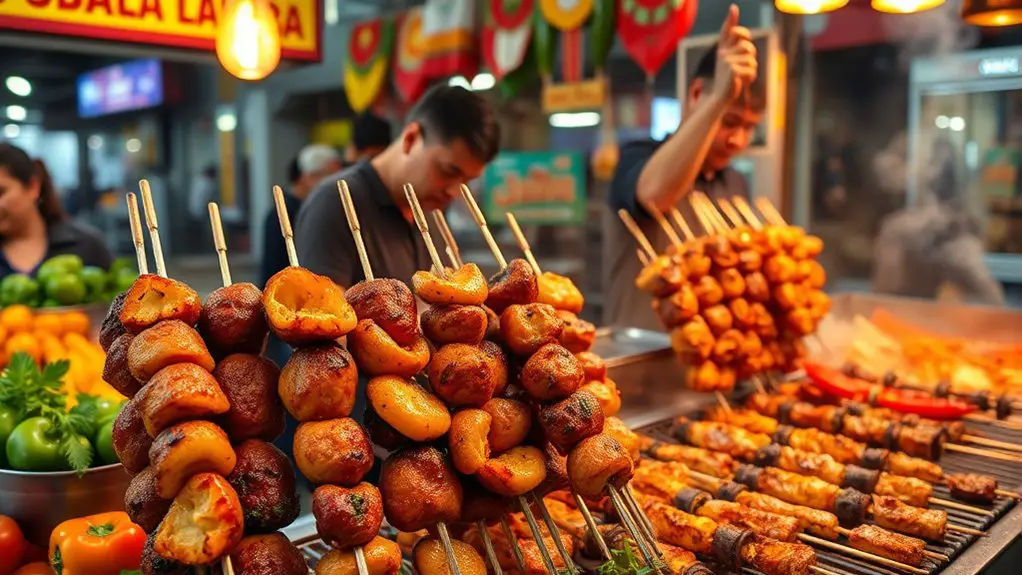
Kokoreç is one of Türkiye’s best-known offal dishes. In the Turkish version, cleaned sheep or lamb intestines are wound tightly around a skewer, often with additional fat or related tissues depending on the producer, and slowly cooked until the outside browns and crisps.
Traditional Turkish kokoreç is intestine-forward. It should not be confused with every Balkan-style kokoretsi recipe, some of which contain a much wider mixture of internal organs.
Once cooked, the kokoreç is cut from the rotating roll. In Istanbul, it is commonly chopped more finely and may be cooked again on a hot griddle with tomato, green pepper, oregano, red pepper flakes, black pepper, or other seasonings. It is then served in crusty bread or as a plated portion.
The texture is part of the appeal: properly cooked kokoreç combines crisp browned edges with a rich, juicy interior. Because recipes and spice blends differ from shop to shop, two kokoreç sandwiches in Istanbul can taste surprisingly different.
The History of Kokoreç in Istanbul
Kokoreç belongs to a wider food tradition shared across Anatolia, the Aegean, and the Balkans. Similar intestine-wrapped dishes appear under related names in neighboring cuisines, so assigning the dish to one simple point of origin is difficult.
What is clear is that kokoreç became deeply associated with Turkish street-food culture, including Istanbul’s late-night eating scene. Today it ranges from simple counter-service shops to modern restaurants devoted almost entirely to kokoreç and other sakatat, or offal, dishes.
Origins of Kokoreç
The exact origin of kokoreç is debated. Rather than treating it as a dish definitively invented in one period, it is more accurate to view it as part of the long culinary exchange between Anatolia and southeastern Europe.
A study of kokoreç in Turkish cultural history discusses the dish’s regional background and notes an early written appearance of the Turkish word in literature from the early 20th century. That does not mean the food itself suddenly appeared at that date; food traditions often predate their surviving written references.
Cultural Significance Today
In modern Istanbul, kokoreç is strongly associated with quick, informal eating and late-night meals. Permanent kokoreç shops have largely replaced the need to rely on anonymous street carts, giving visitors an easier way to compare preparation styles and choose established specialists.
| Aspect | Traditional Hallmark | Common Modern Istanbul Practice |
|---|---|---|
| Cooking | Intestines roasted on a horizontal skewer | Often chopped and finished again on a hot griddle |
| Seasoning | Salt and spices | Oregano, red pepper, black pepper, and other house blends |
| Serving | Bread or plated portion | Quarter, half, full-loaf, wrap, or plated portions |
Top Street Vendors for Kokoreç
For visitors, Istanbul’s permanent street-food-style kokoreç shops are usually a better bet than choosing an unknown cart at random. They offer clearer menus, predictable locations, and enough customer turnover to make comparing styles easier.
Must-Try Street Stalls
- Şampiyon Kokoreç, Beyoğlu — A convenient first stop near the İstiklal and Nevizade area. The brand specializes in kuzu kokoreç and offers familiar quarter- and half-bread portions.
- Kral Kokoreç Sirkeci — A useful Old City option if you are sightseeing around Sirkeci, Eminönü, or Sultanahmet and want a specialist without crossing to another district.
- Adalı Kokoreç Kadıköy — A strong Asian-side choice in Caferağa, particularly convenient for an evening food crawl through Kadıköy.
Pro Tip: On your first visit, order a çeyrek ekmek, or quarter loaf. Kokoreç is rich, and the smaller portion lets you decide whether you prefer Istanbul or İzmir style before ordering more.
Best Neighborhoods for Kokoreç
You do not need to cross Istanbul solely for kokoreç unless you enjoy food-focused detours. Pick a specialist that fits naturally into your sightseeing route.
| Area | Good Starting Point | Best For |
|---|---|---|
| Beyoğlu / Taksim | Şampiyon Kokoreç | Central location and late-night food |
| Cihangir | Lokal Kokoreç | A smaller neighborhood-style experience |
| Sirkeci / Eminönü | Kral Kokoreç Sirkeci | Old City sightseeing routes |
| Kadıköy | Adalı Kokoreç Kadıköy | Asian-side nightlife and food crawls |
| Üsküdar / Beylerbeyi | Dayılar Kokoreç or Beylerbeyi Kuzu Kokoreç | A Bosphorus-side Asian-side detour |
Hours and branch information can change, particularly for late-night restaurants, so check the shop’s current listing on the day you visit.
Must-Try Restaurants for Kokoreç
Beyond the most central stops, several established specialists are worth considering when they fit your itinerary.
- Lokal Kokoreç, Cihangir — A compact kokoreç-focused spot in Cihangir that suits solo diners and small groups. Kokoreç is the main attraction, with other grilled and offal dishes also appearing on the menu.
- Dayılar Kokoreç, Üsküdar — A casual Asian-side specialist near central Üsküdar. It is a practical choice if you are already exploring the waterfront or crossing by ferry.
- Beylerbeyi Kuzu Kokoreç — A kokoreç-focused stop in Beylerbeyi that pairs well with a walk along the Bosphorus.
- Kokoreççi Şeref Usta, Küçükçekmece — A well-established specialist farther from Istanbul’s main tourist districts. It makes more sense as a dedicated food detour than as a quick sightseeing stop.
No single restaurant can objectively claim to be “the best” for everyone. Spice level, fat content, chopping style, bread, and how crisp you like the meat all affect which shop you will prefer.
Unique Variations of Kokoreç
The most useful distinction for a visitor is between Istanbul and İzmir styles. The official Visit İzmir street-food guide describes İzmir kokoreç as larger-cut pieces cooked over charcoal and simply seasoned, contrasting it with finely chopped kokoreç served with tomato.
| Variation | What to Expect |
|---|---|
| Istanbul Style | Finely chopped; commonly well seasoned and sometimes mixed with tomato and green pepper |
| İzmir Style | Larger pieces, simpler seasoning, with the taste and texture of the kokoreç more exposed |
| Spicy | Extra red pepper flakes or a stronger house spice mixture |
| Sade | A plainer version with fewer additions |
| Plant-Based Imitation | Mushroom, seitan, or vegetable preparations inspired by kokoreç; these are modern alternatives, not traditional kokoreç |
Note: There is no single citywide recipe. Even two shops advertising “İstanbul usulü” may use different spice blends, chopping sizes, fat levels, and amounts of tomato or pepper.
How to Order Kokoreç in Istanbul
Kokoreç menus are easier to understand once you know a few Turkish terms:
- Çeyrek ekmek: quarter loaf; a good tasting portion.
- Yarım ekmek: half loaf; a more filling sandwich.
- Tam ekmek: full loaf.
- Porsiyon: served as a plate rather than inside bread.
- İstanbul usulü: Istanbul style.
- İzmir usulü: İzmir style.
- Acılı: spicy.
- Acısız: not spicy.
- Sade: plain or with minimal additions.
A useful first order is “çeyrek İstanbul usulü, az acılı” if you want a quarter-loaf Istanbul-style sandwich with only mild heat. For a more meat-forward taste, ask whether the shop serves İzmir style.
Tips for Enjoying Kokoreç
Kokoreç tastes best immediately after cooking, while the browned edges are still crisp and the bread has not absorbed too much fat.
- Start small: A quarter loaf is enough for a first taste.
- Control the spice: Ask for less red pepper if you want to taste the kokoreç itself rather than the seasoning.
- Try pickles alongside it: Their acidity helps balance the richness.
- Compare styles: Trying Istanbul style on one visit and İzmir style on another is more informative than simply visiting several similar shops.
- Eat it fresh: Choose a busy specialist where cooked food is moving quickly rather than sitting for long periods.
Warning: Kokoreç is made from intestines and must be handled and cooked carefully. Choose freshly cooked food served hot and avoid meat that seems undercooked or has been sitting lukewarm. The CDC recommends properly cooked meat, with extra caution for pregnant people, young children, adults 65 and older, and people with weakened immune systems.
Pairing Drinks With Kokoreç
Because kokoreç is salty, fatty, smoky, and often spicy, refreshing drinks tend to work better than heavy pairings.
| Drink | Why It Works |
|---|---|
| Ayran | Cool, tangy yogurt helps soften the heat and richness. |
| Şalgam | The salty, acidic turnip drink is a bold traditional-style match for grilled food. |
| Mineral Water | A simple palate cleanser when the kokoreç is heavily seasoned. |
| Beer or Rakı | Optional alcoholic pairings for adults who already enjoy them; neither is necessary to appreciate the dish. |
Exploring Other Offal Dishes in Istanbul
If you enjoy kokoreç, Istanbul’s wider sakatat tradition offers several genuinely offal-based dishes worth trying.
- Kelle Söğüş — Cooked meat from the sheep’s head, commonly including cheek and tongue, sliced and served cold or in a wrap with seasonings.
- Uykuluk — Sweetbreads, usually grilled until browned outside while remaining tender inside.
- İşkembe Çorbası — Tripe soup, commonly served with garlic, vinegar, and red pepper. It is especially associated with late-night eating.
- Mumbar Dolması — Cleaned intestine stuffed with a seasoned rice or bulgur mixture. It is more strongly associated with some regional Turkish cuisines but can also be found at specialist restaurants in Istanbul.
These dishes are very different from beyaz peynir, kuzu tandır, or içli köfte, which may be excellent Turkish foods but are not themselves offal dishes.
Frequently Asked Questions
Is kokoreç safe to eat for everyone?
Properly handled and thoroughly cooked kokoreç can be eaten like other cooked meat dishes, but food-safety risk increases when meat is undercooked or held at unsafe temperatures. Pregnant people, children under 5, adults 65 and older, and people with weakened immune systems should be especially cautious about undercooked meat.
How is kokoreç traditionally prepared and cooked?
Cleaned sheep or lamb intestines are wound tightly around a horizontal skewer and slowly cooked over heat until browned. The cooked exterior is then sliced away. Istanbul-style kokoreç is often chopped finely and finished on a griddle with seasonings and sometimes tomato and green pepper before being placed in bread.
What are the nutritional values of kokoreç?
There is no single reliable nutrition figure for restaurant kokoreç because the amount of intestine, fat, bread, vegetables, salt, and portion size varies. It provides animal protein and can contribute nutrients found in animal foods, including vitamin B12, but it can also be high in fat and sodium. Treat published calorie or nutrient numbers cautiously unless they refer to a specific standardized recipe.
Can kokoreç be made vegetarian or vegan?
Traditional kokoreç cannot be vegetarian or vegan because intestine is its defining ingredient. Restaurants and home cooks can make kokoreç-inspired dishes with mushrooms, seitan, vegetables, and similar spices, but these are plant-based reinterpretations rather than traditional kokoreç.
What is the price range for kokoreç in Istanbul?
The old ₺30–₺80 price range is no longer realistic. As of July 2026, a practical budget at many established Istanbul kokoreç shops is roughly ₺200–₺600 per person depending on neighborhood and portion size. Some current half-loaf sandwiches are around ₺470–₺500. Inflation and menu changes are frequent, so check the same-day menu before visiting.
What is the difference between Istanbul-style and İzmir-style kokoreç?
Istanbul-style kokoreç is typically chopped more finely and often cooked with stronger seasoning plus tomato or green pepper. İzmir-style kokoreç usually keeps the pieces larger, uses fewer additions, and puts more emphasis on the flavor and texture of the grilled intestine itself.
What should a first-time visitor order?
Start with a quarter loaf, called çeyrek ekmek. Istanbul style is an approachable choice if you like herbs, peppers, and a finely chopped texture. Choose İzmir style if you want larger pieces and less interference from vegetables and heavy seasoning.
Conclusion
The best way to understand kokoreç in Istanbul is to treat it as more than a single sandwich. Start with a reputable specialist, order a small portion, and pay attention to the chopping style, seasoning, bread, and crispness. Şampiyon in Beyoğlu, Kral in Sirkeci, and Adalı in Kadıköy are convenient starting points, while Lokal, Dayılar, Beylerbeyi Kuzu Kokoreç, and Şeref Usta offer worthwhile alternatives when their neighborhoods fit your route.
Most importantly, try Istanbul and İzmir styles separately. That comparison will tell you far more about what kind of kokoreç you enjoy than chasing one supposedly definitive “best” shop across the city.
Sources
- Visit İzmir — Top 10 Street Foods — official local tourism guidance describing İzmir-style kokoreç and how it differs from the finely chopped tomato-containing style.
- Türk Kültüründe Kokorecin Tarihsel Serüveni — academic discussion of the history, terminology, and cultural development of kokoreç.
- CDC — Safer Food Choices — food-safety guidance for cooked meat and groups at higher risk of foodborne illness.
- USDA Food Safety and Inspection Service — Doneness Versus Safety — guidance on safe cooking and why appearance alone cannot establish meat safety.
- NIH Office of Dietary Supplements — Vitamin B12 Fact Sheet — supports the general statement that animal foods can provide vitamin B12.
