
Last Updated on July 25, 2026 by Daniel Globe
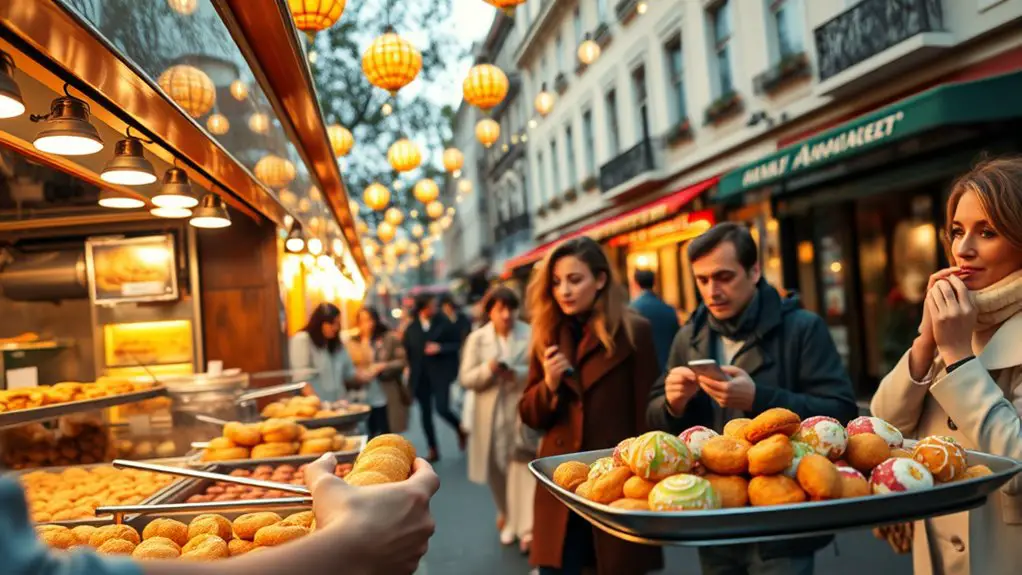
Nişantaşı may be known for designer shops, polished cafés, and upscale restaurants, but you can still build a satisfying casual-food crawl through the neighborhood. The key is knowing what to look for. Instead of expecting one large street-food market, watch for simit carts, bakeries, pastry shops, kebab and lahmacun counters, dessert shops, and casual restaurants serving Turkish favorites throughout the Teşvikiye and Nişantaşı area.
Quick Answer
Nişantaşı is best for a mix of simit carts, bakeries, casual kebab and lahmacun shops, dessert counters, and cafés rather than one concentrated street-food market. Start with simit or börek in the morning, add lahmacun or kebab later, and finish with baklava, lokum, ayran, tea, or Turkish coffee.
Key Takeaways
- For a quick breakfast or snack, look for fresh simit and börek from carts and bakeries.
- Lahmacun, kebab, and dürüm-style meals are better choices when you want something more filling.
- Nişantaşı is an upscale neighborhood, so simple takeaway food can offer better value than its sit-down dining scene.
- Choose freshly cooked food served hot, ask about ingredients if you have allergies, and never assume that a busy or attractive stall is automatically risk-free.
Disclosure: As an Amazon Associate I earn from qualifying purchases. Some links on this page are affiliate links, at no extra cost to you.
What Street Food Means in Nişantaşı
Street food in Nişantaşı does not always mean eating directly from a cart. In practice, your casual food stops may include a red simit cart, a small bakery, a börek counter, a kebab shop, a dessert specialist, or an informal restaurant where you can eat quickly and continue exploring.
That distinction matters because Nişantaşı is also one of Istanbul’s more polished shopping and dining areas. You will find traditional Turkish food beside cafés and international restaurants, so the experience can feel different from districts known for dense market-style food stalls.
Note: Do not plan your visit around finding one dedicated “Nişantaşı street food market.” A better strategy is to walk the commercial streets around Nişantaşı and Teşvikiye and stop at busy bakeries, carts, dessert counters, and casual Turkish eateries as you find them.
Must-Try Savory Pastries
Start with börek, one of the most useful grab-and-go foods to know in Türkiye. Official GoTürkiye gastronomy guidance describes börek as flaky pastry made in different shapes with fillings such as cheese, spinach, meat, or potatoes.
Unlike lokum, börek should not be described as “Turkish delight.” It is a broad family of savory pastries. Depending on the shop, you may see layered tray börek, rolled versions, or su böreği, which has a softer layered texture.
Another classic is simit, the circular bread coated generously with sesame seeds. It is especially convenient in the morning and pairs naturally with Turkish tea, cheese, or a simple breakfast.
For an easy Nişantaşı food crawl, start with something small: a fresh simit or portion of börek leaves room to try more foods later.
You may also encounter gözleme. It is a thin griddled pastry or flatbread with many regional versions; some are filled with ingredients such as cheese, herbs, spinach, or potatoes, while other regional recipes are simpler. Treat the filling as something to check at the counter rather than assuming every gözleme is made the same way.
Pro Tip: Buy simit and börek when they look freshly baked and the shop is turning over trays regularly. Texture matters: simit is best before it becomes tough, while börek is more enjoyable when the pastry is still crisp or warm.
Lahmacun, Kebabs, and Grilled Meats
For a more filling meal, add lahmacun to your list. The thin baked dough is topped with a seasoned minced-meat mixture and is often eaten with herbs, greens, lemon, or other accompaniments before being folded or rolled.
There is a useful current Nişantaşı example: the MICHELIN Guide lists Tatbak on Valikonağı Caddesi in Nişantaşı as a Bib Gourmand restaurant serving traditional Turkish cooking, including a Gaziantep-style spicy lahmacun and kebab dishes. Specific menus and operating hours can change, so check the current listing before making a special trip.
Kebab is a broad category rather than one single recipe. Adana kebabı, for example, has a registered traditional preparation. Türkiye’s official Culture Portal describes it as a mixture based on sheep meat and tail fat with salt and red pepper ingredients, formed onto skewers and cooked over hot charcoal.
You may also see skewered meat, grilled chicken, other regional kebabs, or meat served inside dürüm-style flatbread wraps. Rather than assuming every kebab is spicy, ask what is in the version you are ordering.
Döner is another practical option to watch for when you want a fast meal. Meat is cooked on a vertical rotating spit and may be served in bread, wrapped, or plated. Portion size, meat type, garnishes, and sauces vary widely by shop.
Traditional Turkish Sweets to Try
After a savory meal, baklava is an obvious next stop. Traditional versions combine very thin pastry layers, butter, nuts, and sweet syrup. It is more accurate to describe the syrup simply as syrup rather than assuming it is made with honey.
Gaziantep baklava is especially important in Turkish food culture. European Union information on Gaziantep’s protected foods notes that Antep/Gaziantep Baklavası received Protected Geographical Indication status in 2013.
Another sweet to know is lokum, commonly called Turkish delight in English. It is generally made from sugar and starch and appears in many flavors and styles, including rose and citrus varieties as well as versions containing nuts.
Both baklava and lokum can be rich, so a small serving works well during a walking food crawl. They also pair naturally with tea or Turkish coffee.
Drinks to Pair With Your Food
Ayran is one of the easiest traditional drinks to pair with kebab, lahmacun, or other savory food. GoTürkiye describes it as yogurt diluted with water and seasoned with salt. Served cold, it has a tangy flavor that contrasts nicely with grilled or spicy foods.
Fresh orange or pomegranate juice may also be available at juice counters or cafés, but availability changes from shop to shop. Treat fresh juice as an optional find rather than a defining Nişantaşı specialty.
For a more traditional finish, order Turkish tea or Turkish coffee. Turkish coffee is not simply an espresso-sized coffee: its preparation and social traditions are culturally significant. UNESCO inscribed Turkish coffee culture and tradition on the Representative List of the Intangible Cultural Heritage of Humanity in 2013.
Where and When to Look for Food in Nişantaşı
There is no single hour when every type of casual food is at its best. Build your day around the food instead:
- Morning: Look for fresh simit, börek, tea, and bakery items.
- Lunch: Try lahmacun, döner, dürüm, kebab, or another casual hot meal.
- Afternoon: Stop for baklava, lokum, tea, Turkish coffee, or a pastry.
- Evening: Kebabs and other cooked meals can work well, but individual businesses have their own hours and closing days.
Rather than relying on an old list of stalls, explore the commercial streets around Nişantaşı and Teşvikiye. Valikonağı Caddesi and its surrounding streets are useful areas to browse because bakeries, cafés, restaurants, and shops are close enough together to make walking practical.
Check current menus and opening hours before traveling specifically for one business. Restaurant schedules and prices can change faster than the traditional foods themselves.
Is Nişantaşı Street Food Budget-Friendly?
It can be, but there is an important catch: Nişantaşı is an upscale part of Istanbul. A simit, bakery snack, takeaway pastry, or simple casual meal can be a more economical way to eat here, while stylish cafés and full-service restaurants can cost considerably more.
For that reason, avoid treating any old online price list as permanent. Check the displayed menu before ordering, especially if you are watching your budget. Comparing a few nearby counters is more useful than relying on a fixed lira price that may quickly become outdated.
Vegetarian, Vegan, and Allergen Tips
Vegetarian choices are fairly easy to identify when you know what to ask for. Cheese, spinach, herb, or potato börek and gözleme may be meat-free, while many vegetable and olive-oil dishes in Turkish cuisine are also vegetarian.
Vegan requires more care. A vegetable filling does not guarantee the entire dish is vegan. Pastry may contain butter, milk, yogurt, or egg, and gözleme may be brushed with butter or another fat after cooking. Ask the seller about the complete recipe.
Common ingredients that matter to people with allergies include:
- Sesame on simit and some breads.
- Wheat/gluten in simit, börek, gözleme, lahmacun, dürüm bread, and baklava.
- Dairy in ayran, cheese fillings, butter-based pastries, and some desserts.
- Nuts such as pistachios or walnuts in baklava and some lokum.
Recipes and cross-contact practices differ from one kitchen to another, so anyone with a serious allergy should ask directly about ingredients and preparation instead of relying only on the dish name.
Street Food Safety in Nişantaşı
Good food safety matters anywhere you eat while traveling. The CDC Yellow Book notes that food from street vendors can carry an increased risk of illness and advises travelers to favor fully cooked foods that are served hot.
Warning: A clean-looking stall or a long queue is not proof that food is safe. Prefer food cooked thoroughly and served hot, make sure chilled items are actually cold, be cautious with raw or undercooked foods, and take extra care with unpasteurized dairy or fresh foods when their handling is uncertain.
Wash your hands before eating or use hand sanitizer when soap and water are unavailable. If you are pregnant, immunocompromised, over 65, traveling with a young child, or otherwise at increased risk of severe foodborne illness, take additional precautions.
Modern Street Food and Contemporary Flavors
Nişantaşı’s food scene is not limited to traditional Turkish cooking. The neighborhood also contains modern cafés and international restaurants, so it is common to move from a traditional pastry or kebab to something much more contemporary during the same walk.
What changes quickly are the individual fusion dishes. A particular café may experiment with international seasonings, unusual fillings, gourmet sandwiches, creative desserts, or elaborate presentation, but those items should be treated as venue-specific creations rather than defining Nişantaşı street foods.
For a first visit, start with established Turkish favorites such as simit, börek, lahmacun, kebab, baklava, lokum, and ayran. Once you have tried the classics, the neighborhood’s newer interpretations make more sense in context.
Frequently Asked Questions
What Are the Best Times to Enjoy Street Food in Nişantaşı?
There is no reliable neighborhood-wide 6 PM–10 PM rule. Morning is ideal for fresh simit and börek, while lahmacun, döner, kebabs, and dürüm-style meals suit lunch or evening. Dessert, tea, and coffee work throughout the day. Always check the current hours of any specific business you plan to visit.
Are There Vegetarian or Vegan Street Food Options in Nişantaşı?
Yes. Vegetarian possibilities include cheese, spinach, herb, or potato pastries and many vegetable dishes. Vegan diners should ask about the complete recipe because apparently plant-based pastries may contain butter, milk, yogurt, or egg. Cross-contact can also matter for people with allergies.
How Safe Is It to Eat Street Food in Nişantaşı?
No vendor can be declared safe simply from appearance. Reduce your risk by choosing food that is thoroughly cooked and served hot, ensuring cold foods are kept cold, avoiding questionable raw or undercooked ingredients, washing your hands before eating, and taking extra precautions if you are at higher risk of foodborne illness.
Where Can I Find Street Food Markets in Nişantaşı?
It is better not to expect one dedicated Nişantaşı street-food market. Casual food is spread among simit carts, bakeries, pastry shops, dessert counters, kebab restaurants, and other small eateries. Walk around the Nişantaşı and Teşvikiye commercial streets, including the Valikonağı area, and choose individual stops as you go.
Is Street Food in Nişantaşı Budget-Friendly?
Simple foods such as simit, pastries, and casual takeaway meals can help you eat more economically, but Nişantaşı itself is an upscale neighborhood. Check current menu prices before ordering rather than relying on old online price guides.
What Street Food Should I Try First in Nişantaşı?
For a first tasting, start with a fresh simit or börek, then try lahmacun or a kebab-based meal when you are hungrier. Finish with a small serving of baklava or lokum and Turkish tea, coffee, or ayran. This gives you a broad taste of Turkish casual food without ordering everything at once.
Conclusion
Nişantaşı offers a different kind of Istanbul food crawl: traditional snacks and casual Turkish meals sit alongside the neighborhood’s polished cafés, boutiques, and modern restaurants. Start with fresh simit or börek, make room for lahmacun, kebab, or döner, and finish with baklava, lokum, ayran, tea, or Turkish coffee. Focus on freshly prepared food, ask questions when ingredients matter, and let the individual bakeries, carts, and casual eateries you encounter shape the experience.
Sources
- GoTürkiye — Turkish Cuisine — supports descriptions of börek, simit, baklava, lokum, kebab, and ayran.
- Türkiye Culture Portal — Adana Kebabı — supports the registered ingredients and traditional preparation of Adana kebab.
- Delegation of the European Union to Türkiye — Gaziantep Protected Foods — supports Gaziantep/Antep Baklavası’s protected geographical status.
- UNESCO — Turkish Coffee Culture and Tradition — supports the cultural significance and UNESCO recognition of Turkish coffee.
- MICHELIN Guide — Tatbak, Nişantaşı — supports the current Nişantaşı example involving traditional Turkish food, lahmacun, and kebab.
- CDC Yellow Book — Food and Water Precautions for Travelers — supports the food-safety guidance for travelers.
