
Last Updated on July 25, 2026 by Daniel Globe
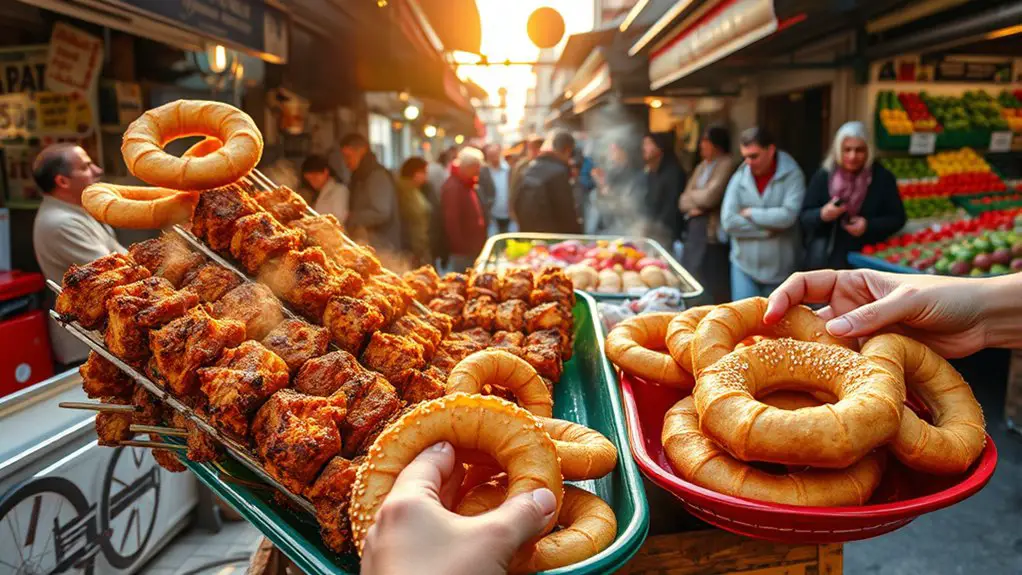
Beşiktaş is one of Istanbul’s easiest neighborhoods for building a street-food crawl around snacks, full meals, and desserts. Start near Beşiktaş Çarşı and the ferry terminal for simit, döner, köfte, börek, and stuffed mussels. Continue toward Ortaköy for kumpir, then finish with baklava or hot künefe. Menus and hours change often, so check posted prices before ordering.
Quick Answer
The best street foods to try in Beşiktaş include sesame-coated simit, döner wraps, grilled köfte, lahmacun, börek, midye dolma, and meatless çiğ köfte. For kumpir, head to Ortaköy within the wider Beşiktaş district. Save room for baklava or hot, cheese-filled künefe.
Key Takeaways
- Best quick snack: Simit is inexpensive, portable, and easy to find around bakeries, ferry approaches, and street carts.
- Best filling meal: Döner, köfte, lahmacun, and tavuklu pilav offer more substantial portions.
- Best waterfront specialty: Try balık ekmek when you find a busy seaside vendor serving fish straight from the grill.
- Best vegetarian choices: Simit, meatless çiğ köfte, vegetable börek, roasted chestnuts, and customizable kumpir can work well, but confirm sauces and fillings.
- Best area for kumpir: Ortaköy is the traditional destination and lies within the wider Beşiktaş district.
Disclosure: As an Amazon Associate I earn from qualifying purchases. Some links on this page are affiliate links, at no extra cost to you.
Where to Find Street Food in Beşiktaş
Beşiktaş Çarşı, the streets around the fish market, and the ferry-terminal approaches are the best places to begin. This compact area mixes bakeries, grills, small restaurants, dessert shops, and vendors, making it easy to compare several foods without traveling far.
The waterfront and nearby commercial streets are good places to look for simit, döner, köfte, börek, midye dolma, and rice dishes. Availability changes by time of day: bakeries are strongest in the morning, lunch-focused döner shops may sell out in the afternoon, and mussel or kokoreç specialists may stay open later.
For kumpir, continue northeast to Ortaköy. Ortaköy is a neighborhood within the Beşiktaş district, and its waterfront is known for rows of baked-potato counters with customizable toppings. The official GoTürkiye Istanbul street-food guide specifically identifies Ortaköy as the city’s best-known kumpir destination.
Pro Tip: Begin with simit or börek in Beşiktaş Çarşı, share a döner or köfte portion, then walk or take a bus toward Ortaköy for kumpir and a Bosphorus view. Finish with a dessert rather than ordering every full-size item at once.
Simit: The Classic Sesame Bread Ring
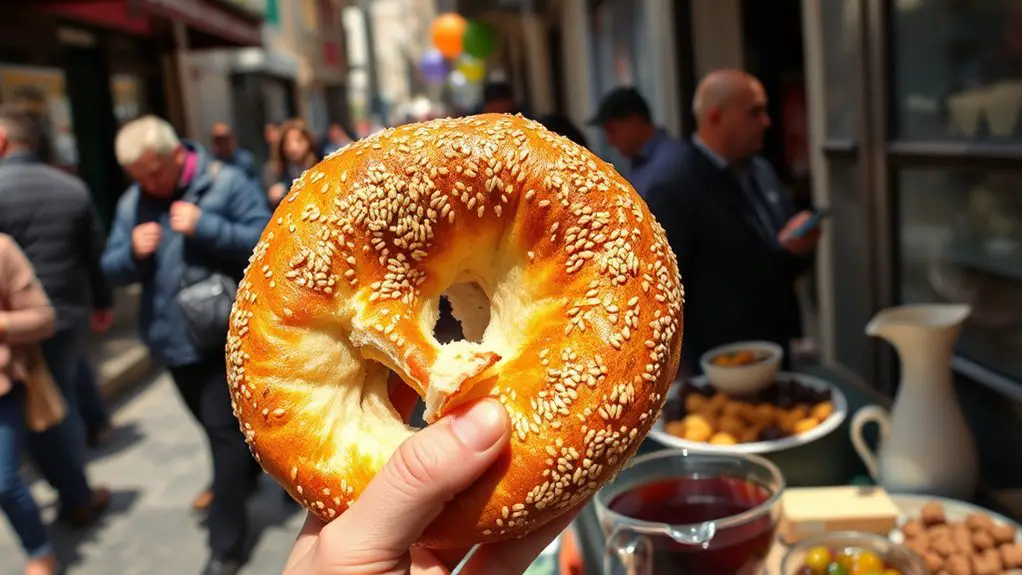
Simit is one of the simplest and most recognizable foods on Istanbul’s streets. The ring-shaped bread is commonly dipped in a molasses mixture, coated with sesame seeds, and baked until its exterior becomes crisp and deeply browned while the center stays pleasantly chewy.
According to GoTürkiye’s guide to Turkish foods, simit can be traced to at least the 16th century. It remains both a breakfast staple and a portable snack.
Classic simit is normally sold plain rather than baked with a filling. Some bakeries slice it and add white cheese, kaşar cheese, tomato, olives, or other sandwich fillings. A plain ring with hot Turkish tea is the most traditional starting point.
Simit contains wheat and sesame. Travelers with sesame or gluten allergies should not assume that a plain-looking ring is allergen-free.
Döner: A Savory and Filling Choice
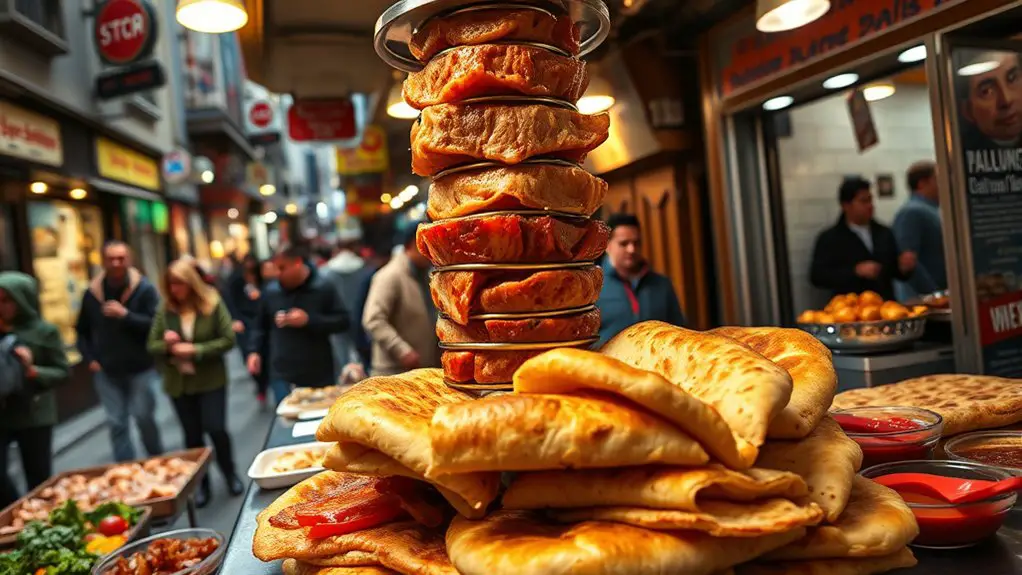
Döner is made by roasting stacked meat on a vertical spit and shaving the browned exterior into thin slices. Beef, lamb, chicken, or a beef-and-lamb mixture may be used, depending on the shop.
You can order döner in several forms:
- Ekmek arası: Served inside bread as a sandwich.
- Dürüm: Rolled in thin flatbread for an easy handheld meal.
- Porsiyon: Served on a plate, sometimes with rice, bread, tomato, peppers, or pickles.
Beşiktaş is specifically identified as one of Istanbul’s established döner districts in the official Istanbul street-food overview.
One verifiable local example is Tarihi Karadeniz Döner in Beşiktaş Çarşı. Its official site confirms the Köyiçi Caddesi location and notes a pricing-policy update dated January 16, 2026. Popular lunch-focused shops can develop lines or sell out, so verify the current schedule before making a special trip.
Köfte: Grilled Turkish Meatballs
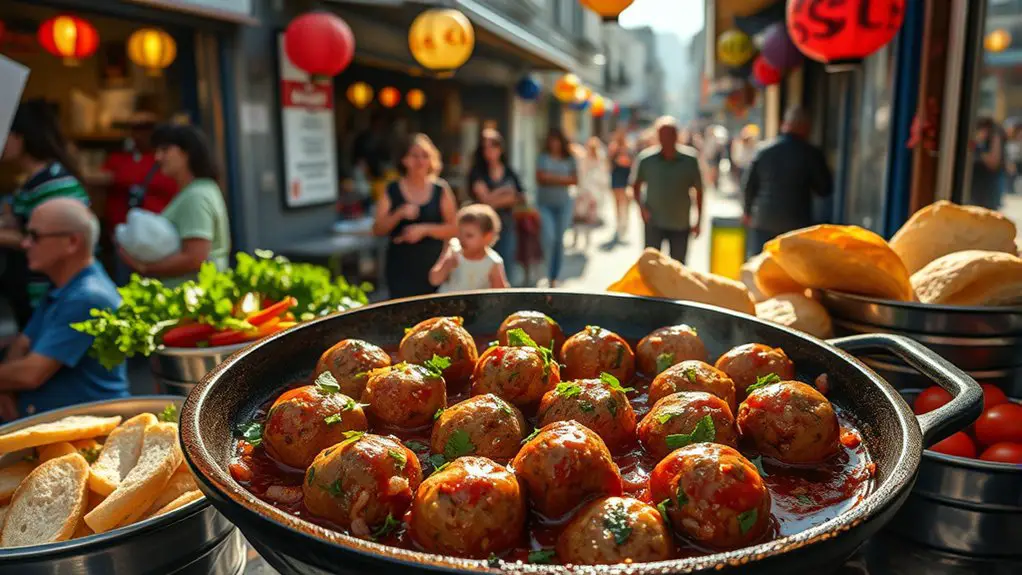
Köfte is a broad family of Turkish meatball and meat-patty dishes. Street-oriented versions are often made from seasoned ground beef, lamb, or a mixture of the two and cooked on a hot grill.
The flavor depends on the cook’s recipe, but onion, salt, black pepper, cumin, parsley, and breadcrumbs are common additions. Köfte is usually milder than many visitors expect, although hot peppers or spicy sauce may be served alongside it.
Traditional Preparation Methods
The meat mixture is kneaded until the ingredients bind, shaped into small patties or elongated pieces, and grilled until browned and cooked through. Charcoal grilling can add a smoky aroma, while flat-top grills produce a more even crust.
Recipes vary from one shop to another, so claims about a single “authentic” spice blend should be treated cautiously. The most useful quality signs are a busy grill, food cooked to order, a clean preparation area, and meat served hot.
Popular Serving Styles
Köfte may be tucked into bread with tomato, onion, parsley, and pickles or served as a plate with rice, bulgur, salad, and grilled peppers. A sandwich is easier for a walking tour, while a plate is better when you want a full meal.
Ask whether the bread, sauce, or köfte mixture contains dairy, egg, or breadcrumbs if you have allergies or dietary restrictions.
Balık Ekmek: A Fish Sandwich by the Bosphorus
Balık ekmek means “fish bread” and refers to a sandwich filled with freshly grilled fish, onion, greens, and sometimes tomato. Mackerel is common, but the species and preparation vary by vendor.
A squeeze of lemon brightens the fish, while raw onion and herbs add crunch. Some vendors add sauces, but the simplest version lets the grilled fish remain the main flavor.
“Freshly grilled” describes how the sandwich is served; it does not necessarily mean the fish was locally caught that day.
Balık ekmek is strongly associated with Istanbul’s waterfront, although the most famous concentrations are outside central Beşiktaş in places such as Eminönü and Karaköy. In Beşiktaş, look for a busy waterfront restaurant or vendor with fish going directly from the grill into the bread rather than assuming every seaside stall serves it.
Lahmacun: A Thin, Topped Flatbread
Lahmacun is often described in English as “Turkish pizza,” but it is better understood as a thin flatbread spread with a finely minced topping. The topping commonly combines meat, tomato, pepper, onion, herbs, and spices.
It is usually served without the thick cheese layer associated with many pizzas. The finished flatbread should be thin enough to roll but sturdy enough to hold its topping.
Ingredients and Preparation
The topping may use beef, lamb, or a mixture. Tomato, pepper paste, onion, garlic, parsley, paprika, and other seasonings are blended finely and spread in a thin layer over the dough.
Lahmacun is then baked quickly in a very hot oven. A stone or wood-fired oven can produce crisp edges and light charring, although equipment varies among shops.
Popular Serving Options
Add parsley, onion, tomato, or a small amount of salad, squeeze lemon over the top, and roll the flatbread into a wrap. Ayran, the cold yogurt drink, is a common pairing.
One piece works as a snack for many people, while two may make a fuller meal. Portion size varies, so look at what other customers are receiving before ordering several.
Börek: Flaky Filled Pastry
Börek is made with thin layers of dough and can be baked in large trays, rolled into spirals, or formed into individual pastries. Common savory fillings include white cheese, spinach, potato, and seasoned minced meat.
Cheese-and-spinach börek can be a useful meat-free option, but it is not vegan because the pastry or filling may contain butter, milk, cheese, or egg. Potato börek may also contain dairy, so ask rather than relying on appearance.
The best börek has distinct layers, a crisp surface, and a filling that remains moist without making the base soggy. It pairs naturally with strong Turkish tea and works especially well as breakfast or a midmorning snack.
Midye Dolma: Stuffed Mussels
Midye dolma consists of cooked mussels presented in their shells with seasoned rice. The rice may contain onion, herbs, spices, pine nuts, currants, or similar ingredients, depending on the recipe. Vendors normally open each shell and add lemon immediately before it is eaten.
The official Istanbul street-food guide describes midye dolma as a common tray-served snack. Because each mussel is eaten in one or two bites, it is easy to lose track of the quantity and final cost. Decide how many you want before the vendor begins serving.
Warning: Midye dolma contains shellfish and may also contain pine nuts or other allergens. Choose a clean, high-turnover specialist that keeps the product protected and properly stored. Avoid raw or undercooked mussels. Pregnant travelers, older adults, young children, and people with weakened immune systems should be especially cautious with shellfish and other perishable street foods.
Preparation and Ingredients
The shells are cleaned, filled with a seasoned rice mixture, and cooked until the rice and mussel are done. Preparation is normally completed before the tray reaches the serving point rather than performed to order in front of the customer.
That makes storage and turnover especially important. Avoid mussels that appear dried out, smell strongly unpleasant, or have been sitting uncovered in direct heat for an uncertain period.
Popular Serving Styles
Midye dolma is generally sold by the piece. The upper shell may be used like a small spoon, and the vendor often squeezes lemon over each serving.
Ask for a defined quantity—such as five or ten—rather than allowing an open-ended sequence. Confirm the per-piece or per-portion price first.
Best Local Vendors
Midyeci Ahmet’s official website lists a Beşiktaş branch and is a verifiable specialist reference. Addresses and operating hours can change, so check the official page on the day of your visit.
For an independent tray vendor, look for visible prices, clean utensils, covered food, high customer turnover, and a setup that separates money handling from direct contact with the food. A long queue alone does not guarantee safe handling, but active turnover is preferable to seafood sitting for an unknown period.
Çiğ Köfte: Spicy Bulgur Patties
The name çiğ köfte literally refers to “raw köfte,” and traditional regional versions were historically associated with raw meat. The commercial street-food version visitors now encounter is generally the meatless form made from fine bulgur, tomato and pepper pastes, isot pepper, herbs, spices, lemon, and pomegranate molasses.
It has a soft, slightly chewy texture with spicy, tangy, and savory flavors. Vendors may serve individual patties in lettuce leaves or roll the mixture in lavaş with lettuce, herbs, pickles, lemon, and sauce.
Ask for acısız if you want a milder version or acılı if you prefer more heat. Many meatless versions are vegan, but confirm the sauce and preparation if strict vegan handling matters to you.
Kumpir: Loaded Baked Potatoes in Ortaköy
Kumpir begins with a large baked potato split while hot. The soft interior is mixed with butter, salt, and kaşar cheese until it becomes creamy, then covered with toppings chosen by the customer.
Common additions include corn, olives, pickles, peas, carrots, Russian-style salad, sausage, red cabbage, mushrooms, and several sauces. The combinations can become heavy quickly, so choose a few toppings that work together rather than automatically adding everything.
Although kumpir is available in several parts of Istanbul, Ortaköy is its best-known destination. Ortaköy belongs to the Beşiktaş district and has multiple counters close together, making it easy to inspect ingredients and compare posted prices.
A standard kumpir contains dairy because butter and cheese are mixed into the potato. Ask whether a dairy-free base is possible before ordering if you need a vegan version.
Other Beşiktaş Street Foods Worth Trying
Kokoreç
Kokoreç is made from seasoned lamb intestines cooked on a rotating spit, chopped, and commonly served in bread. It has a rich, strongly seasoned flavor and is particularly associated with late-night eating. Choose a specialist serving it thoroughly cooked and hot.
Tavuklu Pilav
Tavuklu pilav combines rice—often cooked with chickpeas—with shredded or sliced chicken. It is commonly served from carts or compact takeout counters and may come with pickles and ayran. Because rice and chicken are perishable, buy from a busy vendor that keeps the food properly hot.
Roasted Chestnuts
Roasted chestnuts, or kestane, become more visible in cooler weather. They are served hot in paper bags and make a naturally meat-free, dairy-free snack, although cross-contact at a shared cart is always possible.
Tatlılar: Desserts to Finish the Crawl
Baklava is made from many thin pastry layers, nuts, fat, and sweet syrup. Pistachio and walnut are common varieties. Despite frequent English descriptions, the syrup is not necessarily honey-based, so “honey-soaked” should not be assumed.
Baklava contains gluten and normally contains nuts. It may also contain dairy, depending on the fat used. Ask about the nut variety if you have an allergy because different trays may be cut with shared utensils.
Künefe is a hot dessert made from fine strands of kadayıf pastry layered around mild melting cheese, baked until crisp, soaked with syrup, and often topped with pistachios. It is best eaten immediately while the pastry is crisp and the cheese is still stretchy.
Because both desserts are rich, one portion is often enough to share after a full street-food route.
How to Order Street Food in Beşiktaş
Many vendors in central Beşiktaş are accustomed to visitors, but a few Turkish phrases make ordering easier:
- Bir tane, lütfen. — One, please.
- İki tane, lütfen. — Two, please.
- Acısız olsun. — Please make it mild.
- Acılı olsun. — Please make it spicy.
- Soğansız, lütfen. — Without onion, please.
- Paket olsun. — Make it takeaway, please.
- Fiyatı ne kadar? — How much is it?
- İçinde ne var? — What is in it?
Note: Confirm the total price before adding numerous kumpir toppings or accepting an open-ended series of stuffed mussels. Posted prices may be per item, per weight, or per portion.
Street Food Safety and Common Allergens
No street stall or restaurant can be described as completely risk-free. The CDC’s food and water guidance for travelers recommends favoring food that is cooked thoroughly and served steaming hot. Food that is lukewarm, exposed, or stored at an uncertain temperature deserves more caution.
Before ordering, check whether the counter, utensils, and server’s hands appear clean. Prefer vendors with steady turnover, visible preparation, protected ingredients, and meat or seafood cooked thoroughly. Wash or sanitize your hands before eating.
The FDA advises against raw or undercooked shellfish and recommends that hot meals be served thoroughly cooked and piping hot. This is particularly important for people at increased risk of severe foodborne illness.
Common allergens in the foods covered here include:
- Gluten: Simit, bread, lahmacun, börek, dürüm, baklava, and künefe.
- Sesame: Simit and some breads or sauces.
- Dairy: Cheese börek, ayran, standard kumpir, künefe, and some desserts.
- Nuts: Baklava, künefe toppings, and some midye dolma rice mixtures.
- Shellfish: Midye dolma and fried mussel dishes.
- Egg: Some pastries, doughs, sauces, or köfte mixtures.
Cross-contact is common in small kitchens and street setups. Show a translated allergy card if exposure could cause a serious reaction.
Street-Food Costs and Opening Hours
Prices in Istanbul can change quickly, so a fixed citywide average becomes outdated fast. Simit and roasted chestnuts are usually among the simpler purchases. Döner, fish sandwiches, köfte plates, heavily topped kumpir, and desserts generally cost more.
Check the menu or ask the price before ordering. This is especially important for food sold by weight, toppings charged separately, and mussels sold one at a time.
Opening hours are equally variable. Bakeries and simit sellers are strongest in the morning, lunch-oriented döner shops may close after selling the day’s meat, and kokoreç or mussel specialists may operate late into the night. Do not assume that every stall remains open until midnight. Check the business’s current official page when a particular stop is important to your plans.
Frequently Asked Questions
What are the best street-food vendors in Beşiktaş?
Rather than relying on an unchanging “best” list, begin in Beşiktaş Çarşı and compare busy specialists. Tarihi Karadeniz Döner and the official Beşiktaş branch of Midyeci Ahmet are verifiable examples. Confirm current addresses, hours, prices, and availability on their official pages before visiting.
Are vegetarian options available in Beşiktaş?
Yes. Look for simit, cheese or spinach börek, meatless çiğ köfte, roasted chestnuts, and vegetable-topped kumpir. Standard kumpir contains butter and cheese, and many pastries contain dairy or egg, so confirm ingredients when you need a vegan option.
How late can I find street food in Beşiktaş?
Some mussel, kokoreç, döner, and dessert businesses operate late, especially near nightlife areas, but there is no universal closing time. Bakeries may open early, while lunch-focused döner shops can close after selling out. Check current hours for any specific business.
What is the average price of street food in Beşiktaş?
There is no reliable fixed average because prices change frequently and portions differ. Simit is normally one of the simpler choices, while döner, fish, köfte, loaded kumpir, and desserts cost more. Read the posted menu and confirm whether the price is per item, portion, topping, or weight.
Is street food in Beşiktaş safe to eat?
It can be enjoyable, but no vendor is risk-free. Choose clean, busy businesses, favor food cooked thoroughly and served hot, and be cautious with exposed or poorly stored perishables. Avoid raw or undercooked shellfish and use added caution if you are pregnant, immunocompromised, older, or traveling with a young child.
Is Ortaköy part of Beşiktaş?
Yes. Ortaköy is a neighborhood within the wider Beşiktaş district. It is separate from the central Beşiktaş Çarşı and ferry-terminal area, but it is the district’s best-known destination for kumpir and waterfront snacking.
What should I try first on a short visit?
Start with a fresh simit, then choose either döner or köfte as your main savory item. Add a small serving of midye dolma only from a clean specialist, or travel to Ortaköy for kumpir. Finish with a shared portion of baklava or hot künefe.
Conclusion
Beşiktaş offers far more than a checklist of famous Turkish foods. Its compact center lets you compare bakeries, grills, seafood specialists, and dessert counters within a short walk, while nearby Ortaköy adds the district’s best-known kumpir experience. Start with simit, choose one filling savory dish, order seafood carefully, and leave room for dessert. Checking current menus, hours, ingredients, and hygiene will make the experience smoother and safer.
Sources
- GoTürkiye: Istanbul Street Food Experience Guide — Istanbul street-food culture, midye dolma, balık ekmek, and Ortaköy kumpir.
- GoTürkiye: The 10 Most Popular Street Foods of Istanbul — döner, simit, börek, kokoreç, kumpir, fish sandwiches, and tavuklu pilav.
- GoTürkiye: 16 Foods You Have to Try — simit history and Turkish dessert context.
- CDC: Food and Drink Considerations When Traveling — traveler guidance on street food, raw ingredients, and food served hot.
- U.S. Food and Drug Administration: Eating Out and Food Safety — thoroughly cooked food, shellfish risk, cleanliness, and temperature guidance.
- Tarihi Karadeniz Döner Official Site — verified Beşiktaş location and current-business reference.
