
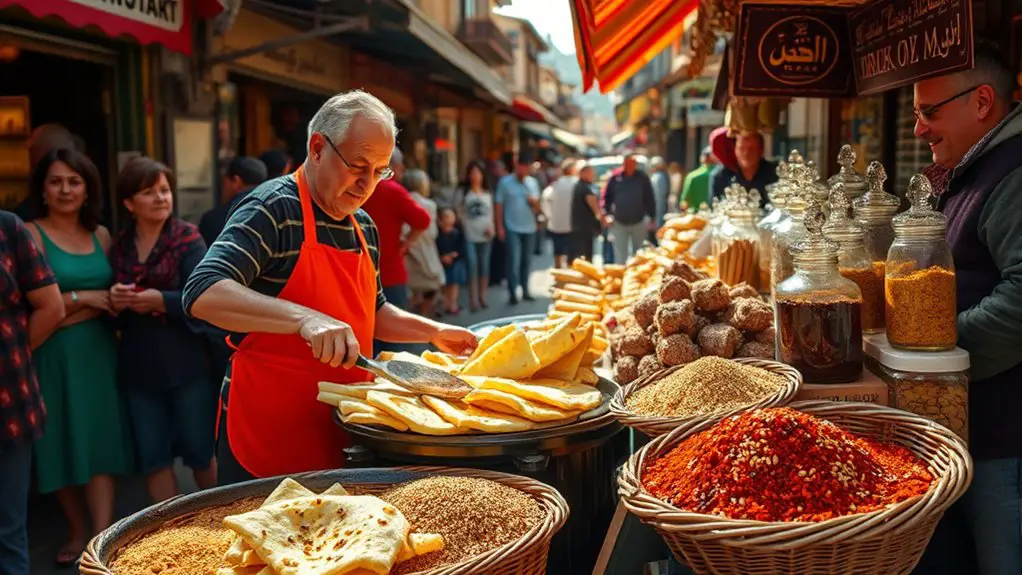
Last Updated on July 25, 2026 by Daniel Globe
Balat is a rewarding place to sample Istanbul food while exploring the historic streets along the Golden Horn. The best bites are not all literal street-cart foods: expect a mix of simit sellers, bakeries, casual kebab and pide shops, dessert counters, cafés, and small eateries serving Turkish classics. Start simple, follow fresh food and busy counters, and leave room for tea or Turkish coffee.
Quick Answer
The best Balat street-food experience starts with fresh simit or börek, followed by lahmacun, pide, döner or grilled meat. Midye dolma is a classic Istanbul snack when bought from a trustworthy vendor. Finish with baklava, lokum, Turkish tea, or Turkish coffee. Menus and prices change quickly, so check before ordering.
Key Takeaways
- Fresh simit and börek are easy, inexpensive starting points for a Balat food walk.
- Lahmacun, pide, döner, kebabs, mantı, baklava, and midye dolma are Turkish or Istanbul classics you may encounter in and around Balat; they are not all uniquely Balat dishes.
- Mantı uses a firm rolled dough that is rested rather than relying on yeast fermentation, and it is commonly served with yogurt and savory sauce.
- For midye dolma and other perishable foods, choose a clean, busy seller and skip anything whose handling or freshness makes you unsure.
- Do not rely on an old fixed price guide. Check the displayed price or menu because Istanbul food prices can change quickly.
- Travelers with allergies or celiac disease should confirm both ingredients and cross-contact before eating; rice or vegetable dishes are not automatically allergen-free.
Note: Balat and neighboring Fener sit along Istanbul’s Golden Horn. Many foods in this guide are citywide or Turkish favorites that you can enjoy while visiting the neighborhood rather than specialties invented exclusively in Balat.
Disclosure: As an Amazon Associate I earn from qualifying purchases. Some links on this page are affiliate links, at no extra cost to you.
What to Know Before Eating Street Food in Balat
Think beyond the street cart. In Balat, quick food can come from a bakery window, a small pide shop, a dessert counter, a café, or a vendor selling food on the go. That matters because dishes such as mantı and pide are usually easier to enjoy at a table, while simit, stuffed mussels, roasted chestnuts, and similar snacks lend themselves naturally to walking.
For a first visit, look for food that is being prepared or replenished regularly. A busy counter is useful because turnover is easier to judge. For cooked dishes, choose food served hot rather than food that has been sitting for an unclear amount of time.
Pro Tip: Check the menu or displayed price before ordering, especially when buying by weight, portion, or individual piece. Keep a little cash for small purchases, but do not assume every vendor or café uses the same payment method.
Balat’s Classic Simit and Bread Stalls
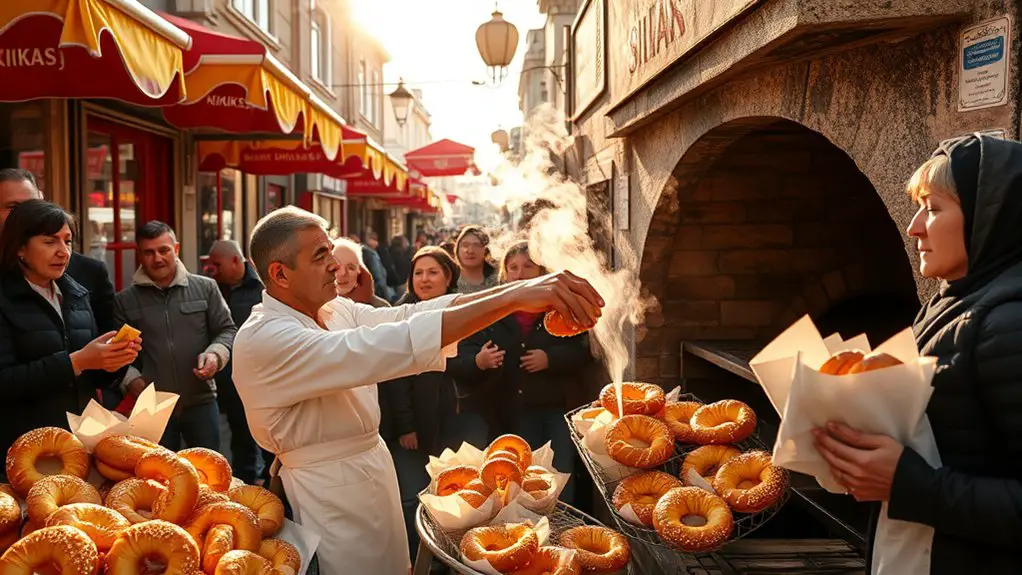
Simit is one of the easiest foods to try while exploring Balat. This ring-shaped bread is typically coated with sesame and has a browned exterior with a chewy interior. Türkiye’s official tourism site describes simit as one of Istanbul’s most common street foods, sold from bakeries, restaurants, and street carts.
For the best texture, choose simit that looks freshly baked rather than one that has dried out after sitting for hours. It works as a quick breakfast or snack and pairs naturally with Turkish tea.
You may also find other breads and bakery items nearby, but the selection depends on the individual bakery. Rather than looking for a supposedly unique “Balat simit,” focus on freshness, sesame aroma, and a crust that still has some crispness.
For a simple Balat breakfast on the move, a warm simit and a glass of çay are hard to beat.
Sizzling Kebabs and Grilled Meats
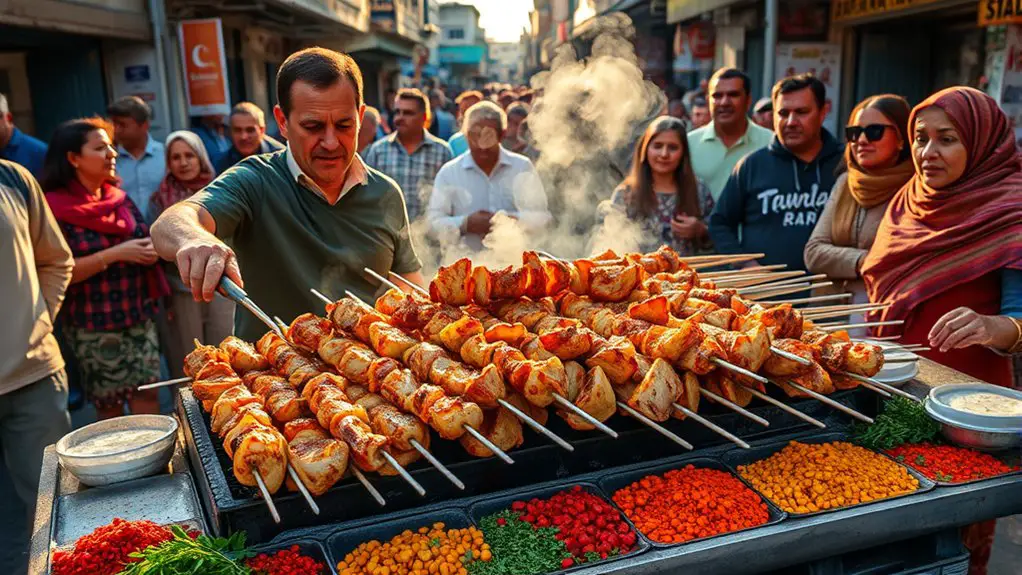
Kebabs and grilled meats offer a more filling stop. The word kebab covers many preparations, so do not expect every shop to use the same meat, marinade, spice mix, or cooking method.
Depending on the vendor, you may encounter meat cooked on skewers, a grill, or a vertical döner spit. Some recipes use marinades; others depend mainly on the meat, fat, salt, peppers, herbs, and careful grilling.
When choosing grilled meat, look for food cooked to order or cut from a hot, actively turning döner spit. Fresh bread, onions, tomatoes, parsley, pickles, and sauces may accompany it depending on the shop.
For something easy to carry, ask whether the meat is available as a dürüm, meaning it is wrapped in flatbread. For a larger meal, choose a plated serving with salad, bread, rice, or yogurt if offered.
Traditional Turkish Börek and Pastries
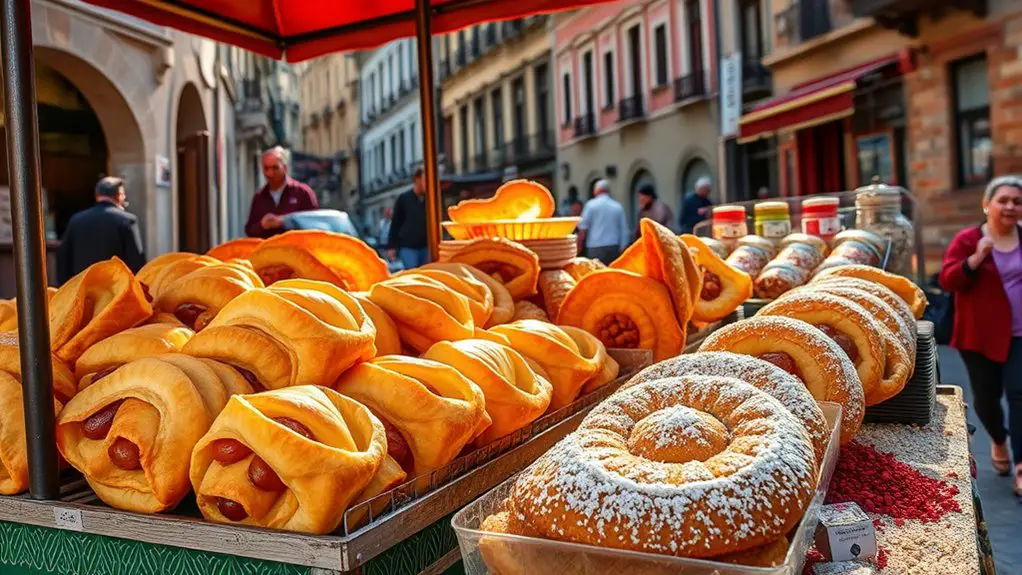
Börek is another practical choice for breakfast or a quick lunch. Turkish börek comes in many regional forms, but thin yufka-style pastry and savory fillings are common.
Typical fillings include cheese, spinach, potato, herbs, or minced meat. Texture varies by style: one börek may be crisp and flaky, while another is soft, layered, and moist.
A bakery with steady turnover is usually a better bet than judging by appearance alone. When possible, order a portion that has recently come from the oven or warming tray. Tea or ayran, the yogurt-based drink, makes an easy accompaniment.
Börek is also a useful vegetarian option when the filling is cheese, potato, spinach, or another meat-free mixture. Ask about the specific filling rather than assuming from its appearance.
Sweet Treats: Baklava and Turkish Delight
Baklava and Turkish delight, or lokum, are two familiar ways to finish a Balat food stop, although both belong to the broader Turkish culinary tradition rather than to Balat alone.
Baklava is built from very thin pastry layers with butter or fat, nuts, and syrup. Pistachio and walnut versions are common, while individual shops may offer other fillings and shapes. The best pieces balance crisp pastry with syrup without turning completely soggy.
Lokum has a soft, chewy texture and comes in many flavors. Rose, citrus, pistachio, and other nut-filled varieties are widely available. Because nuts are common in both baklava and lokum, travelers with nut allergies should ask about ingredients and cross-contact before tasting.
Depending on the bakery or dessert shop, you may also see syrup-soaked lokma, künefe, rice pudding, or other sweets. These are worth considering when you want something beyond the most familiar tourist choices.
Freshly Made Mantı and Dumplings
Mantı is better thought of as a café or casual-restaurant stop than a typical food to eat while walking. Turkish mantı usually consists of small pieces of dough folded around a filling and cooked before being topped with yogurt and savory sauce.
Traditional Filling Flavors
Minced meat and onion are classic fillings. Beef or lamb may be used depending on the recipe, with salt, pepper, red pepper, parsley, or other seasonings varying by region and cook.
Vegetarian dumpling dishes exist, but do not assume a plate labeled simply mantı is meat-free. Ask before ordering.
Handcrafted Dough Techniques
Traditional mantı dough does not require the yeast fermentation described in the original version of this article. Official recipes published through Türkiye’s Culture Portal use combinations of flour, egg, water, and salt. The firm dough is kneaded, allowed to rest, and then rolled thin before being cut and filled.
The resting period helps make the dough easier to roll; it should not be confused with yeast fermentation. Small, evenly cut pieces also cook more consistently.
For a reference preparation, see the Türkiye Culture Portal’s Kayseri mantı guide.
How Mantı Is Served
Common Turkish presentations feature cooked mantı topped with yogurt, often garlic yogurt, followed by melted butter or oil seasoned with red pepper. Tomato-based additions may also appear.
Portion size and garnishes vary, but steamer baskets are not a defining feature of Turkish mantı. If you want to taste the dish in Balat, choose a place where you can sit down and eat it hot rather than treating it as a portable street snack.
Lahmacun and Pide in Balat
Lahmacun and pide are Turkish favorites that work well for a quick, inexpensive meal. They are not exclusive Balat recipes, so the quality of the individual bakery or oven matters more than claims about a uniquely Balat preparation.
Traditional Preparation Techniques
Lahmacun begins with thin dough covered with a finely chopped or minced mixture that commonly includes meat, vegetables, herbs, and spices. It is then baked quickly in a hot oven. Türkiye’s official tourism material describes regional versions baked in stone ovens, and some styles use unfermented dough.
Pide is thicker and is commonly shaped into an elongated or boat-like form. Toppings can include cheese, minced meat, diced meat, egg, vegetables, or combinations of these ingredients.
Freshly baked versions should arrive hot with browned edges. Lahmacun is often eaten with greens, parsley, onion, or lemon before being rolled or folded.
Flavor Profiles and What to Order
Expect the flavor to depend on the shop rather than on a single Balat formula. Red pepper, parsley, tomato, onion, and other seasonings can change the balance from mild and savory to noticeably spicy.
For a lighter meal, one lahmacun with greens and ayran may be enough. Pide is usually more substantial and easier to share when several people want to sample different foods.
Fresh Fruit, Juices, and Lighter Options
Fresh juice and cut fruit can provide a break from breads, grilled meats, and syrupy desserts, but they should not be treated as a defining Balat specialty. Availability changes with the season and the individual café or juice stand.
Pomegranate, orange, and mixed fruit drinks are common possibilities around Istanbul. When buying fresh juice, it is sensible to choose a clean preparation area where fruit is cut and pressed in front of you.
Travelers who are especially cautious about foodborne illness should remember that uncooked and pre-cut produce depends heavily on clean water, utensils, and handling. The CDC Yellow Book’s food and water guidance recommends greater caution when hygiene or sanitation is uncertain.
Local Street Snacks: Midye Dolma and More
Midye dolma is one of Istanbul’s recognizable street snacks. Cooked mussels are filled with seasoned rice and typically eaten from the shell with a squeeze of lemon. GoTürkiye describes the snack as common around Istanbul as well as elsewhere in Türkiye.
It is important, however, not to present midye dolma as uniquely Balat. Istanbul’s official tourism material specifically discusses stuffed-mussel vendors across multiple districts and notes that the dish has broader regional roots. You can read more in GoTürkiye’s guide to mussels in Turkish cuisine.
Warning: Shellfish and other perishable street foods require good handling and temperature control. Choose a clean seller with steady turnover and skip the food if storage, smell, cleanliness, or freshness makes you uncertain. Travelers at higher risk from foodborne illness should be especially cautious.
Other Street Snacks to Look For
Istanbul’s street-food selection extends beyond the foods already covered. Depending on the season and what vendors are operating that day, you may encounter:
- Roasted chestnuts: A warming street snack particularly associated with cooler weather.
- Corn: Sold boiled or roasted by some street vendors.
- Tavuklu pilav: Rice with chickpeas and chicken, commonly sold as an inexpensive meal.
- Çiğ köfte: A spicy bulgur-based preparation commonly served in a wrap or with lettuce; modern commercial versions are generally meat-free.
- Gözleme: Thin filled flatbread cooked on a griddle, with fillings such as cheese, potato, spinach, or meat.
GoTürkiye’s Istanbul street-food overview is a useful reference for distinguishing citywide classics from neighborhood-specific marketing.
Specialty Coffee and Tea Vendors
Balat’s café scene gives you a chance to move from quick street snacks to one of Türkiye’s best-known social rituals: Turkish coffee. Unlike filtered coffee, finely ground coffee is brewed without filtering and served in a small cup, allowing the grounds to settle at the bottom.
Turkish coffee is more than a brewing style. UNESCO recognizes Turkish coffee culture and tradition on its Representative List of the Intangible Cultural Heritage of Humanity.
Tea, or çay, is an equally practical companion to simit, börek, and other snacks. It is commonly served in small tulip-shaped glasses.
Modern Balat cafés may also serve espresso, pour-over coffee, cold brew, herbal tea, and seasonal drinks. Those offerings reflect individual café menus rather than one historic Balat recipe, so treat them as part of the neighborhood’s contemporary café scene.
Unique and Modern Fusion Street Creations
Some modern cafés and casual restaurants reinterpret Turkish foods with contemporary toppings, sauces, vegetarian substitutions, or international influences. These can be fun to try, but they should not be presented as established Balat traditions unless a specific business documents the dish.
Menus change quickly, so judge a fusion item on what the restaurant actually describes rather than assuming that a particular combination is common throughout the neighborhood.
| Menu Style | What You Might See | What to Remember |
|---|---|---|
| Modern pide | Nontraditional cheeses, vegetables, or sauces | A modern menu item, not necessarily a historic Balat recipe |
| Vegetarian reinterpretation | Vegetable or plant-based versions of familiar dishes | Confirm ingredients if dietary restrictions are strict |
| Dessert twist | Chocolate, fruit, ice cream, or alternative presentations | Expect shop-specific creations rather than a standard recipe |
How Much Does Balat Street Food Cost?
A single fixed price range is not useful in today’s Istanbul. A simple simit or individual stuffed mussel sits at a very different price point from a plate of kebab, döner wrap, pide, or café meal, and prices can change quickly.
For practical budgeting, think in categories instead:
- Lowest-cost bites: simit and small individual street snacks.
- Moderate snacks: börek portions, gözleme, desserts, and drinks.
- More substantial meals: lahmacun, pide, döner, grilled meats, and sit-down dishes such as mantı.
Check the posted menu before ordering, especially in tourist-heavy areas. When food is sold by weight or by individual piece, confirm whether the displayed figure is per serving, per piece, or per kilogram.
Vegetarian, Gluten-Free, and Allergy Guidance
Vegetarian visitors have several possibilities. Cheese or spinach börek, some gözleme, vegetable pide, meat-free çiğ köfte, simit, salads, fruit, and many desserts can fit a vegetarian diet, depending on ingredients.
Gluten-free eating requires more care. Simit, börek, mantı, lahmacun, pide, and most standard breads contain wheat. A dish based on rice, meat, vegetables, or fruit may appear gluten-free but can still contain added ingredients or be exposed to cross-contact.
The same principle applies to allergies. Sesame is central to simit, dairy is common in yogurt and pastries, egg may occur in doughs, and pistachios, walnuts, hazelnuts, or other nuts are common around dessert counters.
Note: For a serious allergy or celiac disease, do not rely only on how a dish looks. Ask specifically about ingredients and cross-contact. A restaurant where staff can clearly explain preparation is generally easier to assess than a crowded street cart.
A Simple Balat Street-Food Crawl
You do not need to order a full portion at every stop. Sharing smaller dishes lets you taste more without turning the walk into a marathon meal.
- Start with simit and tea. It is light, inexpensive, and easy to eat while beginning your walk.
- Split a portion of börek. Choose cheese, spinach, potato, or meat depending on your preference.
- Stop for lahmacun or pide. This makes a good savory centerpiece when you are ready for something hot.
- Try one additional Istanbul street snack. Midye dolma, roasted chestnuts, gözleme, pilav, or çiğ köfte can fill this slot depending on season and availability.
- Finish with something sweet and a drink. Baklava or lokum followed by Turkish coffee or tea gives the walk a natural ending.
This approach also makes it easier to judge each stop individually rather than committing to the first restaurant or café you see.
Frequently Asked Questions
Are there vegetarian options among Balat’s street foods?
Yes. Depending on the vendor, look for cheese or spinach börek, vegetable gözleme or pide, meat-free çiğ köfte, simit, fruit, salads, and many desserts. Always confirm the filling because similar-looking pastries can contain meat.
Which street-food vendors in Balat stay open late?
There is no dependable neighborhood-wide late-night schedule. Individual carts, bakeries, cafés, and restaurants set their own hours, and these can change by season or day of the week. Check current same-day hours for any specific place you plan to visit.
How much should I expect to pay for a street snack in Balat?
Prices vary too widely and change too quickly for one fixed number to remain reliable. Simit and small individual snacks are usually at the budget end, while döner, pide, grilled meats, and sit-down dishes cost considerably more. Check the displayed price before ordering.
Are there gluten-free or allergy-friendly street-food choices?
Possibly, but never assume a dish is safe based only on its main ingredient. Simit, börek, mantı, lahmacun, and pide normally contain wheat. Nuts, sesame, dairy, and egg are also common. Ask about both ingredients and cross-contact, particularly for celiac disease or a serious food allergy.
Is street food in Balat suitable for children and families?
Yes, many simple foods such as simit, börek, pide, fruit, and mild grilled dishes can work well for families. Check temperature before serving hot food to young children, watch for bones or shells in seafood, and consider allergies and hygiene when choosing a vendor.
What street food should I try first in Balat?
Start with a fresh simit and tea, then try börek or lahmacun. Add one classic Istanbul snack such as midye dolma or roasted chestnuts if available, and finish with baklava, lokum, or Turkish coffee.
Is Balat street food different from food elsewhere in Istanbul?
Balat has its own neighborhood atmosphere, but many foods sold there—such as simit, midye dolma, börek, lahmacun, pide, and döner—are found throughout Istanbul or Türkiye. The experience is therefore as much about eating these classics while exploring Balat as it is about finding dishes unique to the neighborhood.
Conclusion
Exploring Balat through food works best when you treat the neighborhood as a place to sample Istanbul’s everyday flavors rather than searching for a long list of dishes found nowhere else. Begin with something simple and fresh, such as simit or börek, add a hot dish such as lahmacun, pide, or grilled meat, and finish with a Turkish sweet, tea, or coffee.
Pay attention to freshness, cleanliness, ingredients, and displayed prices as you go. With that practical approach, Balat’s bakeries, cafés, small eateries, and street vendors can become as memorable a part of your walk as the historic streets around them.
Sources
- GoTürkiye — The 10 Most Popular Street Foods of İstanbul — Istanbul street-food staples including simit and other common snacks.
- GoTürkiye — Fener and Balat Neighbourhoods — geographic and cultural context for the Golden Horn neighborhoods.
- GoTürkiye — Mussels in Turkish Cuisine — midye dolma and its place in Istanbul and Turkish food culture.
- Türkiye Culture Portal — Kayseri Mantısı — traditional mantı ingredients, dough, filling, and serving method.
- UNESCO — Turkish Coffee Culture and Tradition — cultural heritage and social significance of Turkish coffee.
- CDC Yellow Book — Food and Water Precautions for Travelers — practical food-handling and traveler-safety guidance.
